Vocabulary enhancement Normal Reading Worksheets for Ages 5-7 - Page 3
57 filtered results
-
From - To
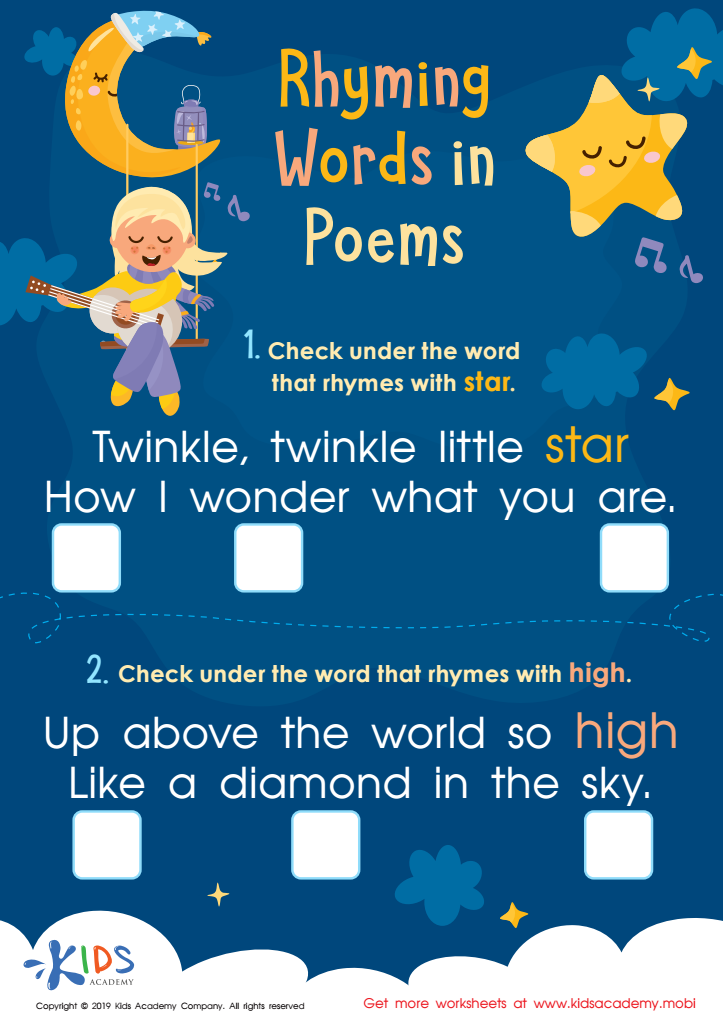
Rhyming Words in Poems Worksheet
 Assign to My Students
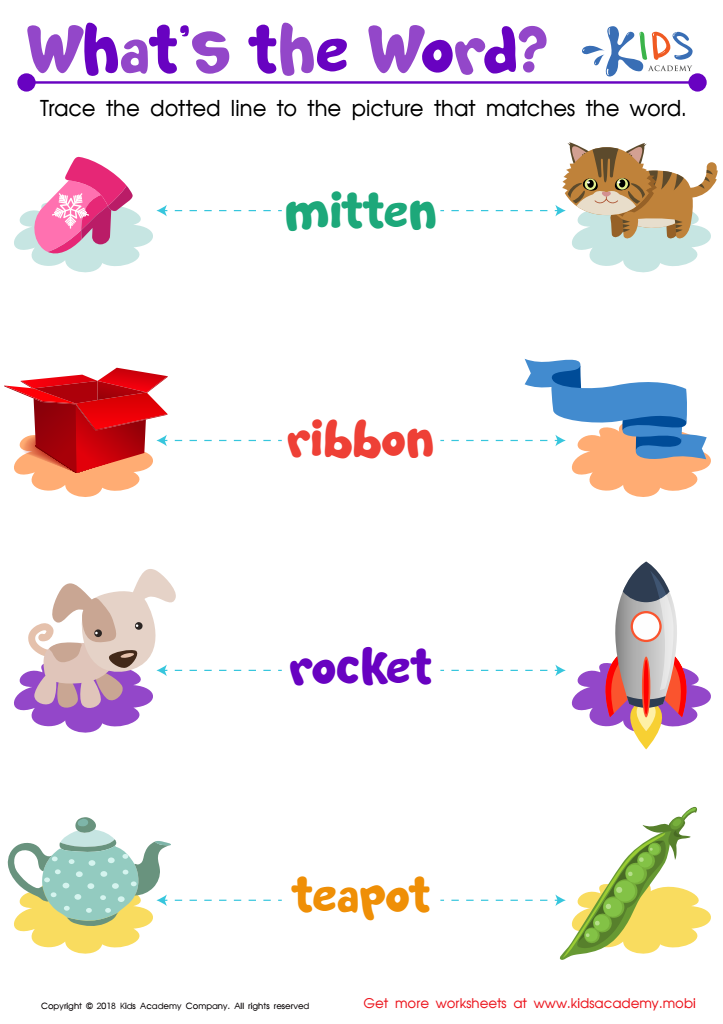
Reading: What's Word Worksheet
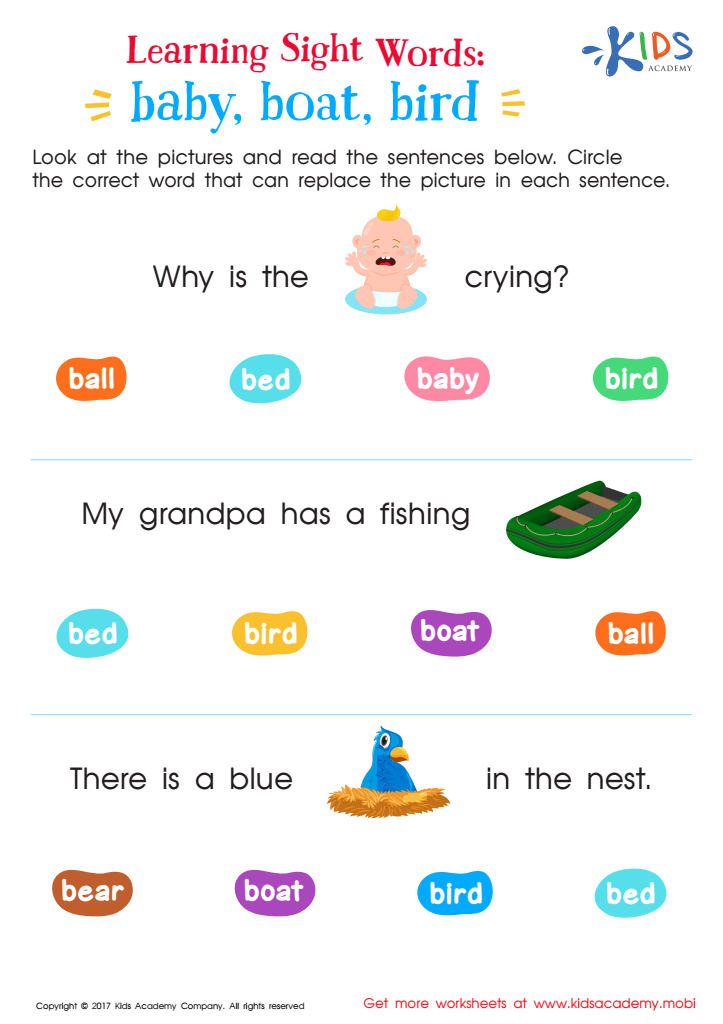
Baby, Boat, Bird Worksheet Sight Words Worksheet
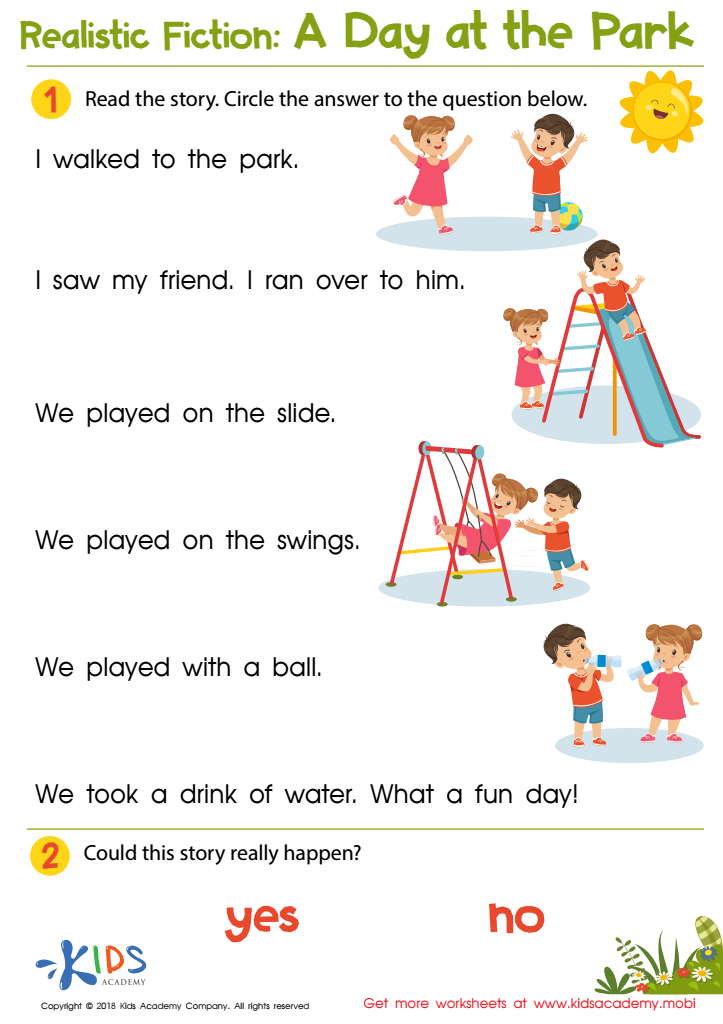
A Day at the Park Worksheet
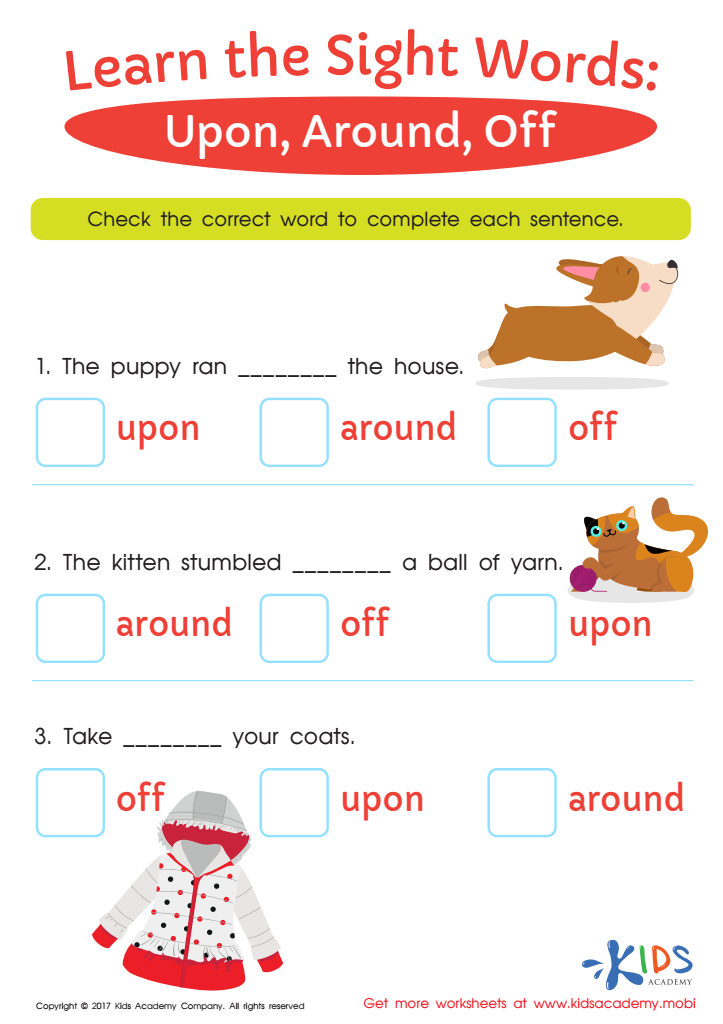
Upon, Around, Off Sight Words Worksheet
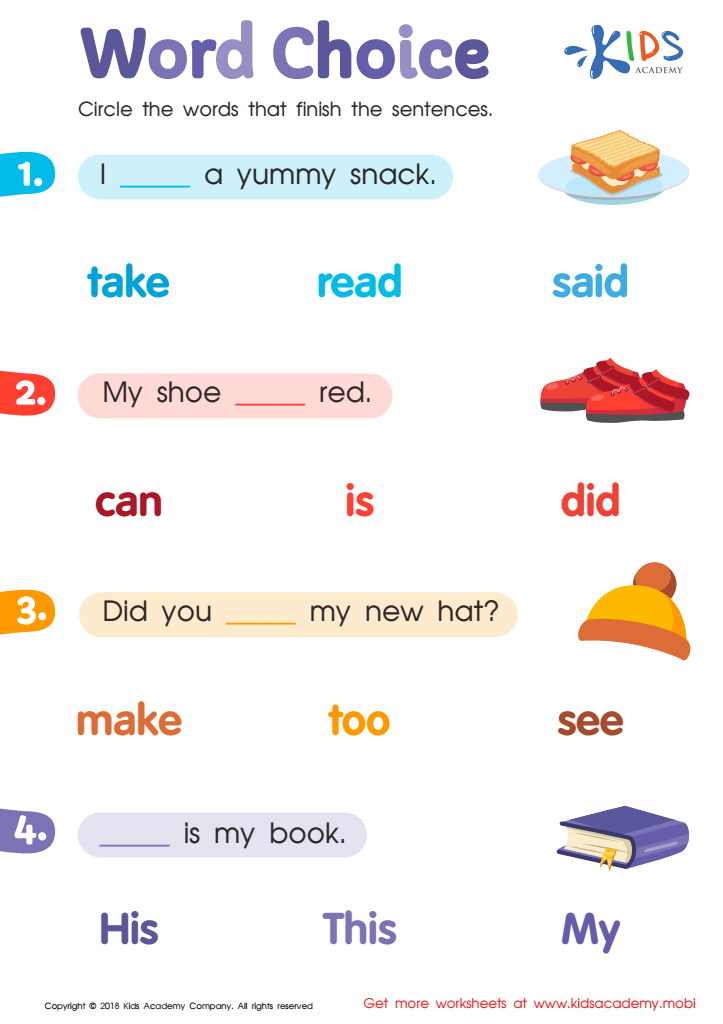
Word Choice Worksheet
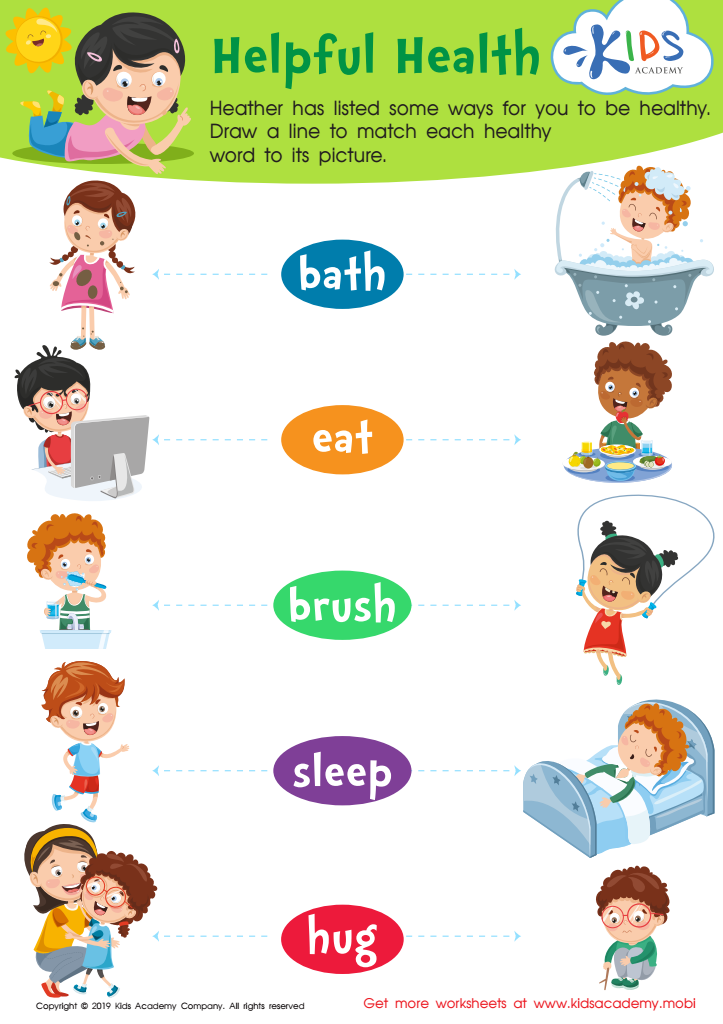
Helpful Health Worksheet
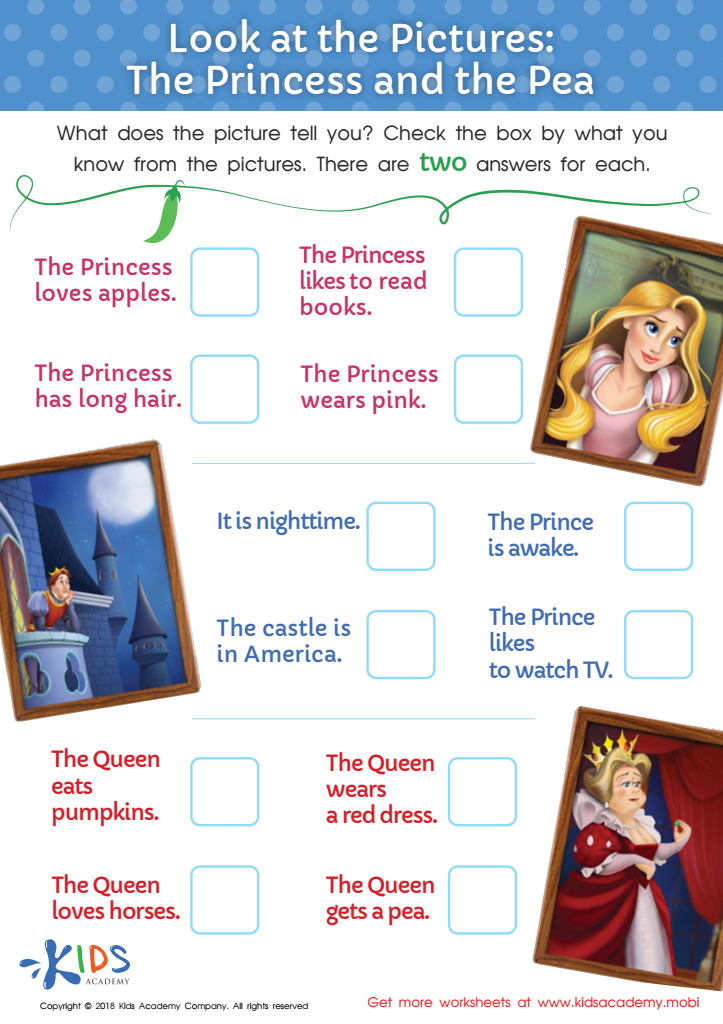
Look at the Pictures: The Princess and the Pea Worksheet
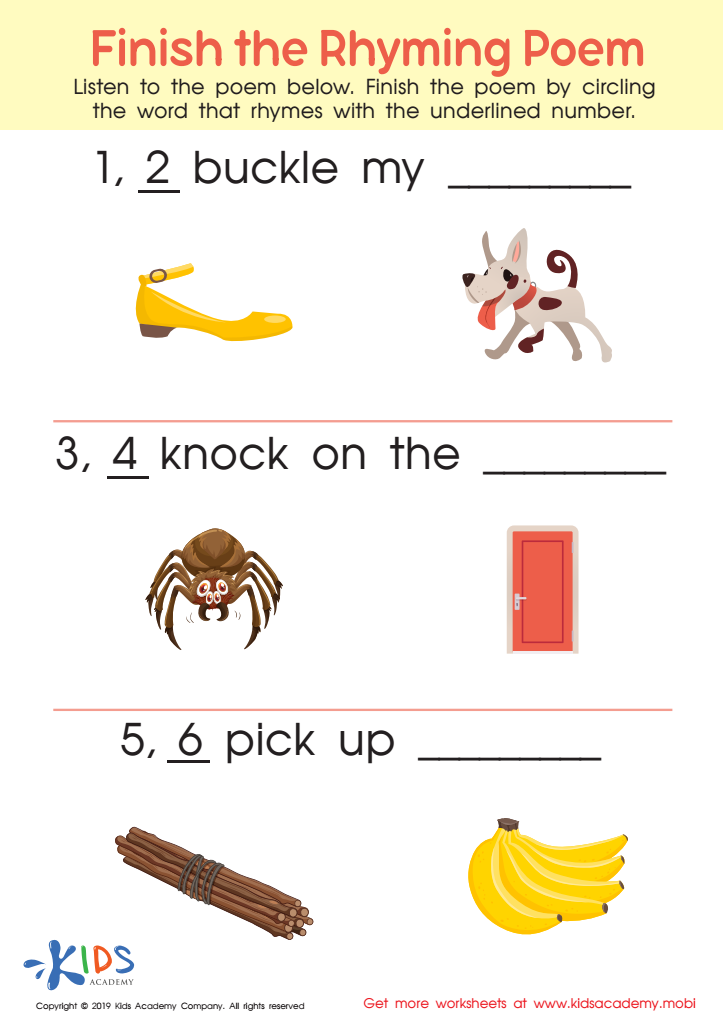
Finish Rhyming Poem Worksheet







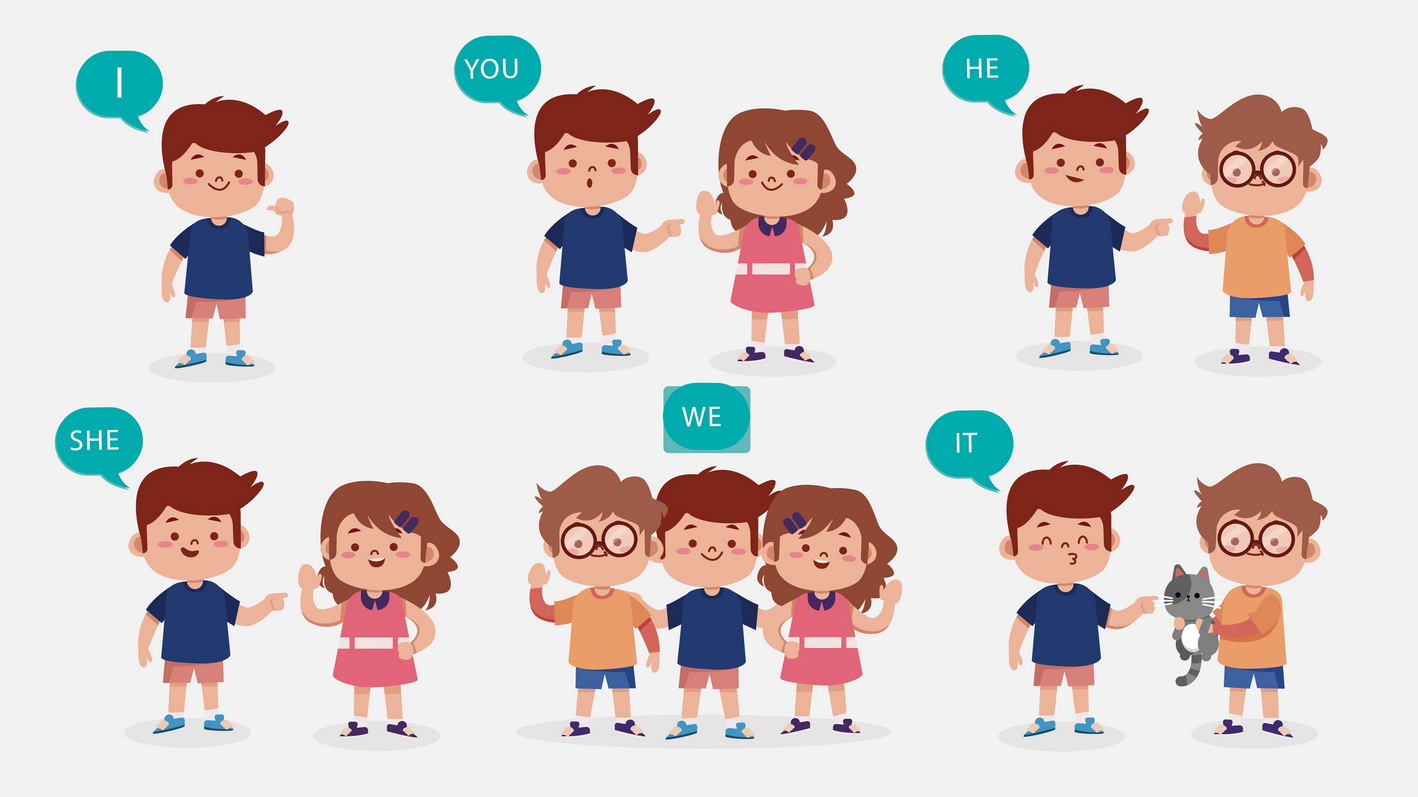
Vocabulary enhancement and normal reading habit development at ages 5-7 are paramount for several reasons. First, strong vocabulary skills serve as the foundation for effective communication. When children learn new words, they improve their ability to express thoughts, emotions, and needs clearly, fostering better relationships and social skills.
Secondly, expanded vocabulary enhances reading comprehension. As children encounter new words in texts, understanding these words allows them to grasp the broader meaning and context of the stories and information they read. This enriches their overall learning experience and fosters a love for reading, which is crucial for lifelong learning.
Early vocabulary and reading skills are also crucial for academic success. Research shows a direct correlation between vocabulary size and academic performance. Children with a robust vocabulary often perform better in reading, writing, and other subjects because they can understand and process curriculum content more efficiently.
Furthermore, vocabulary development boosts cognitive skills like critical thinking and problem-solving. When children know more words, they can think more creatively and approach problems from various angles.
Lastly, early vocabulary and reading skills foster self-confidence. As children master language skills, they feel more competent and motivated to participate in classroom activities, ask questions, and pursue new learning opportunities.
Investing in vocabulary enhancement and reading for young children thus yields long-term educational and personal benefits, making it crucial for parents and teachers to prioritize these areas.








