Vocabulary development Normal Reading Comprehension Worksheets for Ages 5-7
6 filtered results
-
From - To
Enhance your child's reading skills with our "Vocabulary Development Normal Reading Comprehension Worksheets" designed for ages 5-7. These expertly crafted worksheets focus on expanding young readers' vocabulary, essential for improving comprehension and language fluency. Each worksheet incorporates engaging stories and exercises that make learning new words fun and interactive. By challenging students with age-appropriate texts and vocabulary exercises, these worksheets help lay a strong foundation for their literacy journey. Ideal for both classroom use and at-home practice, our resources support parents and teachers in fostering a love of reading and lifelong learning in their children.
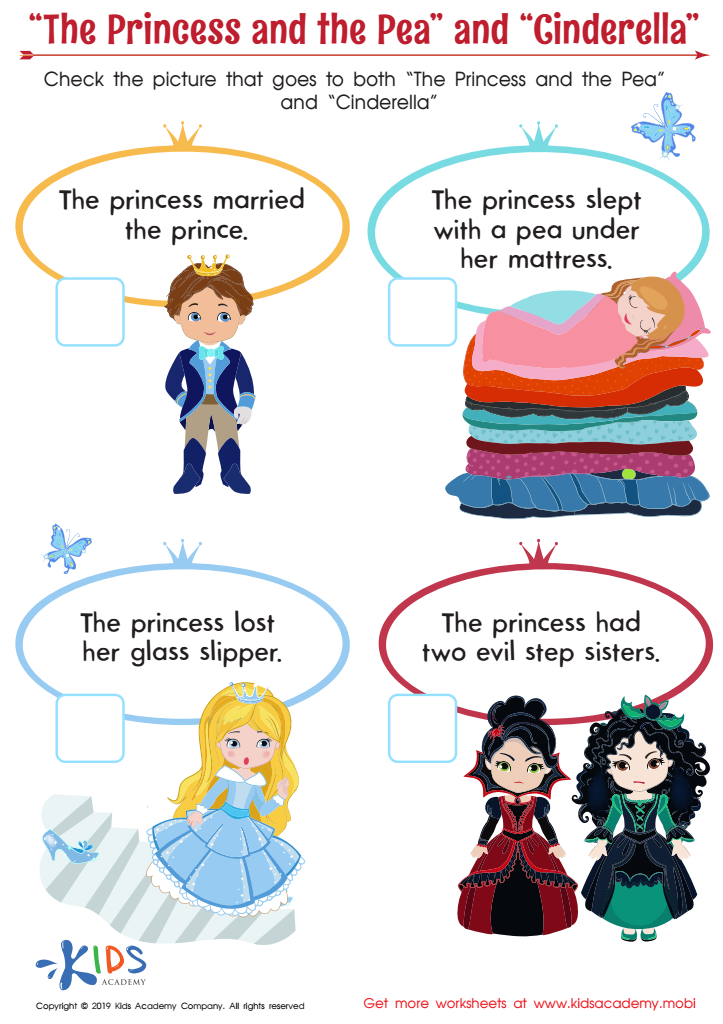
“The Princess and the Pea” and “Cinderella” Worksheet
 Assign to My Students
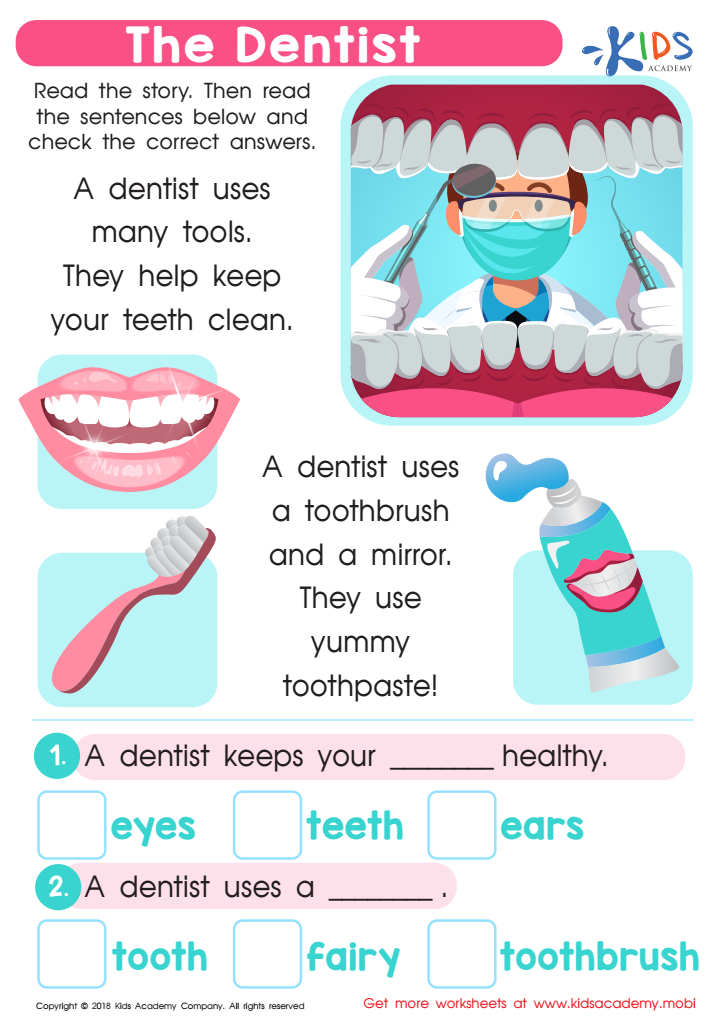
The Dentist Worksheet
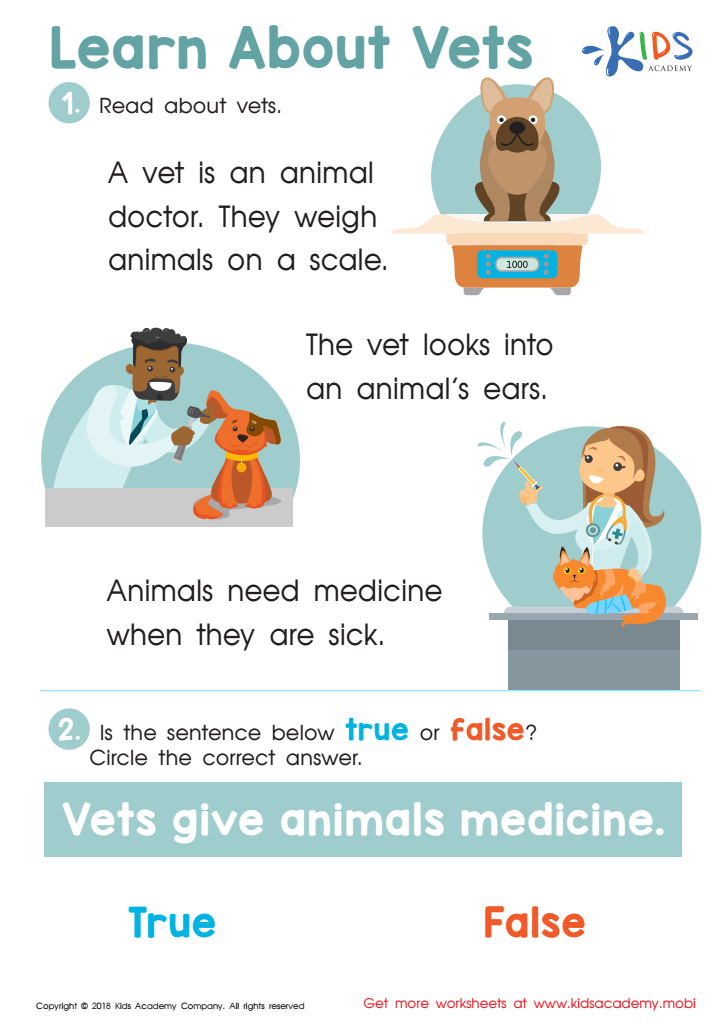
Learn About Vets Worksheet
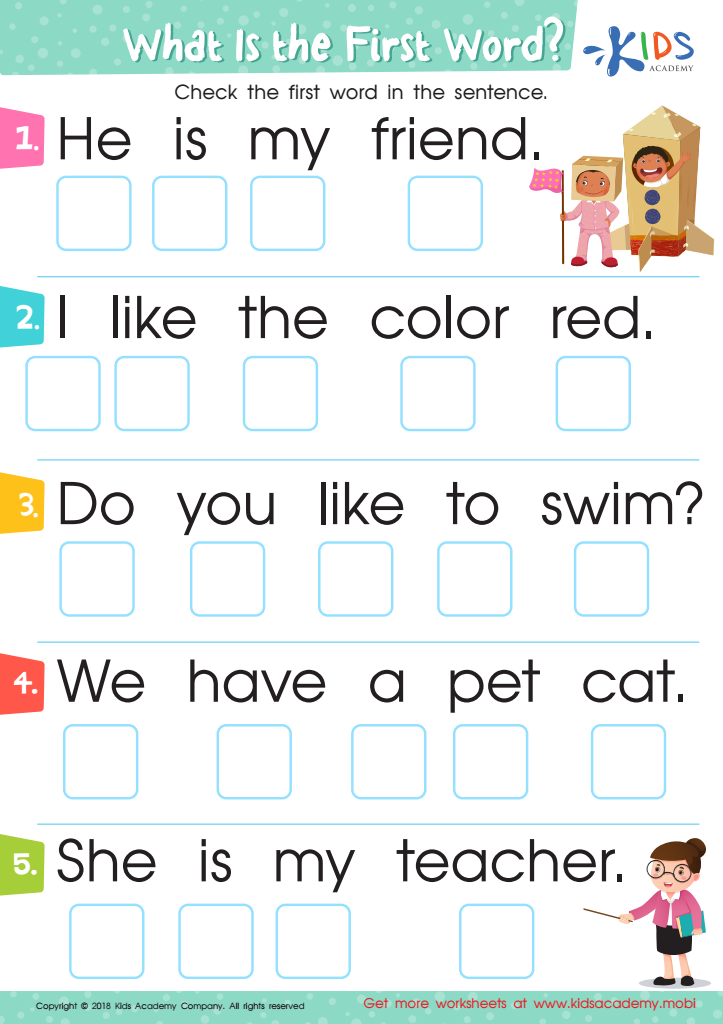
What is the First Word? Worksheet
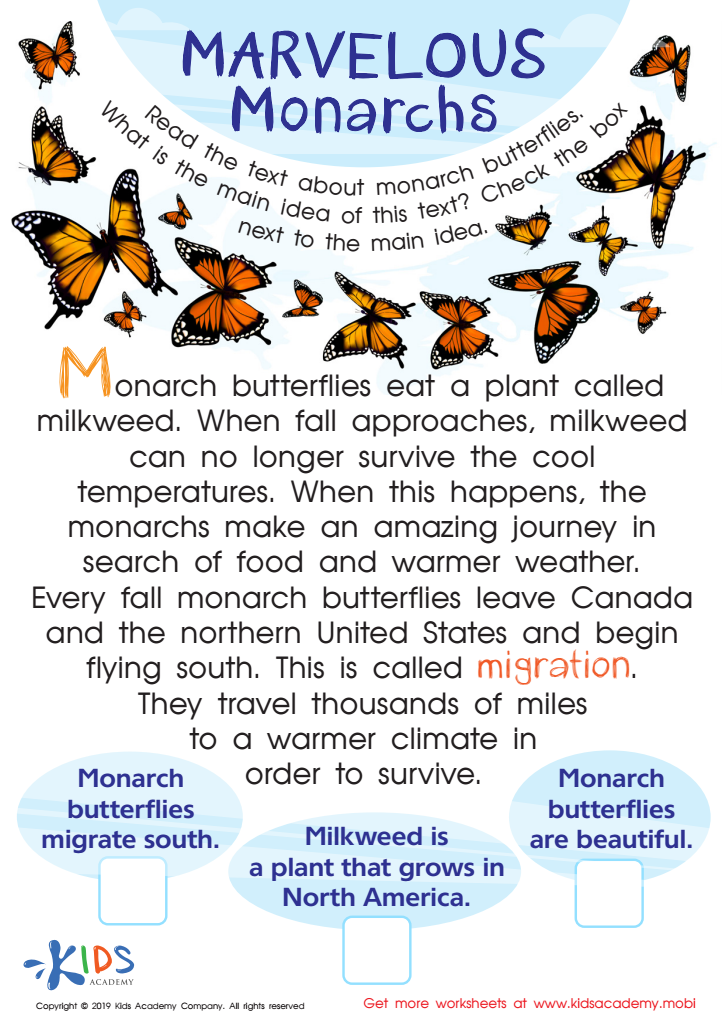
Marvelous Monarchs Worksheet
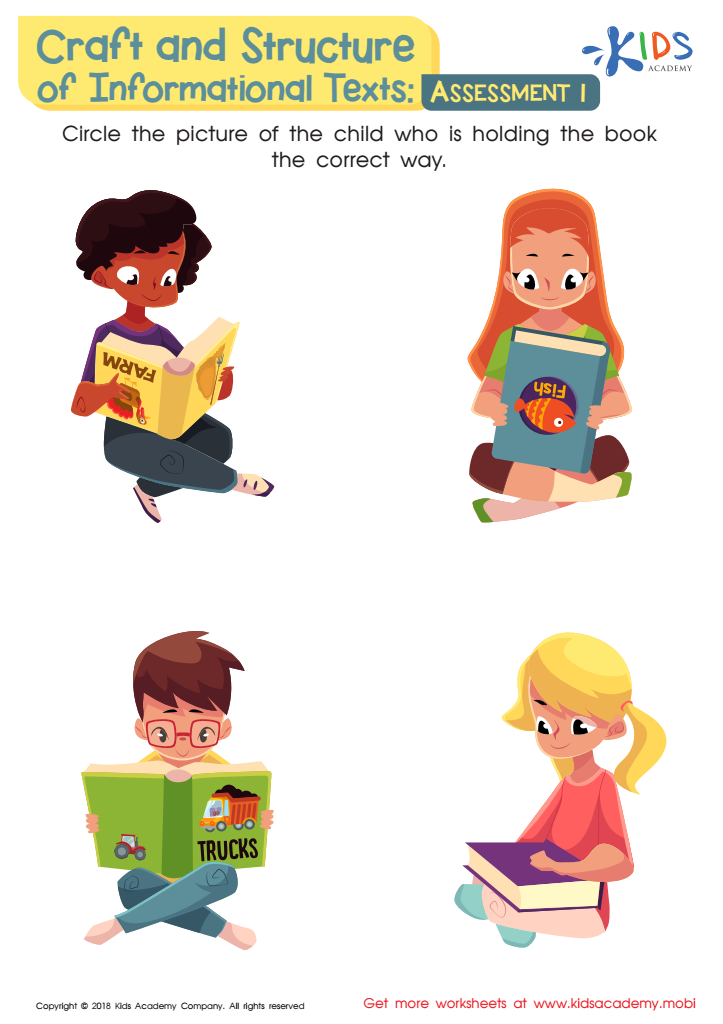
Craft and Structure of Informational Texts: Assessment 1 Worksheet








Parents and teachers play a crucial role in supporting vocabulary development and reading comprehension for children aged 5-7, as these years are formative for literacy skills.
Firstly, vocabulary development is a cornerstone of language and cognitive development. Rich language exposure helps children understand and communicate their thoughts effectively. Research shows that children with robust vocabularies perform better academically because they can understand instructions, process information, and engage more deeply in learning activities. A strong vocabulary also enhances social interactions and boosts self-confidence, making children more willing to participate in conversations and collaborative tasks.
Reading comprehension is equally vital. At ages 5-7, children transition from recognizing words to reading for meaning. Good comprehension skills allow them to decode new information, make inferences, and understand context. When children comprehend what they read, they're more likely to enjoy it, fostering a lifelong love for learning. They develop critical thinking skills and can apply their knowledge across different subjects, setting a foundation for future educational success.
Therefore, parents and teachers should care about these aspects as they nurture well-rounded, thoughtful individuals prepared for more complex academic challenges. Supporting vocabulary and reading comprehension in early childhood can yield long-term benefits, cultivating inquisitive, articulate, and confident learners.








