Critical Thinking Normal Reading Fiction Worksheets for Ages 5-7 - Page 2
30 filtered results
-
From - To
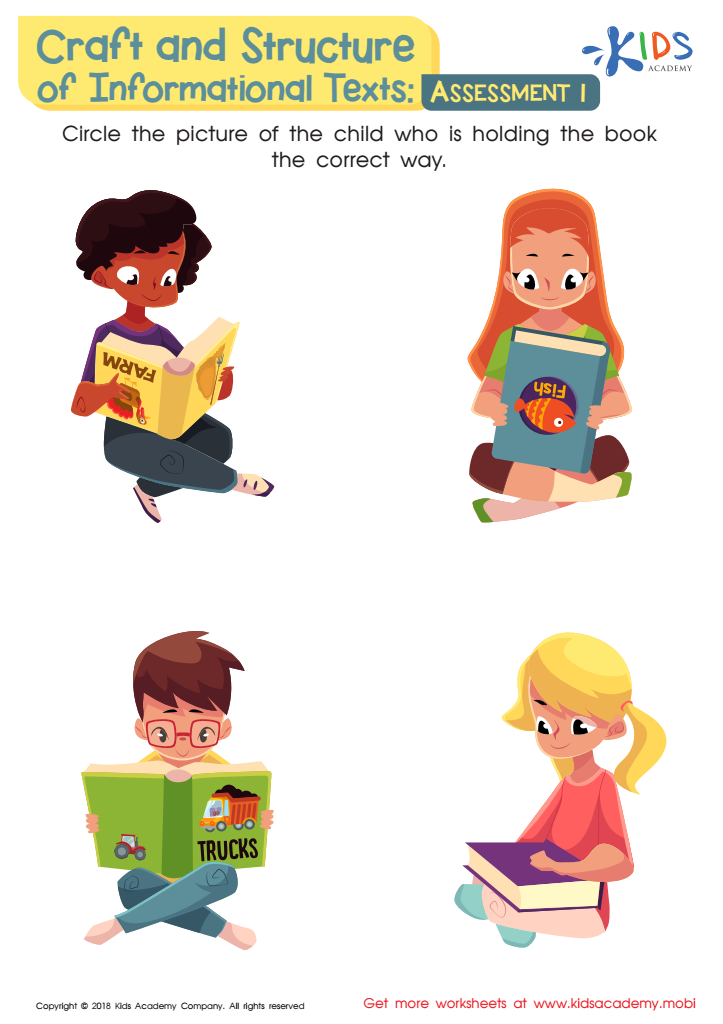
Craft and Structure of Informational Texts: Assessment 1 Worksheet
 Assign to My Students
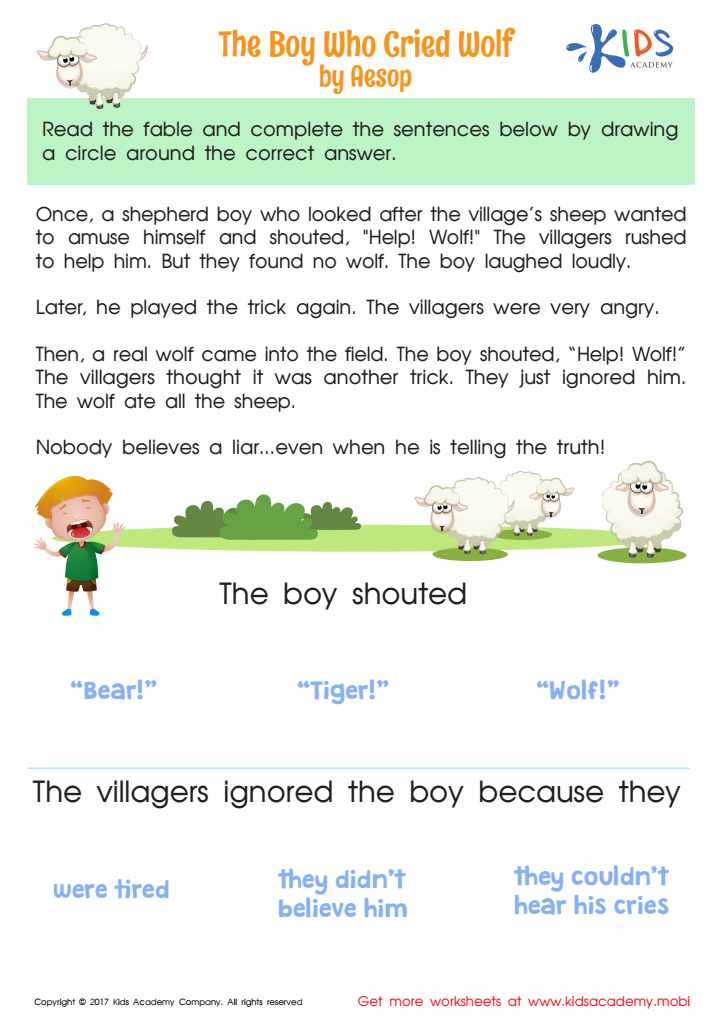
The Boy Who Cried Wolf Worksheet
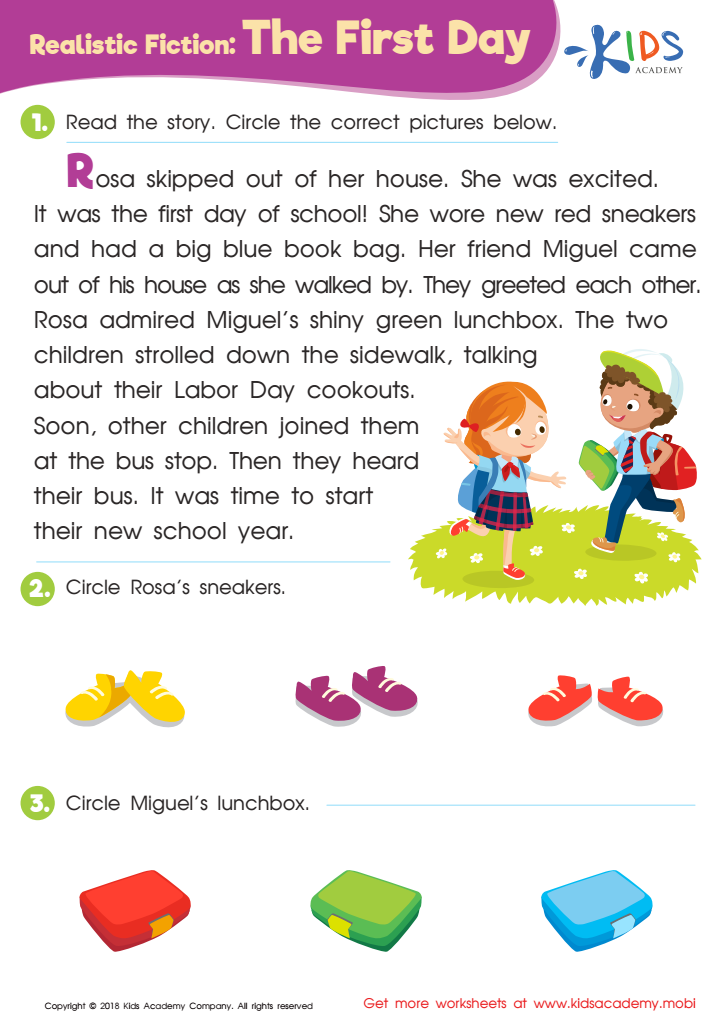
Realistic Fiction: The First Day Worksheet
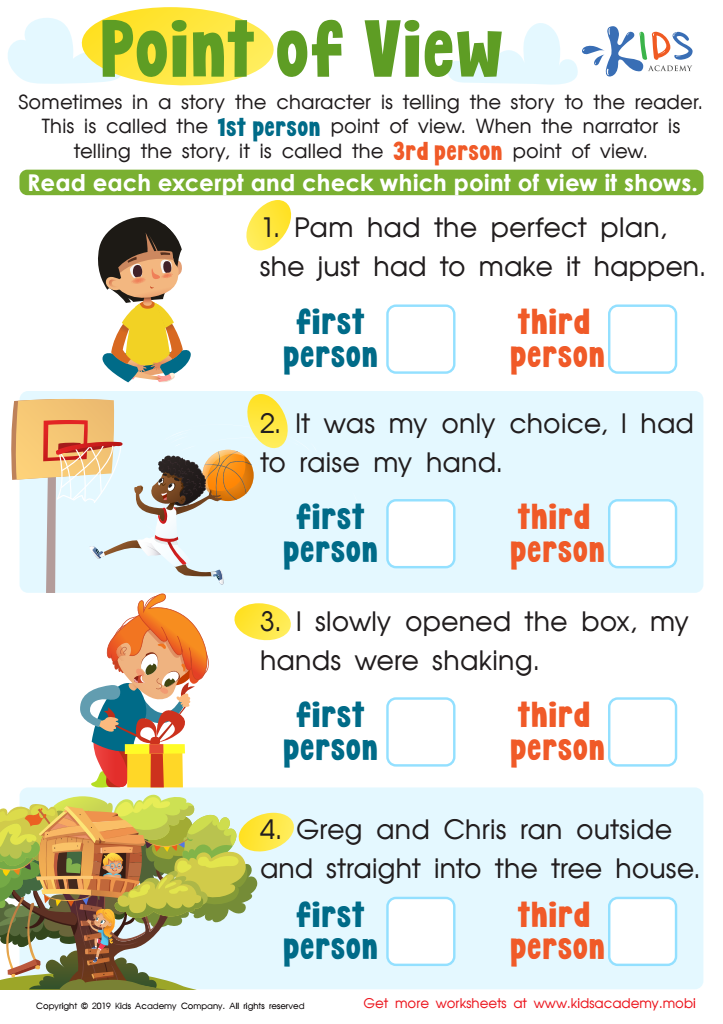
Point of View Printable
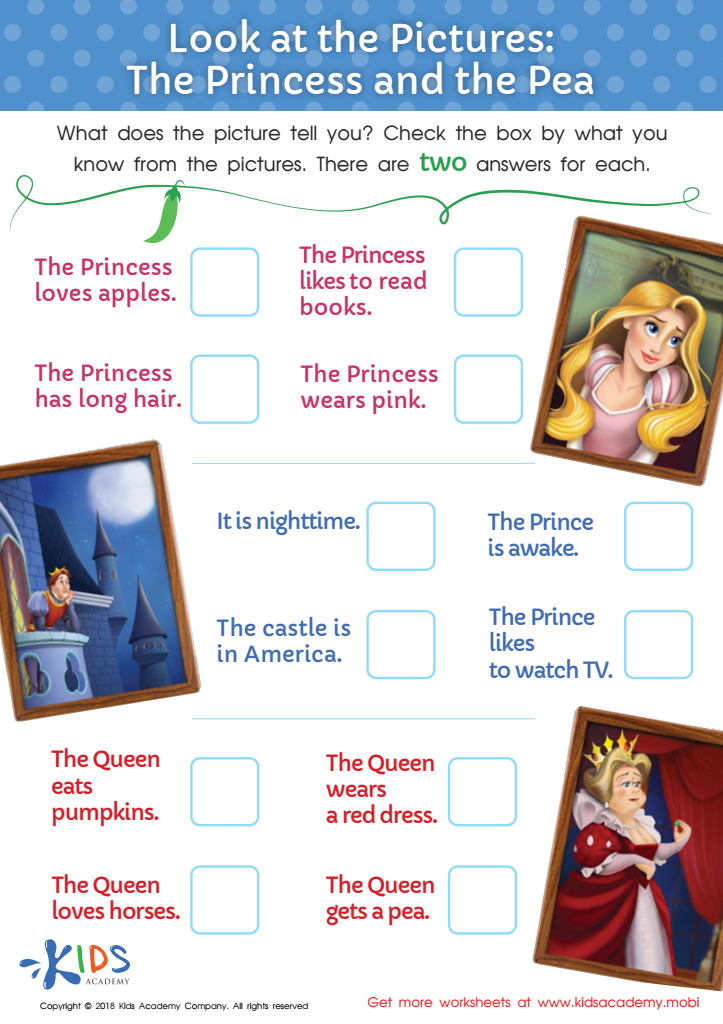
Look at the Pictures: The Princess and the Pea Worksheet
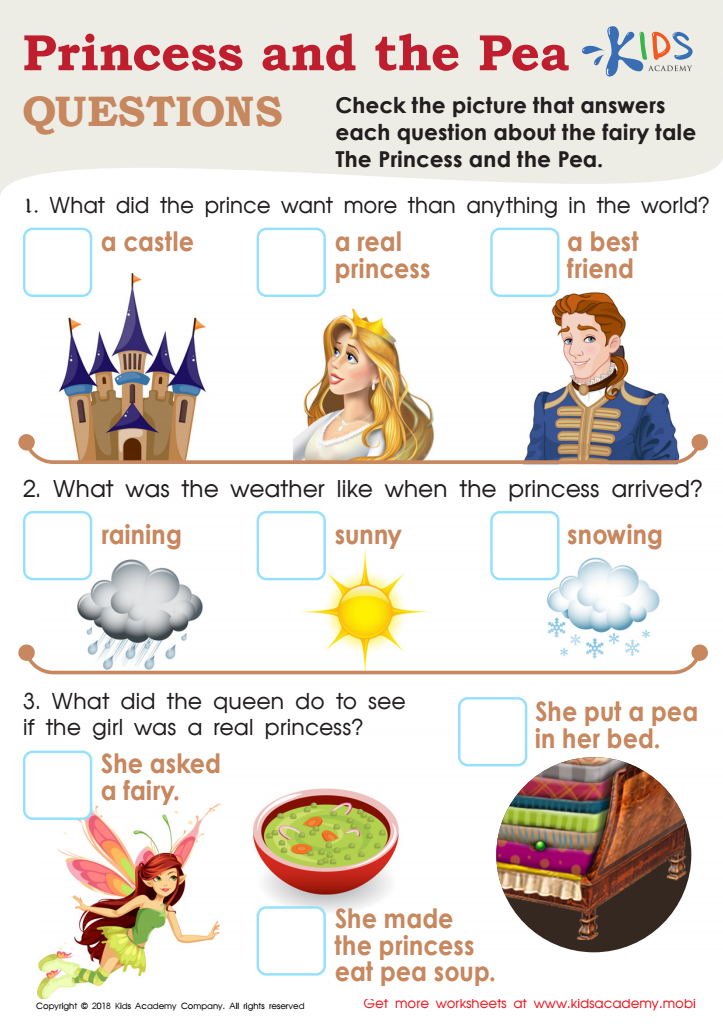
Princess and the Pea Questions Worksheet








Critical thinking is an essential skill that supports children's development in various areas, especially during the influential ages of 5 to 7. When integrating critical thinking into normal reading of fiction, parents and teachers foster analytical skills and creativity among young readers.
Reading fiction exposes children to diverse perspectives, complex characters, and moral dilemmas, prompting them to question motives and consequences. Engaging with these stories helps children learn to infer, predict outcomes, and evaluate characters' actions, nurturing their ability to think critically.
Moreover, discussions surrounding the narratives can encourage children to express their opinions and justify their reasoning, cultivating confidence and communication skills. By analyzing stories together, parents and teachers can model critical thinking methods, reinforcing their own understanding of the process.
The ability to think critically at a young age develops resilience, as children learn to consider alternatives and navigate problems. This foundational skill not only enhances academic success but also prepares children for lifelong learning and informed decision-making.
In summary, prioritizing critical thinking in fictional readings equips children with the necessary tools for understanding themselves and the world, laying the groundwork for thoughtful, engaged citizenship in the future.







