Categorizing objects Normal Science Worksheets for Ages 5-7
4 filtered results
-
From - To
Discover our engaging "Categorizing Objects Normal Science Worksheets" designed for children ages 5-7! These interactive worksheets are perfect for helping young learners explore and understand the concept of classification. Through fun and colorful activities, kids will categorize various objects based on attributes like shape, color, and size. This foundational skill supports critical thinking and observation, enhancing their overall educational development. Ideal for both classroom use and home learning, our worksheets promote hands-on experimentation and key science vocabulary, instilling a love for discovery in every child. Download and watch your little one's learning journey unfold as they categorize and classify the world around them!
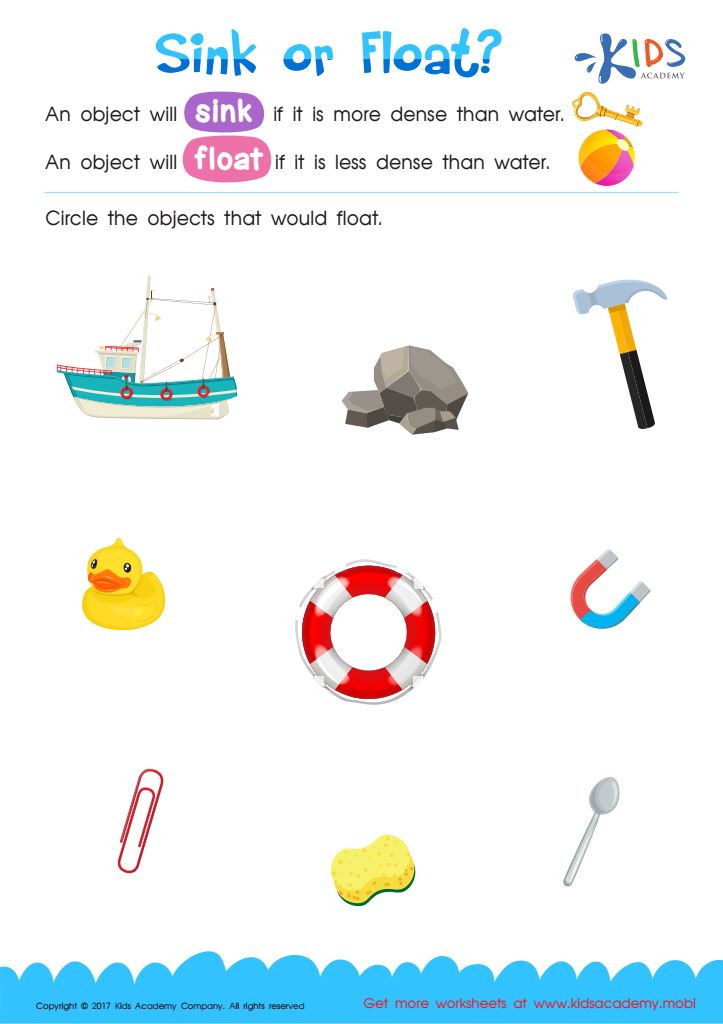
Sink or Float Printable
 Assign to My Students
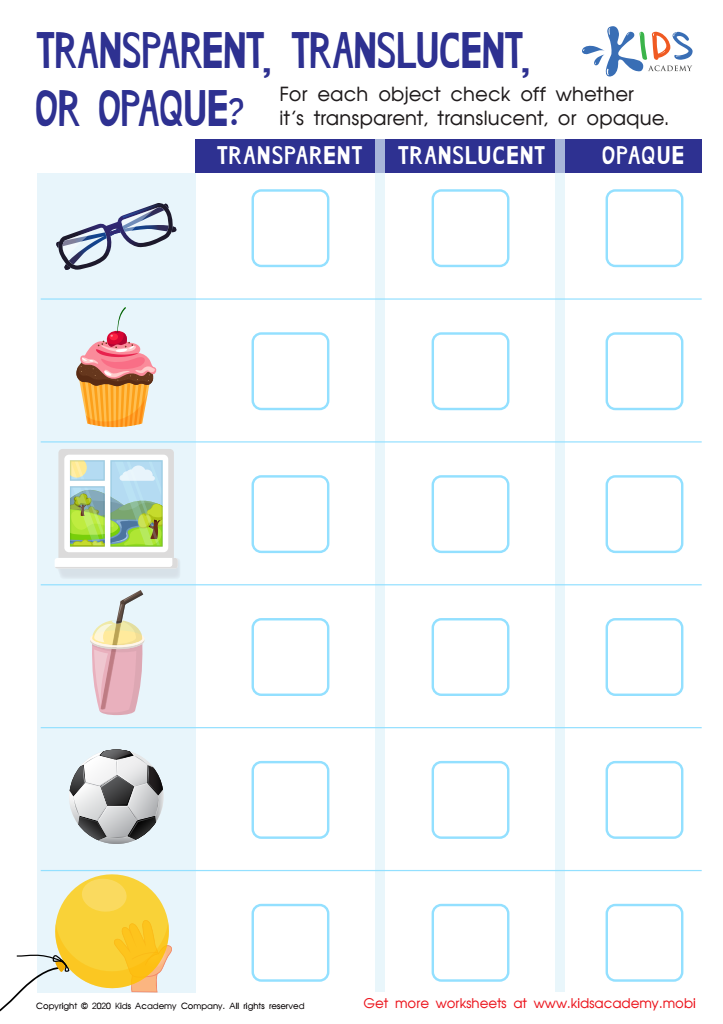
Transparent, Translucent, or Opaque Worksheet
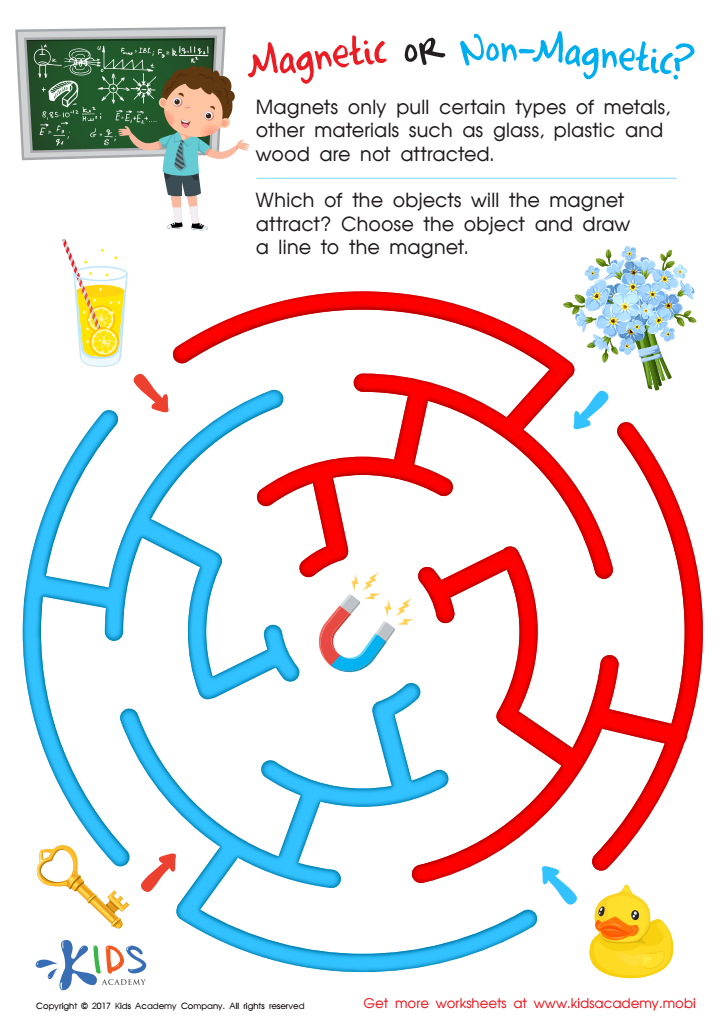
Magnetic or Non–Magnetic Worksheet
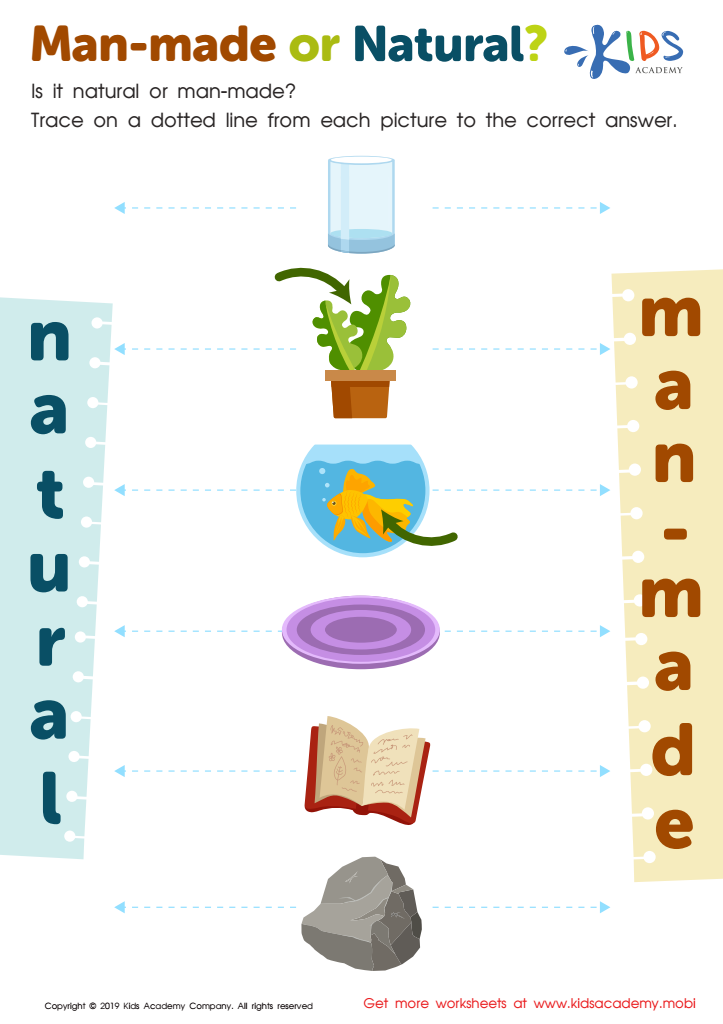
Man-Made or Natural? Worksheet






Categorizing objects is an essential aspect of early childhood education and development, particularly for children ages 5-7. During this stage, children are naturally curious and eager to make sense of their surroundings. Categorization helps them to organize their knowledge, enhancing their observational and analytical skills. By grouping objects based on shared characteristics such as size, color, shape, or function, children learn to recognize patterns and relationships, which is a foundational skill in both mathematics and science.
Additionally, engaging in categorization activities fosters critical thinking and problem-solving skills. Children learn to identify similarities and differences, which lays the groundwork for more complex reasoning later on. For parents and teachers, supporting categorization through everyday activities—like sorting toys or classifying animals—opens pathways for discussions about the natural world and facilitates language development as children describe and explain their choices.
Furthermore, categorizing helps boost confidence and independence. When children successfully identify and sort objects, they gain a sense of accomplishment, encouraging their desire to explore and learn further. Overall, understanding categorization in normal science inspires a love for learning and equips young learners with the cognitive tools they need for future academic success.







