Vocabulary enhancement Normal Science Worksheets for Ages 5-7 - Page 2
33 filtered results
-
From - To
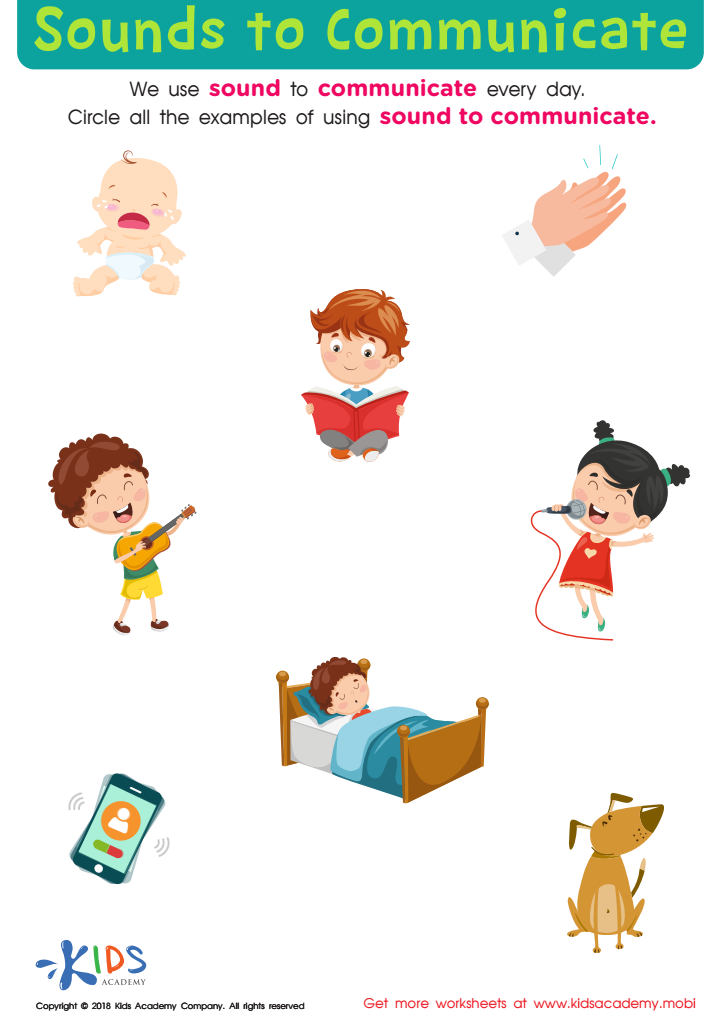
Sounds to Communicate Worksheet
 Assign to My Students
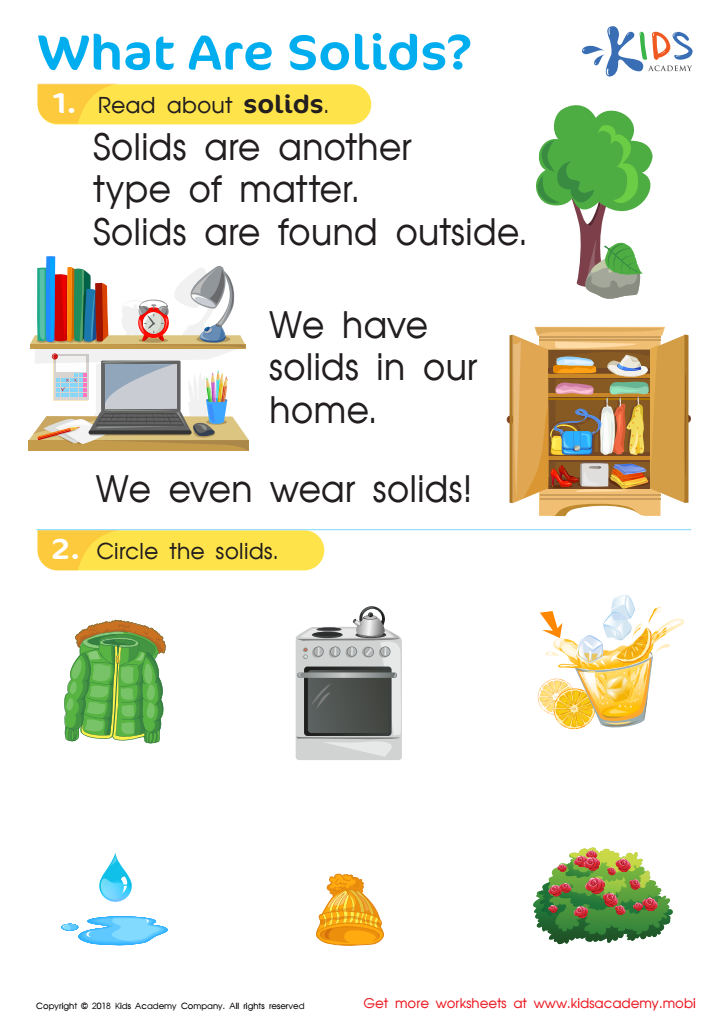
What Are Solids? Worksheet
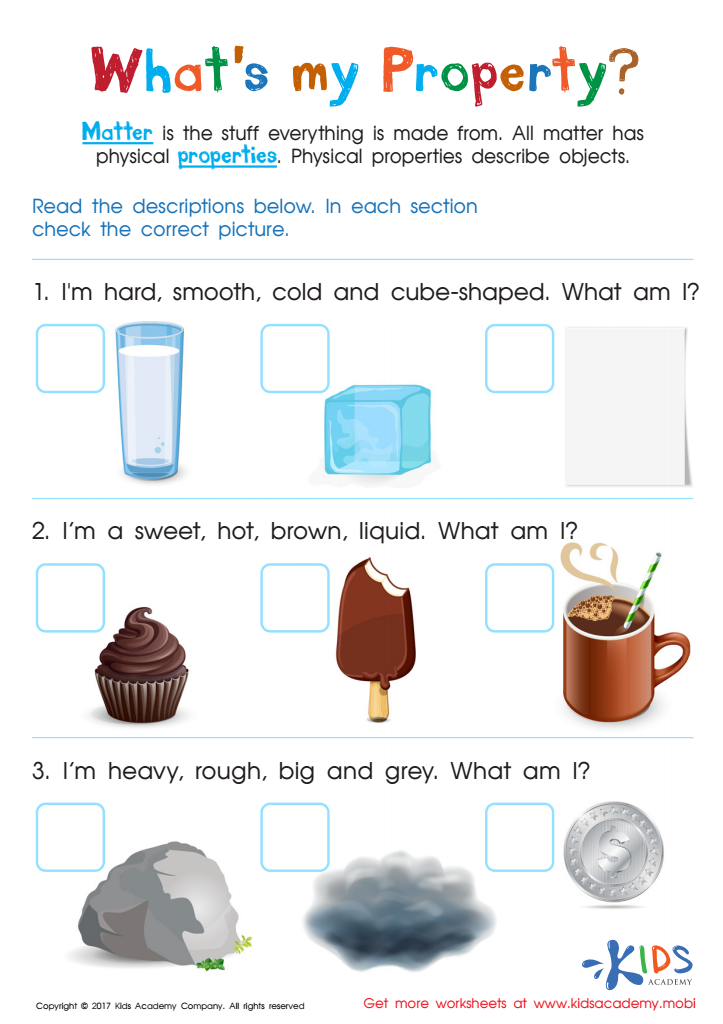
Physical Properties Of Matter Worksheet
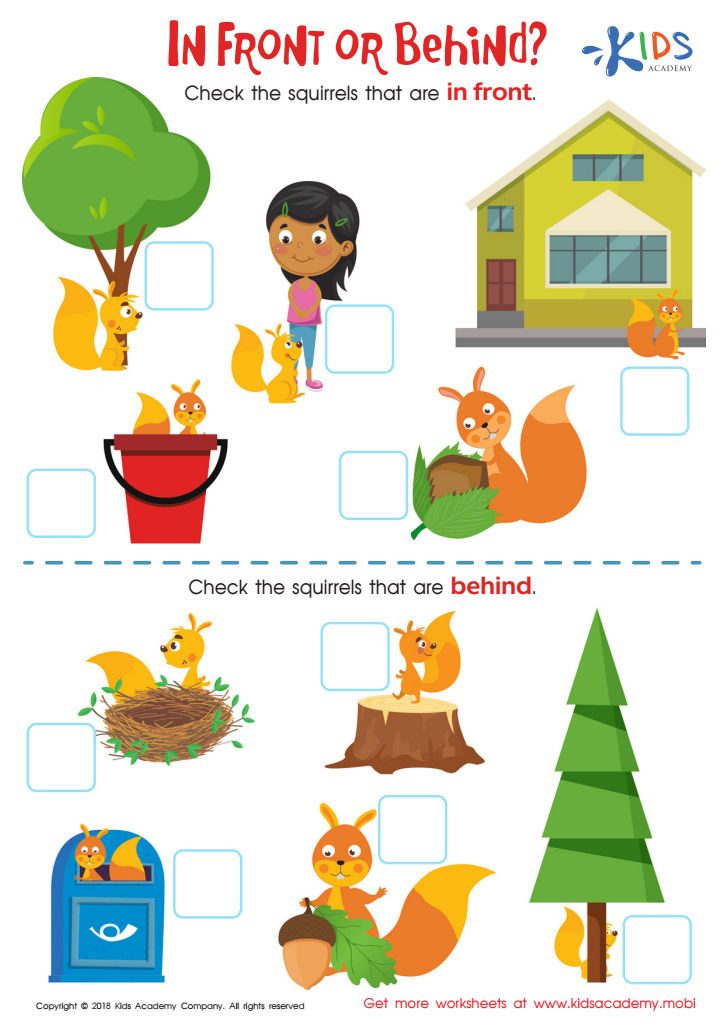
In Front or Behind: Part 2 Worksheet
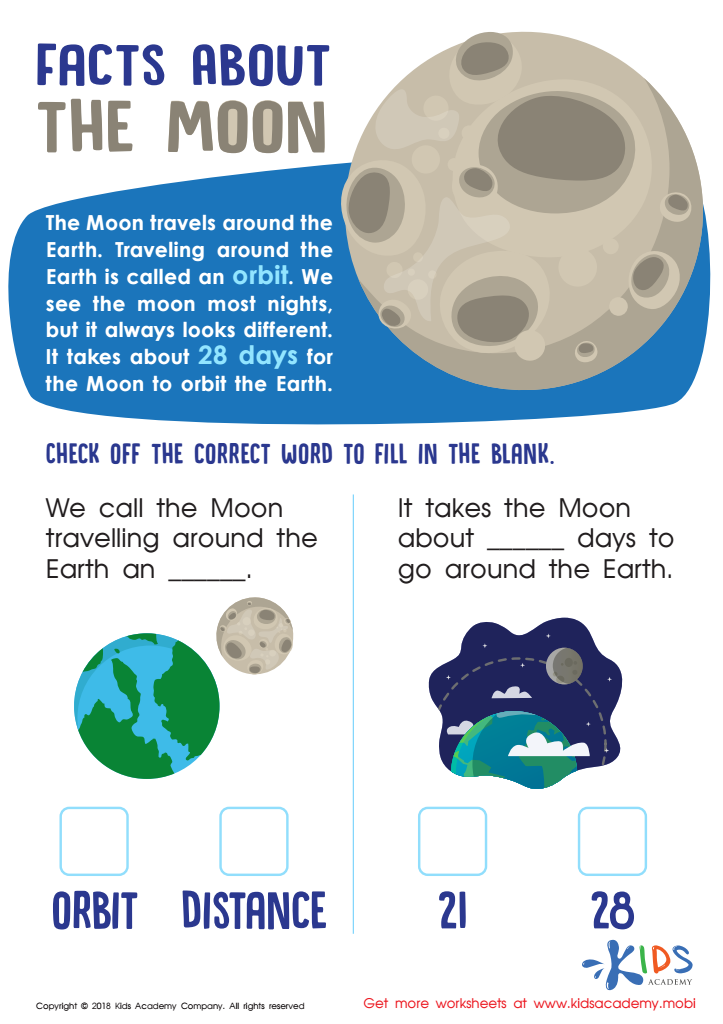
Facts About the Moon Worksheet
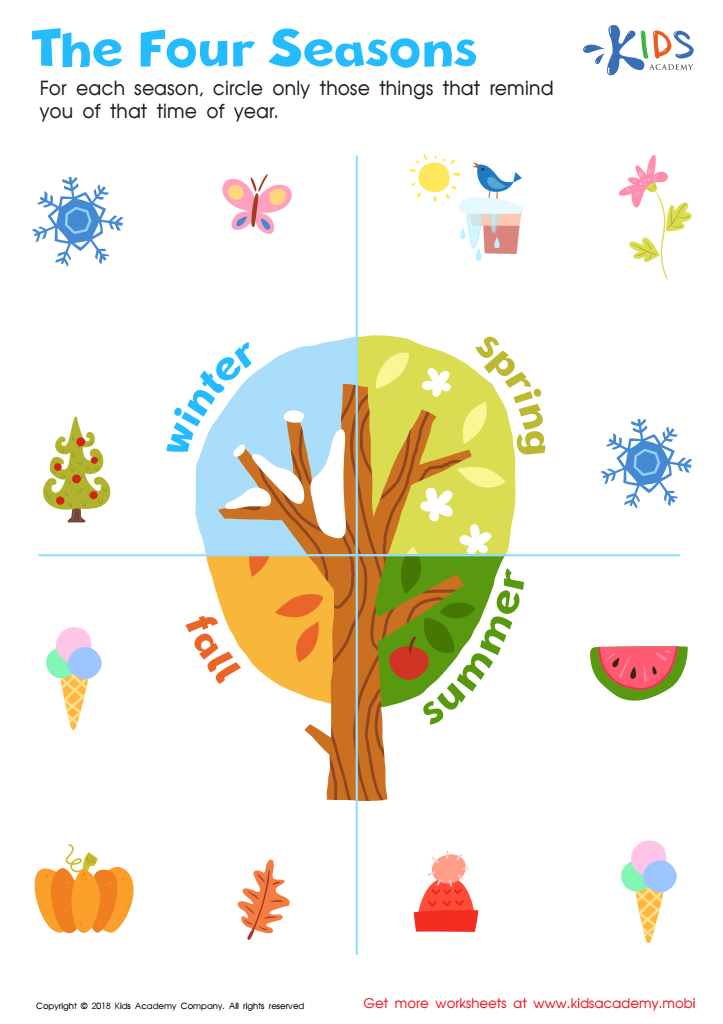
The Four Seasons Worksheet
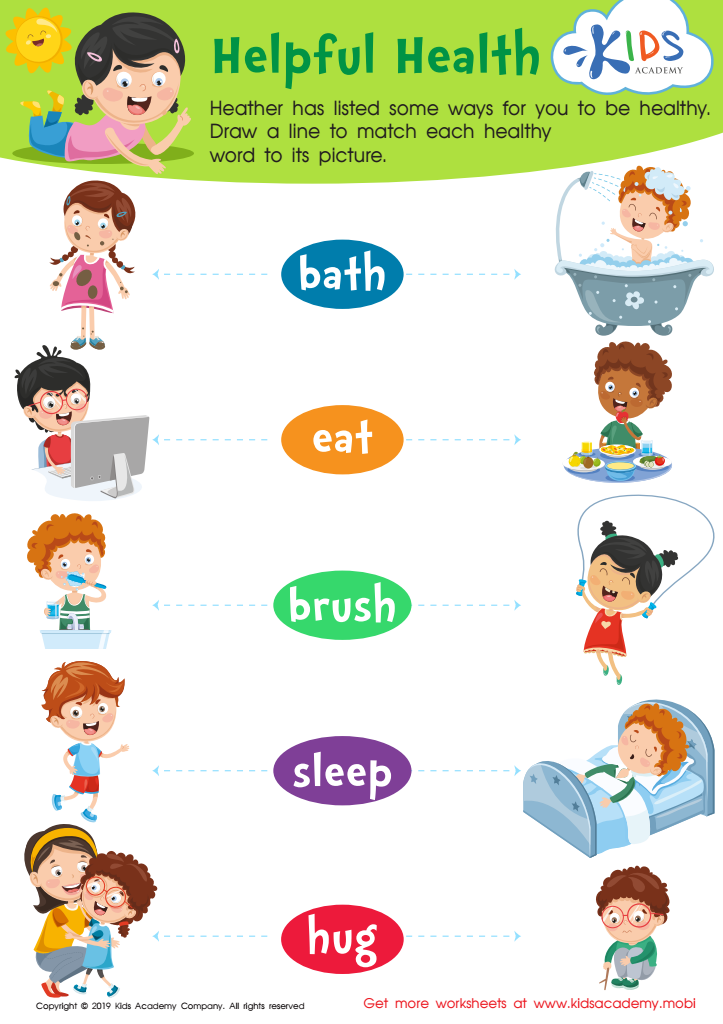
Helpful Health Worksheet
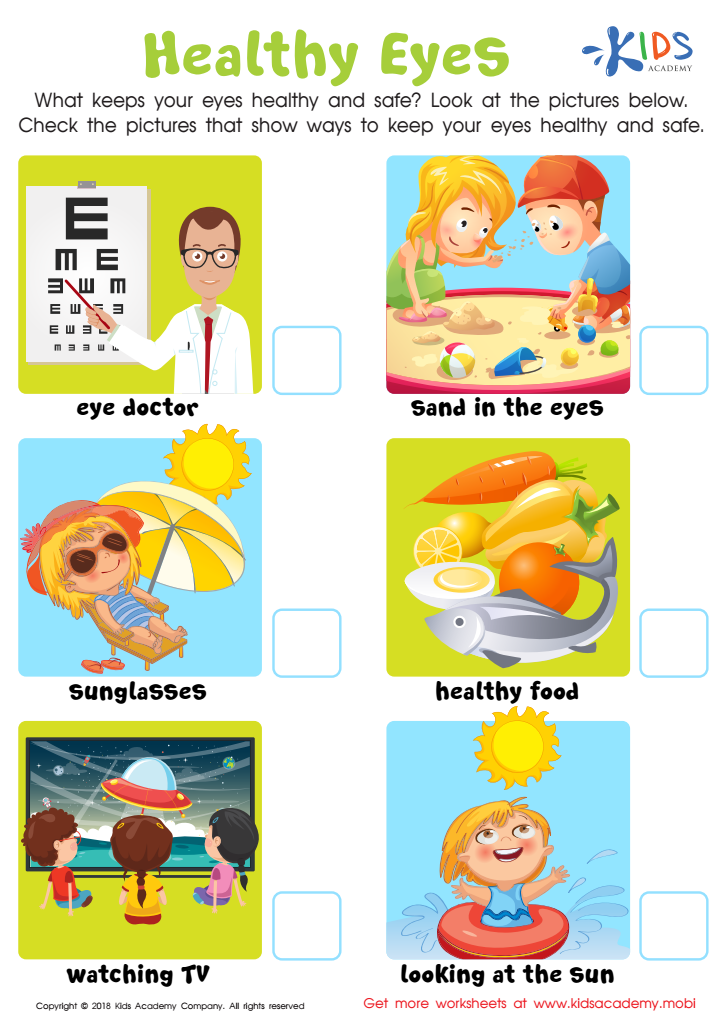
Healthy Eyes Worksheet







Vocabulary enhancement in science for children aged 5-7 is crucial for their cognitive, language, and social development. At this age, children are naturally curious, and nurturing that curiosity through rich scientific vocabulary can deepen their understanding of the world around them. A strong vocabulary allows young learners to articulate their thoughts, ask meaningful questions, and engage in scientific exploration.
Introducing science vocabulary helps children connect their prior knowledge with new concepts, fostering better comprehension. Words like "experiment," "habitat," or "roots" become tools for them to describe observations, share ideas, and collaborate with peers. This enhances not only their academic skills but also boosts their confidence and communication abilities.
Moreover, early exposure to specialized vocabulary creates a foundation for future learning. Children with robust language skills are better prepared for more complex subjects in later grades, seamlessly transitioning from basic concepts to advanced topics.
Furthermore, caregivers and educators play a pivotal role in creating an environment rich in vocabulary through interactive discussions, hands-on activities, and storytelling related to science. By prioritizing vocabulary enhancement, parents and teachers equip children with the necessary skills to thrive academically and socially, in both scientific contexts and everyday life.







