Enhancing reading skills Normal Our Planet and Environment Worksheets for Ages 5-7
3 filtered results
-
From - To
Discover our "Enhancing Reading Skills: Our Planet and Environment Worksheets" designed for children ages 5-7. These engaging, age-appropriate worksheets help young learners develop essential reading skills through fun and interactive activities focused on the environment. Each worksheet features captivating content about our planet, encouraging curiosity while promoting literacy. Activities include reading comprehension exercises, vocabulary building, and visual aids that make learning enjoyable. Ideal for both classroom and home use, these resources support early education by fostering a love for reading while teaching important environmental themes. Inspire your child's journey to literacy today with our creative and informative worksheets!
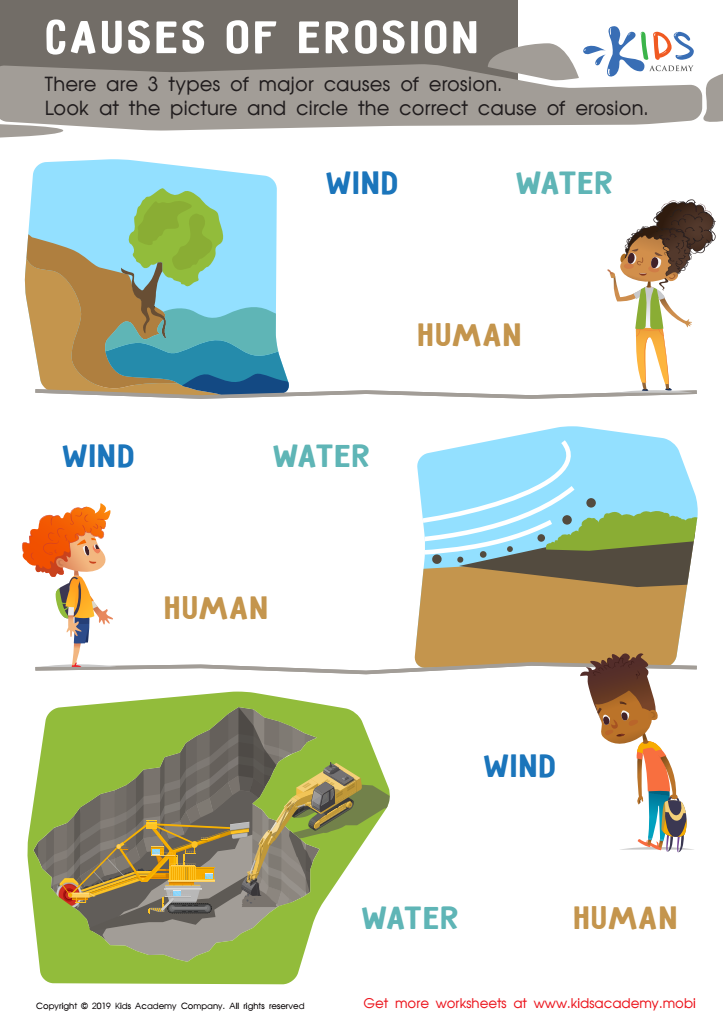
Causes of Erosion Worksheet
 Assign to My Students
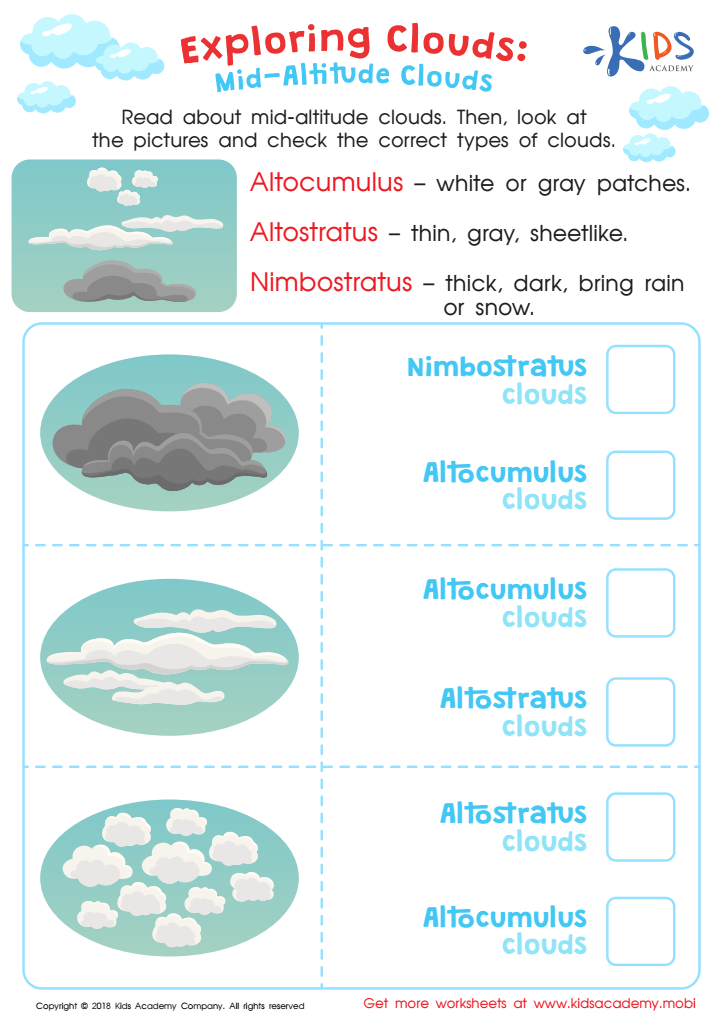
Exploring Clouds: Mid-altitude Clouds Worksheet
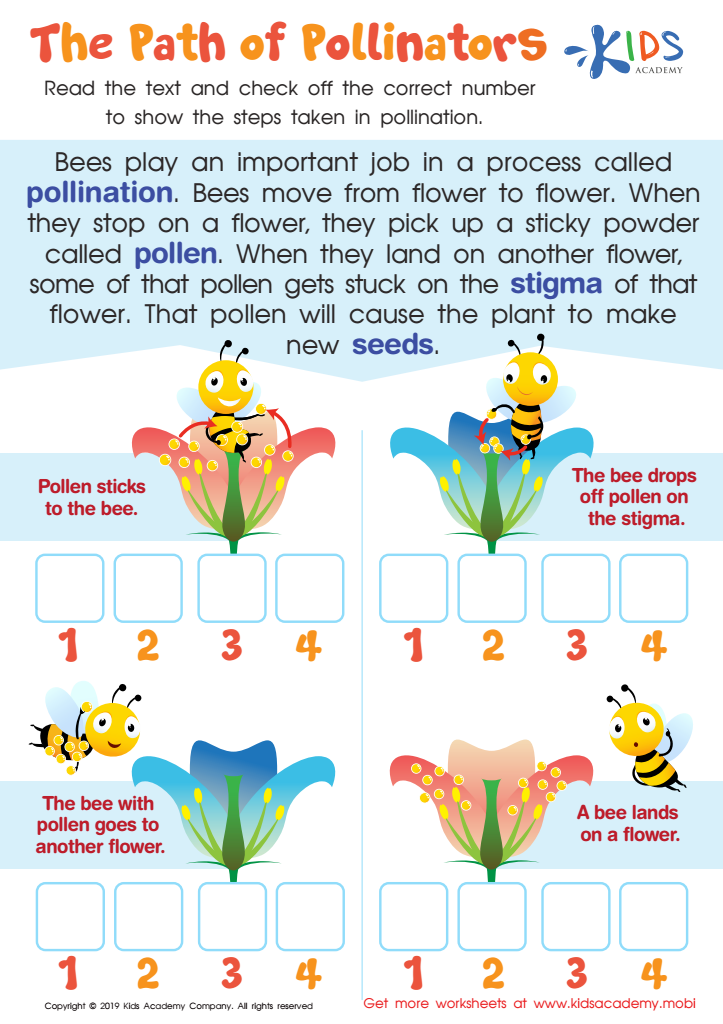
The Path of Pollinators Worksheet




Enhancing reading skills in children aged 5-7 is essential for their overall development and understanding of critical topics like our planet and environment. At this age, children are incredibly curious and naturally inclined to learn about their surroundings. By focusing on reading materials that touch on environmental themes, we can foster a sense of wonder and responsibility toward the world around them.
Good reading skills provide a foundation for academic success. When children can comprehend texts about nature, climate change, and sustainability, they develop not just their literacy but also critical thinking skills. Additionally, engaging with these themes helps them build a moral connection to the environment, instilling values of conservation and ecology early on.
For parents and teachers, promoting reading about our planet opens opportunities for discussions and activities that echo environmental awareness in practical ways. It encourages children to ask questions, express their thoughts, and foster empathy for living things. Creating a sense of agency in young learners empowers them to think of solutions and contribute positively to their communities. In a time when global environmental issues are pressing, equipping children with the knowledge and skills to engage with these topics is a critical responsibility for caregivers and educators alike.







