Understanding pollination Normal Plants and Animals Worksheets for Ages 5-7
3 filtered results
-
From - To
Dive into the fascinating world of pollination with our "Understanding Pollination: Normal Plants and Animals Worksheets for Ages 5-7." These worksheets are designed to explain the essential role of pollination in nature, tailored especially for young learners. Engaging activities and illustrations make complex concepts simple and fun, helping kids grasp why pollinators like bees, butterflies, and birds are vital for plants. Perfect for early grade students, these educational tools encourage a love for science and an appreciation for the natural world, promoting critical thinking and observational skills. Cultivate curiosity with our kid-friendly, educational resources!
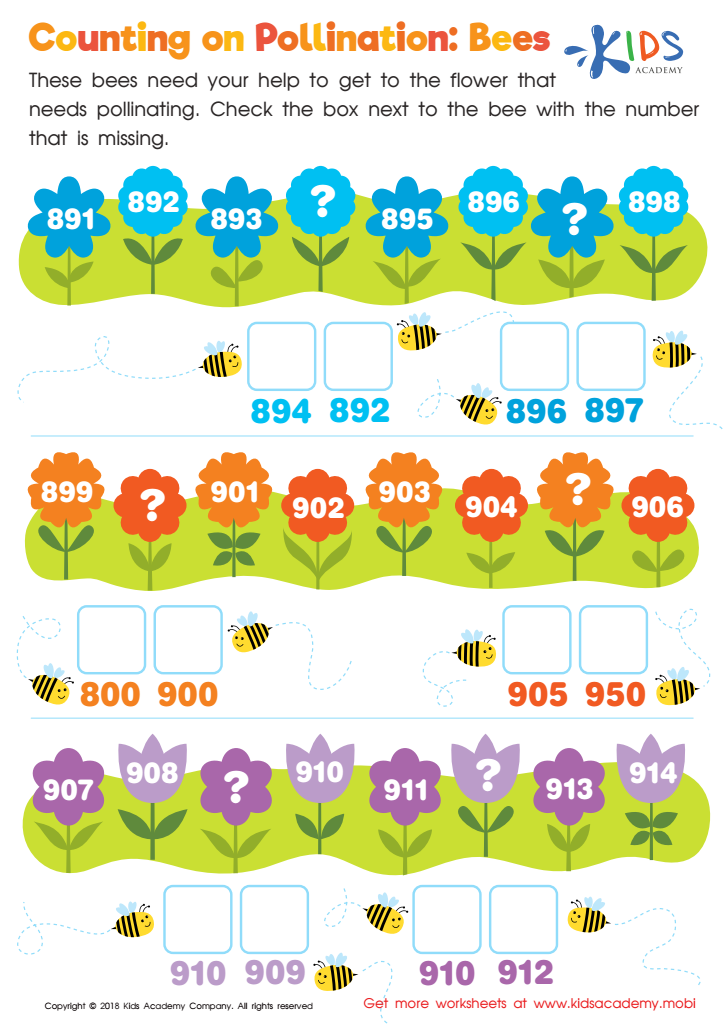
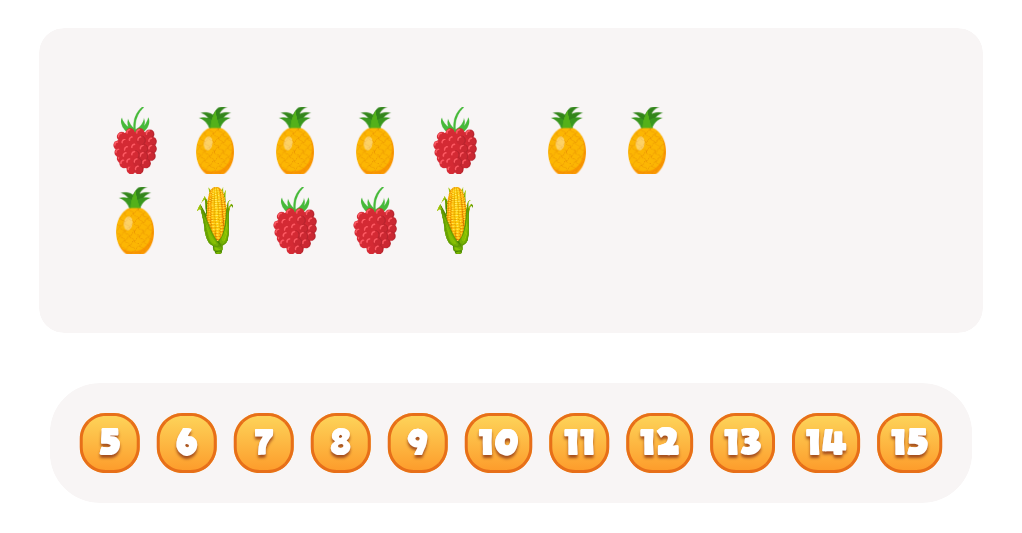
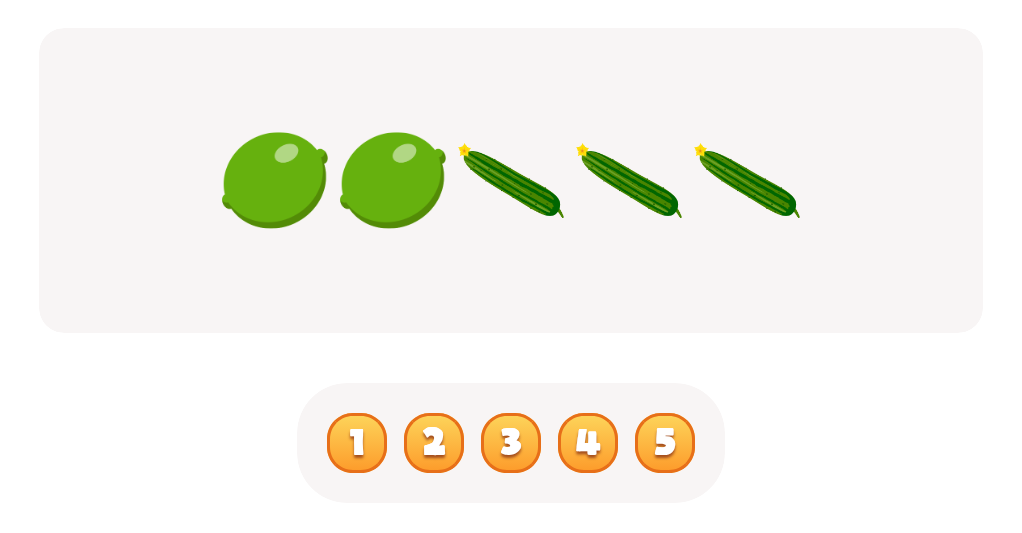
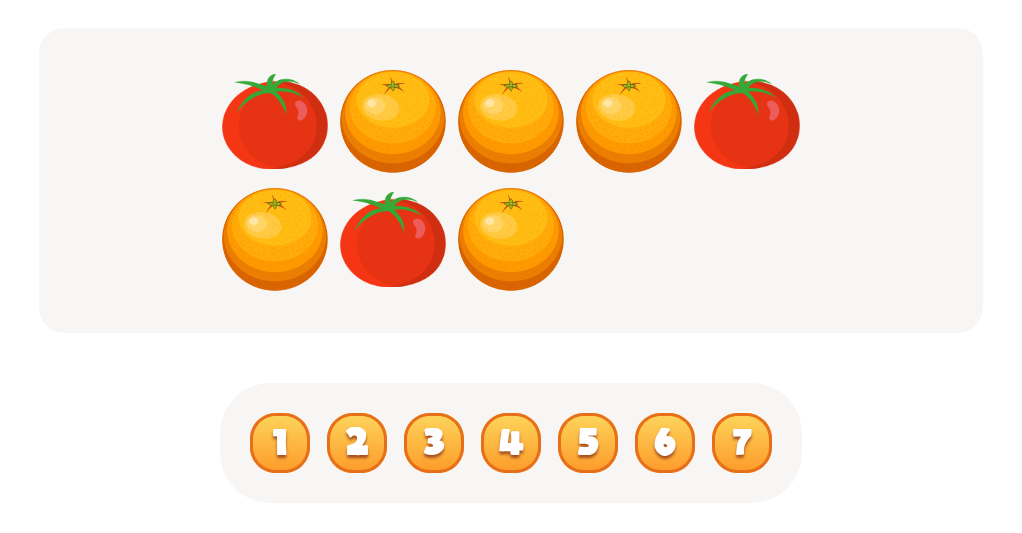
Counting on Pollination: Bees Worksheet
 Assign to My Students
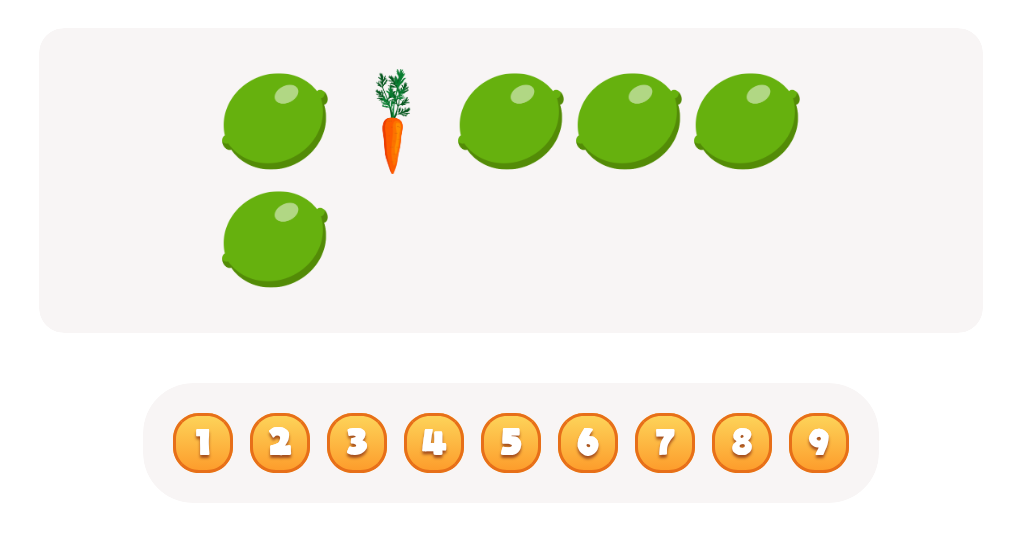

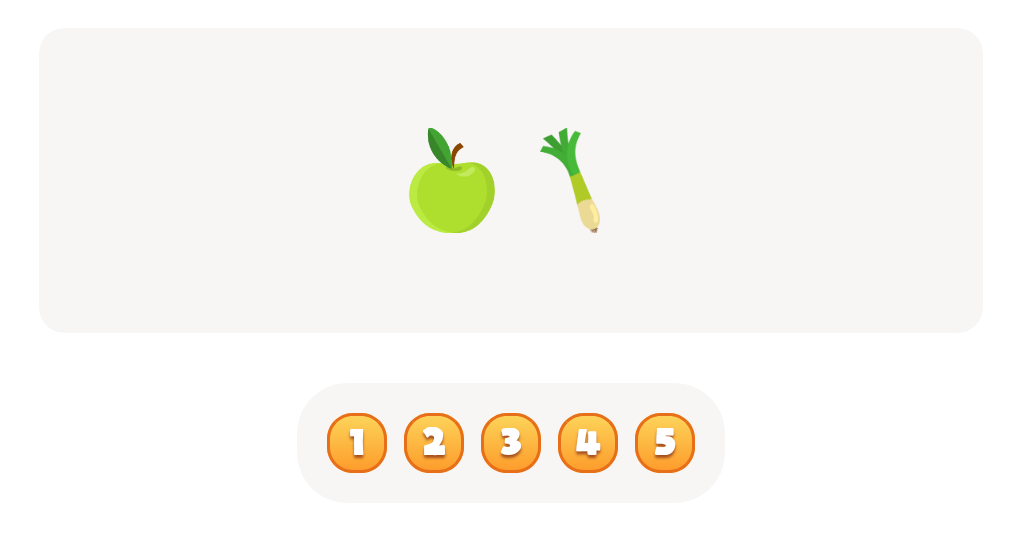
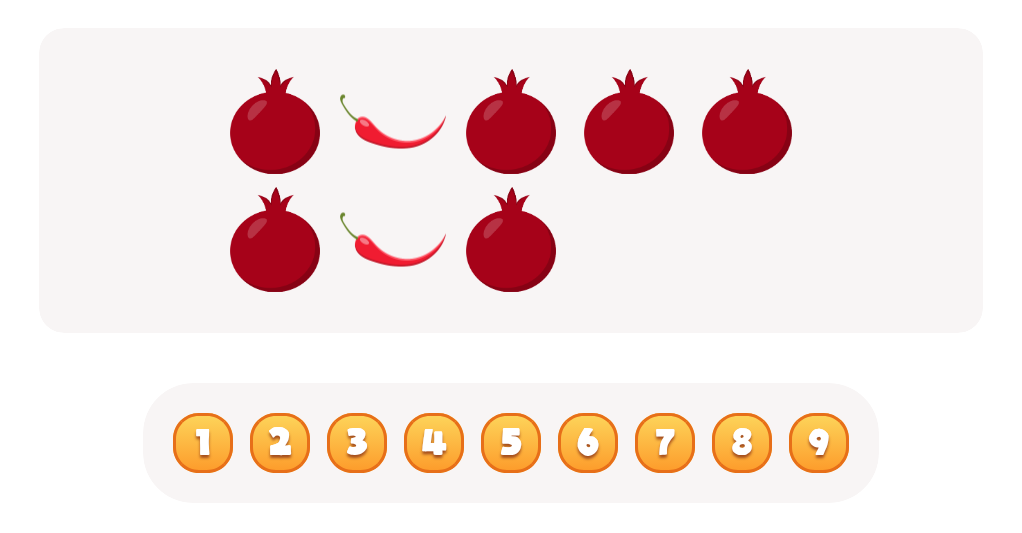
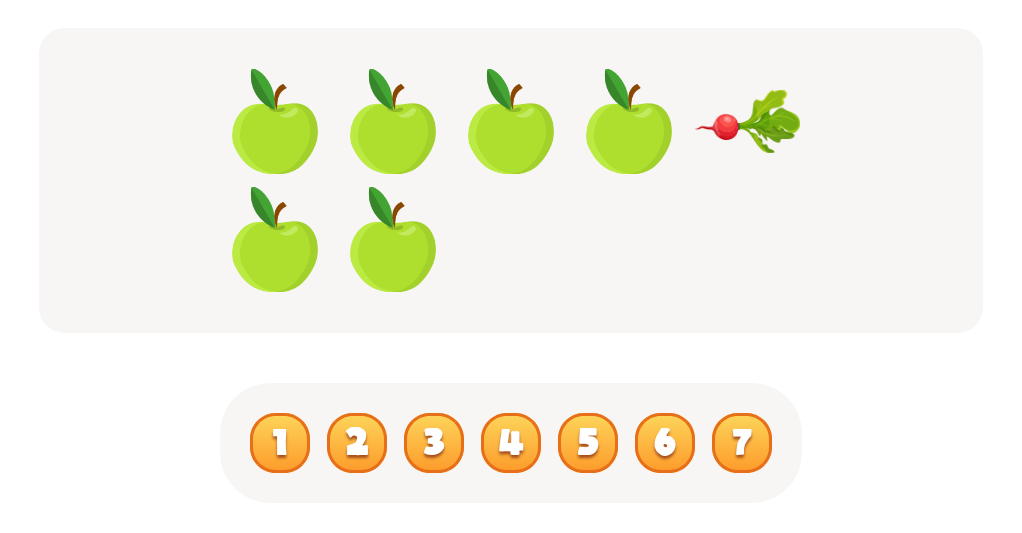
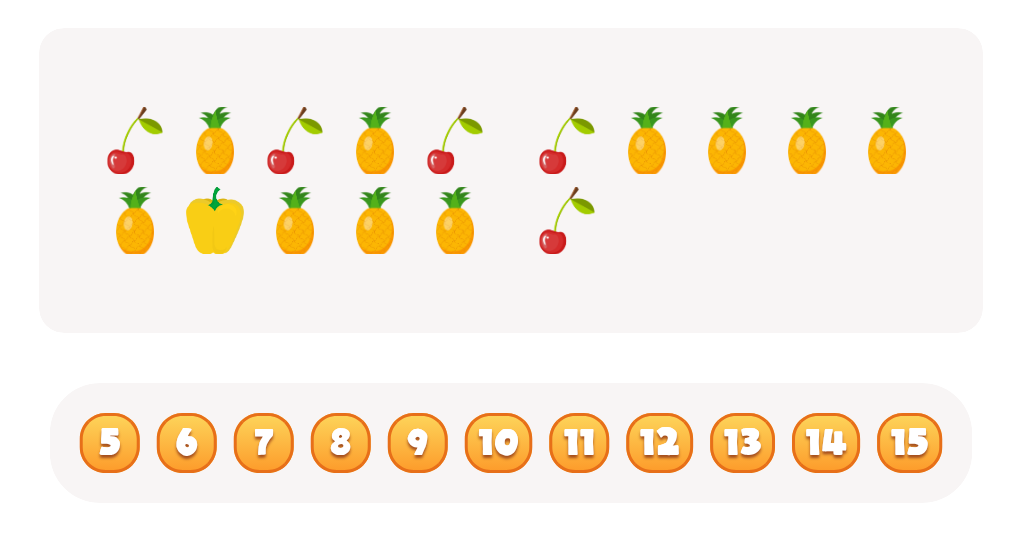
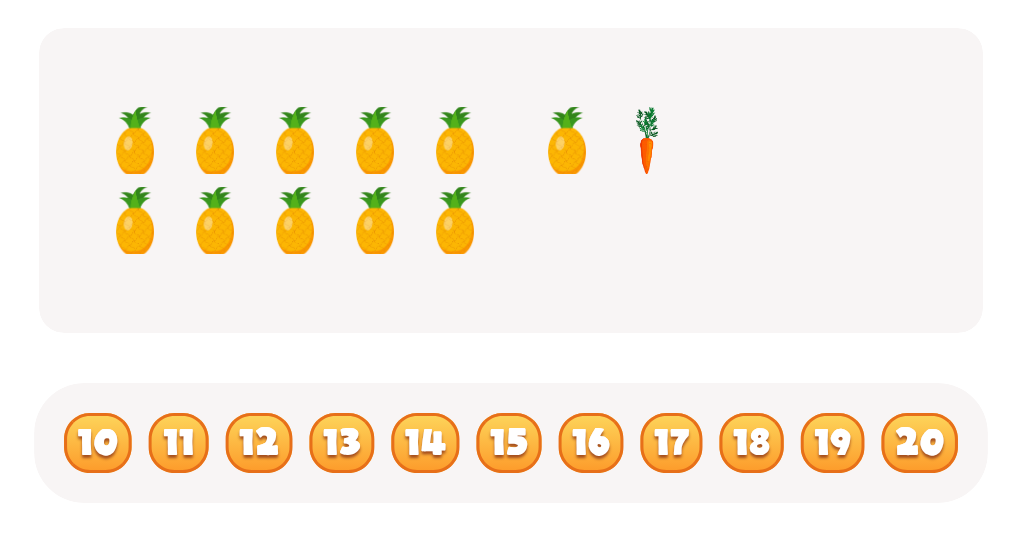
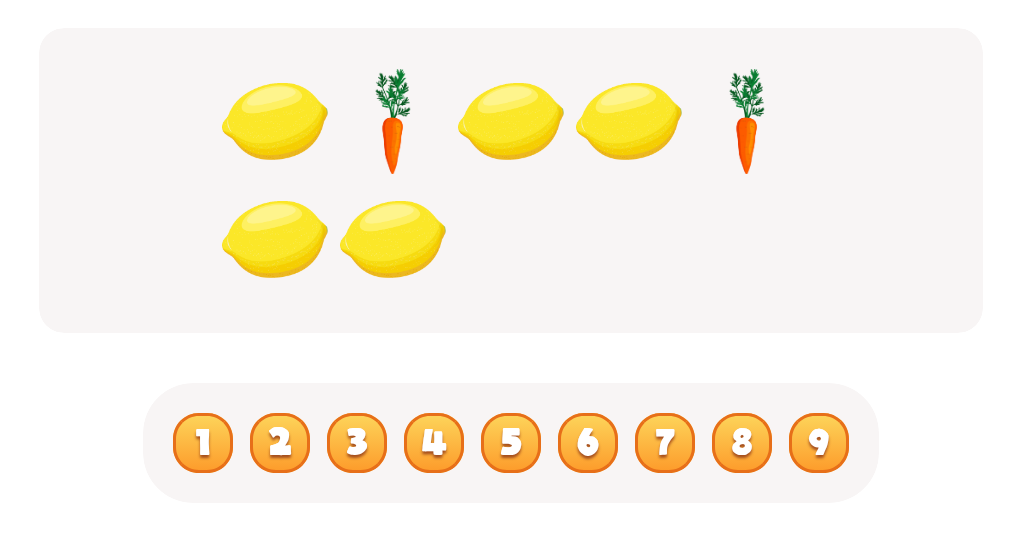
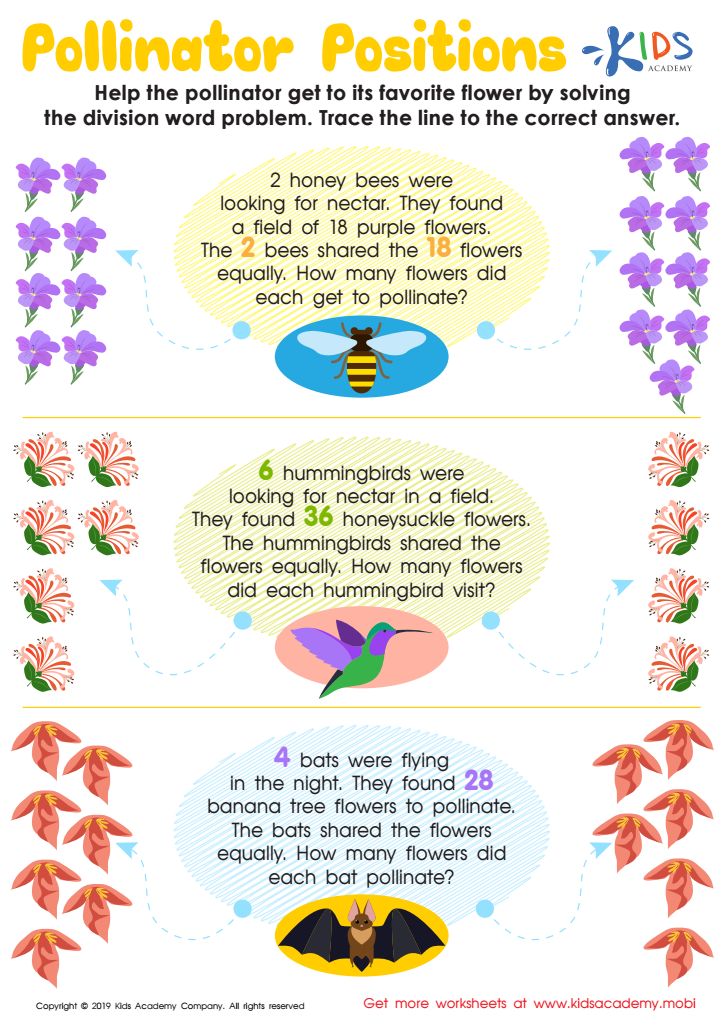
Pollinator Positions Worksheet
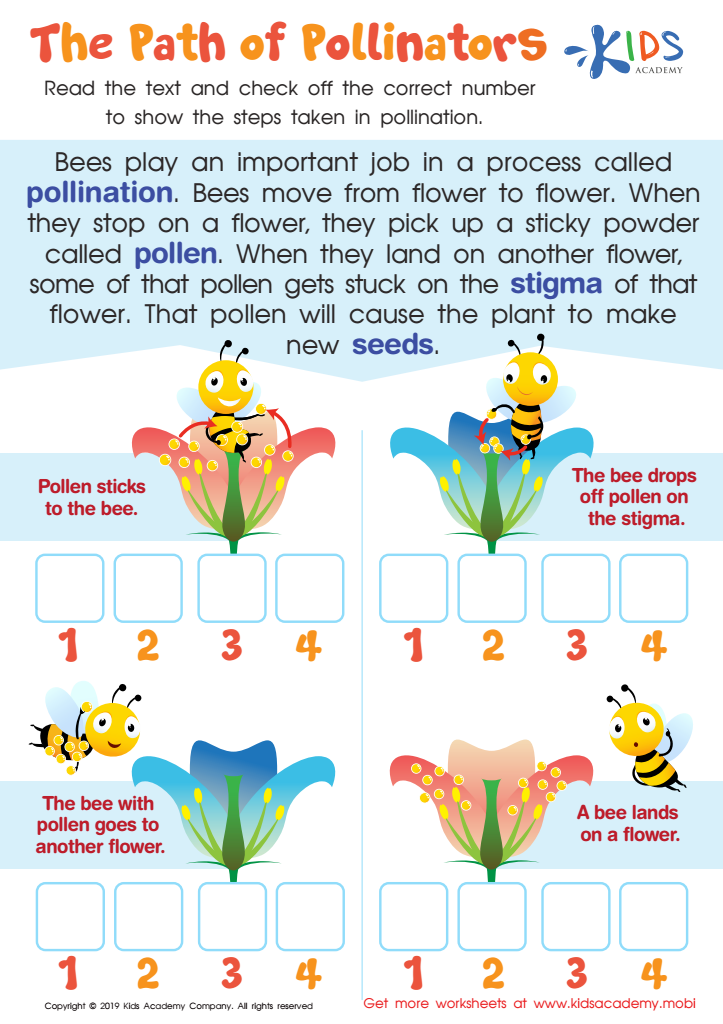
The Path of Pollinators Worksheet







Understanding pollination is essential for young children, as it helps them appreciate the intricate processes of nature and their impact on everyday life. For children ages 5-7, learning about how normal plants and animals contribute to pollination fosters a sense of wonder and curiosity about the natural world. Through simple, age-appropriate lessons and activities, parents and teachers can help children grasp the concept that many of the foods we eat and the flowers we enjoy depend on pollinators like bees, butterflies, and birds.
When children learn that pollinators are essential for the growth of fruits, vegetables, and plants, they develop an early awareness of ecology and the significance of maintaining balanced ecosystems. This knowledge encourages them to engage in environmentally friendly practices, such as protecting pollinator habitats, planting flowers, and avoiding harmful pesticides. Furthermore, these lessons can spark an interest in science and environmental stewardship that can last a lifetime.
Incorporating topics like pollination into early education also supports the development of critical thinking and observation skills. Children learn to ask questions, make predictions, and understand life cycles, laying the groundwork for future scientific learning. Overall, educating young children about pollination nurtures a respect for nature, responsibility for the environment, and a foundational understanding of essential biological processes.







