Critical Thinking Normal History Worksheets for Ages 5-7
6 filtered results
-
From - To
Unlock your child's potential with our engaging "Critical Thinking Normal History Worksheets" designed specifically for ages 5-7. These worksheets encourage young learners to explore historical concepts while developing valuable cognitive skills. Through fun activities, children will analyze events, identify cause-and-effect relationships, and make connections to the world around them. Our age-appropriate exercises blend creativity with critical thinking, fostering curiosity and a deeper understanding of history. Perfect for both at-home learning and classroom use, these worksheets stimulate discussion and inspire thoughtful inquiry. Empower your child to think critically and explore history in an exciting and interactive way!
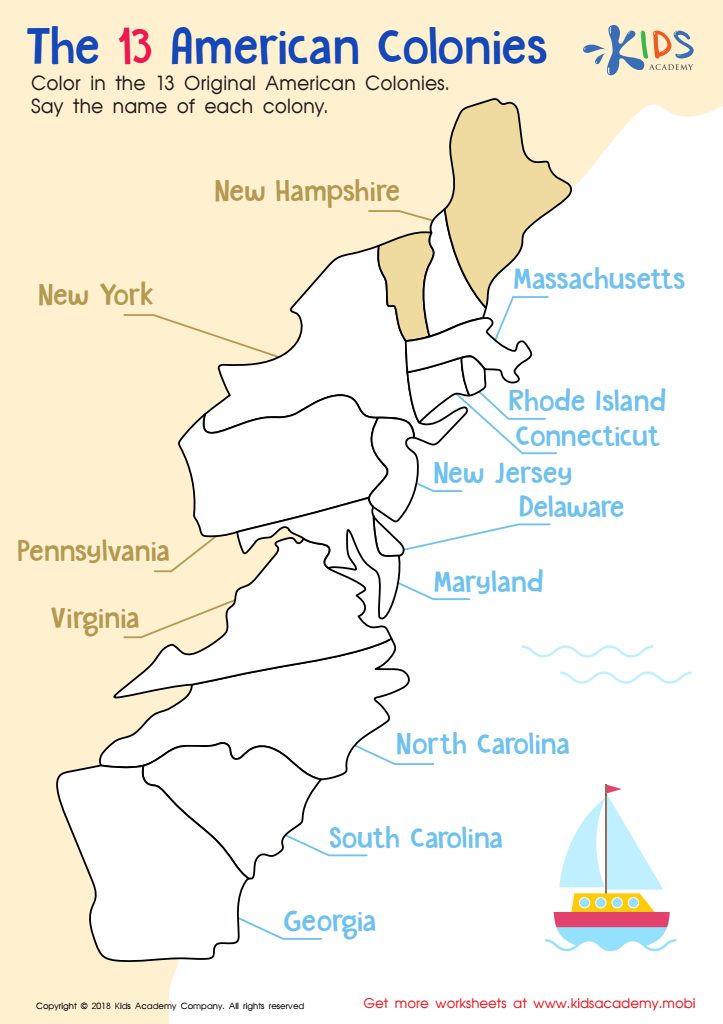
The 13 American Colonies Worksheet
 Assign to My Students
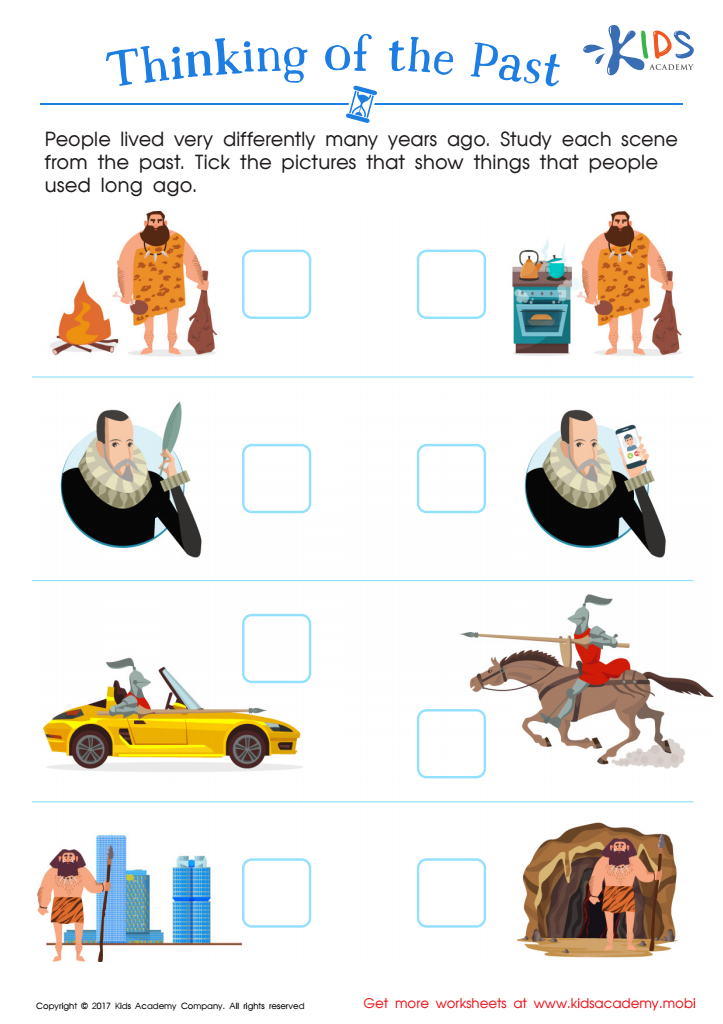
Thinking Past Printable

Thanksgiving Holiday Printable
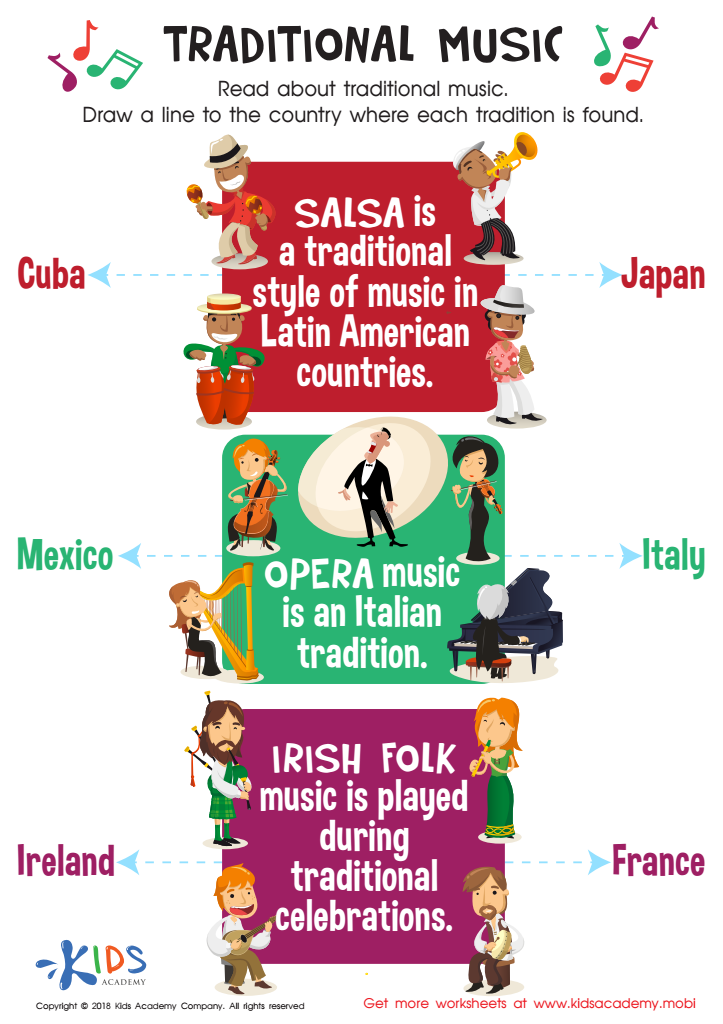
Traditional Music Worksheet

Assessment: First Thanksgiving Worksheet
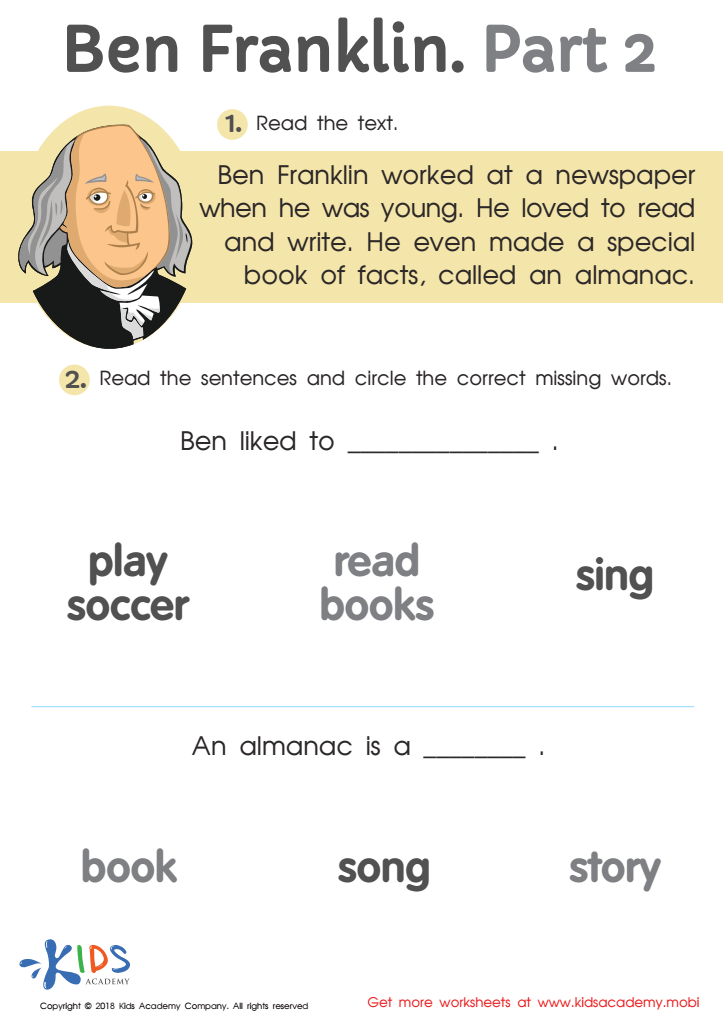
Ben Franklin Part 2 Worksheet





.jpg)


Critical thinking is an invaluable skill that empowers young children to analyze, evaluate, and apply knowledge effectively. For children ages 5-7, engaging with a concept such as Critical Thinking Normal History aids in their cognitive development by inspiring curiosity about their world and its context.
Teaching critical thinking through historical narratives helps children make connections between past events and present realities, fostering a sense of identity and empathy. At this age, children thrive on stories; thus, introducing critical thinking alongside normal historical content encourages them to ask questions, consider different viewpoints, and understand cause-and-effect relationships.
Furthermore, it lays a foundation for effective problem-solving skills, enhancing children's ability to navigate challenges in both academic and social settings. Engaging perspectives helps them articulate their thoughts and reasoning, preparing them for future academic endeavors.
Involving parents in this process enables continuity and reinforcement of these skills outside the classroom, enriching discussions and experiences. As children learn to think critically, they also develop confidence in their capabilities, becoming informed citizens who appreciate diversity and understand the complexity of the world around them. Prioritizing critical thinking in early education fosters lifelong learning and adaptability.