Critical Thinking Normal History Worksheets for Ages 4-8
15 filtered results
-
From - To
Foster a love for history and enhance critical thinking skills in young learners with our “Critical Thinking Normal History Worksheets for Ages 4-8.” These engaging worksheets are designed to captivate and challenge children, promoting analytical thinking and detailed comprehension of historical events. Perfect for ages 4-8, each worksheet integrates rich history topics with interactive activities that encourage curiosity and learning. Our resources support parents and educators in developing children's critical thinking abilities while making history fun and accessible. Ignite young minds with our expertly crafted worksheets and transform historical learning into an exciting adventure!

Native American Word Search Printable
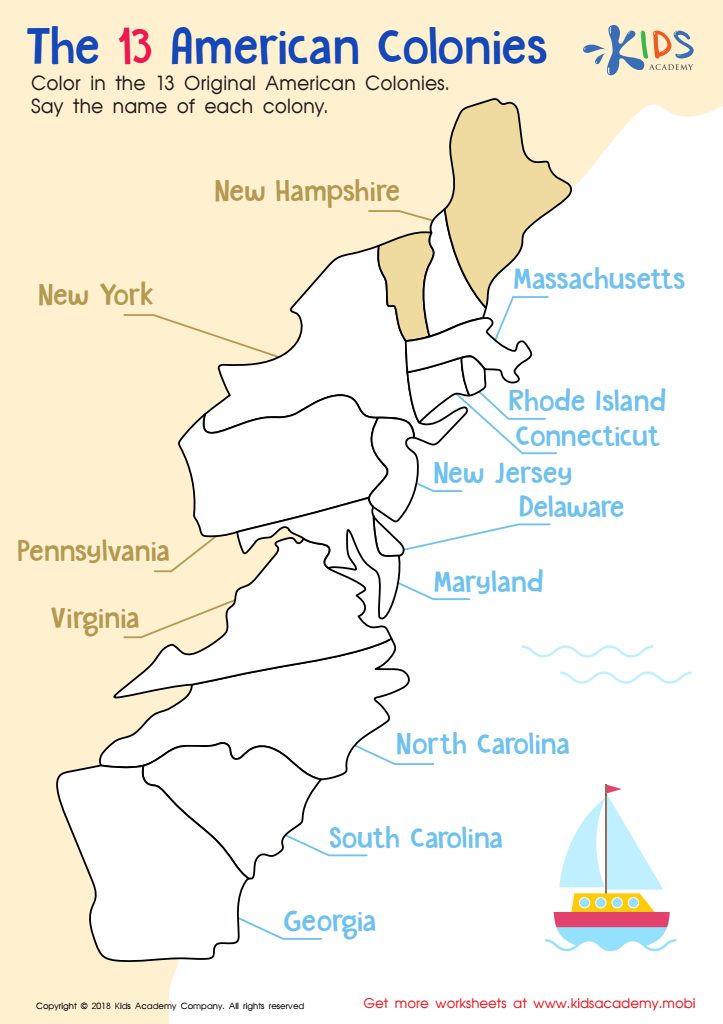
The 13 American Colonies Worksheet
 Assign to My Students
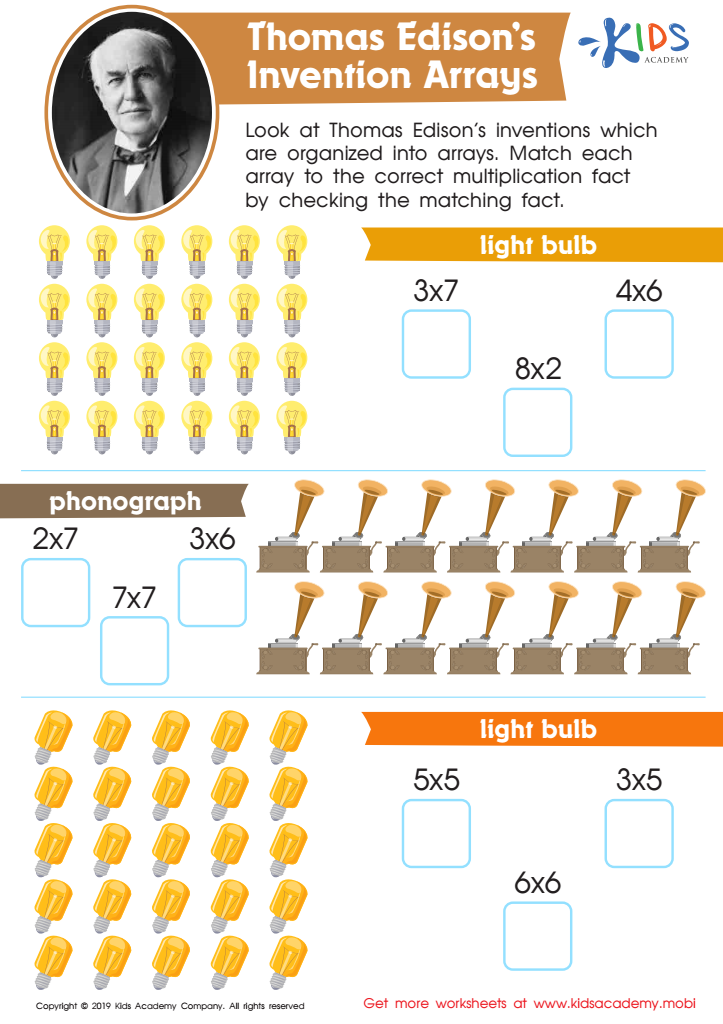
Thomas Edison’s Invention Arrays Worksheet
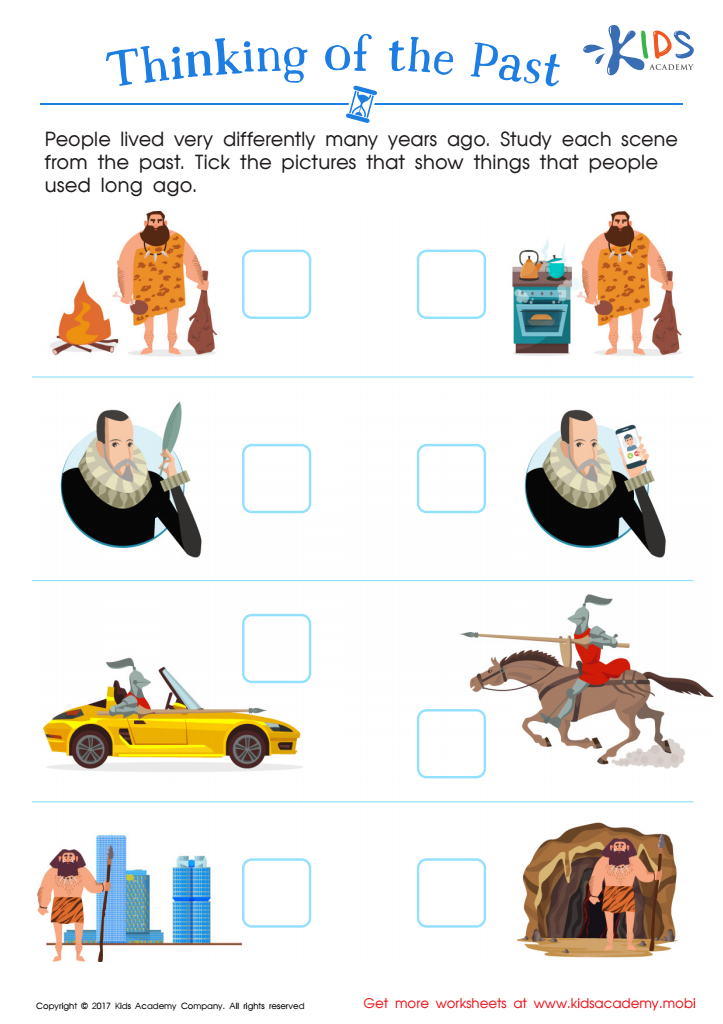
Thinking Past Printable

Thanksgiving Holiday Printable
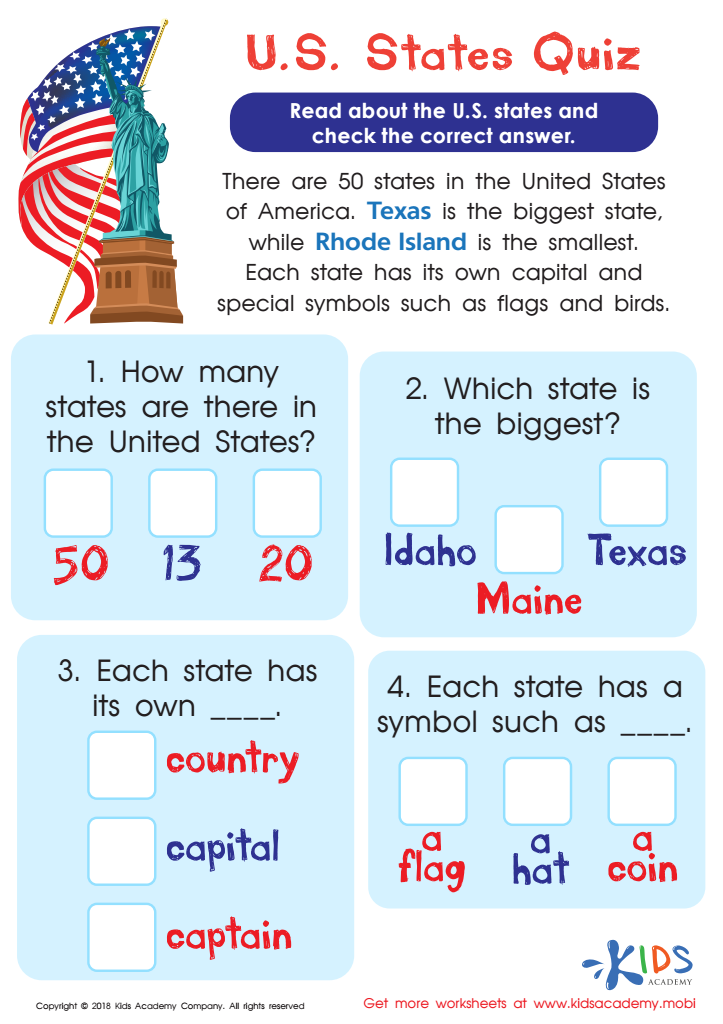
U.S. States Quiz Worksheet

Journey to Jamestown Worksheet

Traditional Music Worksheet
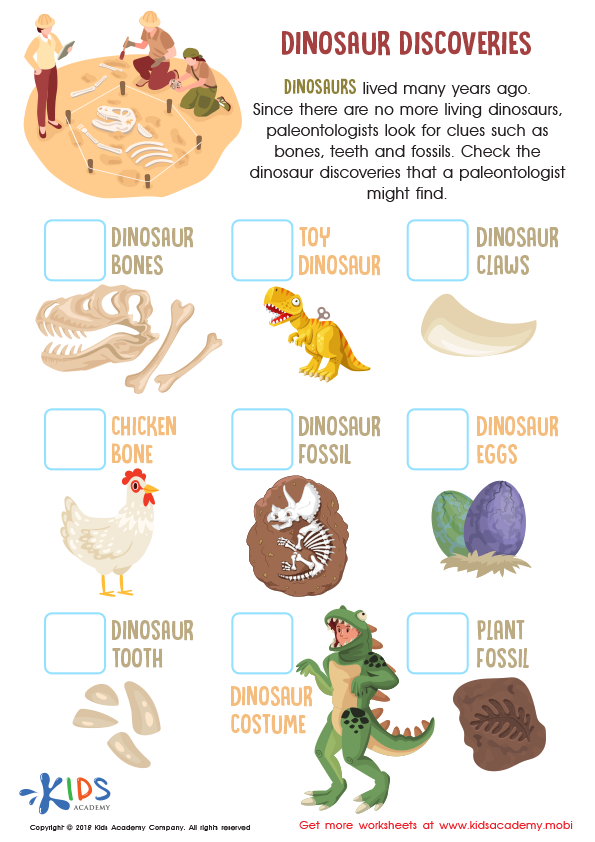
Dinosaur Discoveries Worksheet
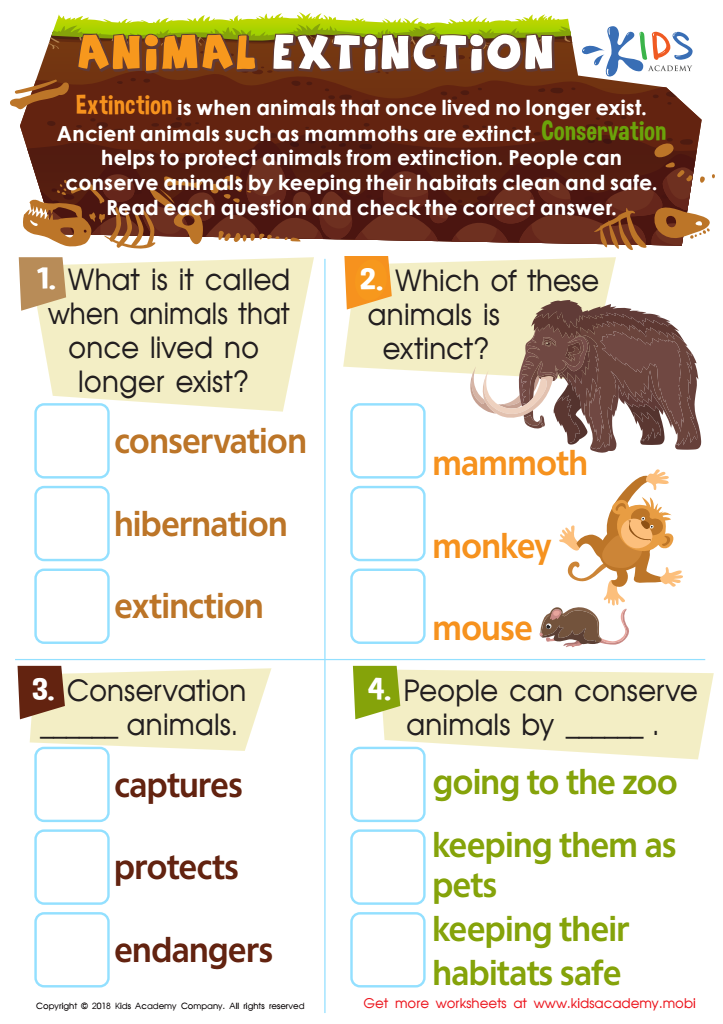
Animal Extinction Worksheet
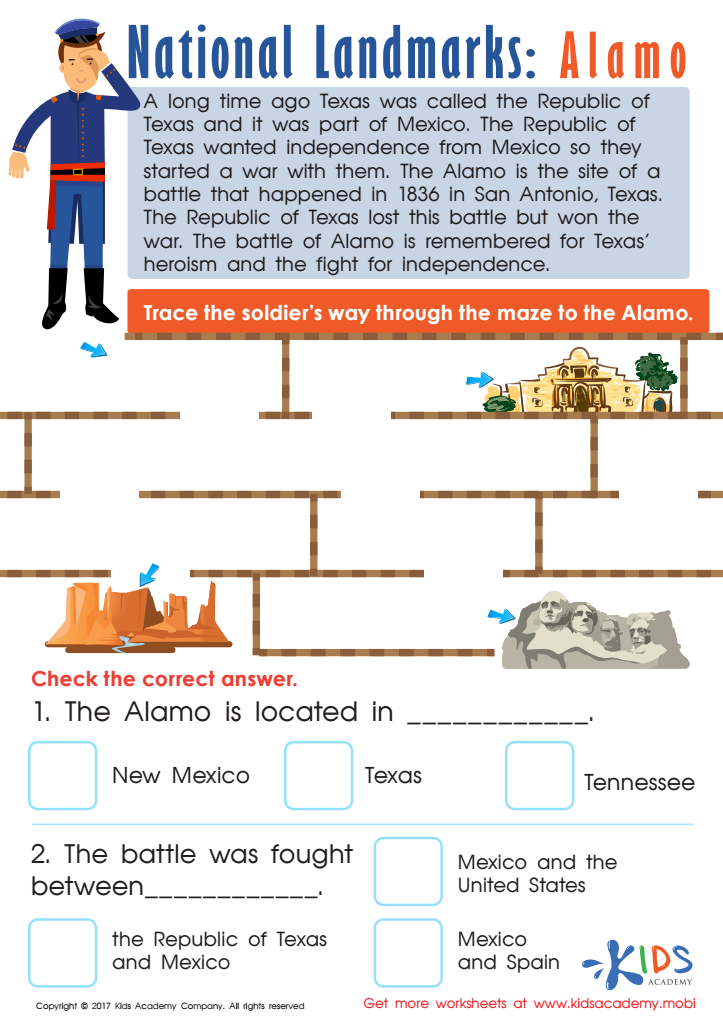
Alamo Printable Worksheet
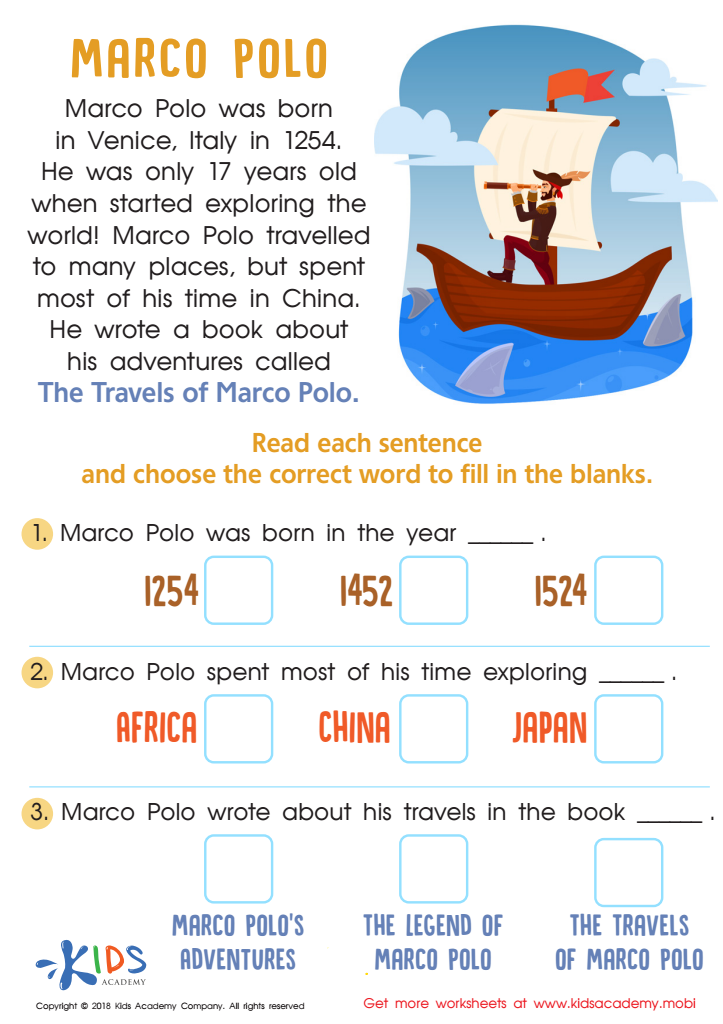
Marco Polo Worksheet

Assessment: First Thanksgiving Worksheet
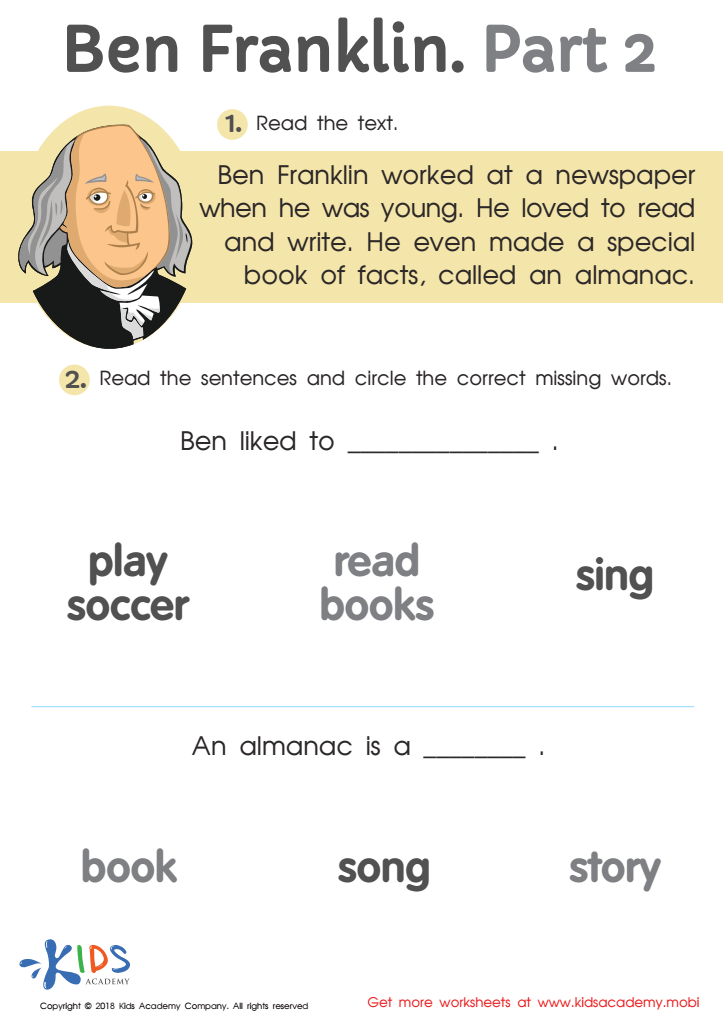
Ben Franklin Part 2 Worksheet
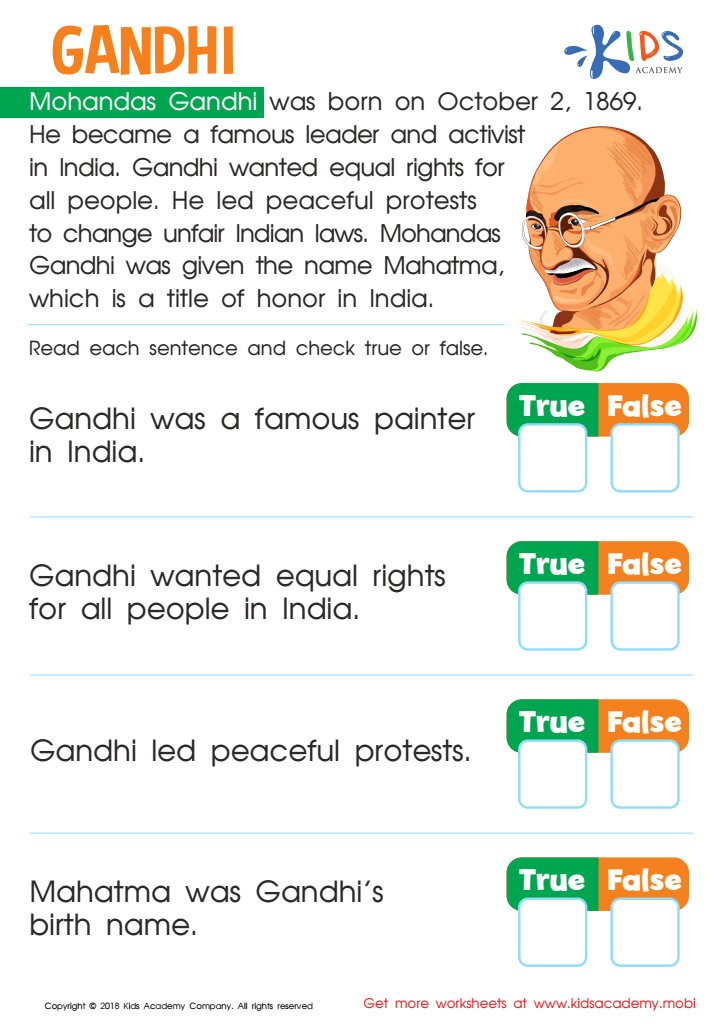
Gandhi Worksheet








Teaching critical thinking to children aged 4-8 is essential because it lays the groundwork for their intellectual and emotional development. This age group is in a formative period where brain development is rapid, and their cognitive skills are highly impressionable. Critical thinking helps children develop abilities such as problem-solving, logical reasoning, and understanding cause and effect, which are crucial for academic success and daily life.
Normal History contextualizes critical thinking in relatable, everyday situations. By discussing simple, age-appropriate historical events or common scenarios, children learn to question, analyze, and understand different perspectives. This helps them become more empathetic and socially aware individuals. It stimulates curiosity, encourages asking questions, and fosters a love for learning that can last a lifetime. When children learn to think critically at a young age, they become more adept at identifying biases and making informed choices, thus being less susceptible to misinformation.
For parents and teachers, investing time in teaching critical thinking also means they are equipping children to navigate challenges more effectively. It prepares them to build healthy relationships, understand different viewpoints, and tackle problems creatively. Ultimately, nurturing critical thinking contributes to the development of confident, independent, and thoughtful individuals who can contribute positively to society.