Motor skills development Normal ABC Letters Worksheets for Ages 5-8
3 filtered results
-
From - To
Enhance your child's motor skills with our engaging "Normal ABC Letters Worksheets" designed for ages 5-8. These printable worksheets combine fun and learning, helping young learners master the alphabet while improving their fine motor abilities. Through tracing, coloring, and letter recognition activities, children develop essential hand-eye coordination and dexterity required for writing. As they practice each letter, they'll gain confidence and foundational skills that pave the way for early literacy. Perfect for classroom use or at-home learning, our worksheets offer a comprehensive approach to support your child’s growth in a playful and effective manner. Start their motor skills journey today!

Letter H Tracing Page





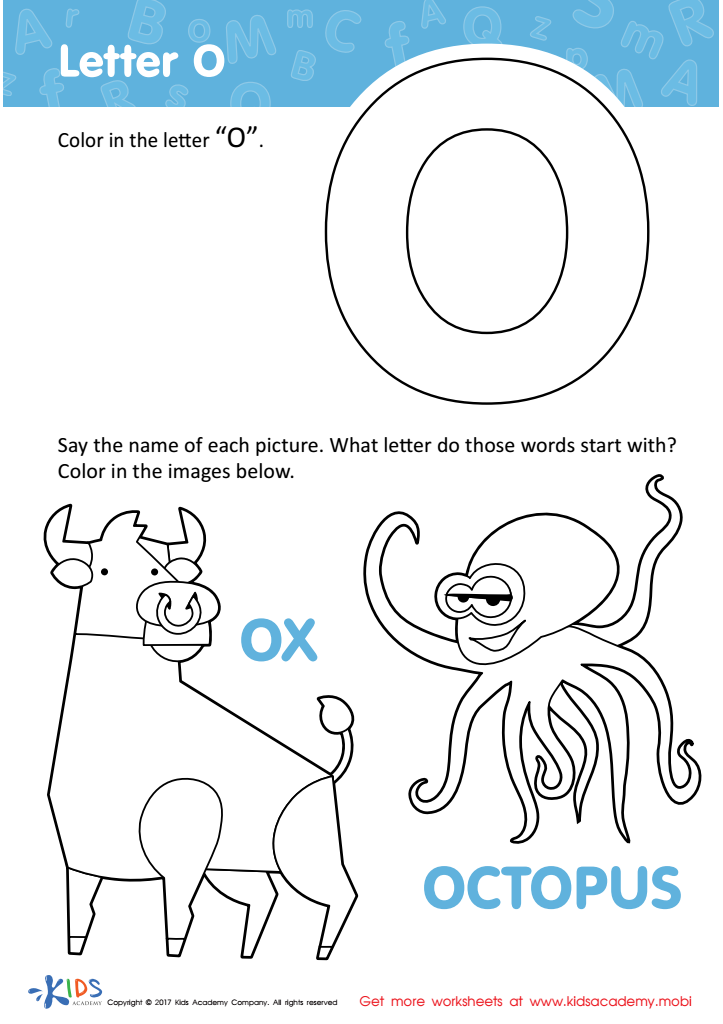
Letter O Coloring Sheet
 Assign to My Students
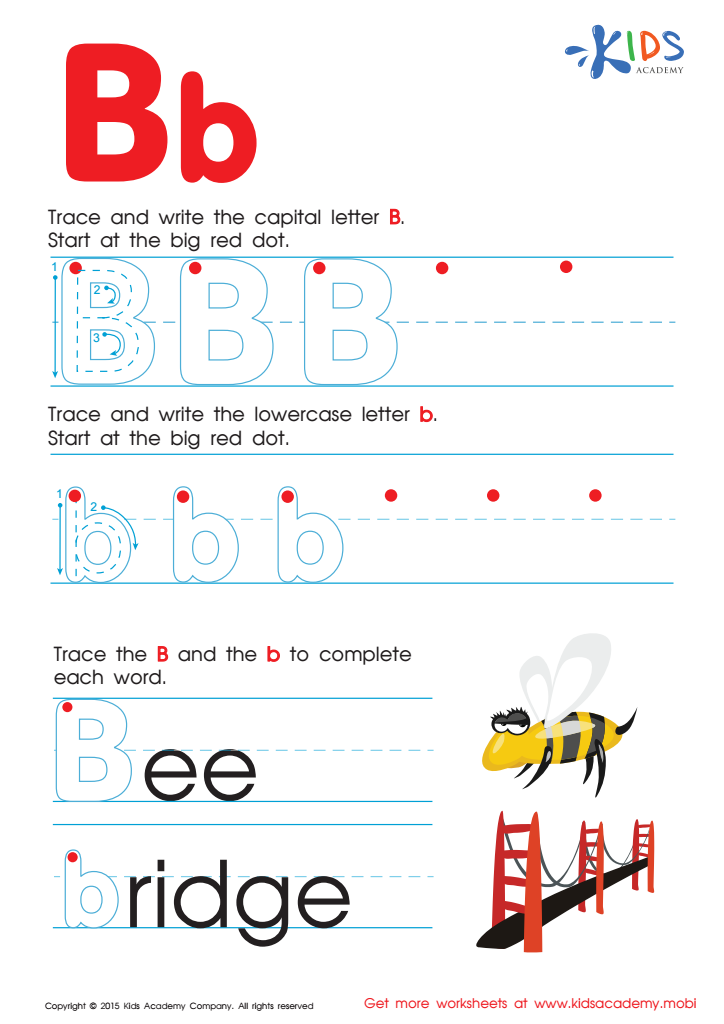
Letter B Tracing Page








Motor skills development is crucial for children aged 5-8, particularly in relation to normal ABC letters. Fine motor skills—such as holding a pencil, cutting with scissors, and manipulating letters—are essential as they form the foundation for writing and other academic tasks. When children develop these skills, they gain the ability to express their thoughts and creativity effectively through writing.
Furthermore, strong motor skills positively impact a child’s self-esteem and confidence. As they learn to control the movements necessary for forming letters and practicing coordination, children feel a sense of accomplishment. This builds their belief in their capabilities, which carries into other learning domains.
Parents and teachers should prioritize activities that promote motor skills, such as arts and crafts, building blocks, and tracing letters. Incorporating play and fun into learning ensures that children stay engaged and motivated.
In addition to academic advantages, heightened motor skills encourage social interactions, as children collaborate with peers in activities, boosting their communication and teamwork skills. Overall, nurturing motor skills development while learning the ABCs creates well-rounded individuals equipped for the diverse challenges of both school and life.







