Alphabet Recognition Normal Alphabet Coloring Pages Worksheets for Ages 5-8
10 filtered results
-
From - To
Discover our engaging "Alphabet Recognition Normal Alphabet Coloring Pages Worksheets" designed for children ages 5-8! These vibrant worksheets provide a fun and interactive way to help young learners recognize and familiarize themselves with the alphabet. Through coloring activities, children will enhance their letter recognition and develop fine motor skills while expressing their creativity. Our user-friendly format makes it easy for parents and teachers to print and utilize in the classroom or at home. Stimulate your child's love for learning and boost their confidence with our specially crafted alphabet recognition worksheets, making education a delightful experience! Start coloring and learning today!
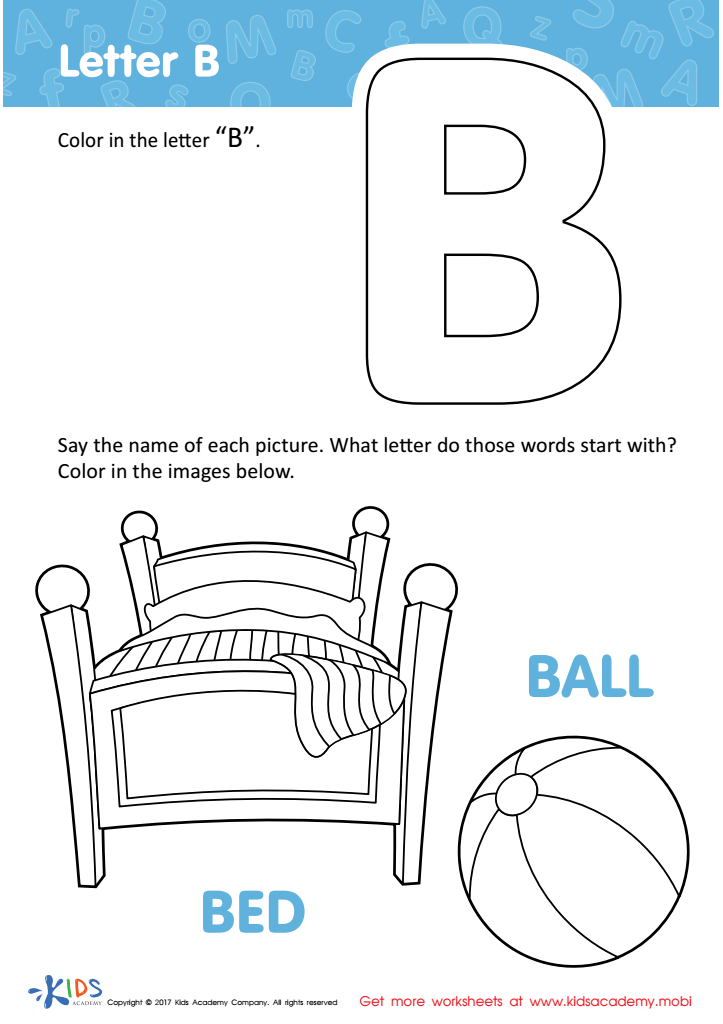
Letter B Coloring Sheet
 Assign to My Students
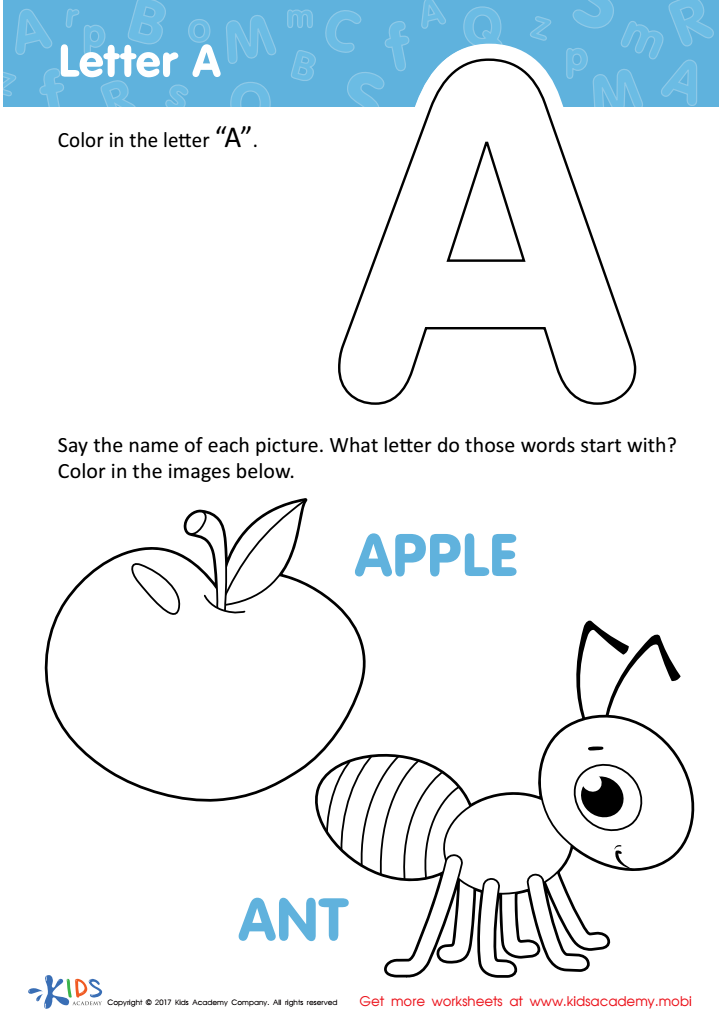
Letter A Coloring Sheet
Assign to My Students
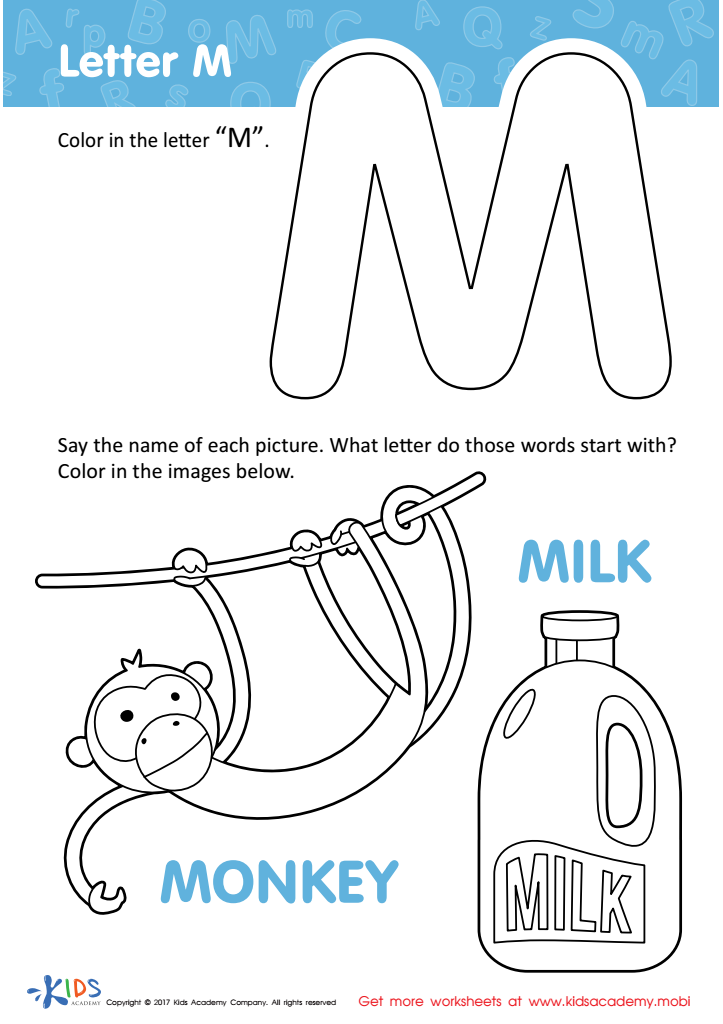
Letter M Coloring Sheet
Assign to My Students
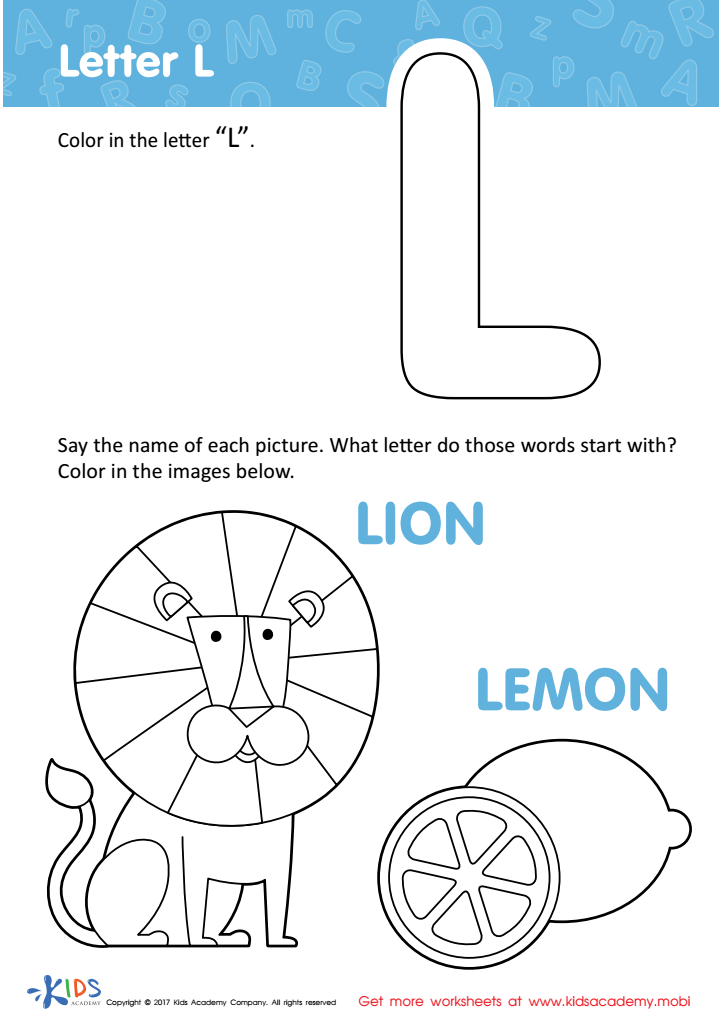
Letter L Coloring Sheet
Assign to My Students
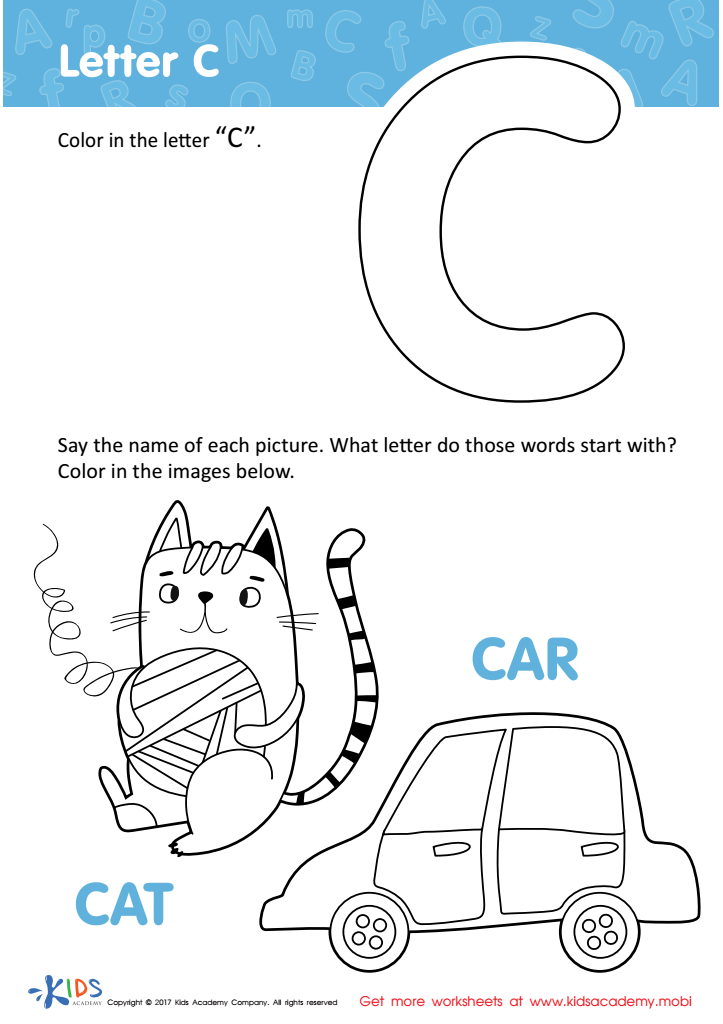
Letter C Coloring Sheet
Assign to My Students
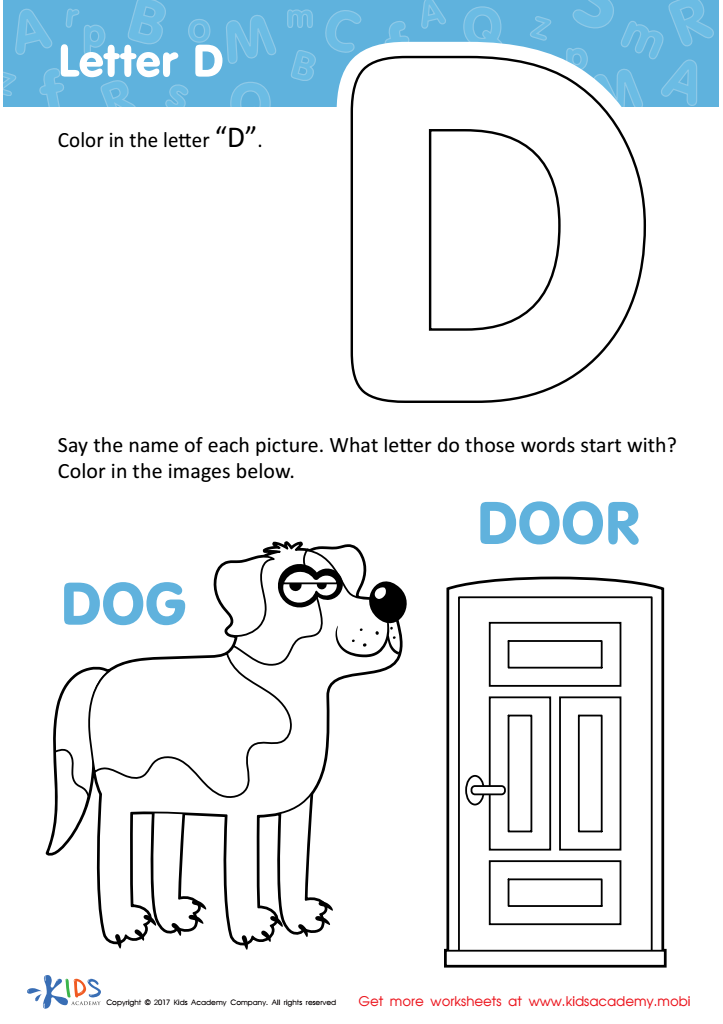
Letter D Coloring Sheet
Assign to My Students
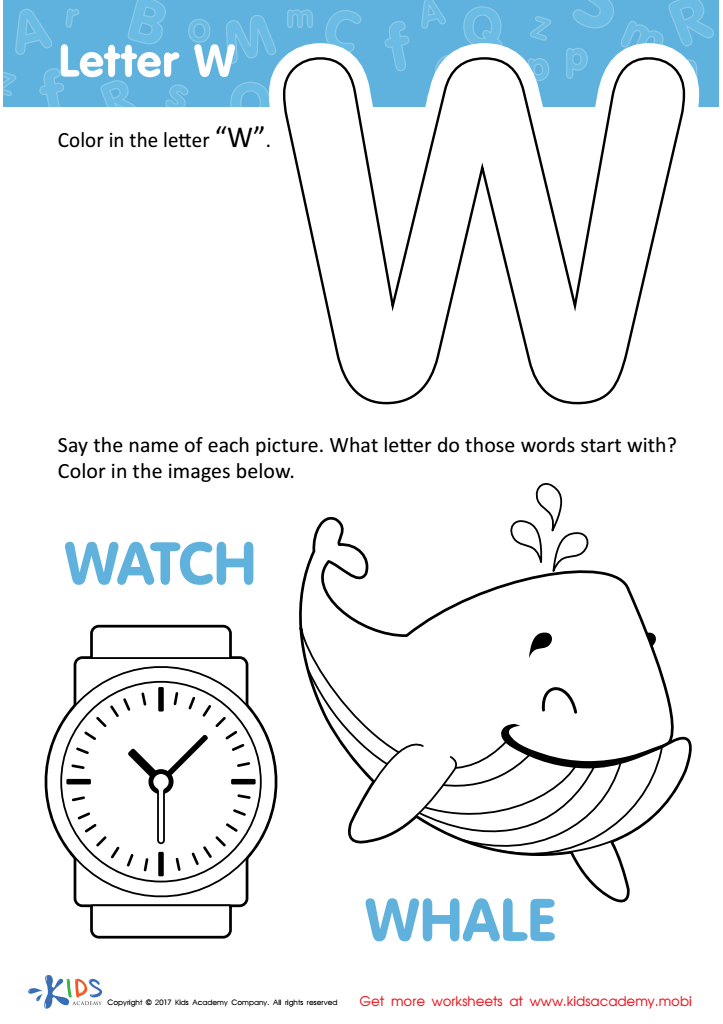
Letter W Coloring Sheet
Assign to My Students
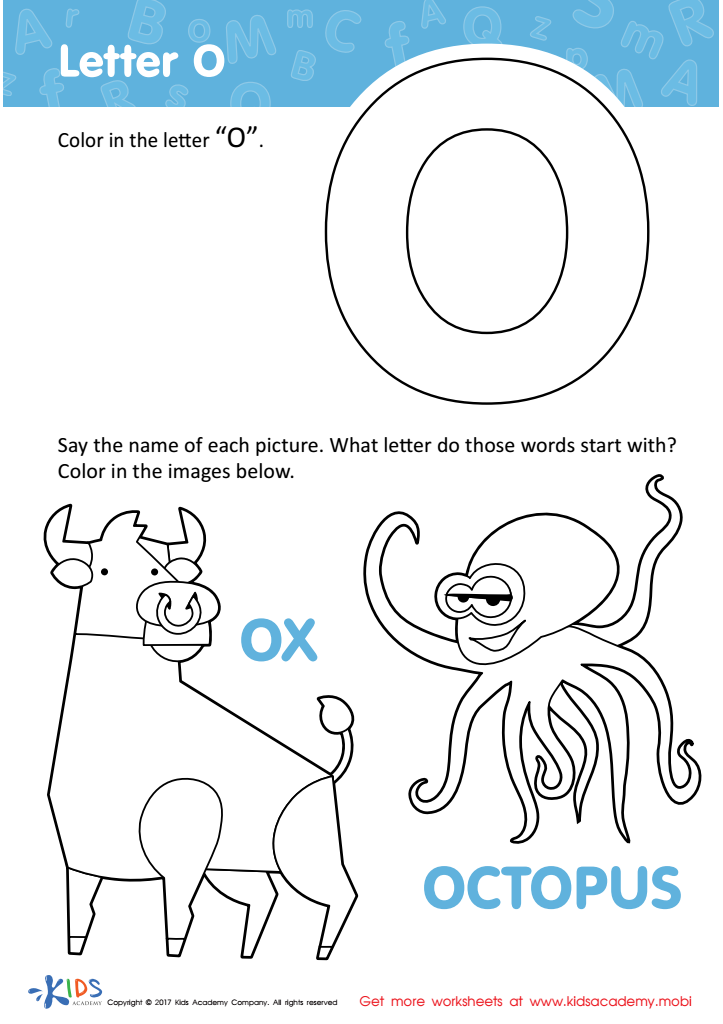
Letter O Coloring Sheet
Assign to My Students
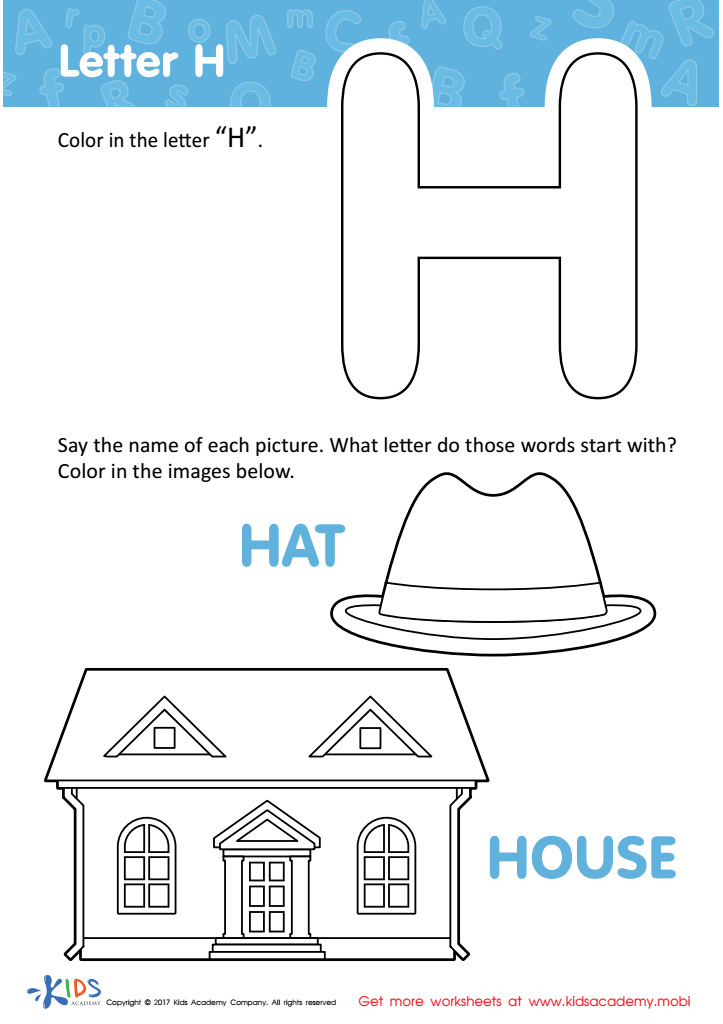
Letter H Coloring Sheet
Assign to My Students
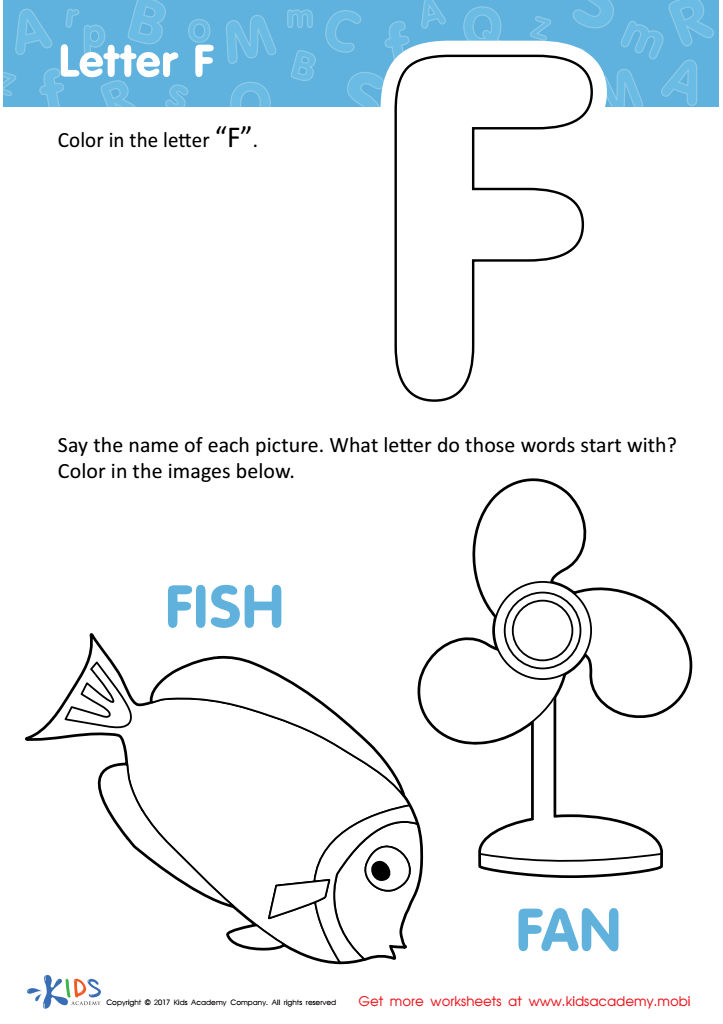
Letter F Coloring Sheet
Assign to My Students





Alphabet recognition is a foundational skill essential for early literacy development. For children aged 5 to 8, mastering the alphabet is critical as it sets the stage for reading and writing proficiency. Alphabet recognition normal alphabet coloring pages serve as valuable educational tools for parents and teachers, offering a fun and engaging way for children to learn.
These coloring pages not only help kids become familiar with both uppercase and lowercase letters, but they also promote fine motor skills as children manipulate crayons and markers. The act of coloring keeps children engaged and motivated, making the learning process enjoyable. Incorporating colors enhances memory retention by connecting visual learning with letter recognition, reinforcing their understanding through artistic expression.
Furthermore, when parents and teachers participate in the coloring process, it encourages interaction and bonding. This shared experience allows adults to assess a child's progress, provide meaningful feedback, and build their confidence in learning. Ultimately, by using coloring pages, parents and teachers can create a stimulating environment that nurtures a child's love of learning, paving the way for future academic success. Investing time in these activities not only boosts alphabet recognition but also lays a strong literacy foundation for lifelong learning.







