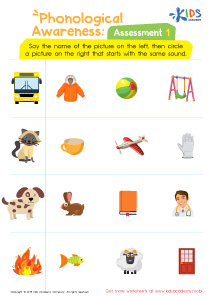
Vocabulary expansion Normal Beginning Sounds Worksheets for Ages 5-8
5 filtered results
-
From - To
Enhance your child’s vocabulary with our engaging Normal Beginning Sounds Worksheets, specifically designed for ages 5 to 8! These interactive worksheets focus on helping young learners identify and practice initial sounds in words, a crucial skill for reading development. Each worksheet features playful illustrations and fun activities that encourage children to recognize and produce beginning sounds, expanding their vocabulary in a delightful way. Perfect for homeschooling, classroom use, or supplemental learning, these resources make mastering language skills enjoyable and effective. Watch your child's confidence soar as they connect sounds with words and explore new vocabulary effortlessly. Start the learning adventure today!
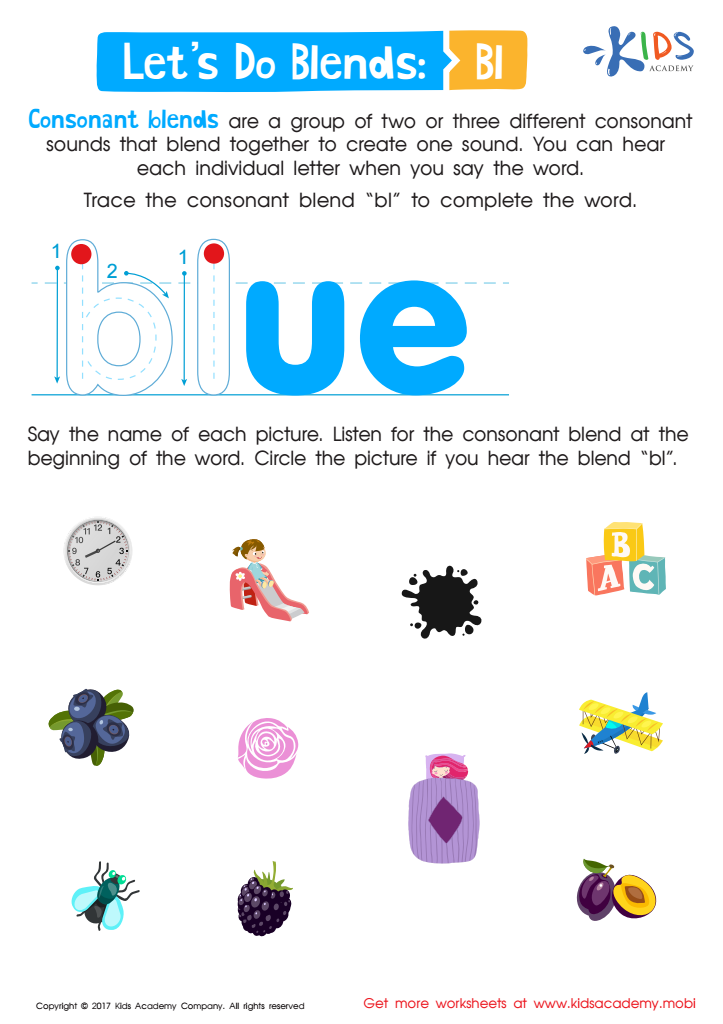
Beginning Blends: "Bl" Words Worksheet
 Assign to My Students
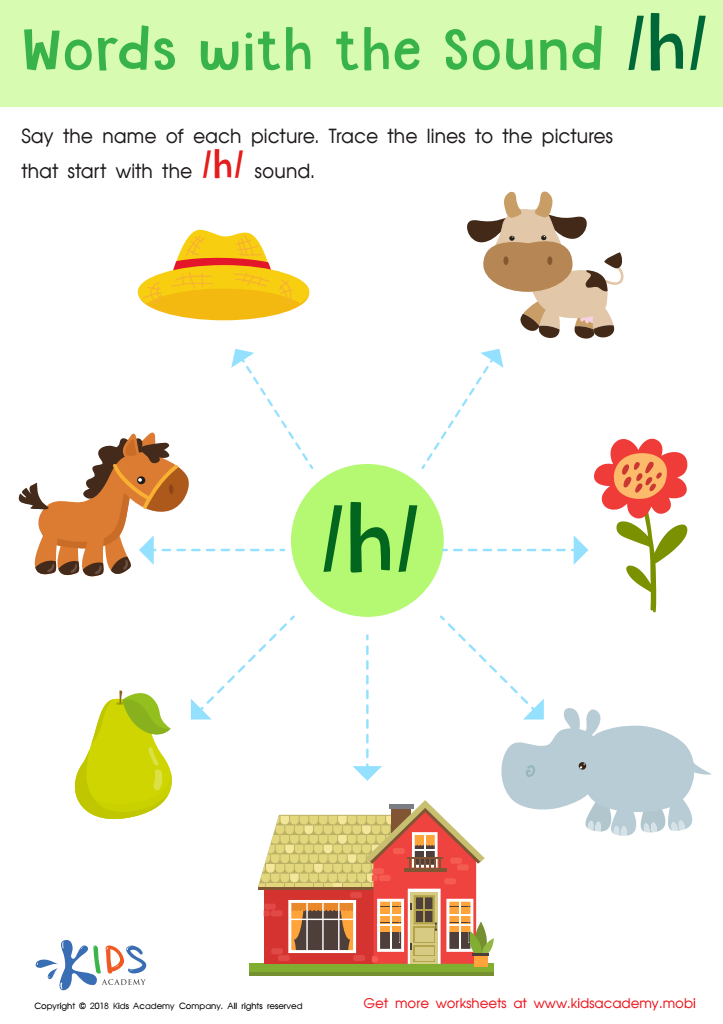
Words with sound h Reading Worksheet
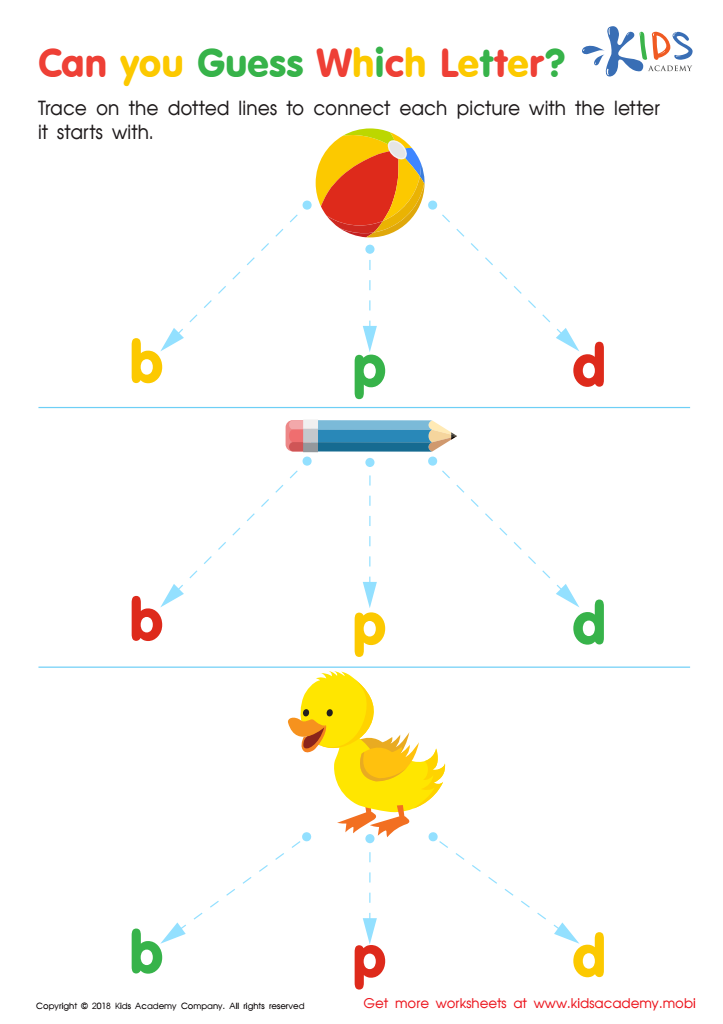
Can you Guess Which Letter? Worksheet
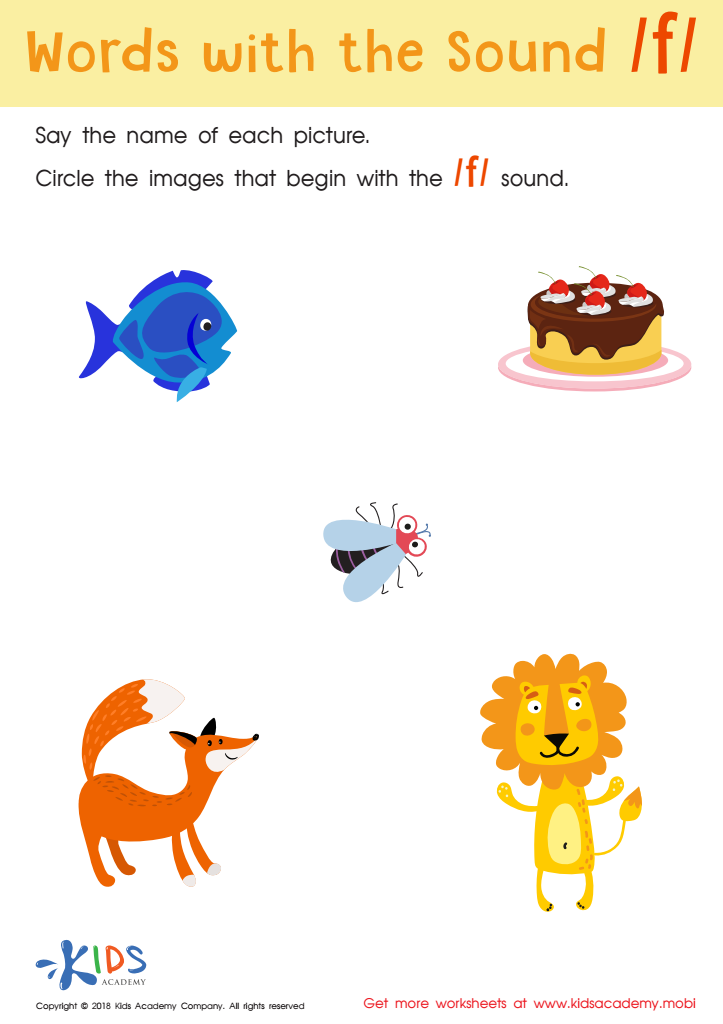
Words with sound f Reading Worksheet
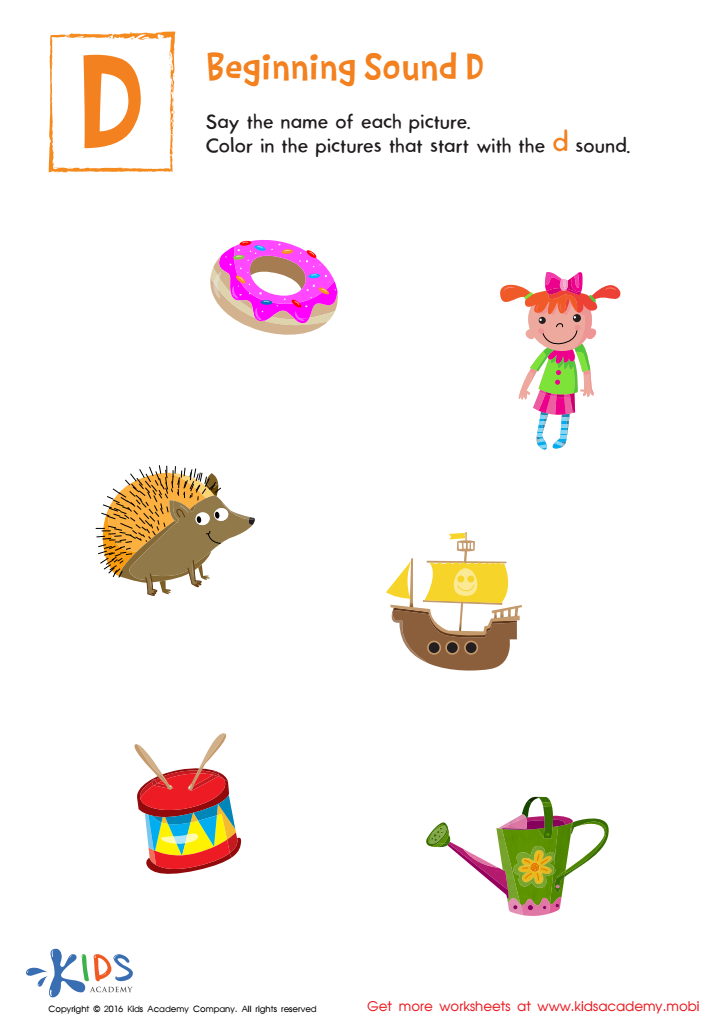
Beginning Sound D Worksheet








Vocabulary expansion, particularly in the context of normal beginning sounds for children aged 5-8, is crucial for several reasons. First, this developmental stage is fundamental for literacy. Children who effectively recognize and articulate beginning sounds can decode words more easily, facilitating reading fluency and comprehension. By focusing on beginning sounds, parents and teachers can help build a solid phonemic awareness foundation, which is essential for future reading successes.
Second, vocabulary plays a critical role in cognitive and social development. Children who possess a rich vocabulary can express themselves clearly, share ideas, and engage in conversations, enhancing their social skills. This ability fosters relationships with peers and adults, encouraging collaboration and understanding in various settings.
Furthermore, strong vocabulary skills lead to improved academic performance across subjects, not just in language arts. Young learners exposed to diverse vocabulary are more likely to enjoy reading and learning, increasing their enthusiasm for education.
Lastly, early assistance with vocabulary development helps identify and support children who may struggle with language skills, ensuring they receive the necessary interventions. In summary, focusing on normal beginning sounds lays the groundwork for literacy, communication skills, and overall academic success, highlighting its relevance for parents and teachers alike.