Handwriting improvement Normal Letter Recognition Worksheets for Ages 5-8
3 filtered results
-
From - To
Enhance your child's writing skills with our Handwriting Improvement Normal Letter Recognition Worksheets, designed specifically for ages 5-8. These engaging worksheets offer a fun and interactive way for young learners to master letter recognition while practicing their handwriting. Each worksheet focuses on both uppercase and lowercase letters, featuring captivating illustrations to keep children motivated. Tailored to build confidence and reinforce fine motor skills, our resources support a strong foundation in literacy. Whether at home or in the classroom, these printable worksheets are an excellent tool for children to learn, practice, and excel in their handwriting abilities. Start your child's learning journey today!
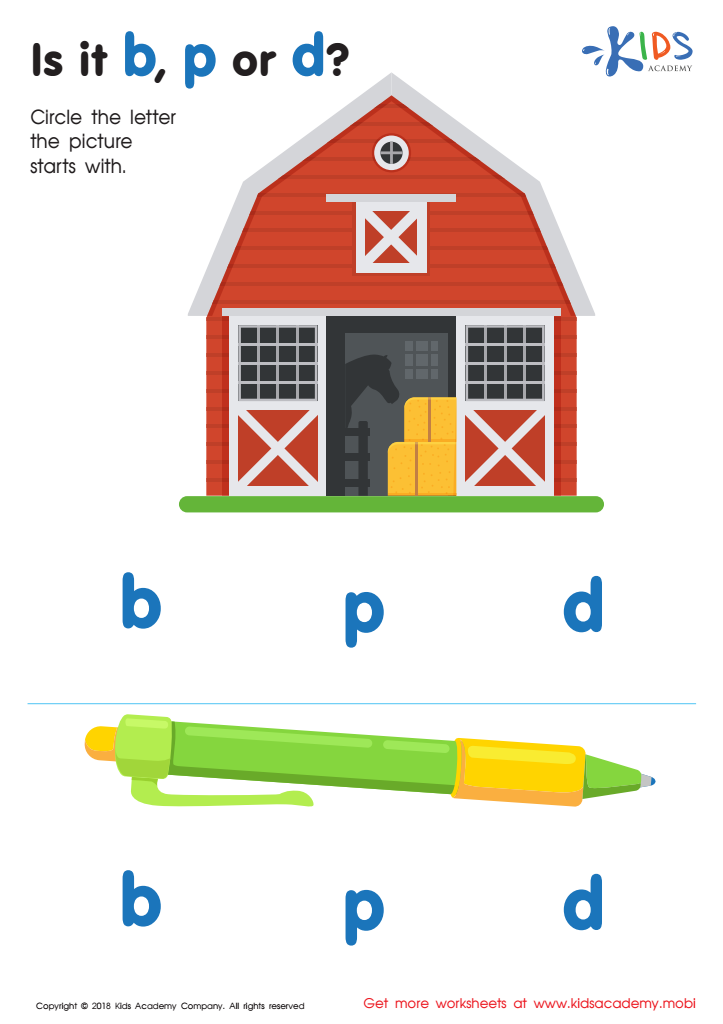
Is it b, p or d? Worksheet
 Assign to My Students
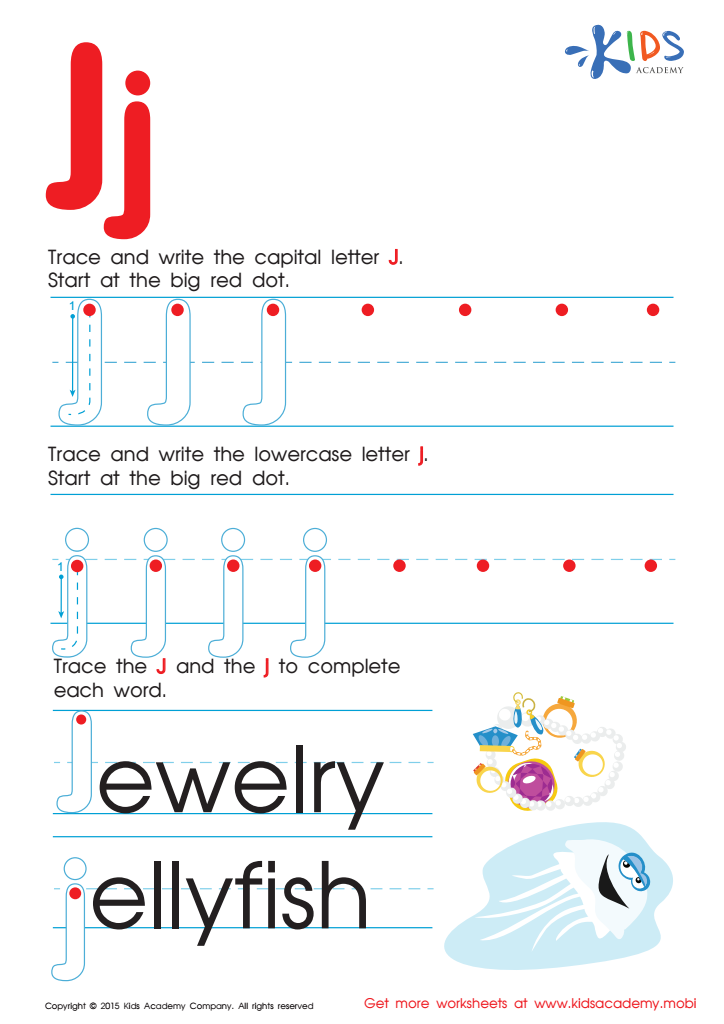
Letter J Tracing Page
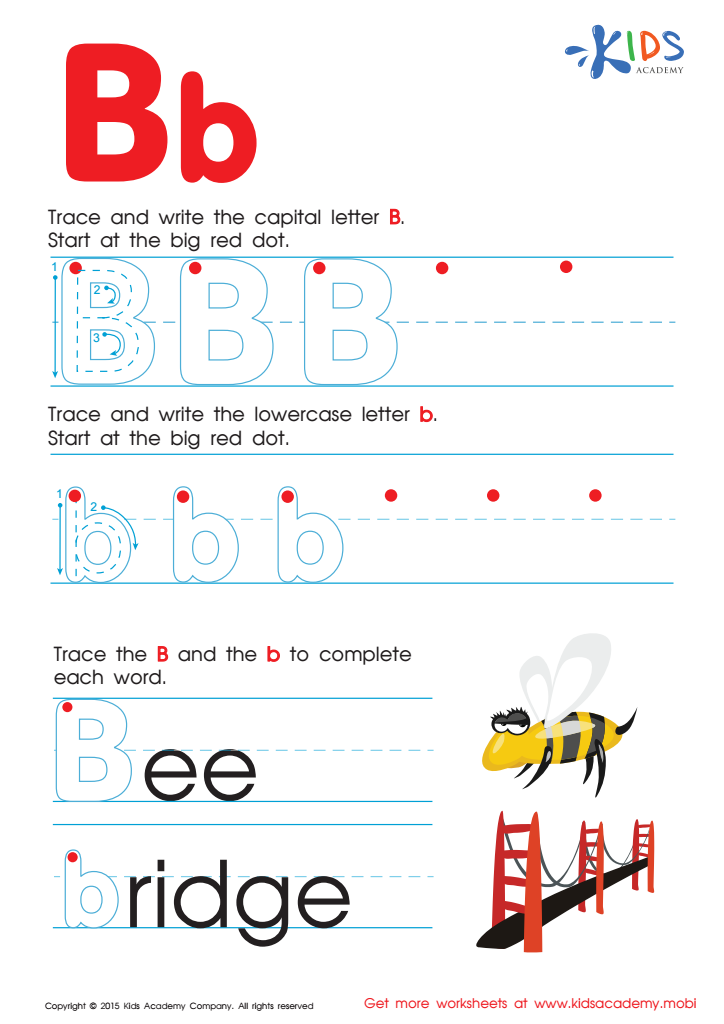
Letter B Tracing Page








Parents and teachers should prioritize handwriting improvement and normal letter recognition for children aged 5-8 because these skills are fundamental to literacy development and overall academic success. During these formative years, children are establishing their writing and reading foundations. Improved handwriting not only enhances the aesthetic appeal of their work but also encourages clearer communication of their thoughts and ideas. Neat and legible handwriting boosts confidence, enabling children to participate more fully in classroom activities and assessments.
In parallel, normal letter recognition is crucial for reading proficiency. As children learn to identify letters by shape and sound, they build the essential connection between spoken language and written words. This understanding equips them to decode text and improves their reading fluency. A strong grasp of letters also supports spelling and vocabulary development, all of which contribute to better overall literacy skills.
Fostering these skills early establishes a love for writing and reading, nurturing lifelong learners. Moreover, with the increasing reliance on written communication in an ever-evolving digital world, ensuring that children master handwriting and letter recognition will empower them for future academic challenges and personal expression. Investing time and resources in these areas is vital for nurturing well-rounded, confident learners.








