Phonics practice Normal Letter Recognition Worksheets for Ages 5-8
4 filtered results
-
From - To
Discover our engaging Phonics Practice Normal Letter Recognition Worksheets designed for children ages 5-8! These printable resources are ideal for reinforcing essential literacy skills through fun activities. Kids will explore letter shapes, sounds, and relationships, enhancing their reading readiness and phonemic awareness. Each worksheet is tailored to captivate young learners, making it easy for them to identify letters in a playful context. Perfect for both classroom and home use, our worksheets help to develop foundational skills that set the stage for future reading success. Explore our collection today and support your child's literacy journey with fun and effective practice!
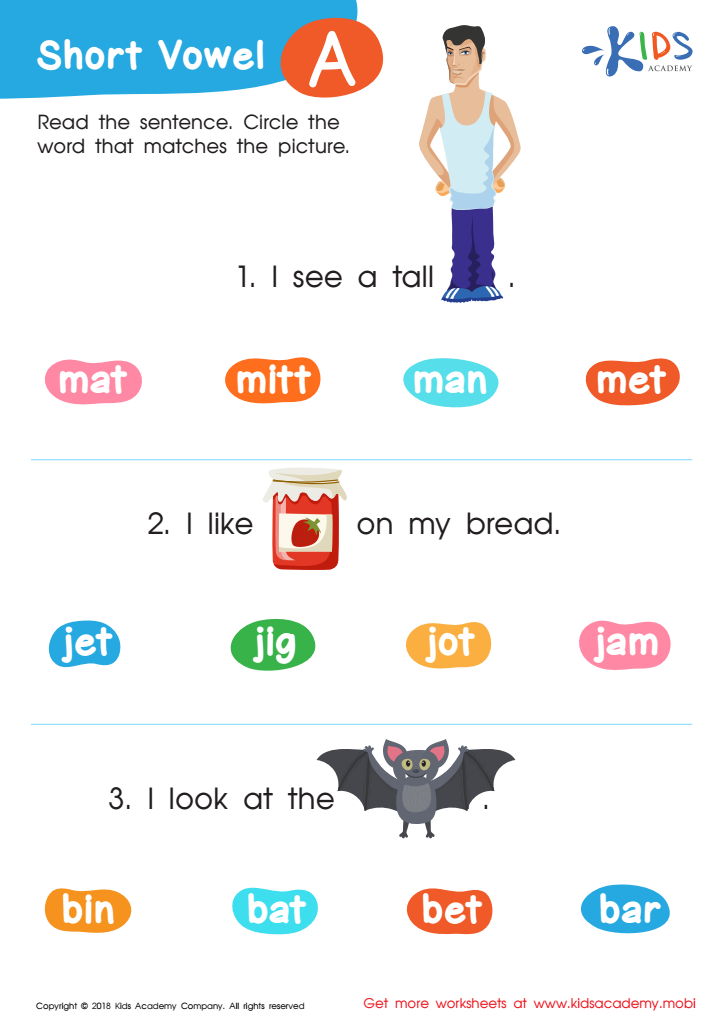
Short Vowel /a/ Worksheet
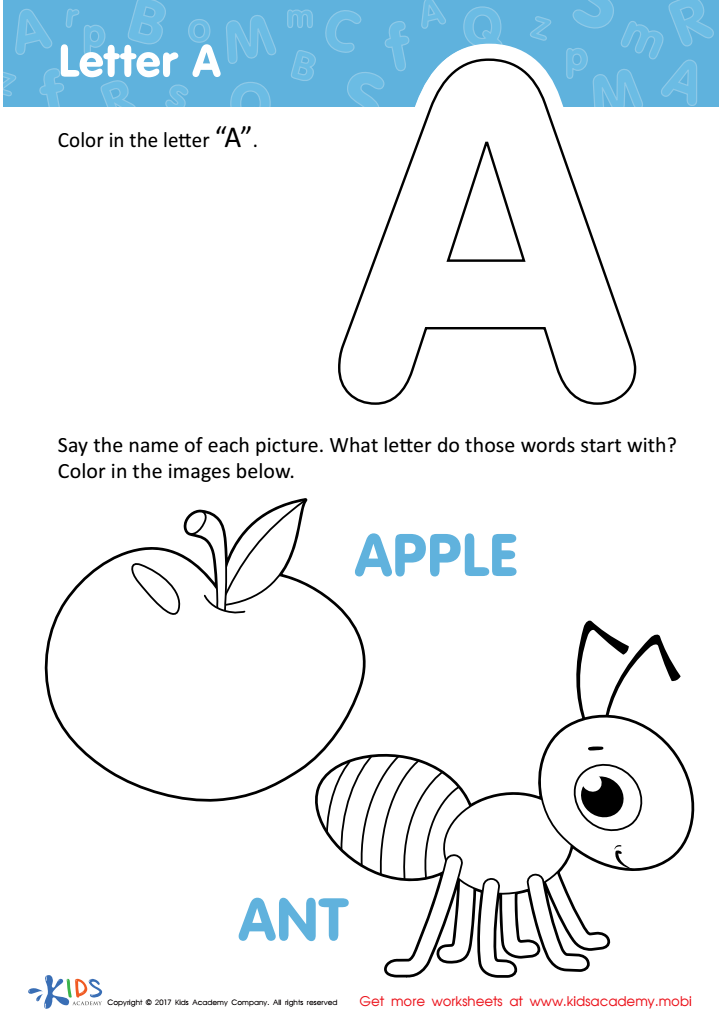
Letter A Coloring Sheet
 Assign to My Students
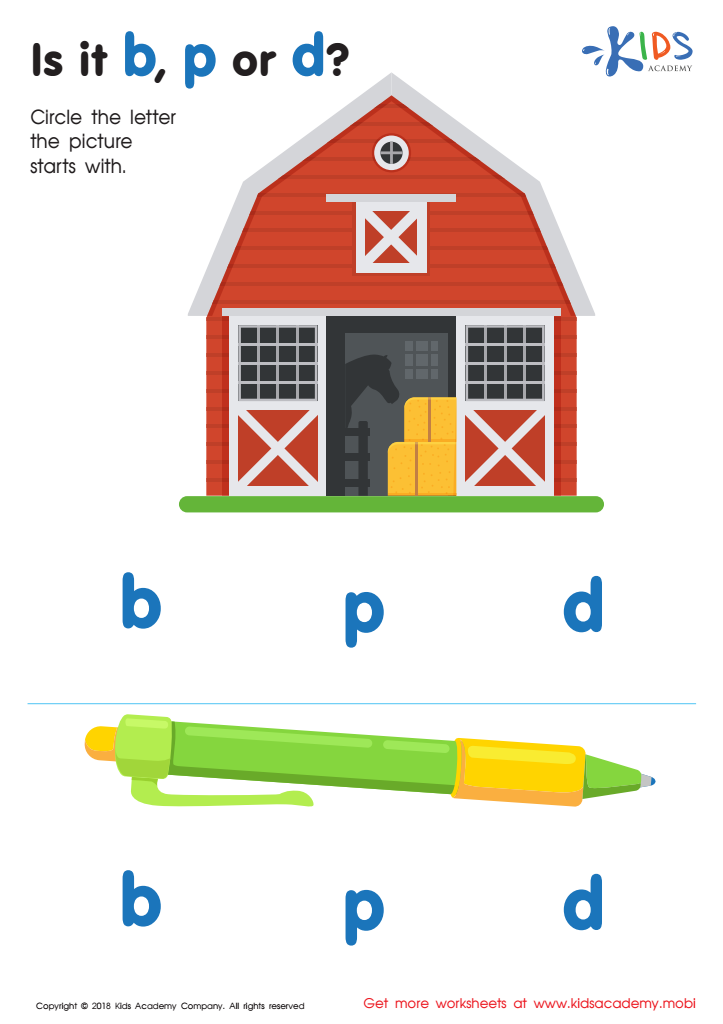
Is it b, p or d? Worksheet
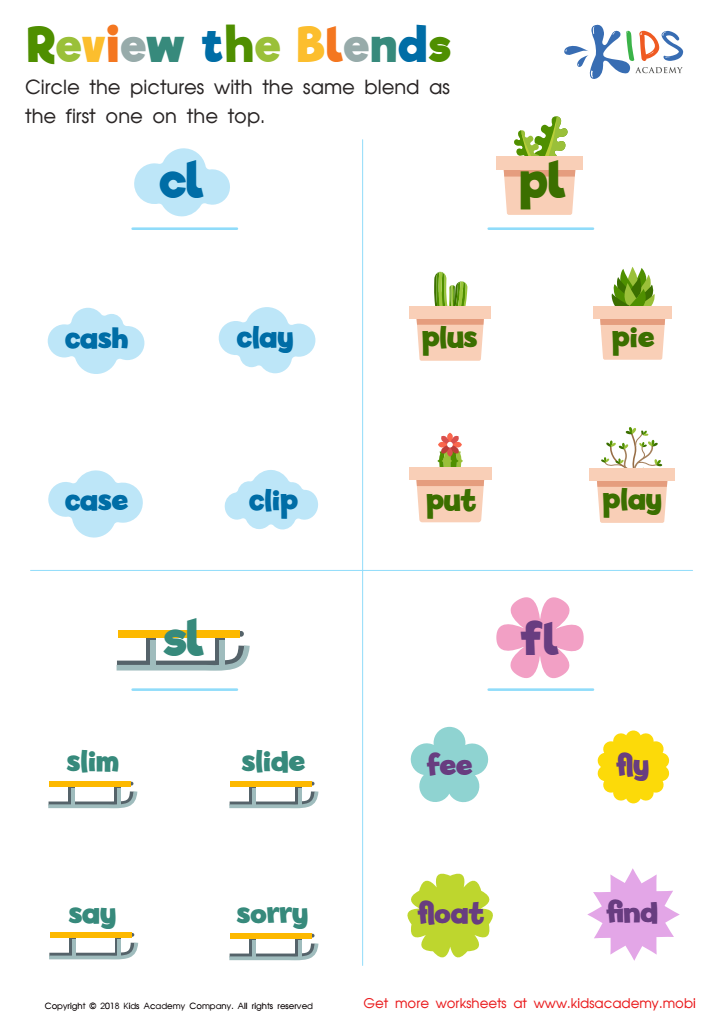
Review the Blends Worksheet








Phonics practice and normal letter recognition are fundamental components of early literacy development for children ages 5-8. During these formative years, children learn to associate letters with their corresponding sounds, which is essential for reading and writing. By mastering phonics and letter recognition, children develop the skills needed to decode words, enhance their vocabulary, and improve their reading fluency.
Parents and teachers should prioritize phonics practice because research shows that children who receive systematic phonics instruction tend to become more proficient readers. This proficiency not only boosts their confidence but also fosters a love for reading, which is crucial for lifelong learning. Mastery of letter recognition aids in spelling and writing, as children learn to properly form words and comprehend text.
Additionally, phonics practice can identify struggling readers early, allowing for targeted intervention that can prevent long-term challenges. In an increasingly literacy-driven world, equipping children with these foundational skills can significantly impact their academic success across subjects and instill the critical thinking necessary for tackling various challenges they will encounter in their educational journey. Overall, investing in phonics and normal letter recognition helps lay a strong foundation for a child’s overall language development and lifelong learning.








