Writing practice Normal Letter Recognition Worksheets for Ages 5-8
6 filtered results
-
From - To
Enhance your child's writing and literacy skills with our Normal Letter Recognition Worksheets designed for ages 5-8. These engaging worksheets focus on helping young learners identify and write letters accurately. Each printable resource encourages children to practice letter formation while recognizing both uppercase and lowercase letters. With a variety of fun activities, kids can reinforce their understanding of the alphabet in an enjoyable manner. Perfect for home or classroom use, these worksheets support essential early writing skills, making learning both effective and exciting. Equip your children with the foundations they need for future literacy success today!
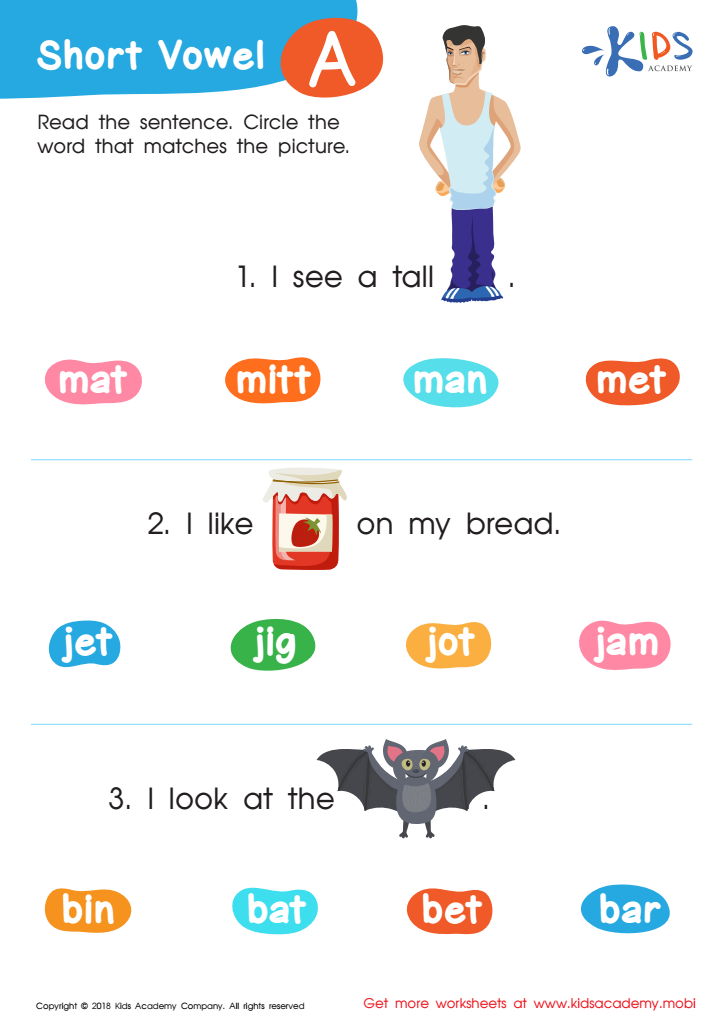
Short Vowel /a/ Worksheet
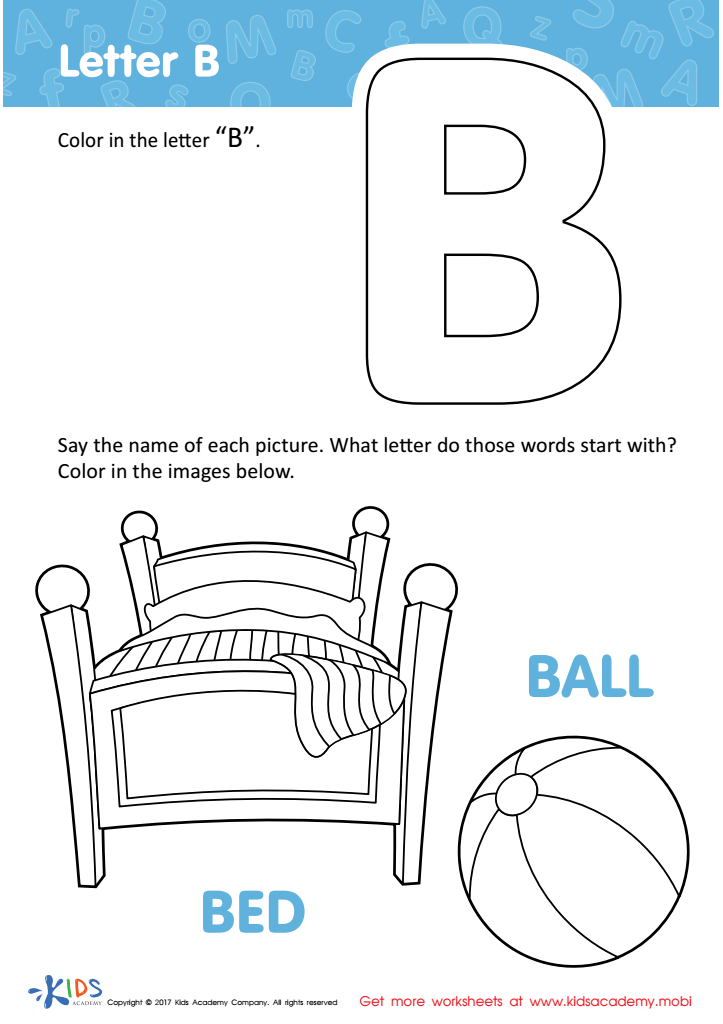
Letter B Coloring Sheet
 Assign to My Students
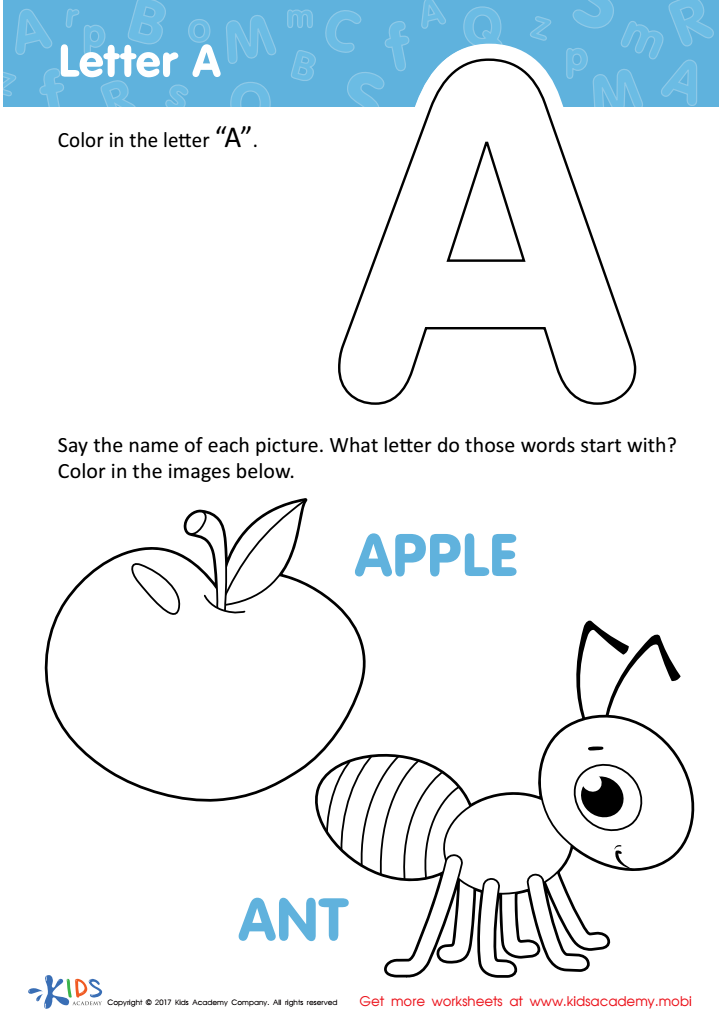
Letter A Coloring Sheet
Assign to My Students

Letter H Tracing Page
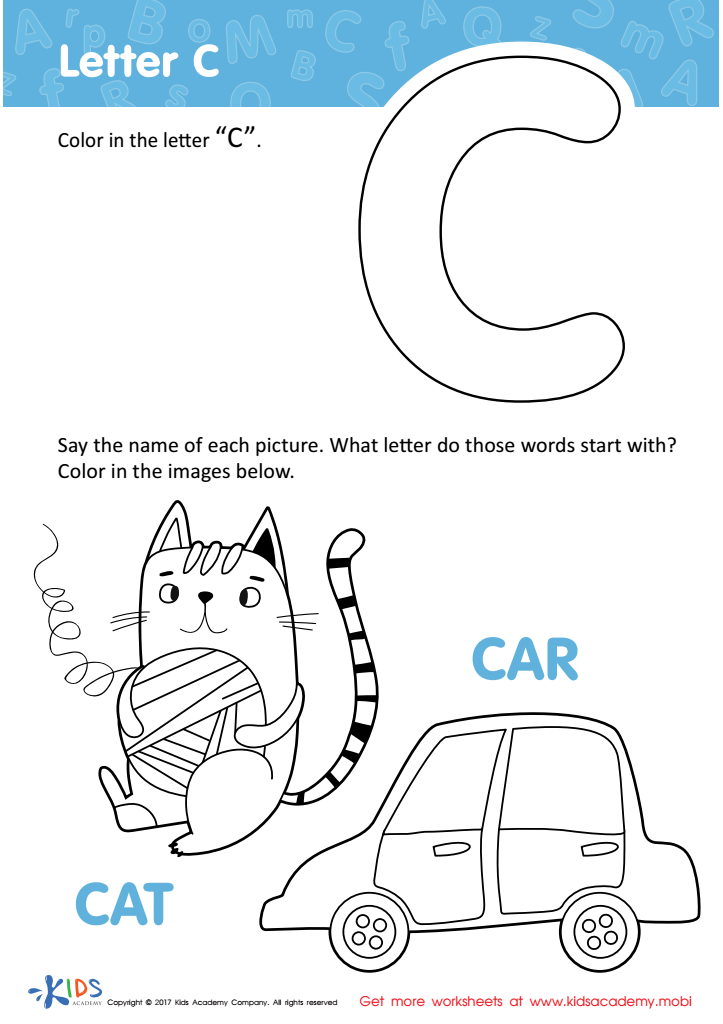
Letter C Coloring Sheet
Assign to My Students
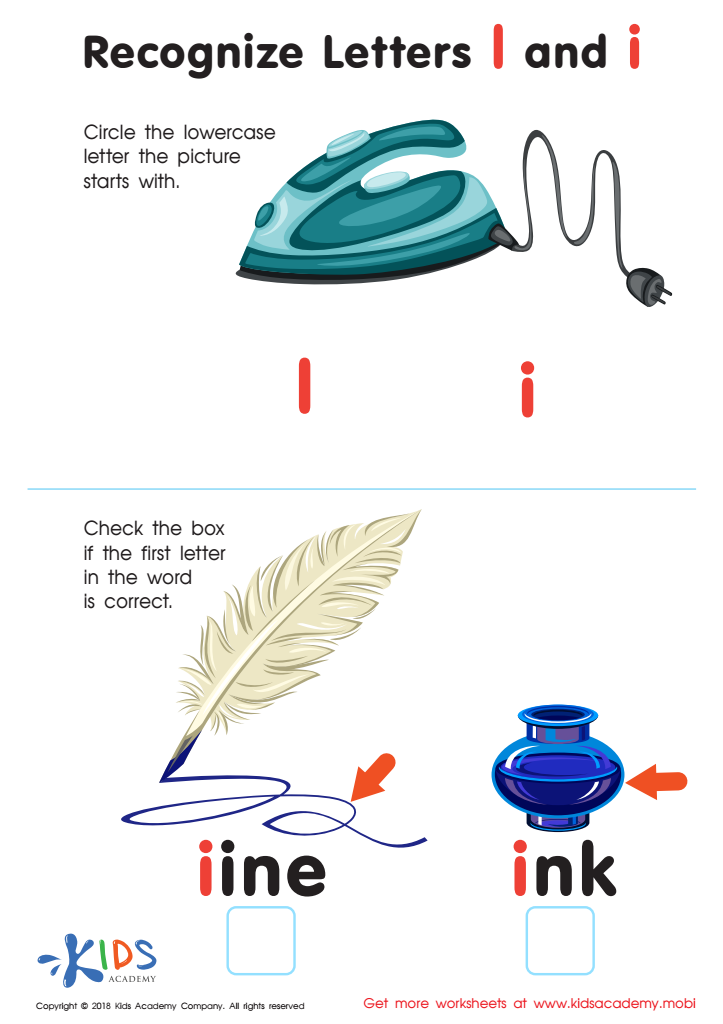
Recognize Letters l and i Worksheet








Writing practice and letter recognition are foundational skills for children aged 5-8, crucial for their overall literacy development. Parents and teachers should prioritize these activities, as they establish a base for effective communication and learning.
First and foremost, normal letter recognition helps children understand the alphabet, which is essential for reading and writing. Being able to recognize letters empowers children to make connections between sounds and letters, which is vital for phonics and vocabulary acquisition.
Moreover, writing practice inspires creativity and self-expression. Children begin to convey their thoughts, ideas, and emotions through written language, fostering their confidence and enthusiasm for reading and writing activities.
Additionally, these skills play a significant role in cognitive development. Engaging in writing and recognizing letters helps improve fine motor skills as children learn to grip pencils, form letters, and develop their handwriting.
Lastly, early exposure to writing practices and letter recognition can significantly impact their academic performance in later years. A strong foundation in literacy sets the stage for a lifelong love of learning, making it essential for parents and teachers to actively support and encourage these practices in a fun, engaging manner.








