Hand-eye Coordination Normal Tracing Lines and Curves Worksheets for Ages 5-8
4 filtered results
-
From - To
Enhance your child's fine motor skills with our Hand-eye Coordination Normal Tracing Lines and Curves Worksheets for ages 5-8. These engaging, age-appropriate printables are designed to help young learners effectively develop hand-eye coordination and precision. Our carefully crafted tracing activities also improve focus, boost cognitive development, and prepare kids for proper handwriting. Perfect for classroom use or at-home practice, each worksheet ensures children enjoy a fun, educational experience while mastering essential pre-writing skills. Give your child the best start on their learning journey today with these delightful and educational worksheets!
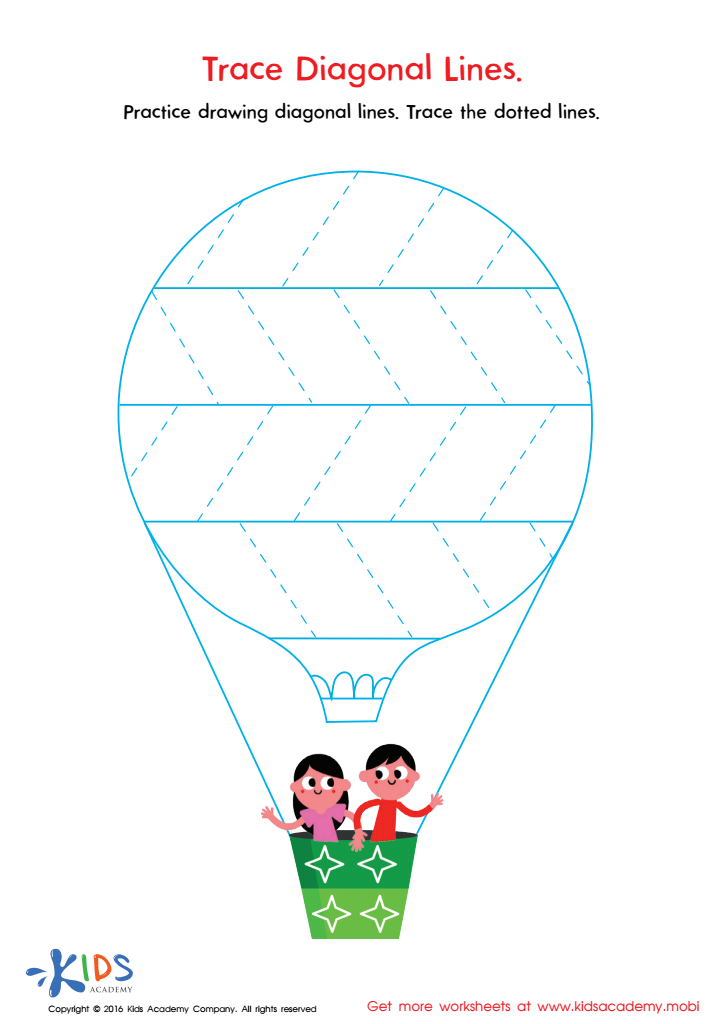
Trace Diagonal Lines Worksheet
 Assign to My Students
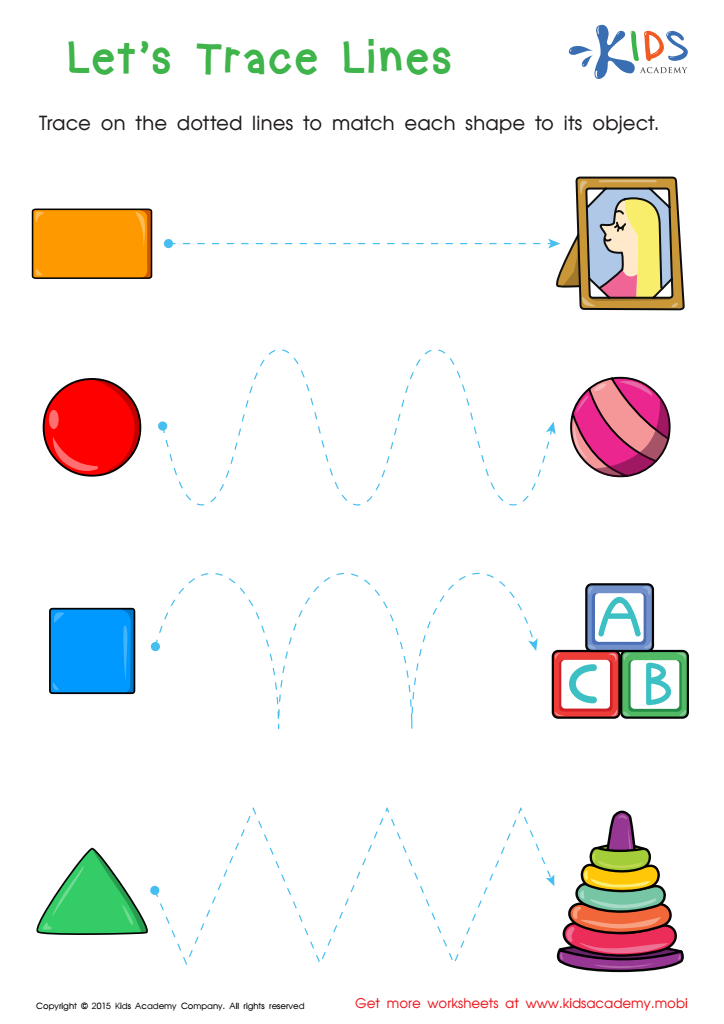
First Words: Let's Trace Lines Worksheet
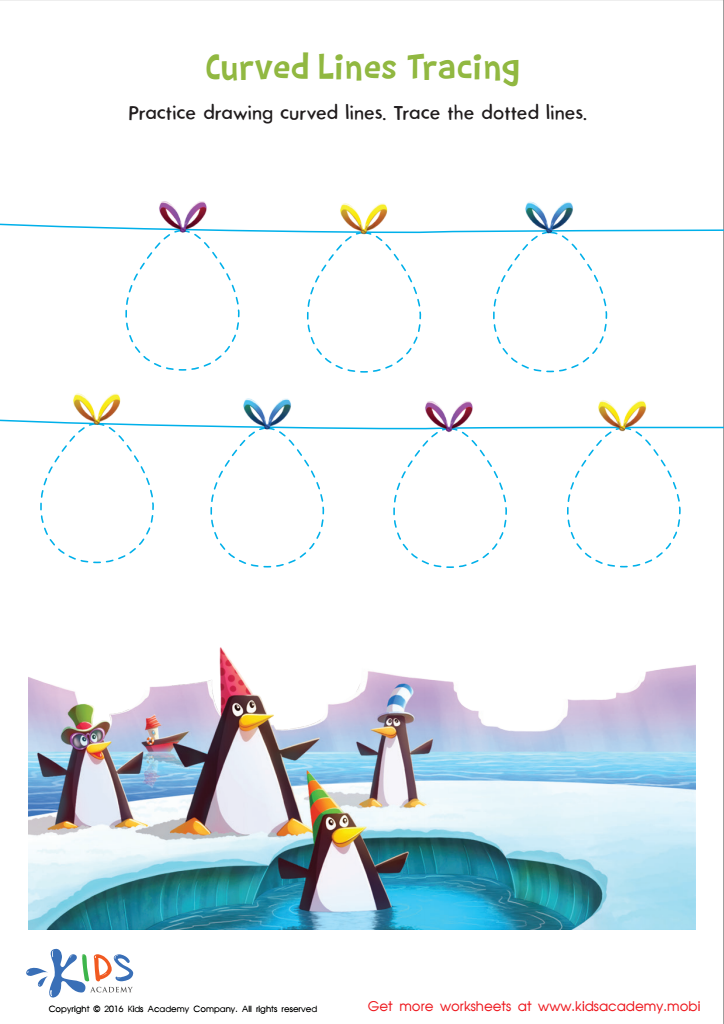
Curved Lines Tracing Worksheet
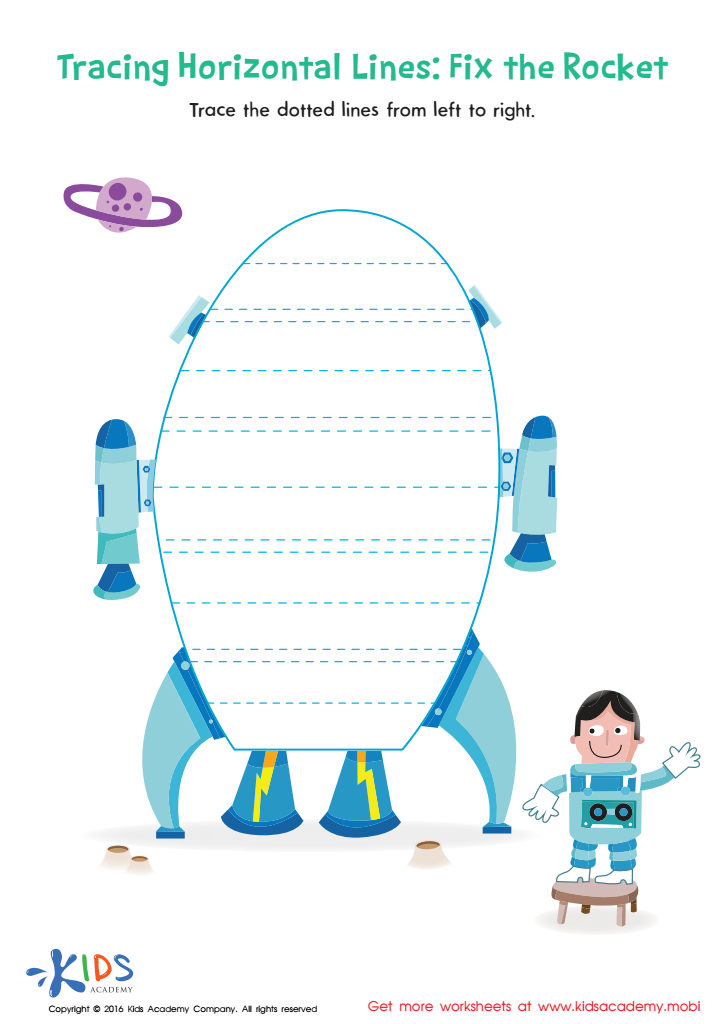
Tracing Horizontal Lines Worksheet




Hand-eye coordination is a critical aspect of a child's development, providing the foundational skills necessary for a variety of life tasks. For children aged 5-8, engaging in activities that develop hand-eye coordination, like tracing lines and curves, is immensely beneficial. Firstly, these activities directly support fine motor skills, which are essential for tasks such as writing, drawing, and even using utensils. Improved hand-eye coordination enables children to gain control over their movements, leading to better handwriting and academic performance.
Beyond fine motor skills, good hand-eye coordination plays a vital role in a child's ability to participate in sports and other physical activities, enhancing both physical fitness and social interaction skills. Children who excel in physical activities often experience increased confidence and self-esteem.
Moreover, tracing lines and curves can foster concentration and patience. These activities require children to focus and pay attention to detail, skills that extend beyond physical coordination and into cognitive development. Enhanced concentration can improve learning outcomes across subjects.
Finally, ensuring that children develop robust hand-eye coordination can prevent future frustrations and challenges. Early intervention sets a solid foundation for later complex tasks, leading to smoother development and fewer obstacles as children grow. Hence, parents and teachers play a crucial role in nurturing these foundational skills.







