Alphabet sequencing Normal Upper & Lowercase Letters Worksheets for Ages 5-8
4 filtered results
-
From - To
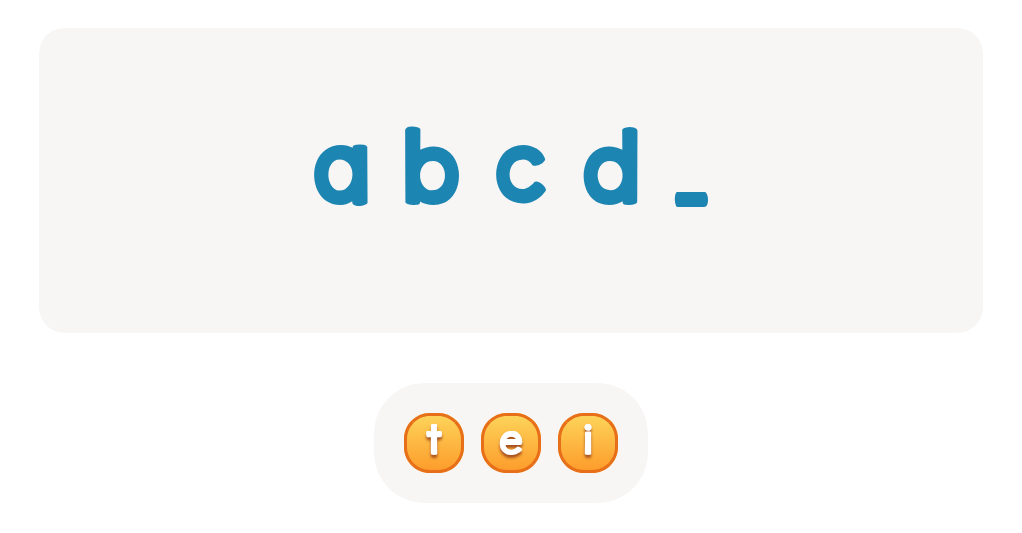
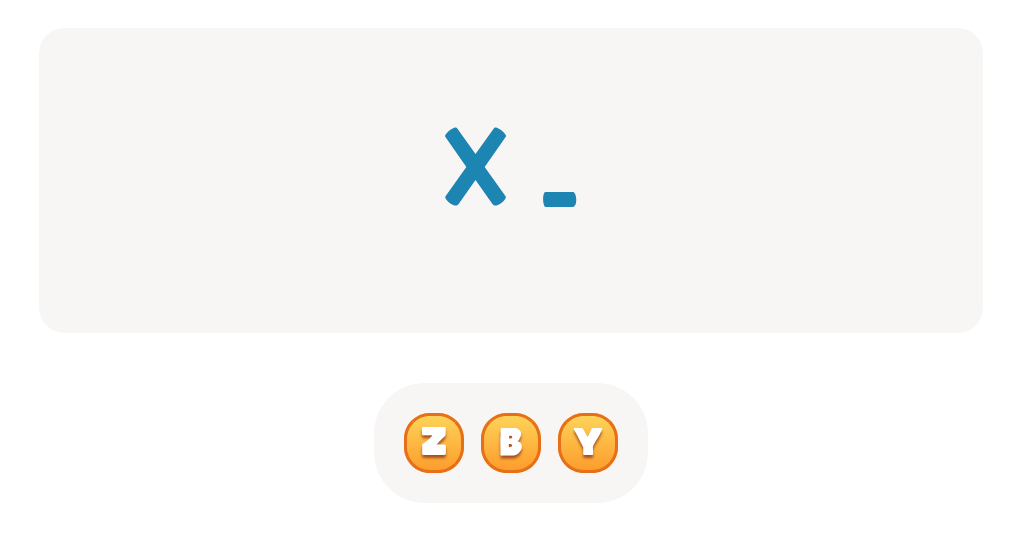
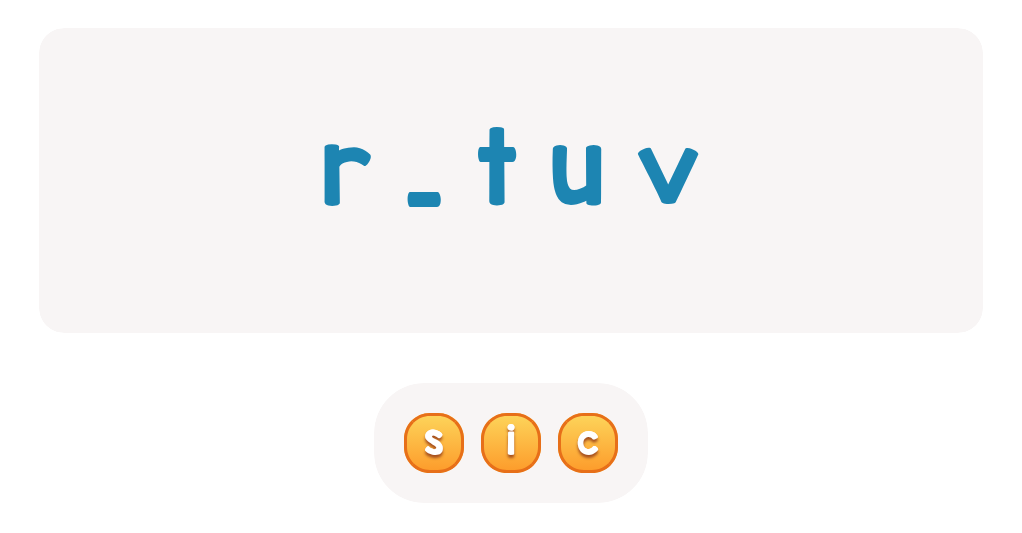
Discover our engaging "Alphabet Sequencing Normal Upper & Lowercase Letters Worksheets" designed for children ages 5-8. These interactive worksheets help young learners master the order of the alphabet while differentiating between uppercase and lowercase letters. Each activity encourages skill development in sequencing, letter recognition, and fine motor skills through fun and colorful exercises. Your child will enjoy tracing, tying together letters, and completing sequences, providing them with essential foundation skills for reading and writing. Tailored for early learners, our worksheets are perfect for home or classroom use, making learning the alphabet a delightful and educational experience. Start the journey today!
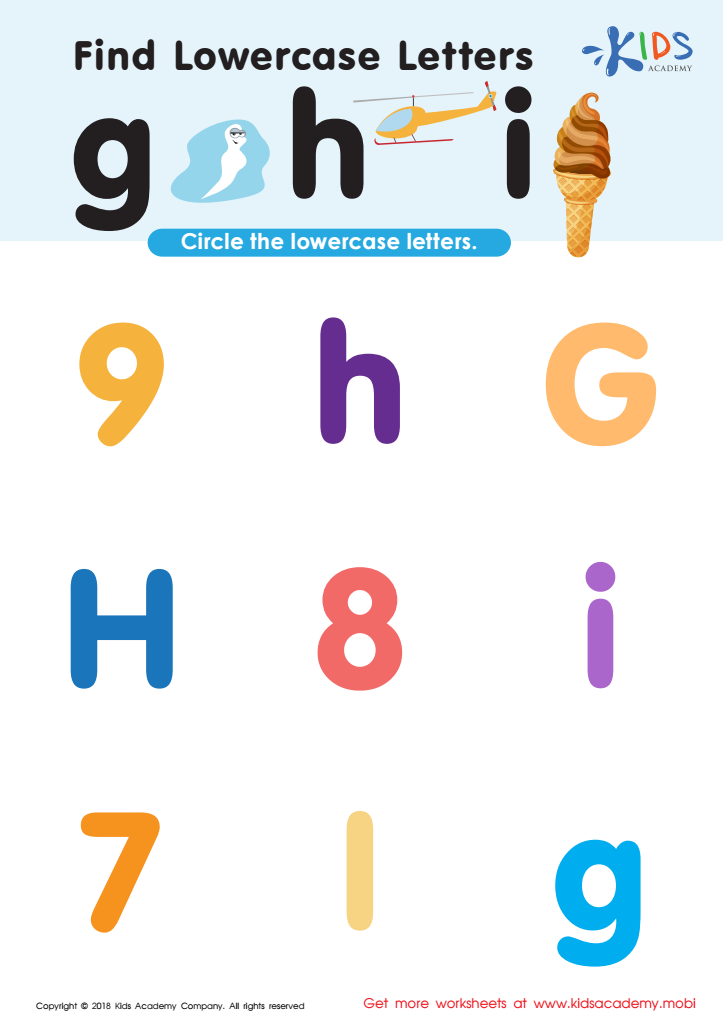
Find Lowercase Letters g h i Worksheet
 Assign to My Students
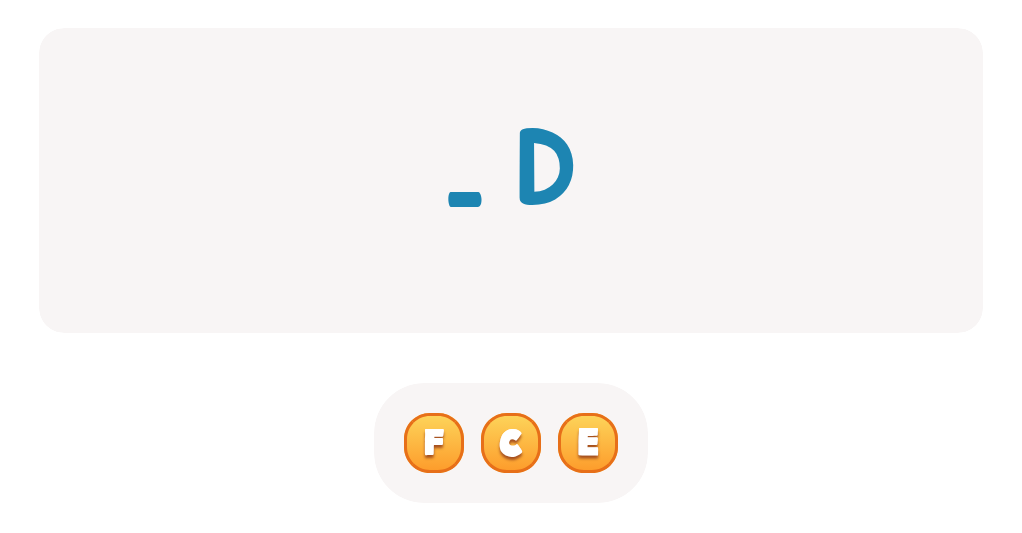

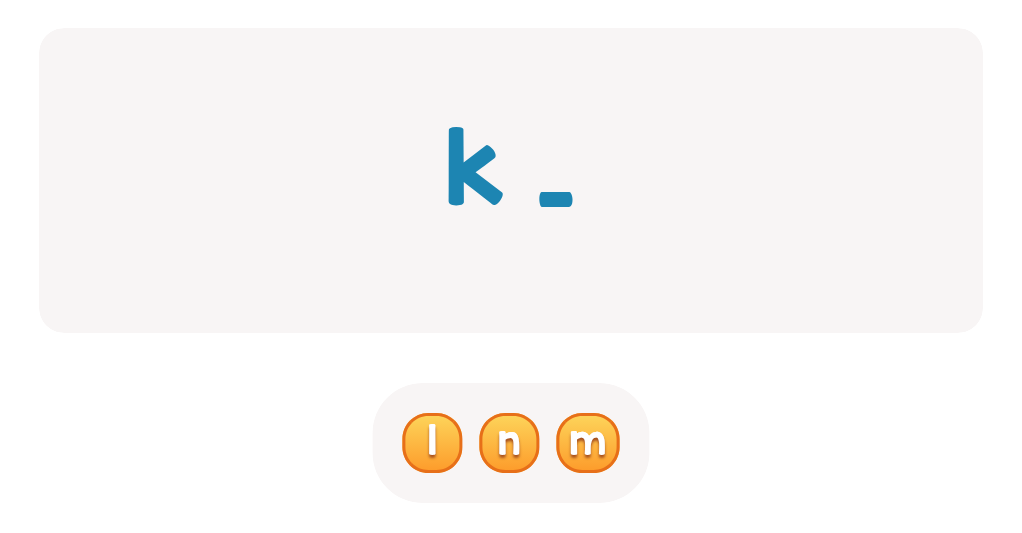
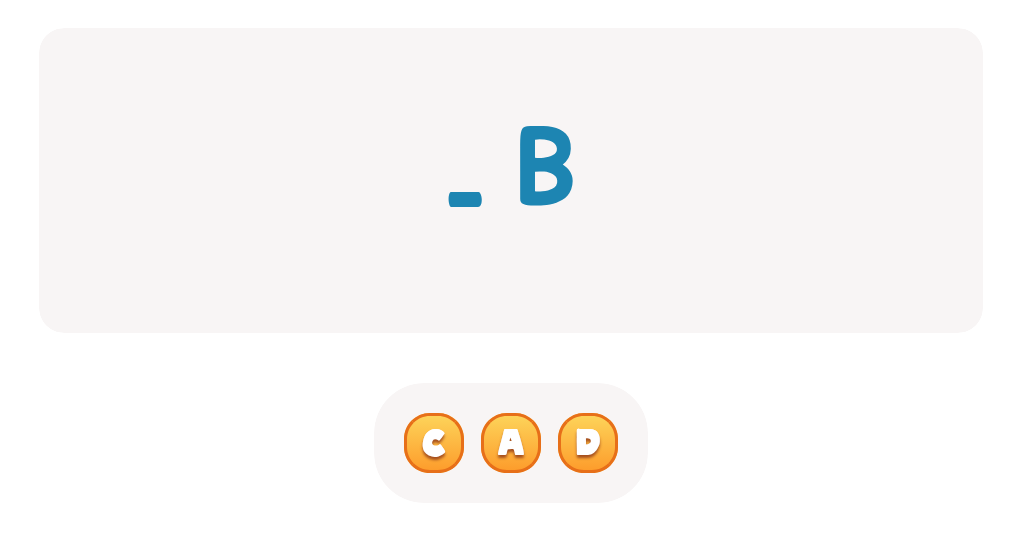
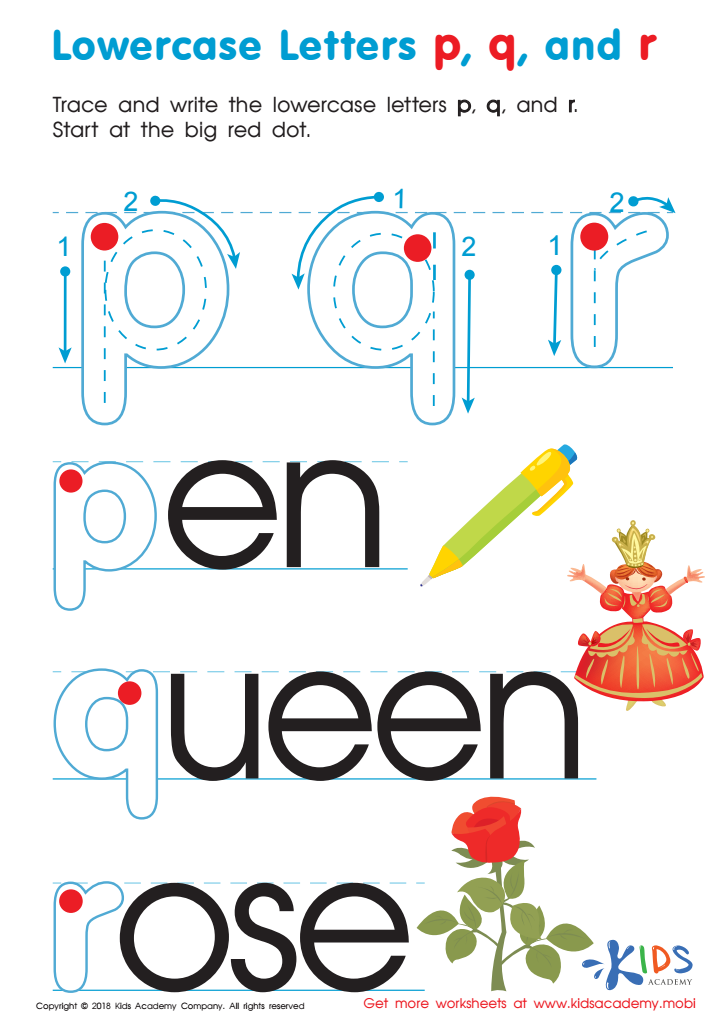
Lowercase Letters p q r Worksheet
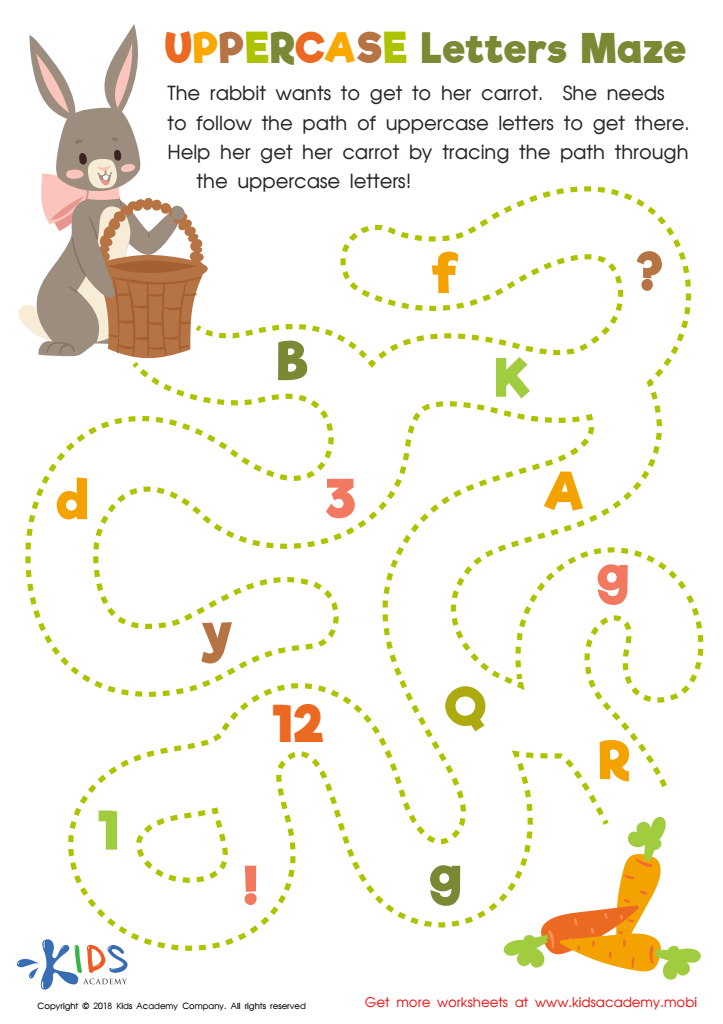
Uppercase Letters Maze Worksheet
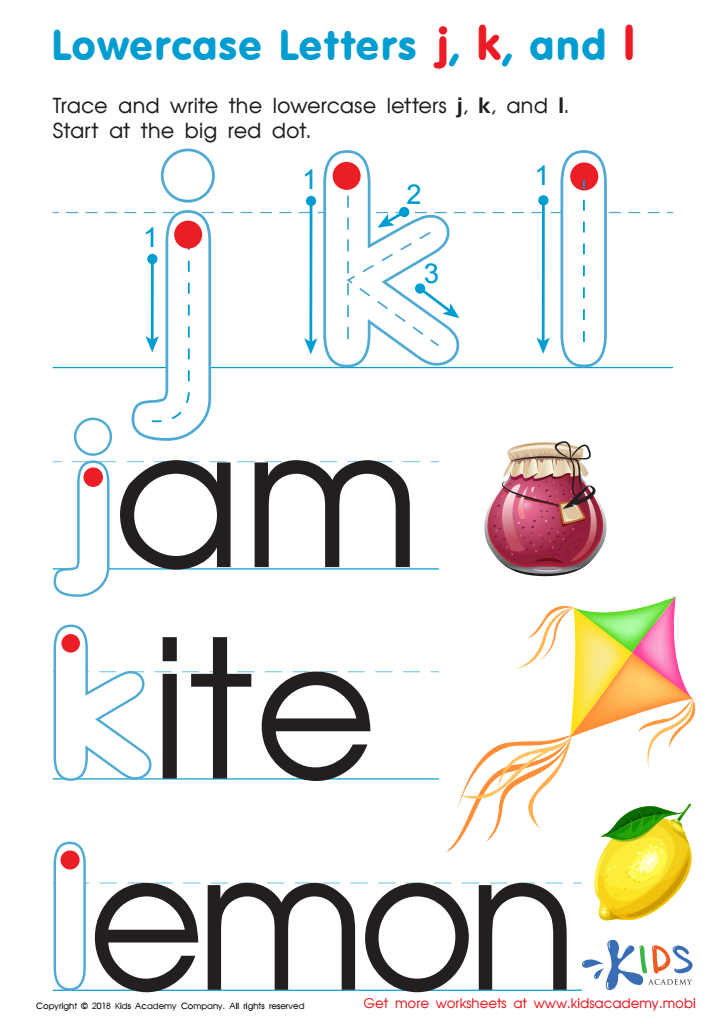
Lowercase Letters j k l Worksheet






Alphabet sequencing, particularly the understanding of normal upper and lowercase letters, is essential for children aged 5-8 as it serves as a fundamental building block for literacy. Parents and teachers should care about this for several reasons:
Firstly, recognizing and sequencing letters helps improve phonemic awareness, allowing children to grasp the sounds that letters represent. This is crucial for developing reading skills. Secondly, the ability to differentiate between upper and lowercase letters is vital for reading fluency and writing proficiency. It prepares children to recognize and comprehend a variety of written texts, from books to signs.
Furthermore, engaging children in letter sequencing activities fosters cognitive development and fine motor skills. By arranging letters, children enhance their problem-solving abilities and creativity. It also builds their confidence as they correctly identify and use letters in context.
Lastly, a strong foundation in letter recognition and sequencing can lead to greater academic success, as literacy is directly linked to performance in other subjects. Encouraging and supporting children in mastering alphabet sequencing not only equips them with necessary skills for effective communication but also instills a lifelong love for reading and writing. Thus, dedicated attention to this area is fundamental for holistic child development during these formative years.







