Alphabet Recognition Normal English for Beginners Worksheets for Ages 5-8
19 filtered results
-
From - To
Welcome to our "Alphabet Recognition Normal English for Beginners Worksheets," designed specifically for children aged 5-8. These engaging worksheets help young learners develop essential alphabet recognition skills, crucial for their early reading and writing journey. Each activity is tailored to reinforce letter identification through fun and interactive exercises, including tracing, matching, and coloring. Perfect for both classroom settings and home learning, these worksheets support varied learning styles while making the learning experience enjoyable. With playful illustrations and clear instructions, kids will confidently familiarize themselves with the English alphabet, setting the foundation for future literacy skills. Explore the joy of learning today!
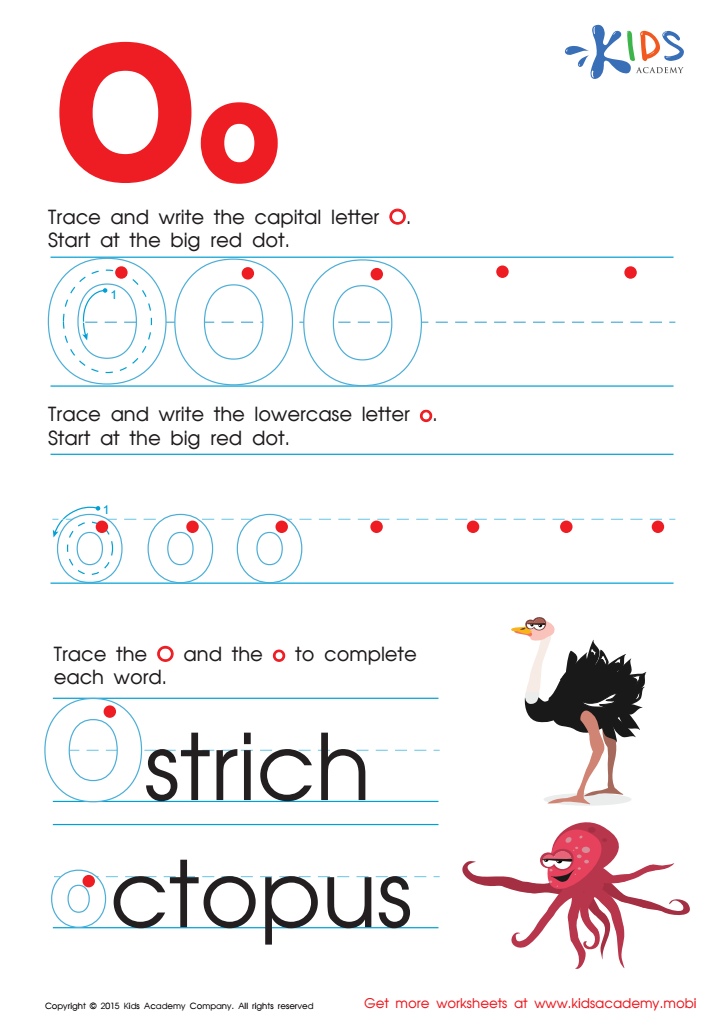
Letter O Tracing Page
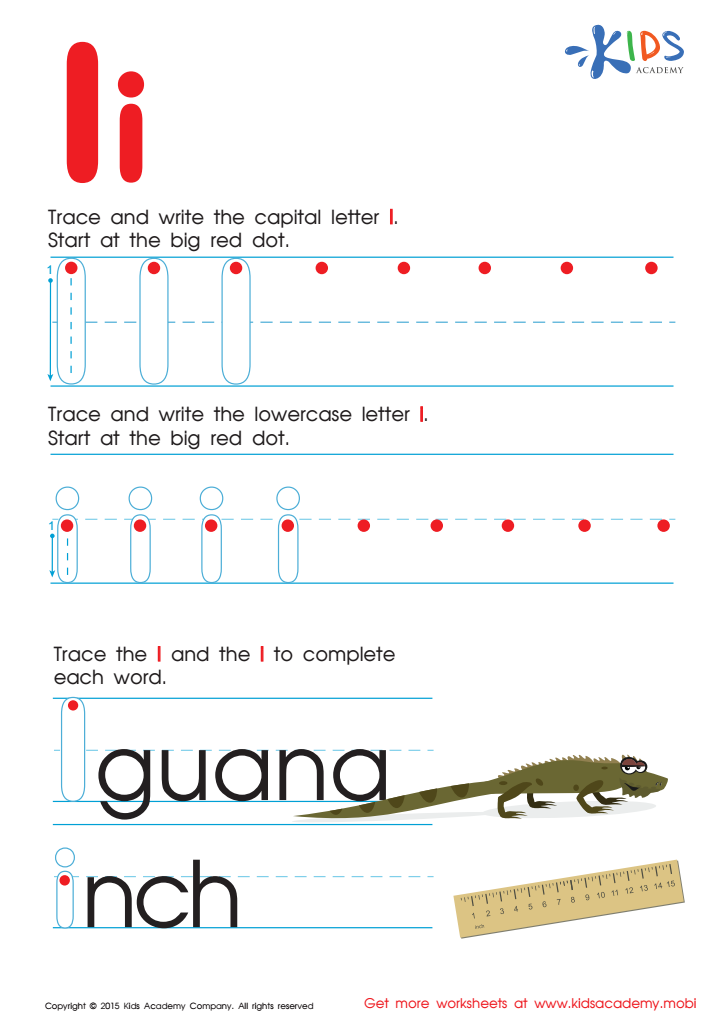
Letter I Tracing Page
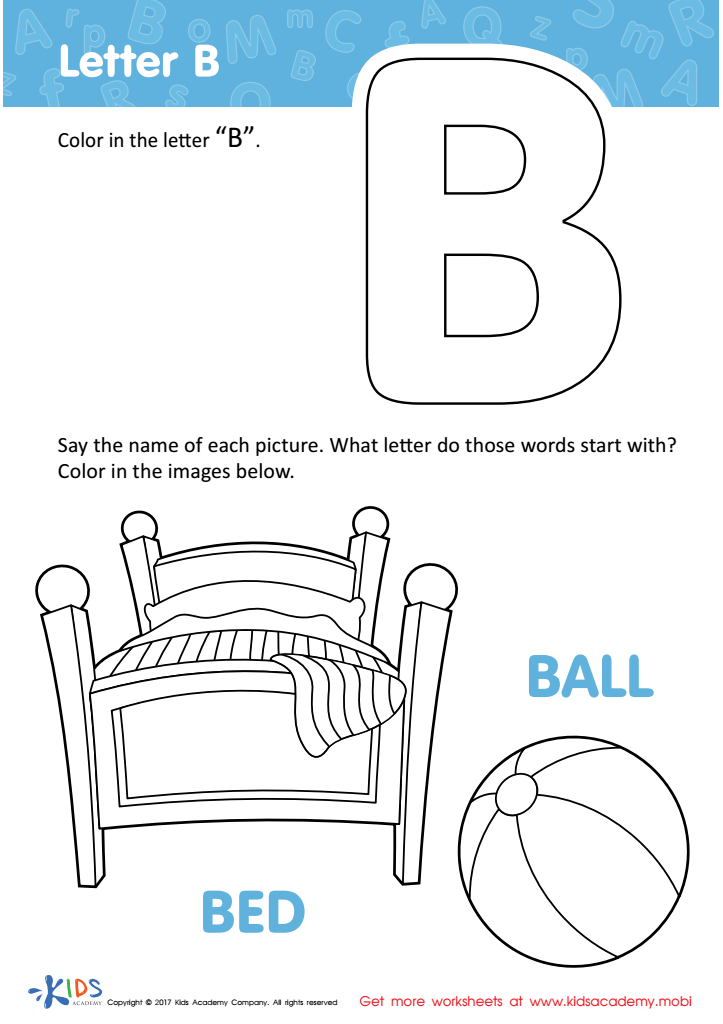
Letter B Coloring Sheet
 Assign to My Students
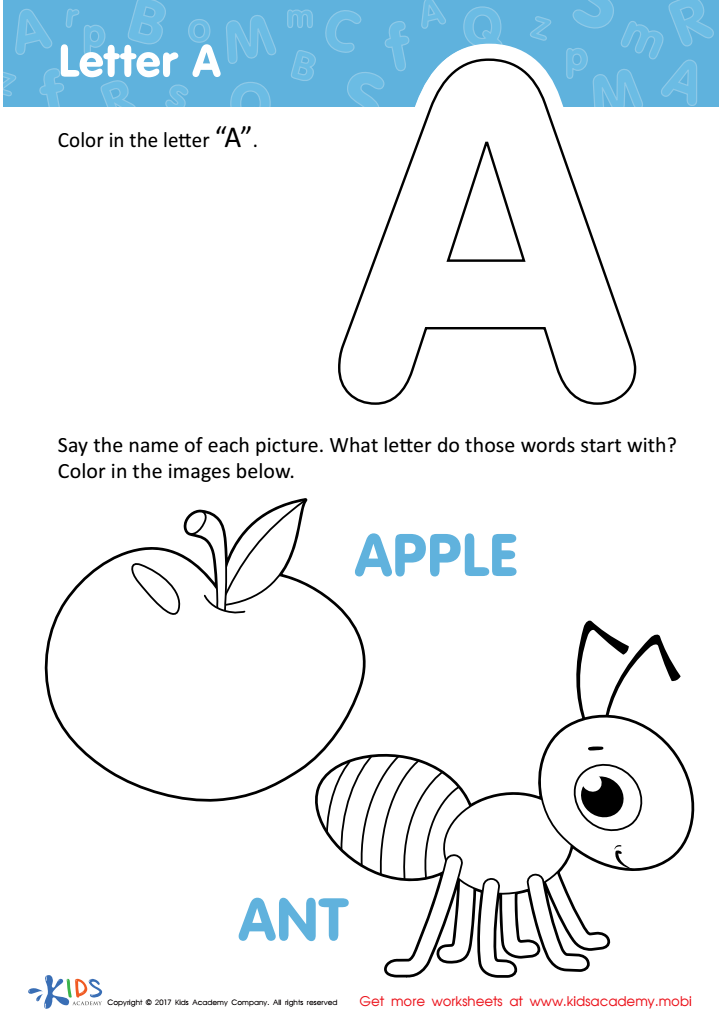
Letter A Coloring Sheet
Assign to My Students
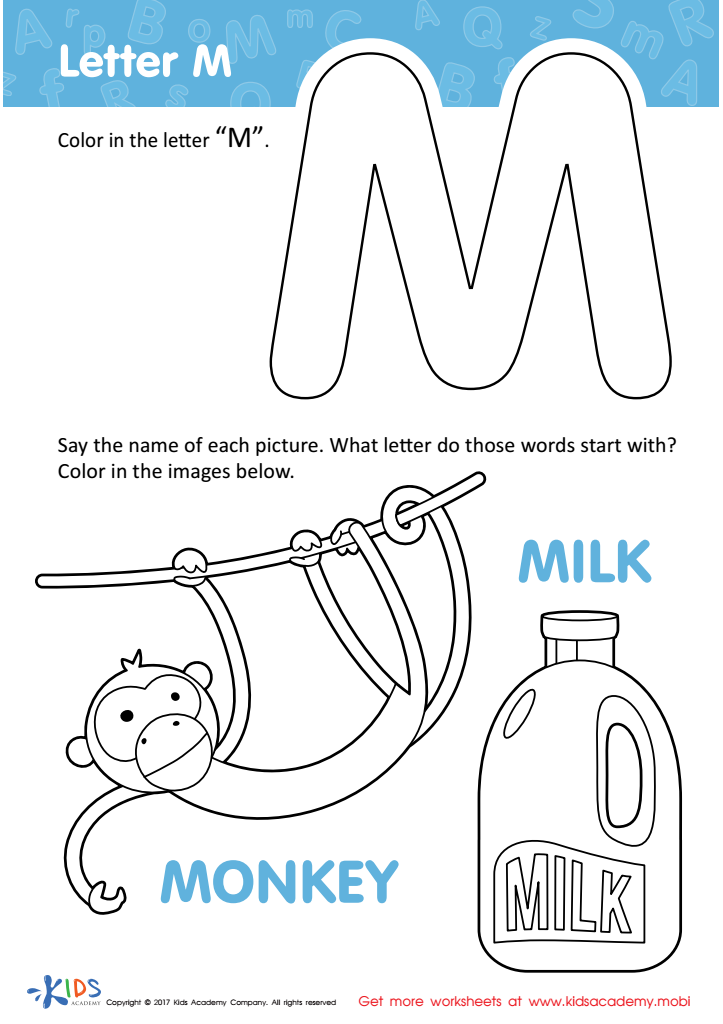
Letter M Coloring Sheet
Assign to My Students
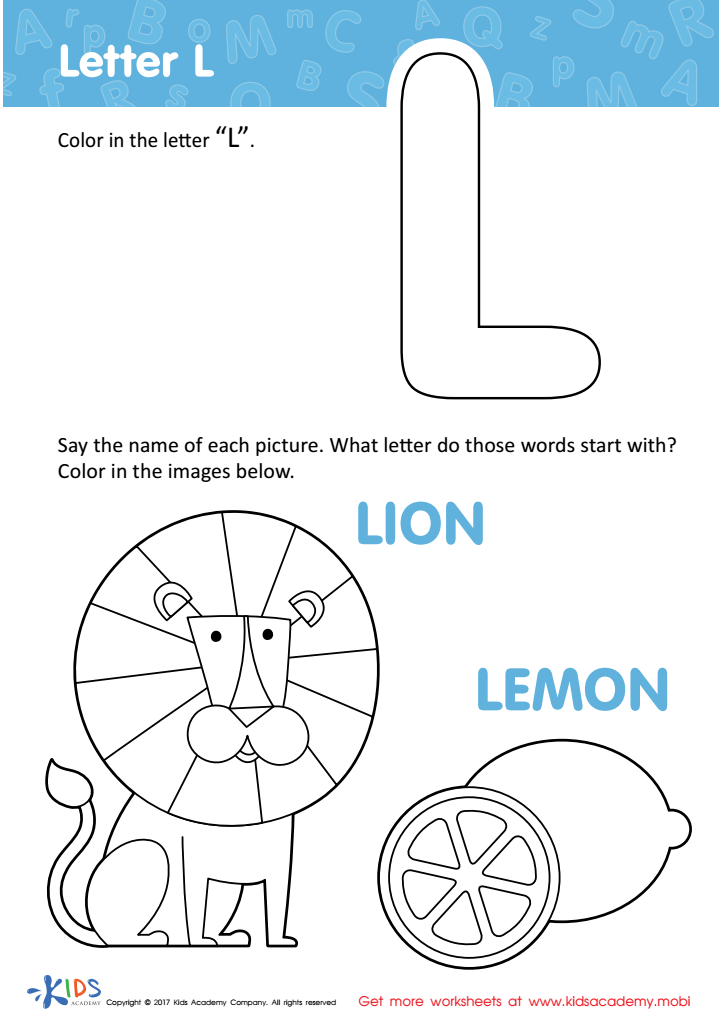
Letter L Coloring Sheet
Assign to My Students

Letter C Tracing Page
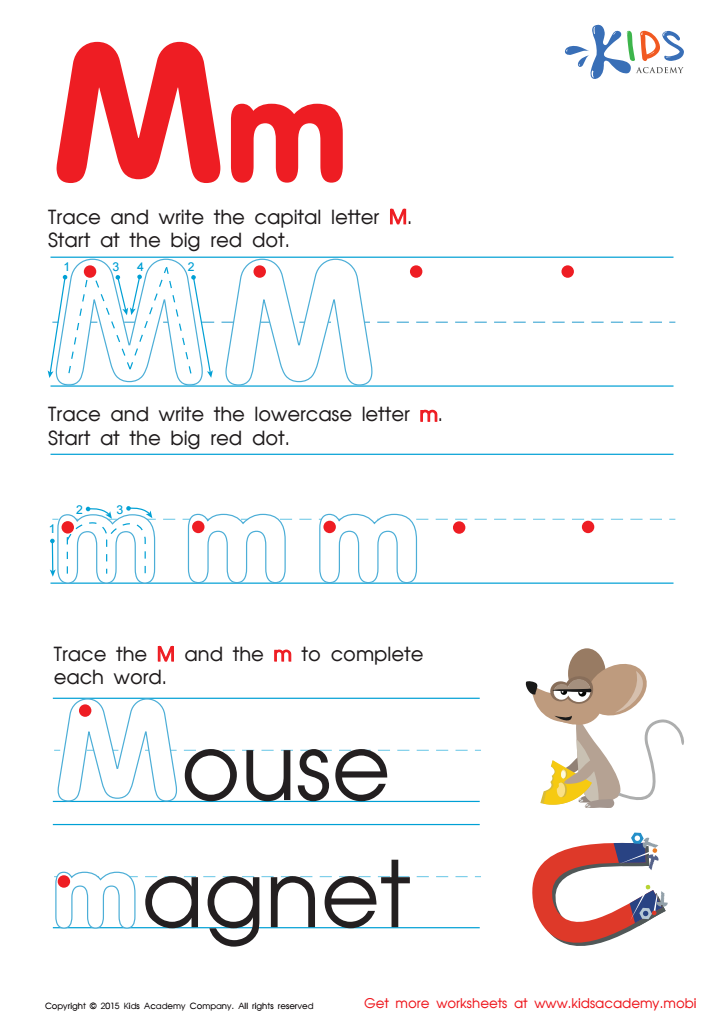
Letter M Tracing Page
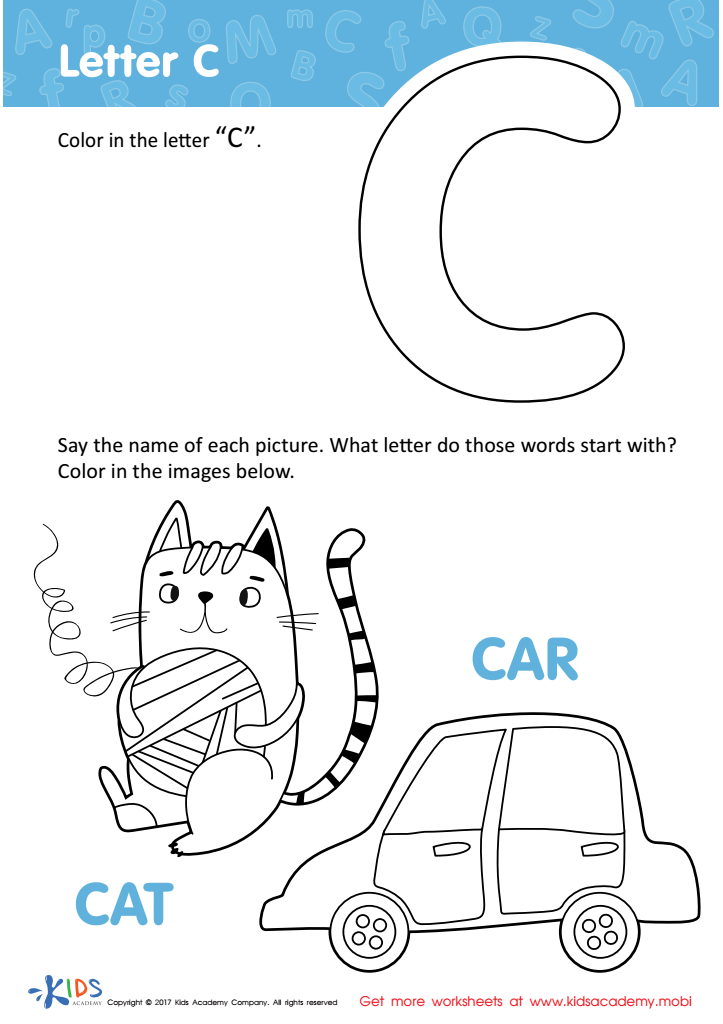
Letter C Coloring Sheet
Assign to My Students
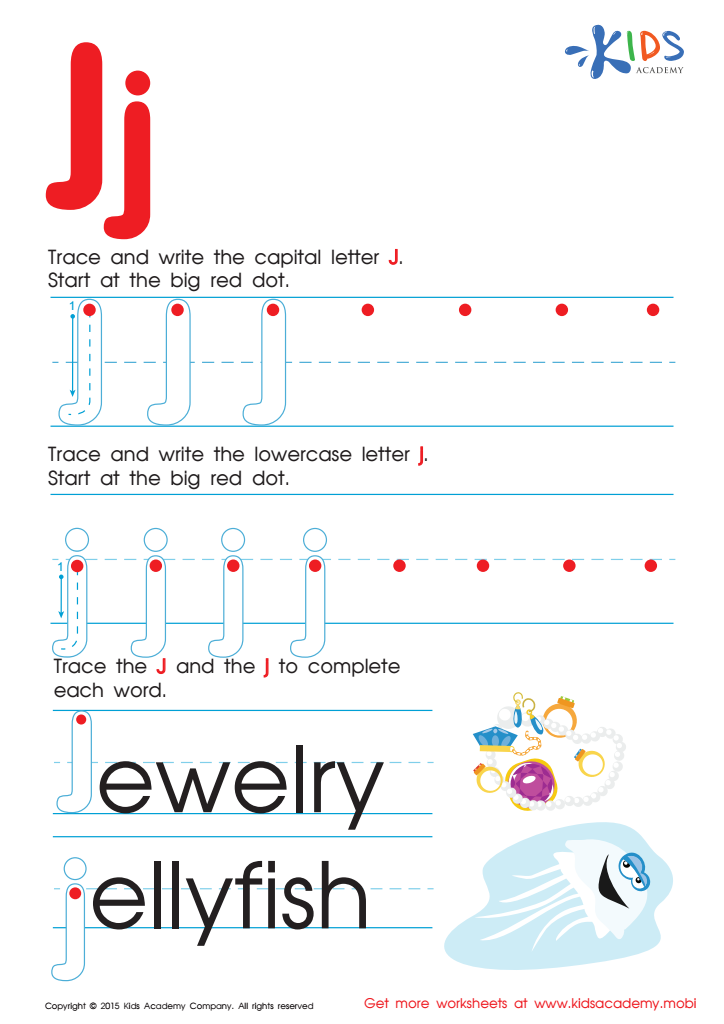
Letter J Tracing Page
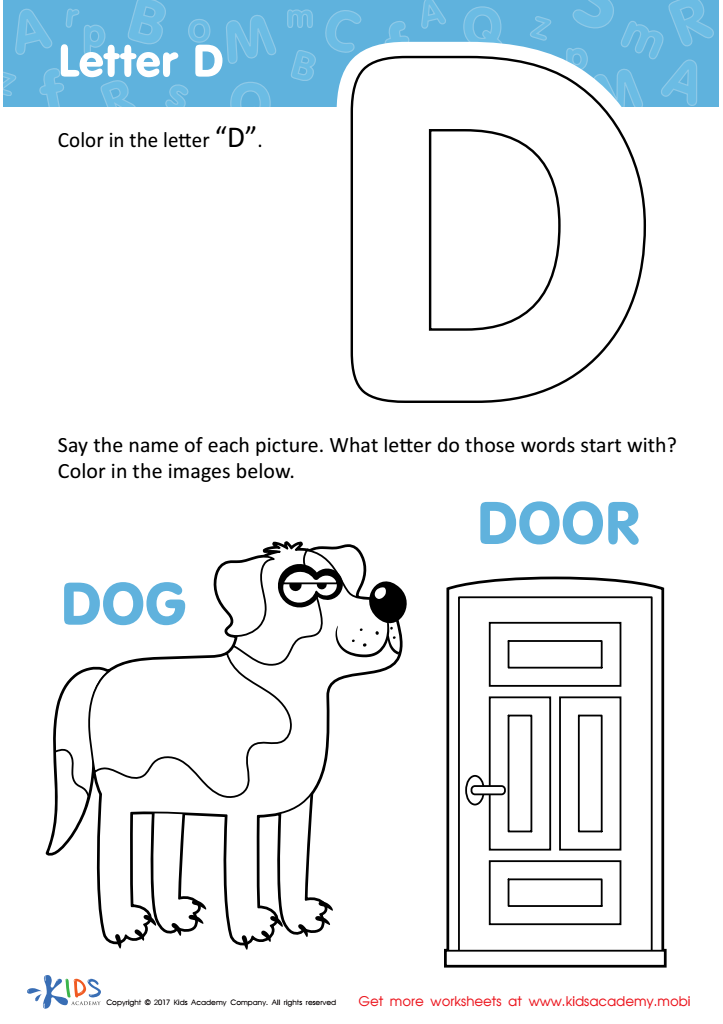
Letter D Coloring Sheet
Assign to My Students
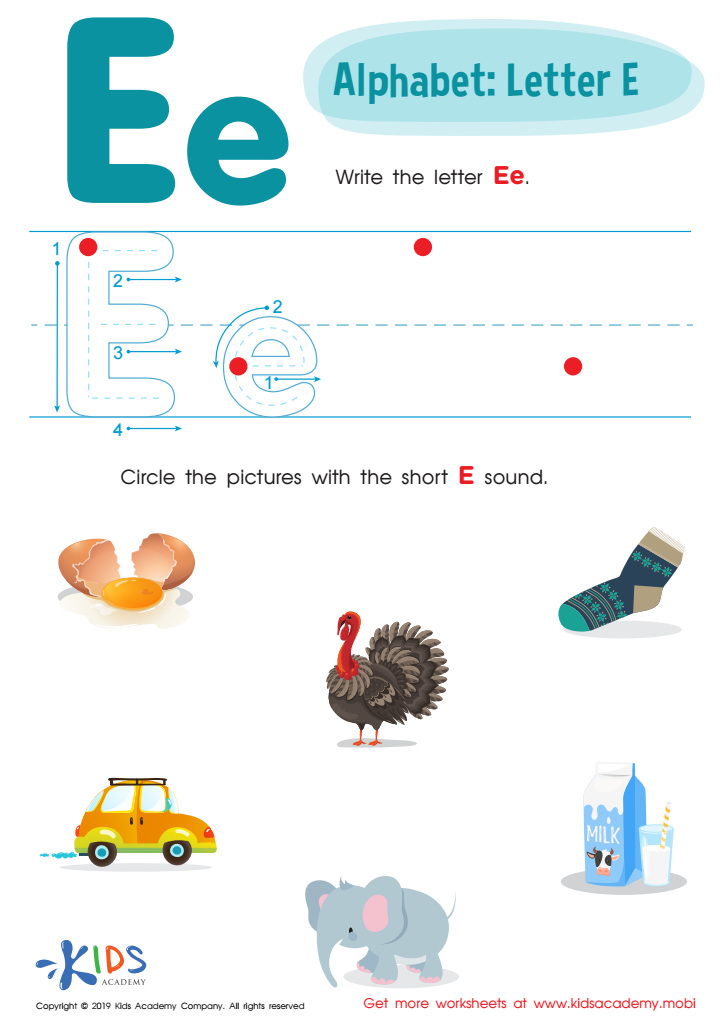
Letter E Tracing Worksheet
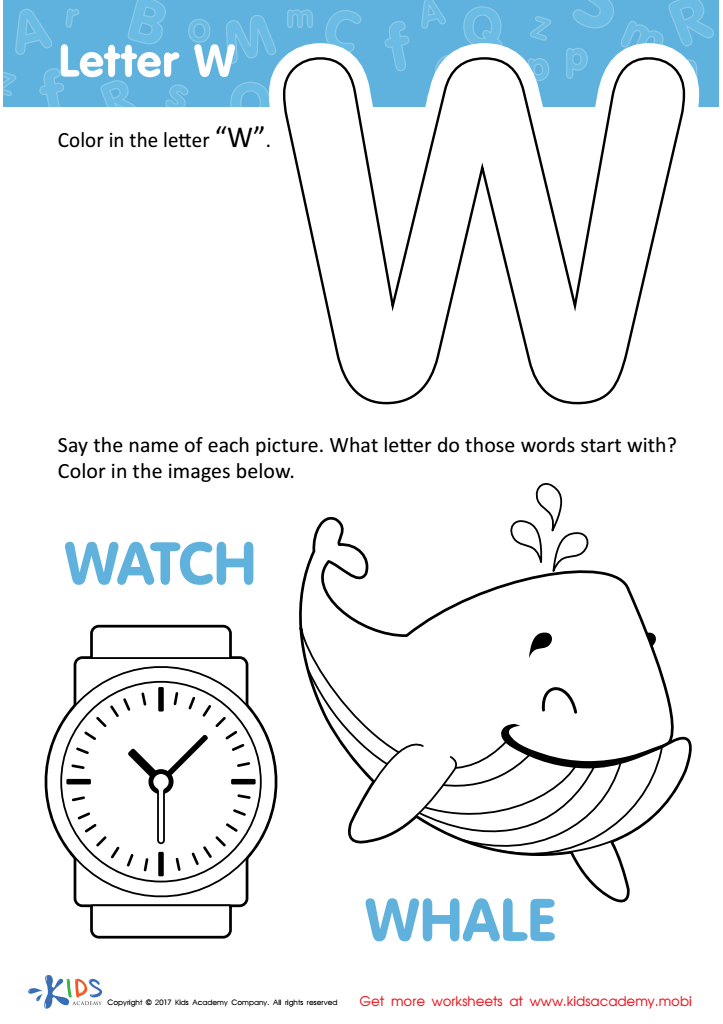
Letter W Coloring Sheet
Assign to My Students
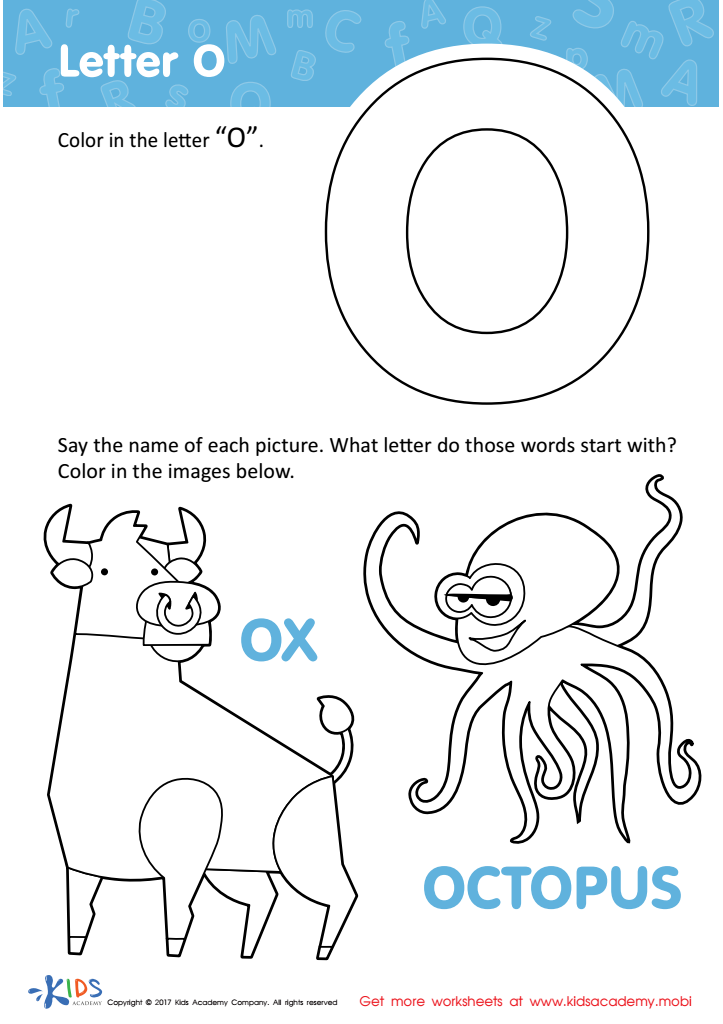
Letter O Coloring Sheet
Assign to My Students
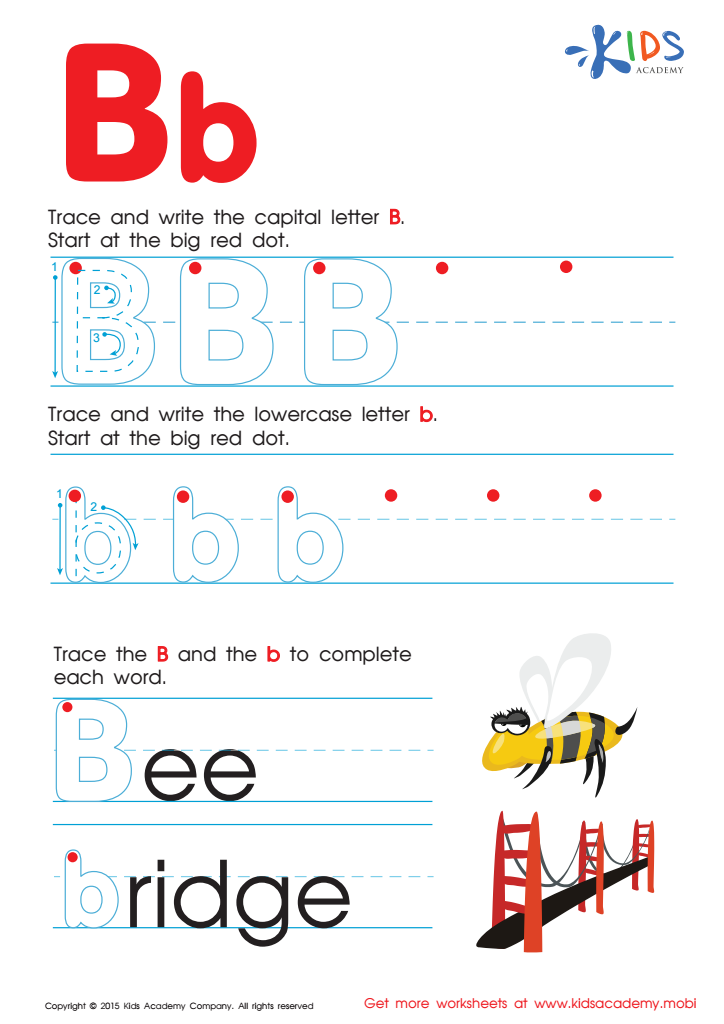
Letter B Tracing Page
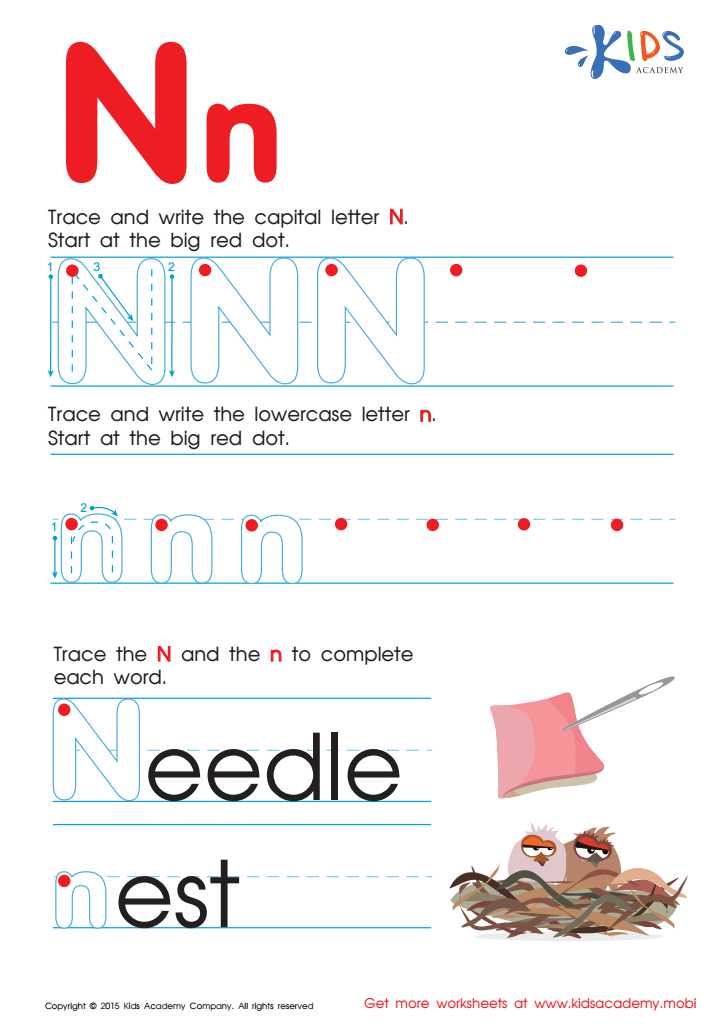
Letter N Tracing Page
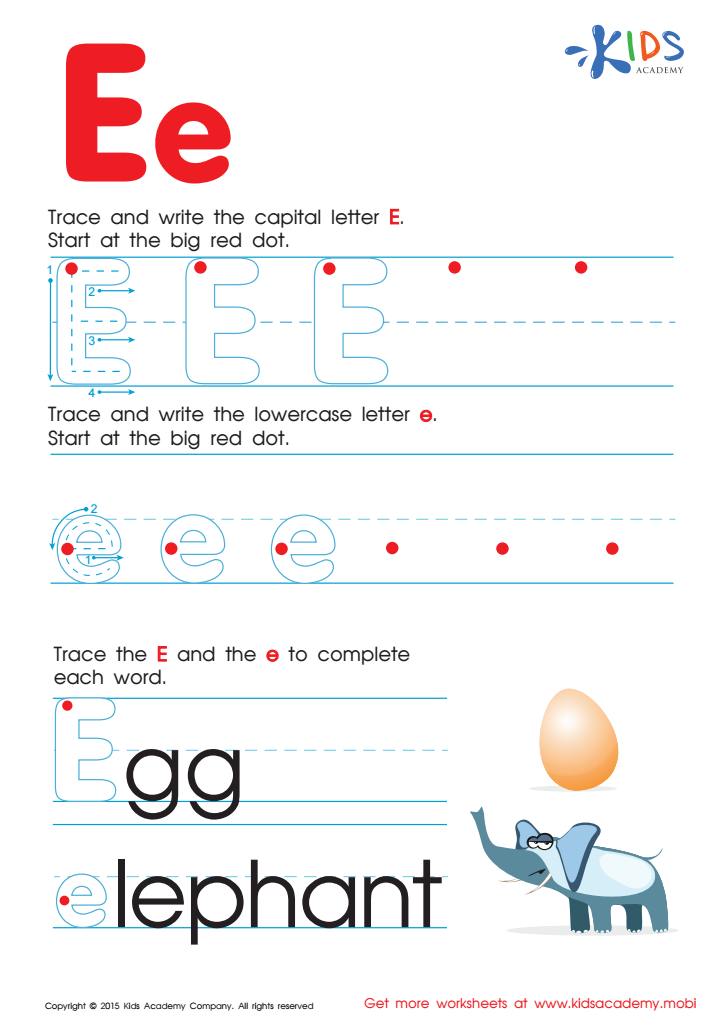
Letter E Tracing Page
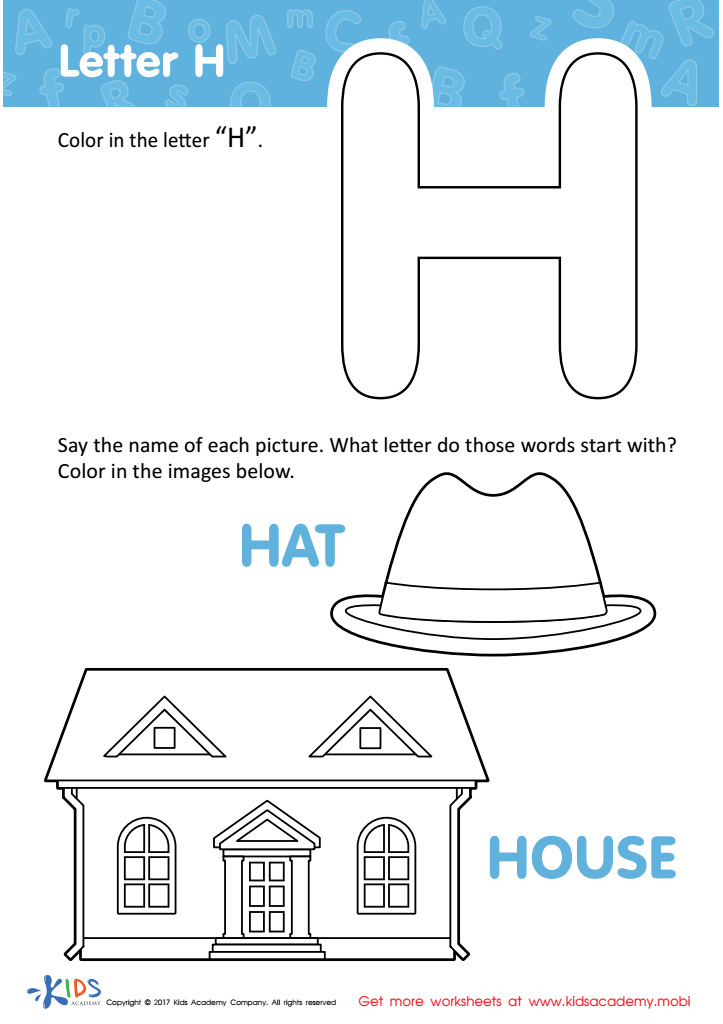
Letter H Coloring Sheet
Assign to My Students
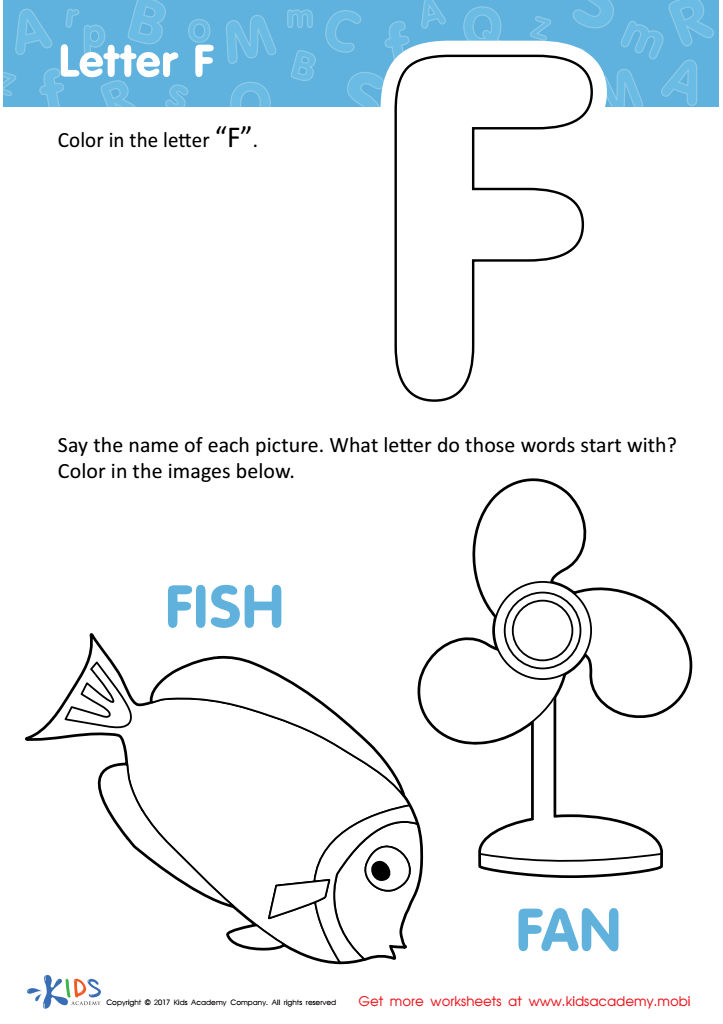
Letter F Coloring Sheet
Assign to My Students





Alphabet recognition is a fundamental skill integral to early literacy development. For children aged 5 to 8, mastering the alphabet lays the groundwork for reading and writing. Parents and teachers should prioritize this skill because it promotes phonemic awareness, which helps children understand the relationship between letters and sounds. By recognizing letters, children can begin decoding words, which is crucial for successful reading.
Additionally, alphabet recognition aids in vocabulary expansion. When children become familiar with letters and their sounds, they are more likely to engage with books and reading materials, fostering a love of literature. This exposure enhances their comprehension ability and stimulates cognitive development.
Moreover, in today’s digital age, where early literacy serves as a stepping stone to various academic subjects, proficiency in recognizing the alphabet becomes even more vital. This ability can influence a child’s confidence and interest in learning, contributing to a positive educational experience.
Supporting alphabet recognition during the ages of 5 to 8 also allows for early intervention, helping identify students who may need extra assistance sooner rather than later. For these reasons, parents and teachers should actively engage in activities that promote alphabet recognition, setting up children for lasting academic success.