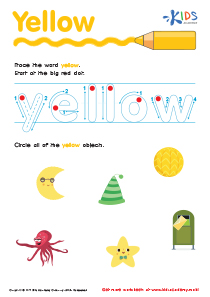
Motor skills development Normal English for Beginners Worksheets for Ages 5-8
3 filtered results
-
From - To
Discover essential "Motor Skills Development" worksheets designed for ages 5-8, focusing on beginners in Normal English. These expertly crafted resources help young learners improve their fine and gross motor skills through engaging activities. Ideal for those whose primary language isn't English, each worksheet combines motor skill practice with language learning. From tracing and cutting exercises to easy hand-eye coordination tasks, our worksheets are perfect for nurturing your child's development in a fun, educational way. Boost your child's confidence and skill set with our age-appropriate, easy-to-follow worksheets today!
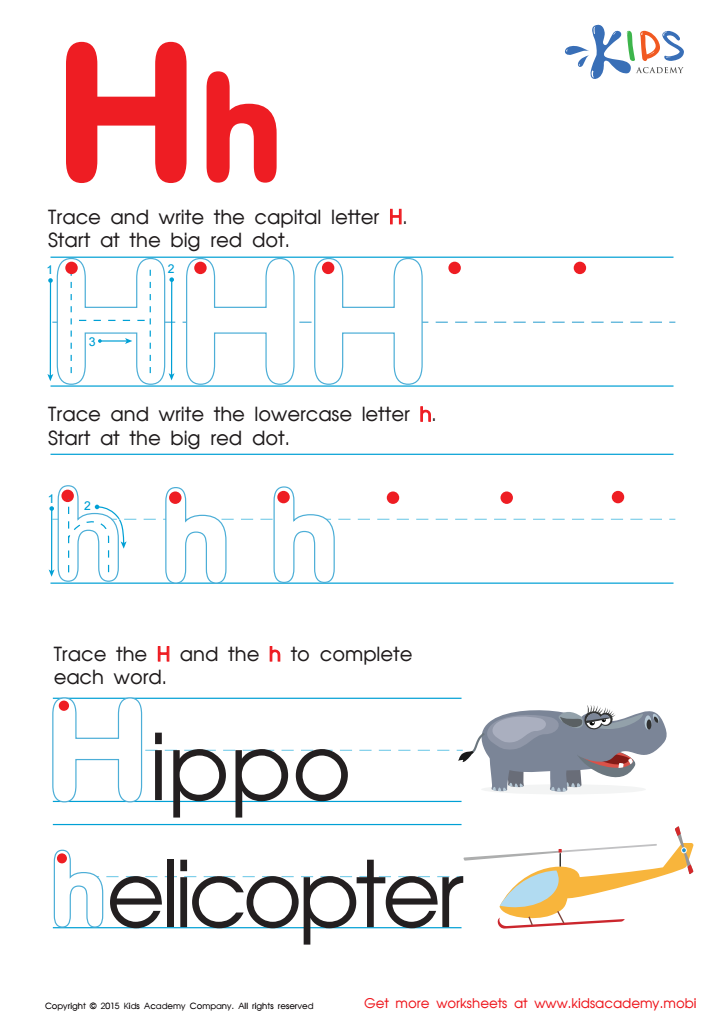
Letter H Tracing Page
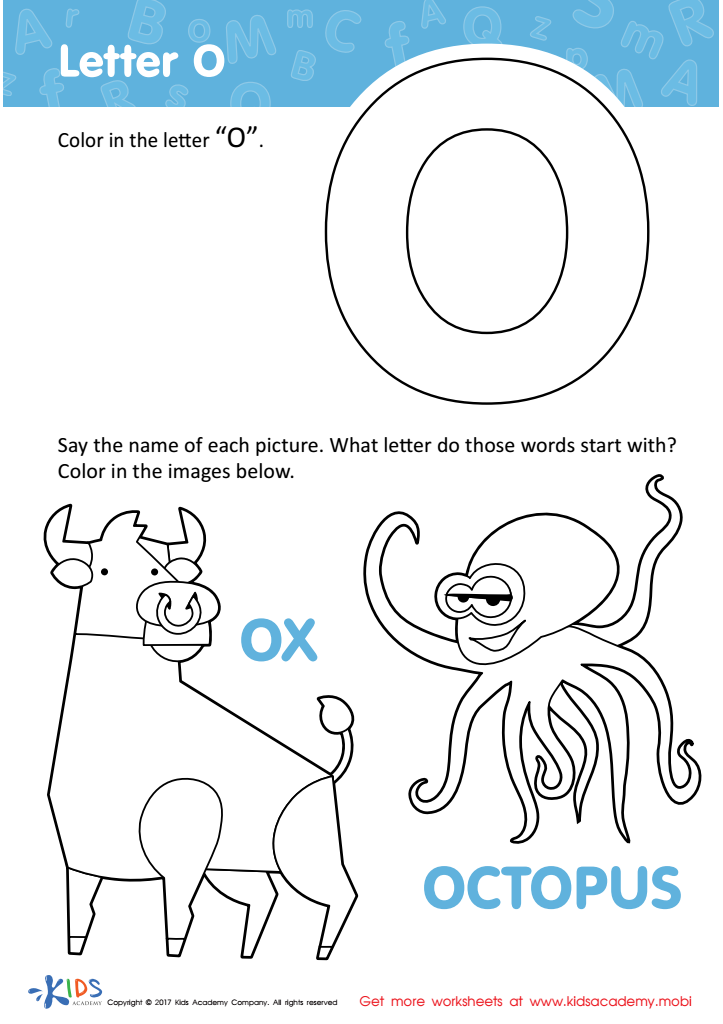
Letter O Coloring Sheet
 Assign to My Students
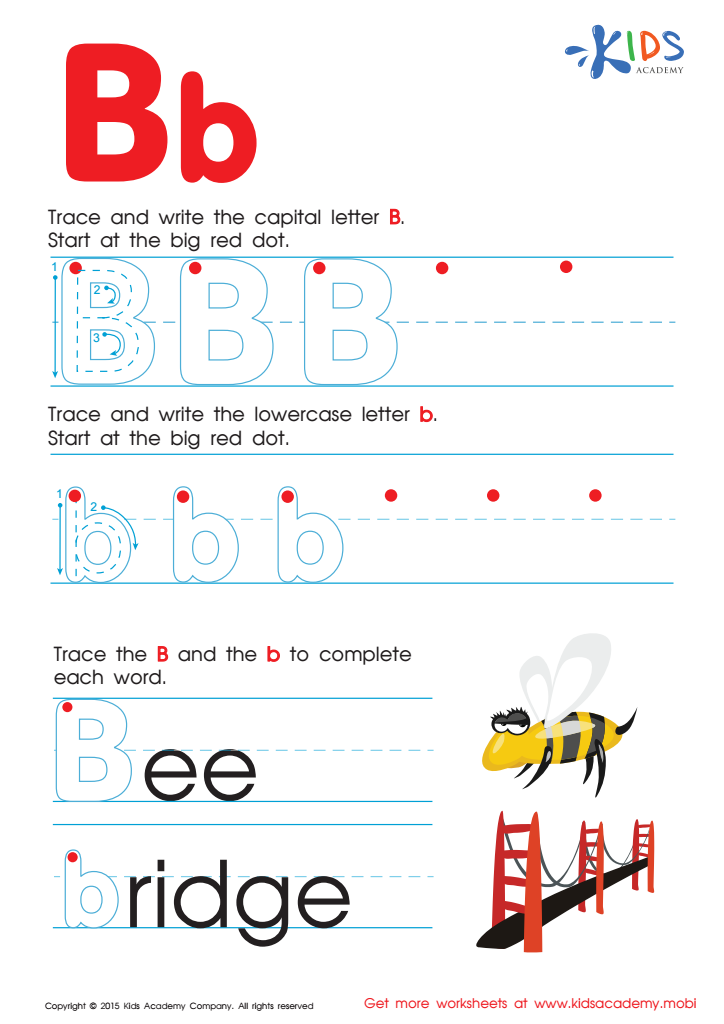
Letter B Tracing Page




Motor skills development is super important for young children, both for parents and teachers to understand. When kids ages 5-8 work on their motor skills, they are learning things that will help them in school and everyday life.
Fine motor skills involve using small muscles, especially in the hands and fingers. Kids use these skills to do things like writing, drawing, and cutting with scissors. Practicing these activities helps them get better at doing schoolwork and other detailed tasks.
Gross motor skills use larger muscles for actions like running, jumping, and climbing. These skills help kids stay active and healthy. They also improve balance and coordination, which are important for playing sports and even for simple playground activities.
Both fine and gross motor skills build a child’s confidence. When kids can perform tasks well, they feel good about themselves and more willing to try new things. This confidence can spread to other areas of learning and interacting with others.
So, by helping children develop their motor skills, parents and teachers are setting them up for success. They are not only aiding in their physical development but also supporting their emotional and social growth. All of these benefits are crucial for creating well-rounded and happy kids.