Concentration improvement Normal Building Vocabulary Worksheets for Ages 5-8
5 filtered results
-
From - To
Unlock your child's potential with our Concentration Improvement Normal Building Vocabulary Worksheets designed specifically for ages 5-8. These engaging activities help enhance focus and boost vocabulary skills through fun and interactive exercises. Kids will explore new words, strengthen comprehension, and develop essential learning skills while having a blast. Perfect for use at home or in the classroom, these worksheets encourage independent learning and promote a love for language. Foster concentration and cognitive development in your little one today with our carefully crafted resources that combine education and enjoyment. Dive into the world of words and watch your child thrive!
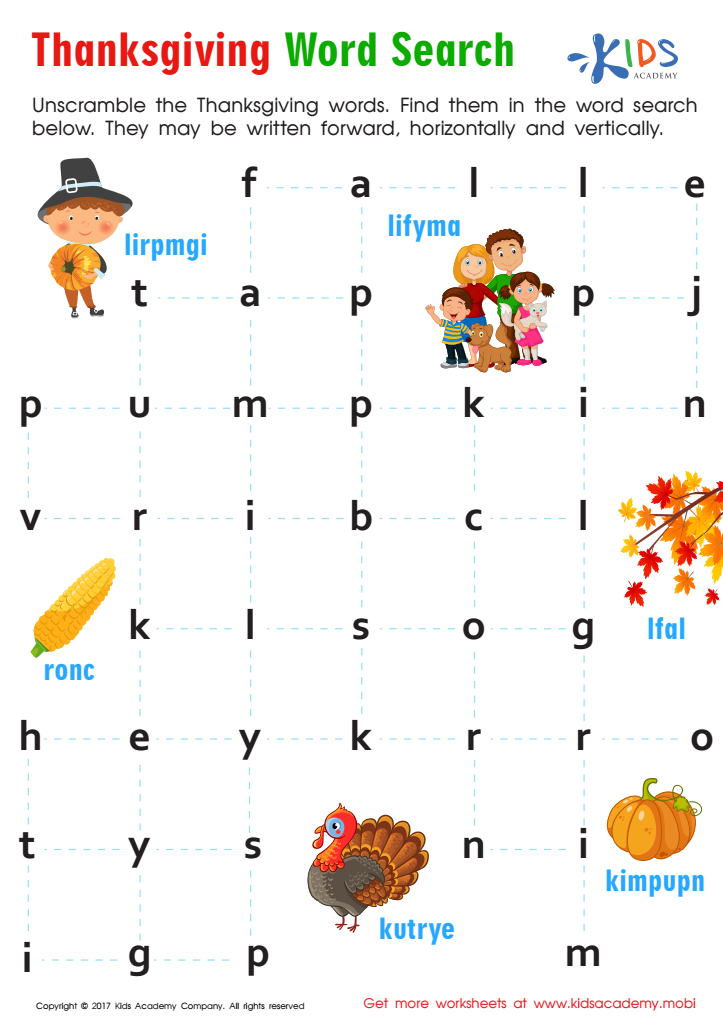
Thanksgiving Word Search Sight Words Worksheet
 Assign to My Students











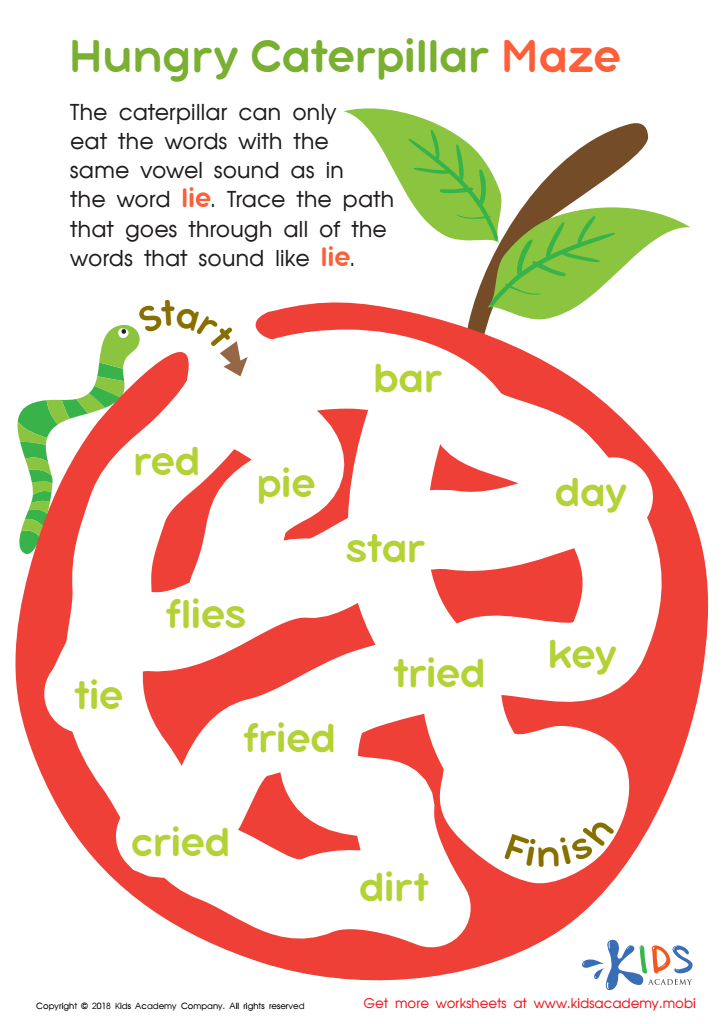
Hungry Caterpillar Maze Worksheet
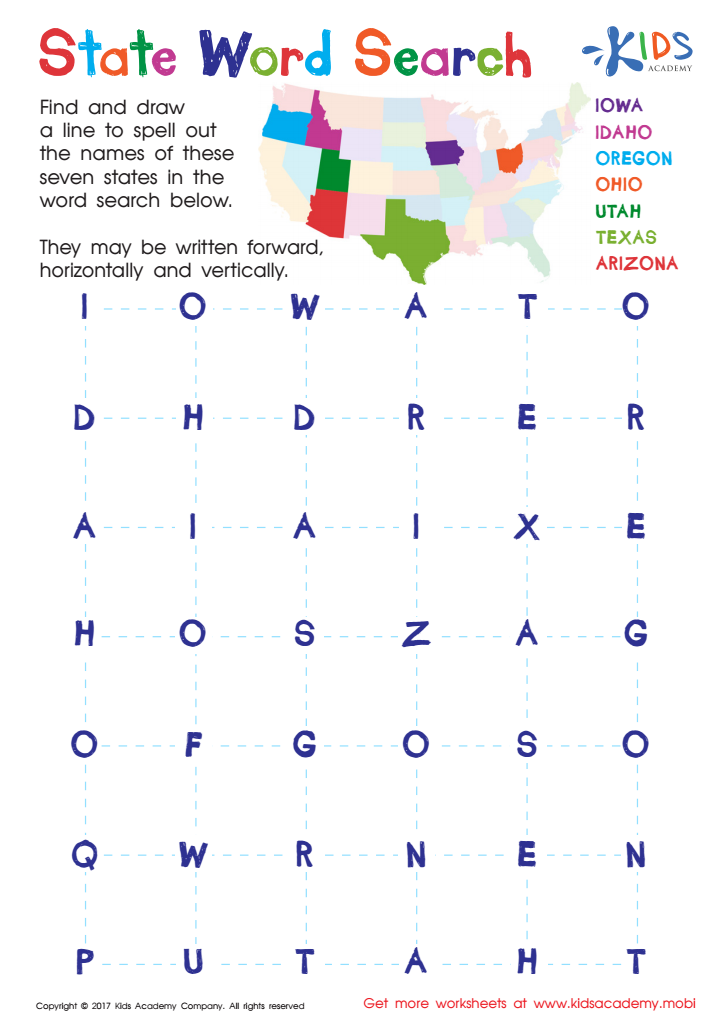
State Word Search Worksheet
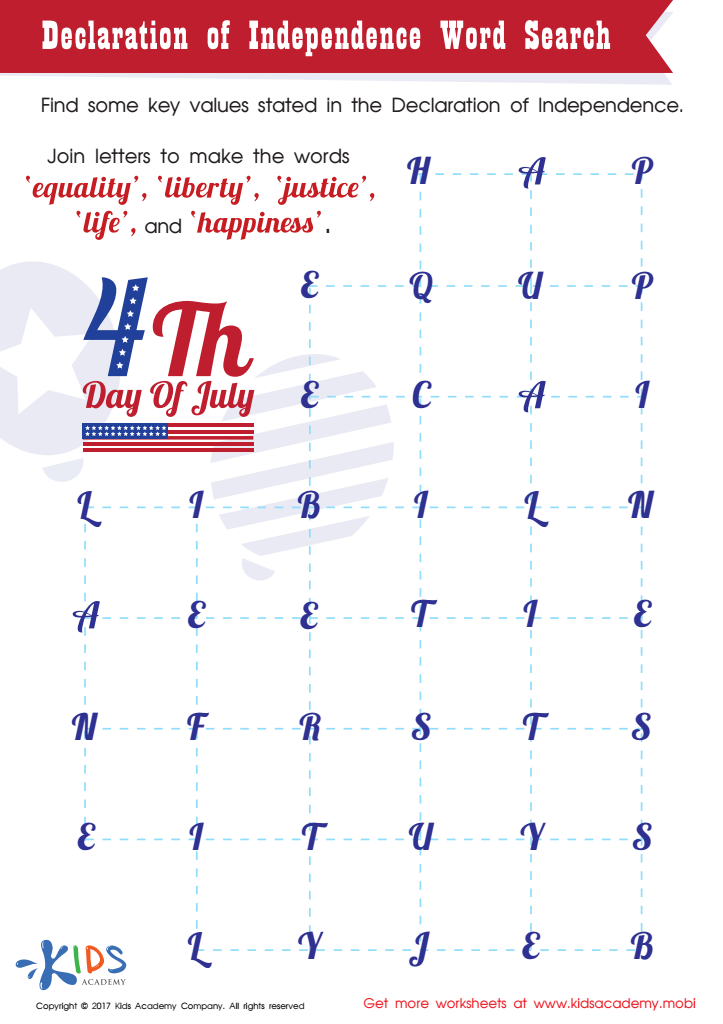
Declaration of Independence Word Search Printable
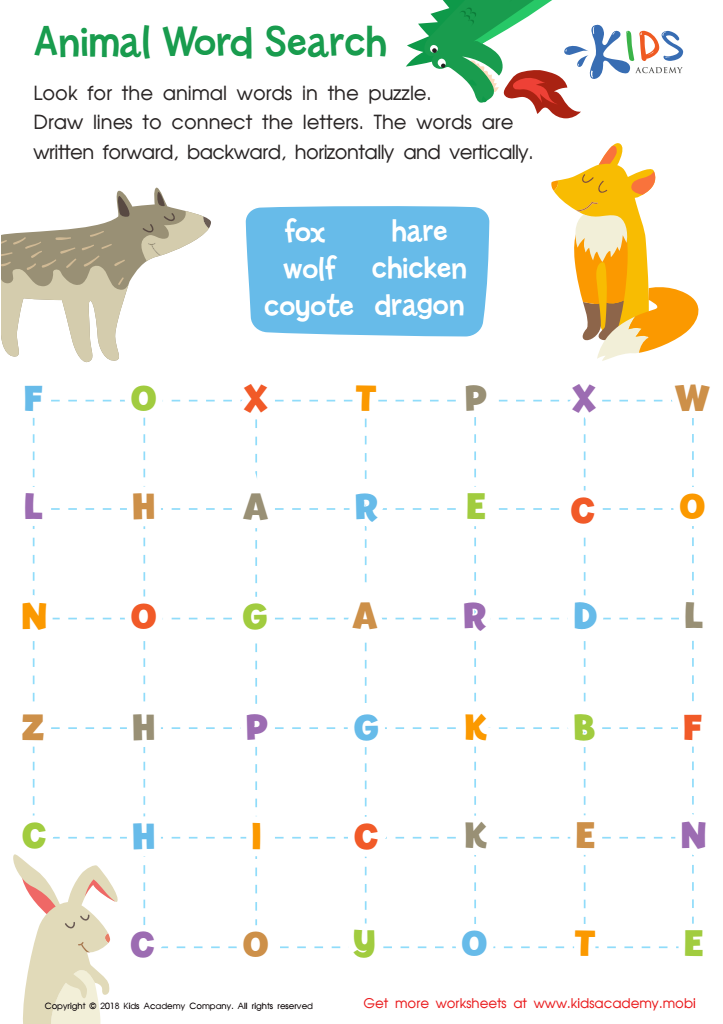
Animal Word Search Worksheet






.jpg)

Enhancing concentration and building vocabulary in children aged 5-8 is crucial for their overall development. At this stage, children are rapidly developing cognitive and language skills, which are foundational for their future learning. Improved concentration allows children to engage more effectively with tasks, leading to better academic performance and personality growth.
A strong vocabulary is equally important, as it enables children to express themselves more clearly and understand the world around them. When children can articulate their thoughts and comprehend the language used by others, they’re more confident in social interactions and storytelling. This is a key aspect of their emotional development and helps build self-esteem.
Furthermore, improved concentration and vocabulary skills can assist children in navigating challenging subjects like reading, writing, and math, ultimately fostering a love for learning. Teachers and parents play a vital role in this process by providing environments conducive to focus and opportunities for vocabulary expansion, such as reading together, playing word games, or engaging in conversations about their daily experiences.
Promoting these skills from an early age sets the stage for academic success, enhances communication abilities, and encourages lifelong learning habits, making it a collective responsibility of parents and educators.








