Improving vocabulary Normal Science Worksheets for Ages 5-8
3 filtered results
-
From - To
Expand your child's scientific vocabulary with our engaging worksheets tailored for ages 5-8. At Kids Academy, our improving vocabulary science worksheets are meticulously designed to enhance learning through fun, interactive exercises. Covering diverse topics and vibrant illustrations, these worksheets aid in developing essential science-related terms, promoting better understanding and communication. Perfect for early learners, they help kids grasp key concepts while building a robust vocabulary base. Boost your child's confidence and enthusiasm in science by providing resources that are both educational and enjoyable. Visit Kids Academy to discover the perfect blend of learning and fun!
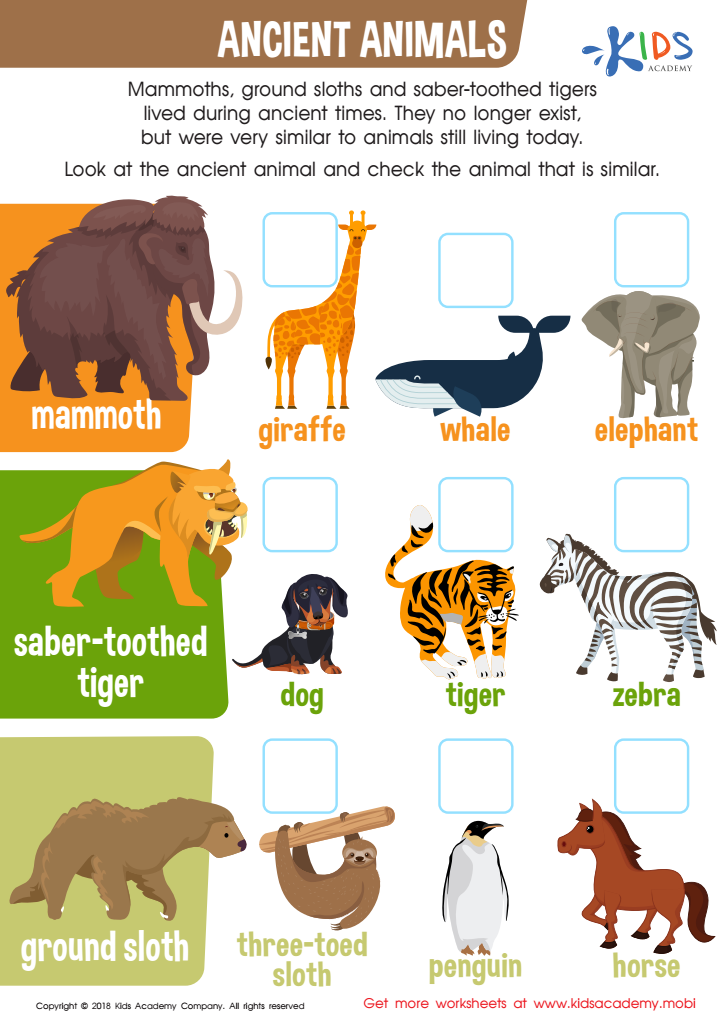
Ancient Animals Worksheet
 Assign to My Students
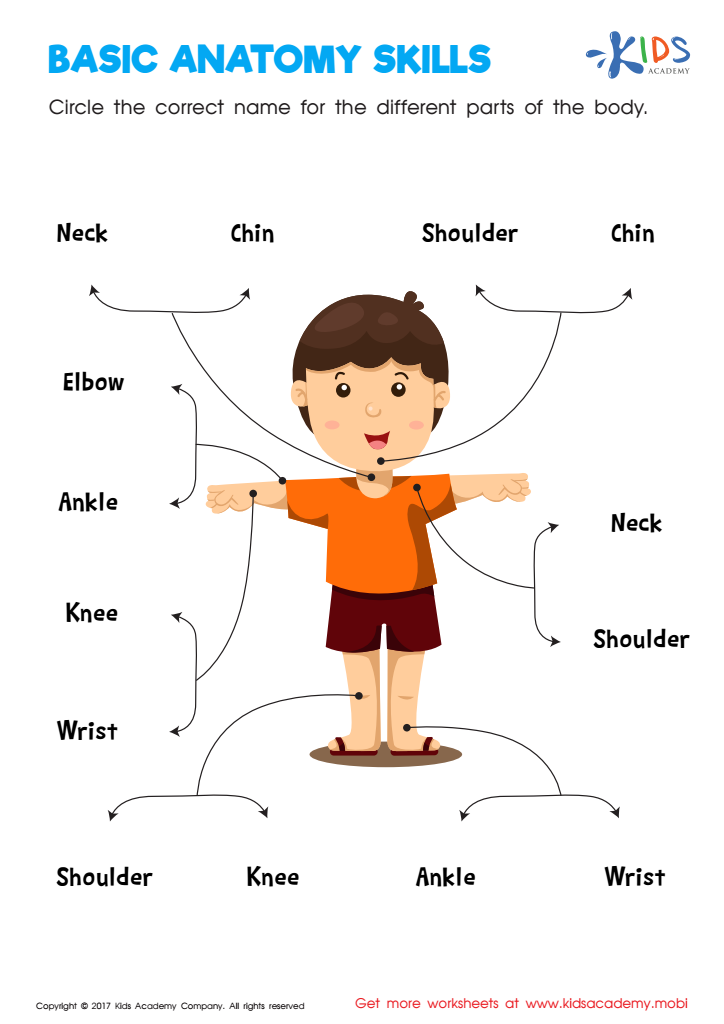
Basic Anatomy Skills Printable
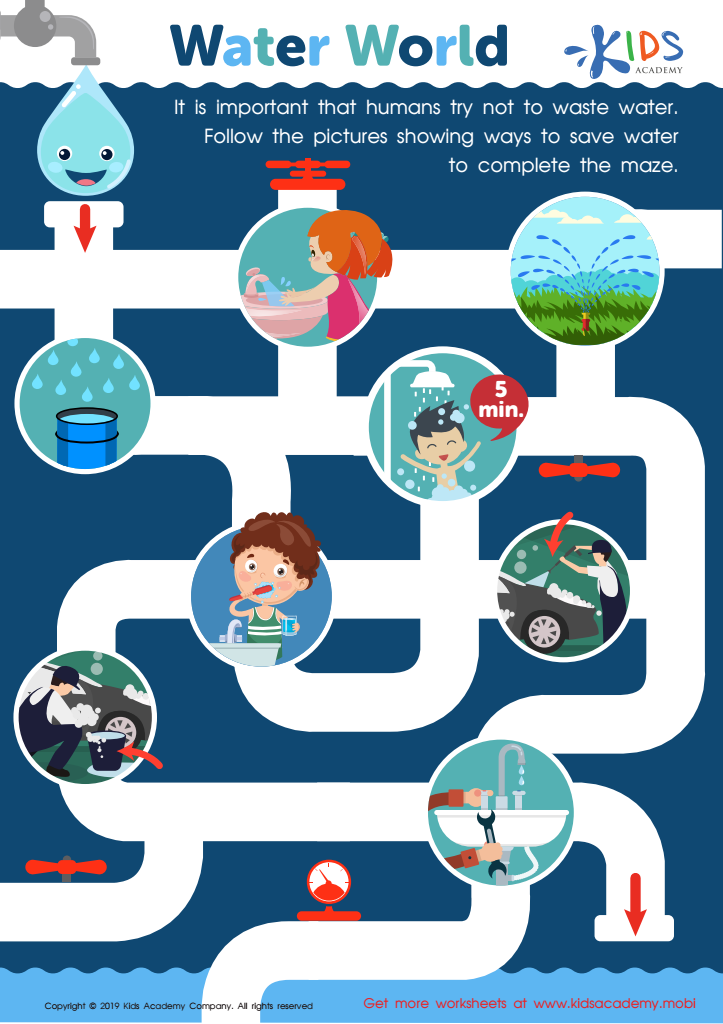
Water World Worksheet







Improving vocabulary for children aged 5-8 is crucial because it serves as the foundation for all future learning and academic success. Children within this age range are in the prime time of language development, meaning their brains are exceptionally receptive to acquiring new words and concepts. A robust vocabulary helps enhance their reading comprehension, as the more words they understand, the more meaning they can derive from texts.
Additionally, a strong vocabulary boosts communication skills. When children have a rich array of words to choose from, they can express their thoughts, feelings, and ideas more precisely and confidently. This empowers them to participate more actively and effectively in class discussions and social interactions, fostering deeper connections with peers and adults.
Moreover, vocabulary acquisition supports cognitive development. Learning new words helps children enhance their critical thinking and problem-solving skills as they navigate and make sense of the world around them. It also increases their curiosity and eagerness to learn more about science and other subjects.
Incorporating a vocabulary-rich environment at home and in the classroom thus equips children with the tools they need for continued academic achievements and personal growth, setting them on a path for future success. This dual responsibility encourages a collective effort among parents and teachers to prioritize vocabulary development.







