Knowledge application Normal Science Worksheets for Ages 5-8
5 filtered results
-
From - To
Nurture your child's curiosity and cognitive skills with our carefully crafted "Normal Science Worksheets for Ages 5-8" from Kids Academy. These engaging and educational worksheets are designed to facilitate knowledge application in young learners, helping them to not only acquire essential scientific concepts but also apply them in real-world scenarios. With topics ranging from biology to earth science, our age-appropriate materials foster critical thinking, problem-solving, and a deeper understanding of the natural world. Bring fun and learning together with our expertly curated resources, ensuring your child's success in science from the comfort of your home.
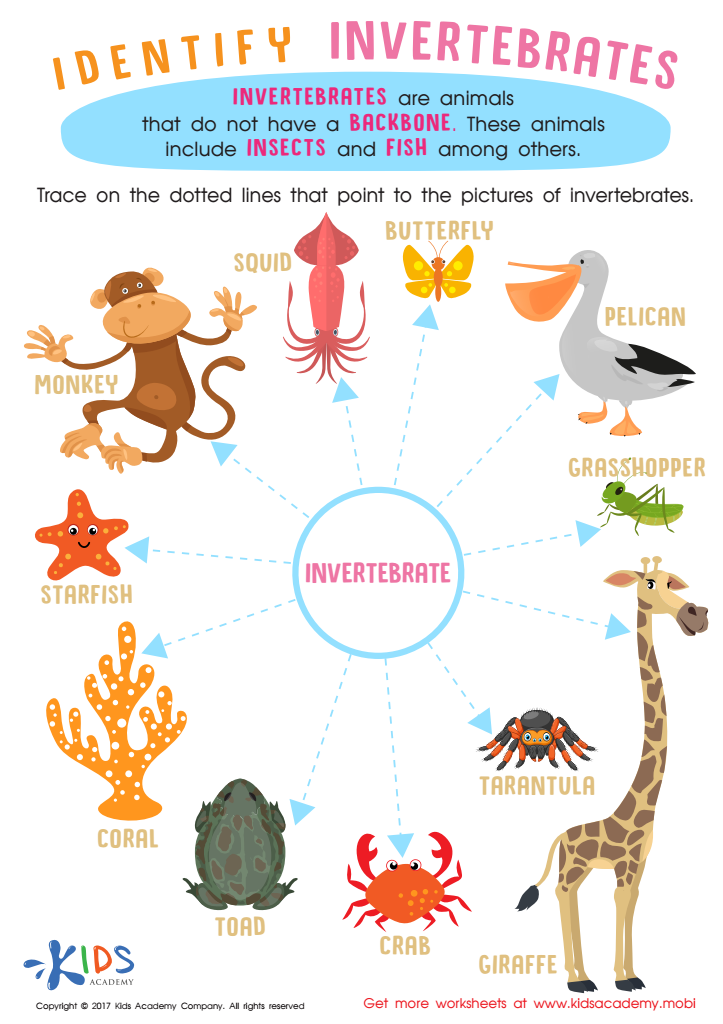
Invertebrates Worksheet for Grade 3
 Assign to My Students
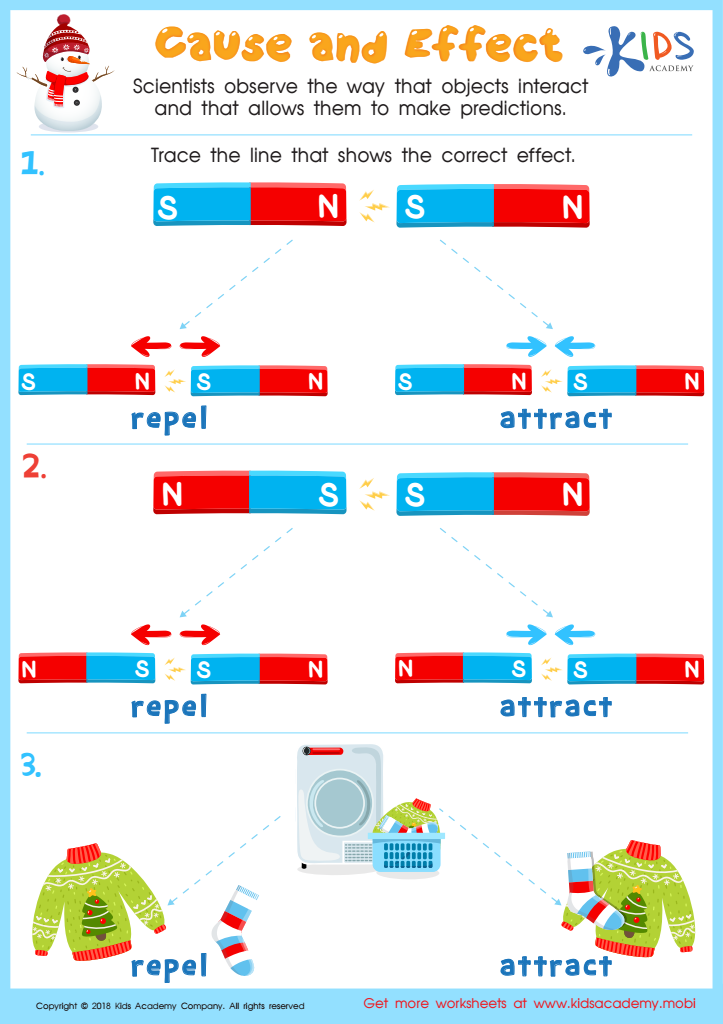
Repel and Attract Magnet Worksheet
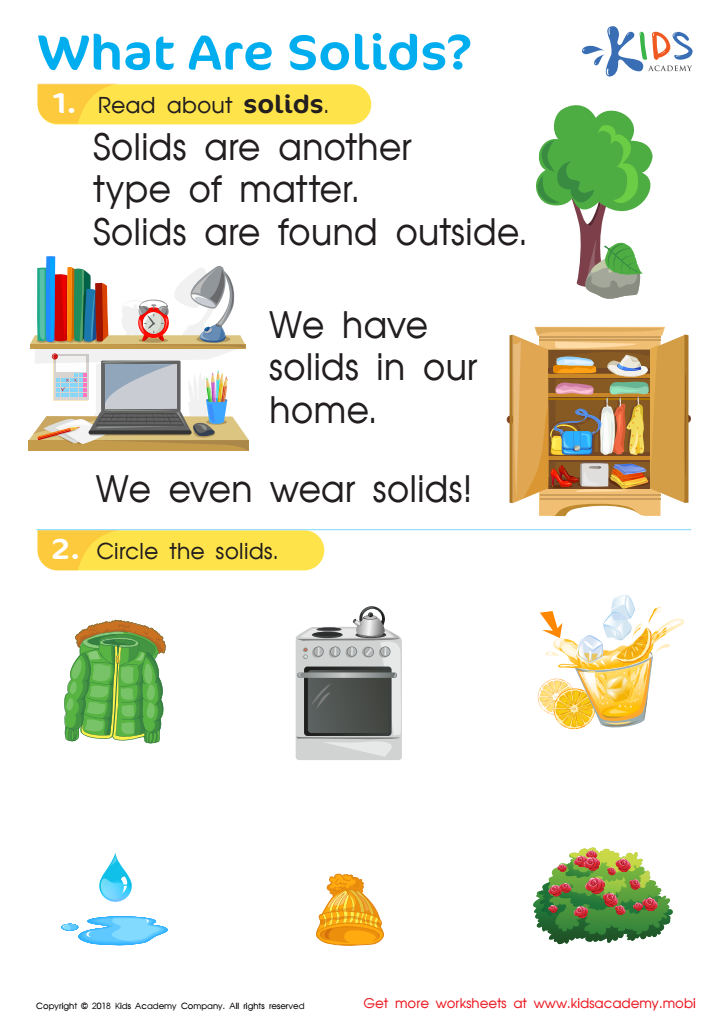
What Are Solids? Worksheet
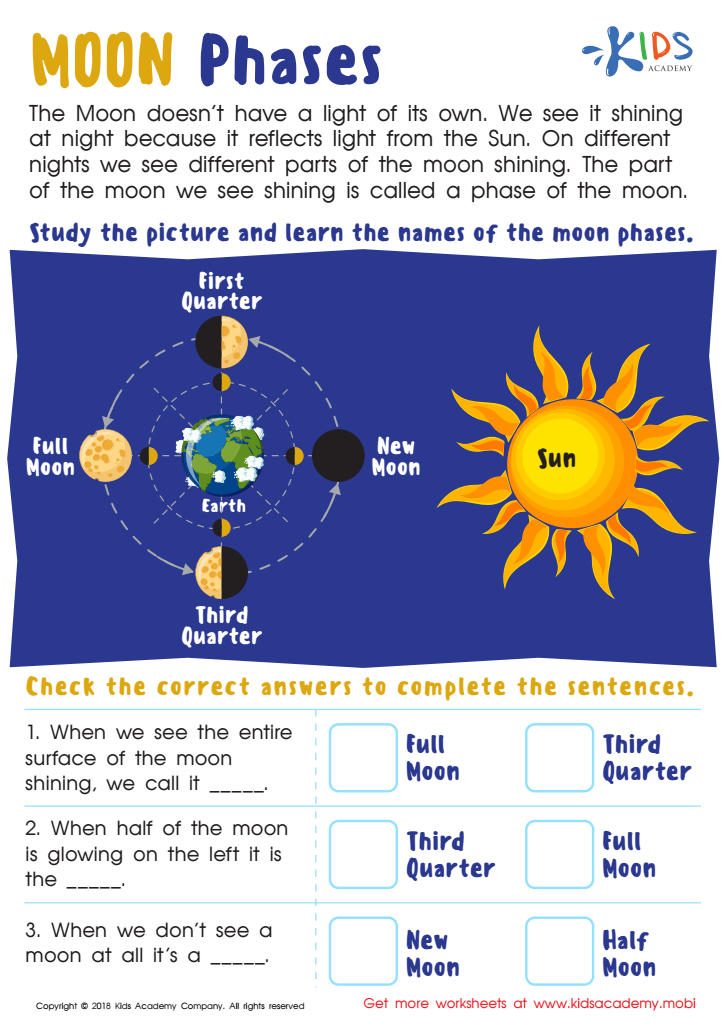
Moon Phases Worksheet
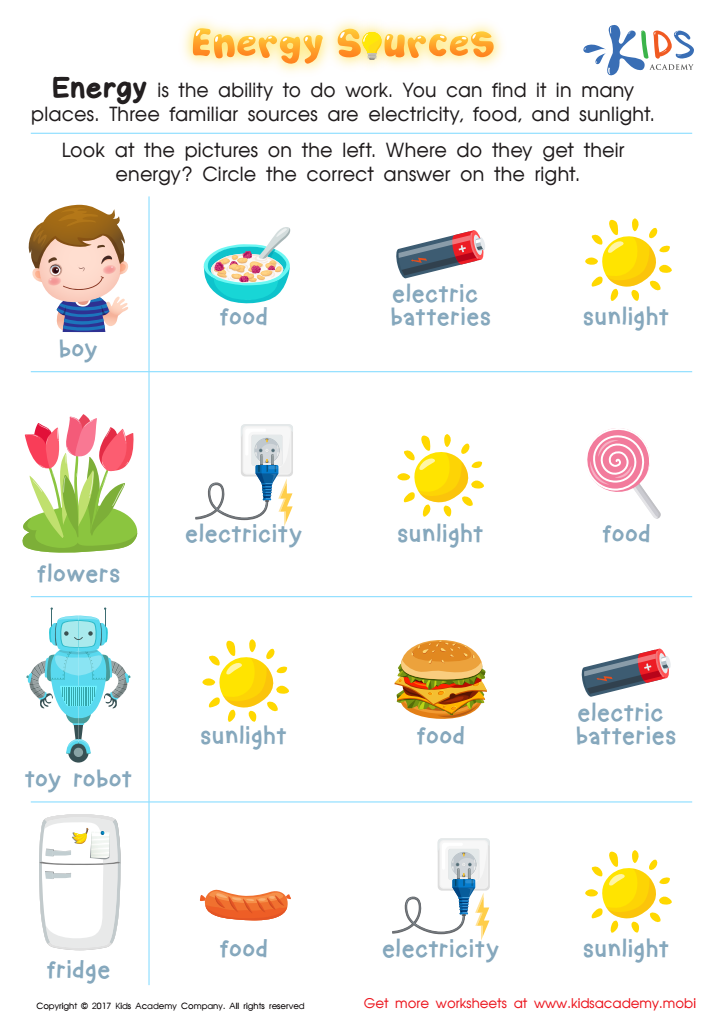
Energy Sources Printable








Understanding and applying foundational scientific knowledge is critical for children aged 5-8, as it sets the stage for lifelong learning and curiosity. During these formative years, children's brains are incredibly receptive to new information, and engaging with science fosters critical thinking, problem-solving skills, and creativity.
For parents and teachers, incorporating "normal science"—basic concepts and methods common to the curriculum—into everyday learning helps develop a child's ability to observe, question, and understand the world around them. Simple activities such as observing plant growth, experimenting with buoyancy during bath time, or exploring the states of matter through freezing and melting engage children interactively, making abstract concepts tangible and fun.
Furthermore, these early experiences in science build a solid foundation for future education, instilling confidence and a positive attitude towards more complex subjects down the line. Introducing scientific ideas from a young age also nurtures curiosity and respect for the natural world, encouraging eco-conscious behaviors and understanding.
Support from both parents and teachers aids a child’s scientific development by providing consistent opportunities to explore and ask questions in a safe, supportive environment. This nurturing approach ensures that children associate science not with rote memorization but with exploration, discovery, and excitement—all essential components for a well-rounded education.







