Vocabulary enhancement Normal Physical Science Worksheets for Ages 5-8
6 filtered results
-
From - To
Enhance your child's vocabulary with our engaging Normal Physical Science Worksheets designed specifically for ages 5-8! Tailored to foster a love for learning, these worksheets introduce essential scientific terms through fun activities and illustrations. Young learners will explore concepts related to matter, energy, and the natural world while developing critical vocabulary skills. Our user-friendly, printable resources make it simple for parents and educators to incorporate vocabulary enhancement into daily learning routines. Empower your child’s scientific inquiry and enrich their understanding of physical science. Discover the joy of learning today with our captivating worksheets that prepare kids for future academic success!
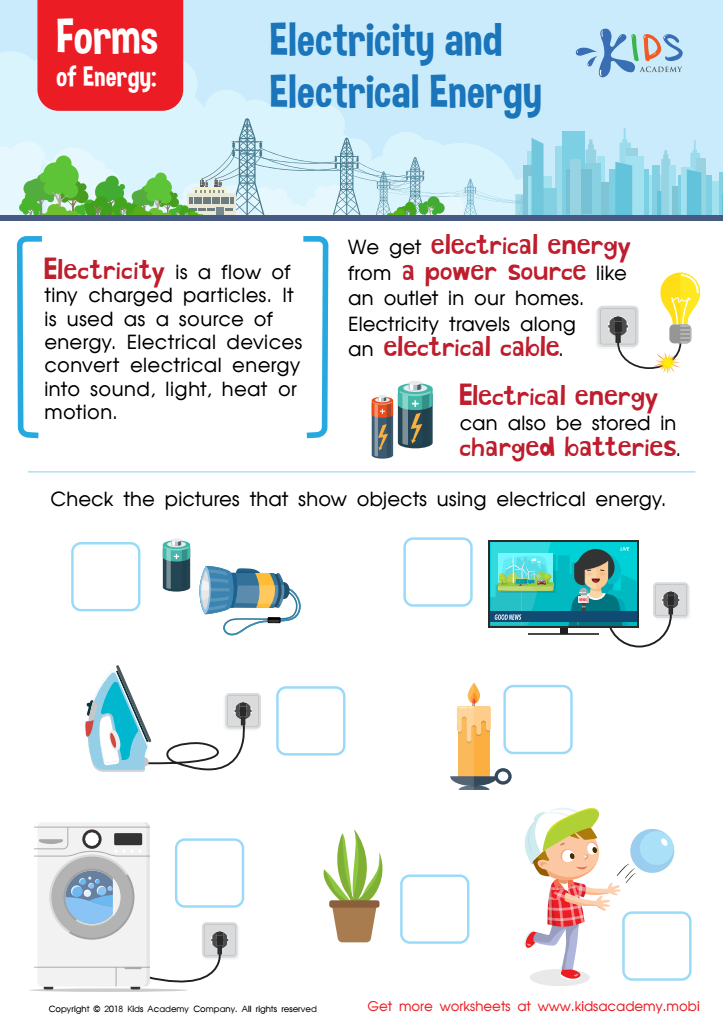
Forms of Energy Worksheet
 Assign to My Students
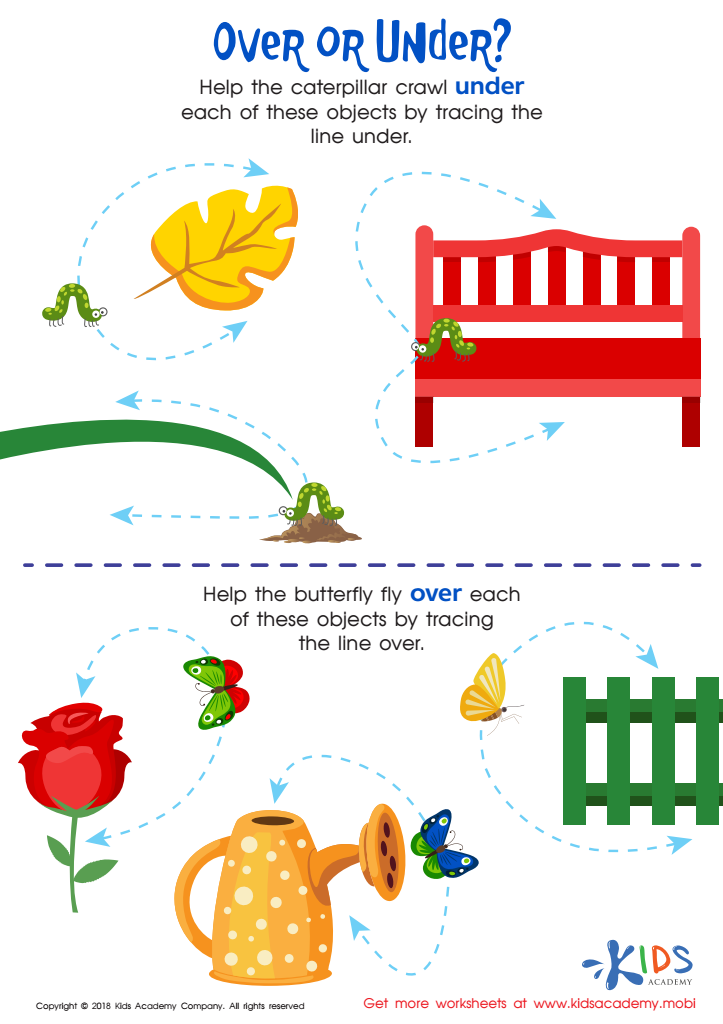
Over or Under? Worksheet
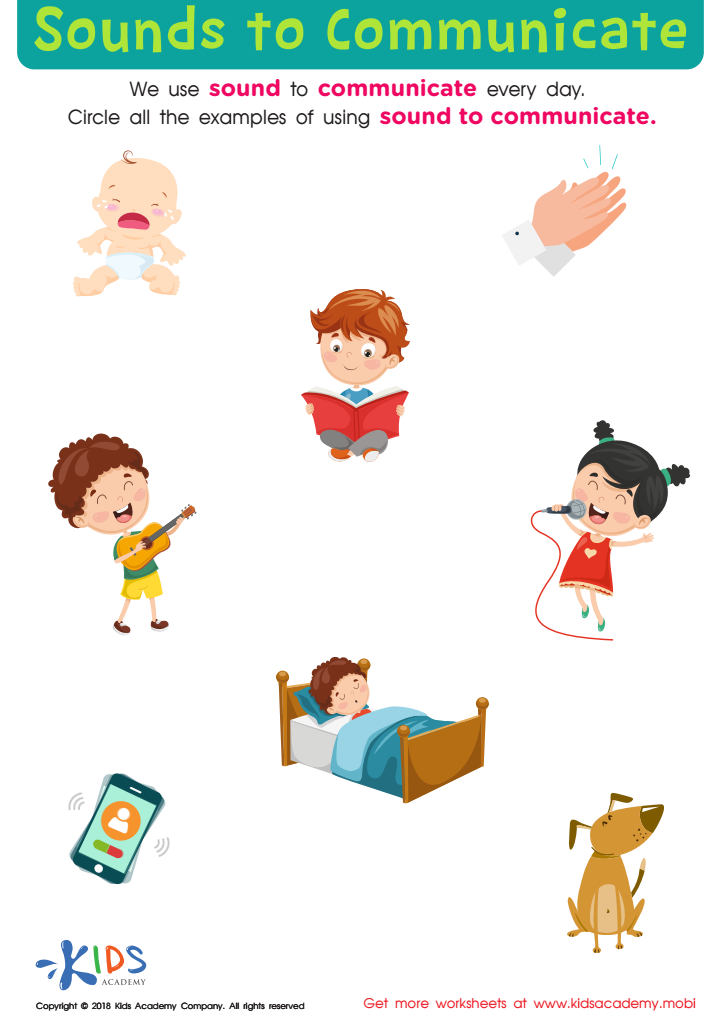
Sounds to Communicate Worksheet
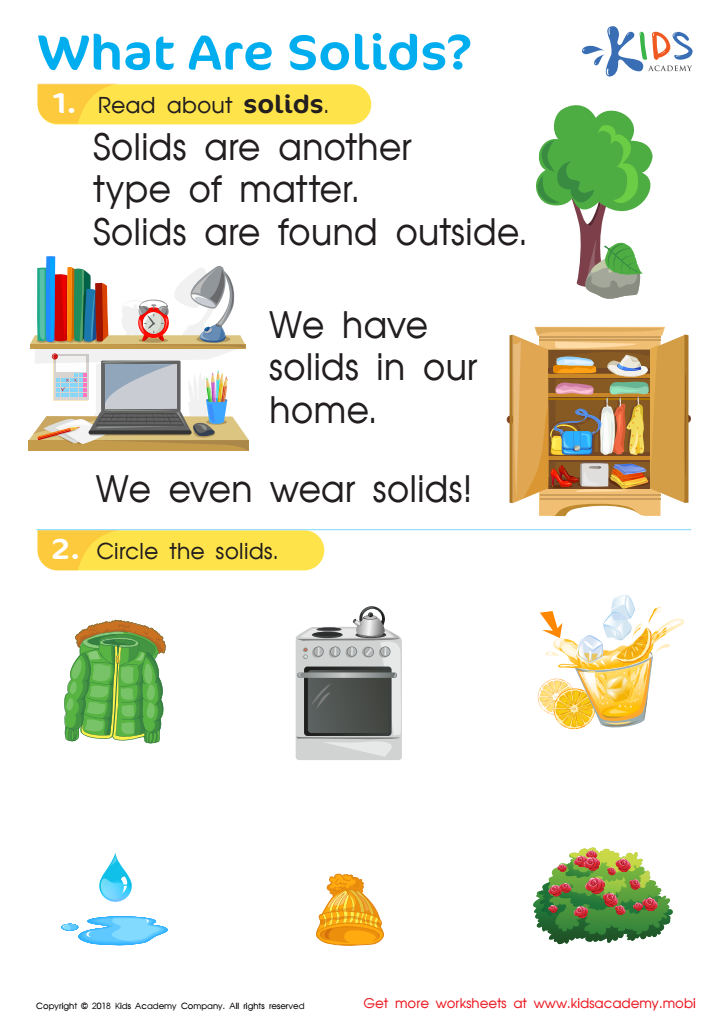
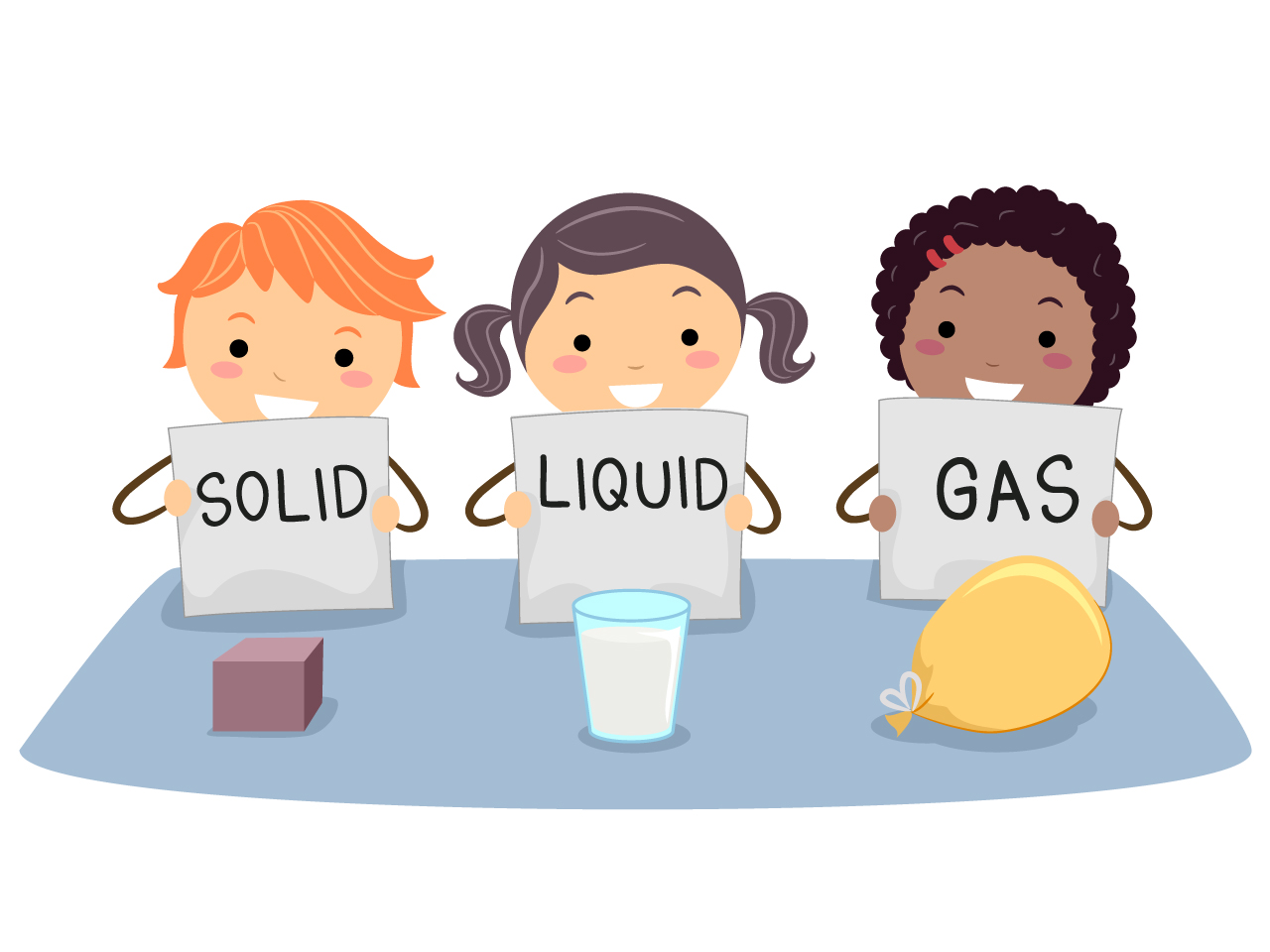
What Are Solids? Worksheet
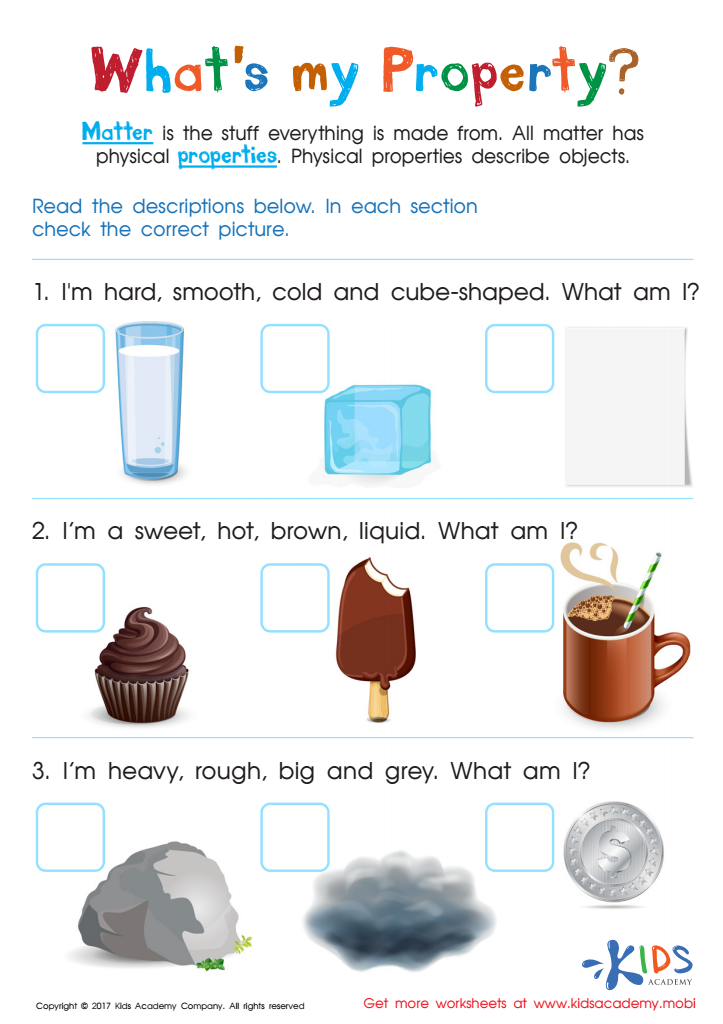
Physical Properties Of Matter Worksheet
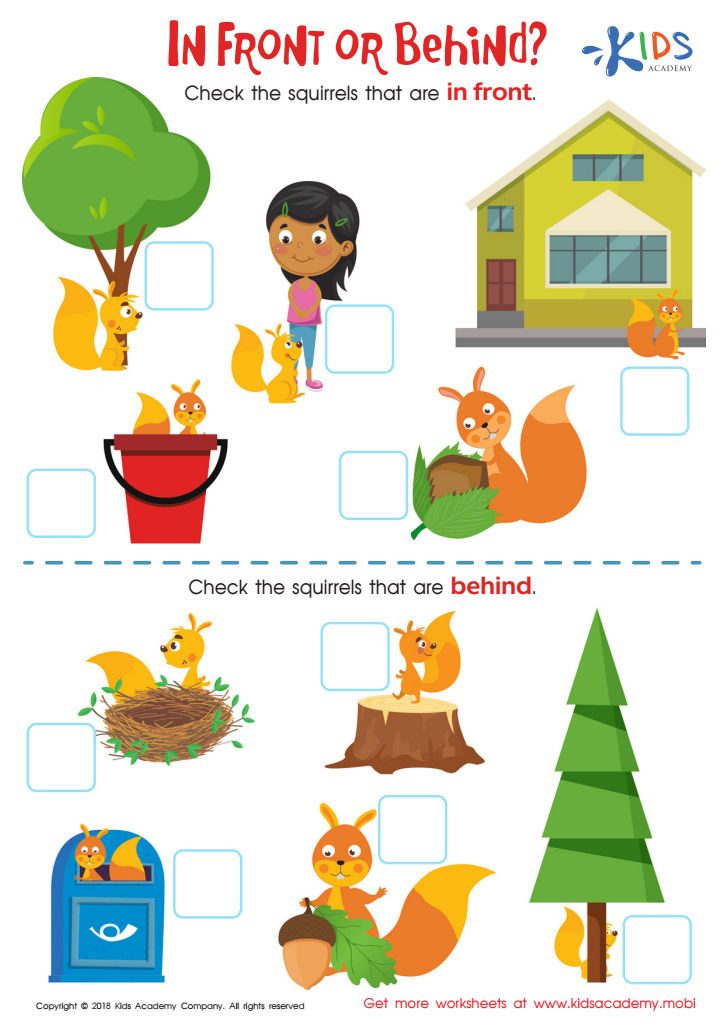
In Front or Behind: Part 2 Worksheet






.jpg)
Vocabulary enhancement in Normal Physical Science for children aged 5-8 is crucial for several reasons. At this developmental stage, children are naturally curious about the world around them, and a strong vocabulary helps them articulate their observations and questions. Science vocabulary provides essential language tools they need to explore concepts such as matter, energy, forces, and simple machines.
When parents and teachers emphasize vocabulary in science, they foster critical thinking and comprehension skills. Children who understand and can use scientific terms are better equipped to engage in discussions, conduct experiments, and grasp complex ideas, thus building a solid foundation for future learning. This can lead to a greater appreciation for science and a willingness to explore it further.
Moreover, vocabulary enhancement supports literacy development. Science-related reading materials introduce new words and phrases, helping students improve their reading comprehension skills overall. Engaging with vocabulary in context also enhances their ability to communicate effectively.
Lastly, instilling an early love for science through vocabulary can inspire lifelong learning and curiosity, leading children to pursue scientific careers and remain informed citizens capable of thinking critically about scientific issues. Thus, prioritizing vocabulary enhancement in this age group not only supports academic growth but also shapes their understanding of the world.







