Geography knowledge Normal Geography Worksheets for Ages 5-8
3 filtered results
Difficulty Level
Grade
Age
-
From - To
Subject
Activity
Standards
Enhance your child’s understanding of the world with our "Geography Knowledge Normal Geography Worksheets for Ages 5-8." These engaging and educational worksheets are designed to introduce young learners to essential geography concepts. Through interactive activities, children explore continents, countries, landforms, and more, building foundational knowledge in a fun and accessible way. Each worksheet aims to develop their spatial awareness, critical thinking, and understanding of cultural diversity. Ideal for teachers and parents alike, these resources make learning about our world an exciting adventure. Unlock your child's curiosity and set the foundation for a lifetime of geographical exploration today!
Favorites
With answer key
Interactive
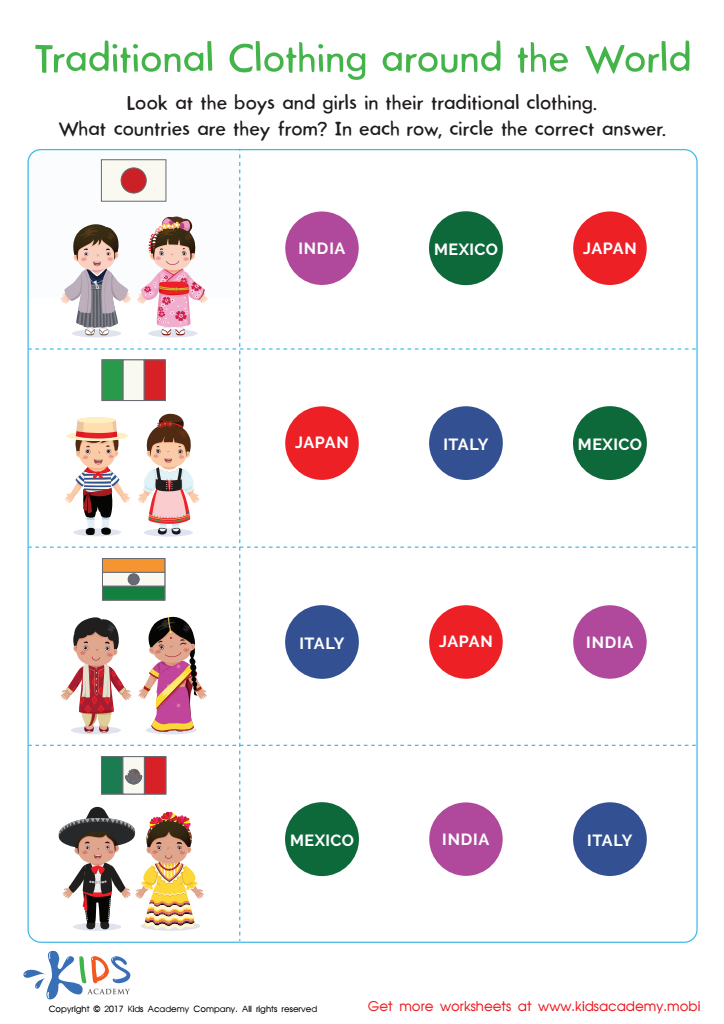
Traditional Clothing Worksheet
Introduce your child to cultures around the world with this illustrated traditional clothing printable worksheet! It will help them to recognize clothing, national flags and cultures from different countries, fostering an appreciation and love for all. It's a joyful way to learn and recognize the differences of people from around the world!
 Assign to My Students
Traditional Clothing Worksheet
Worksheet
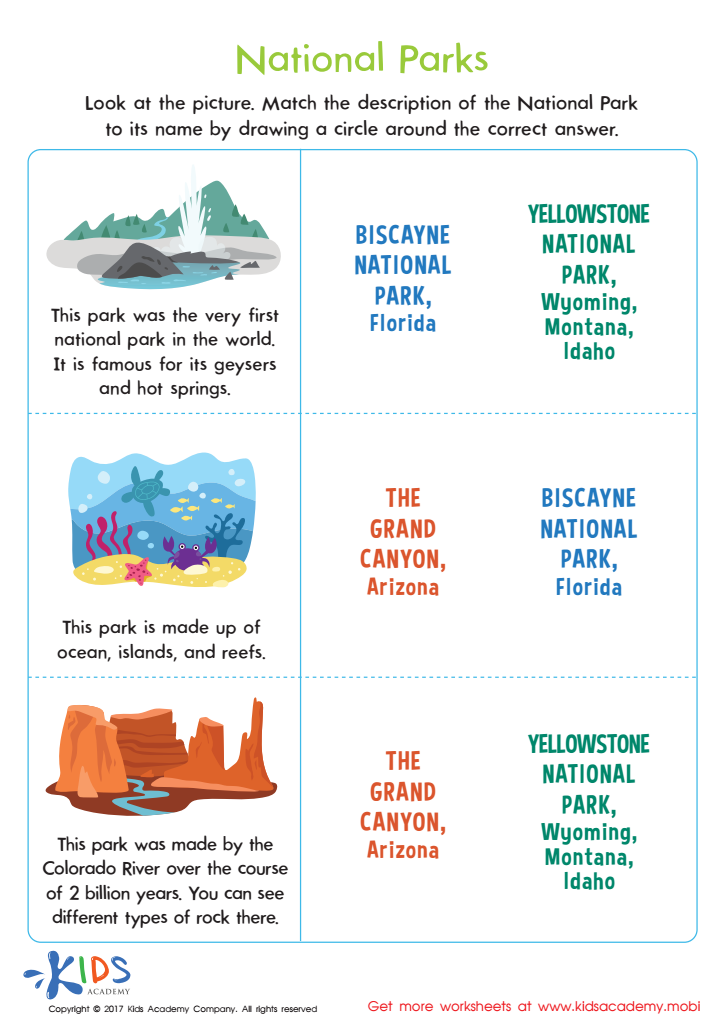
National Parks Printable
Introduce your child to the iconic US national parks with this worksheet! It teaches them important facts and features, and helps them explore the parks from home. Plus, extend their learning with real images from the parks!
National Parks Printable
Worksheet
Join Kids Academy for Free
Who is primarily going to use this learning content?




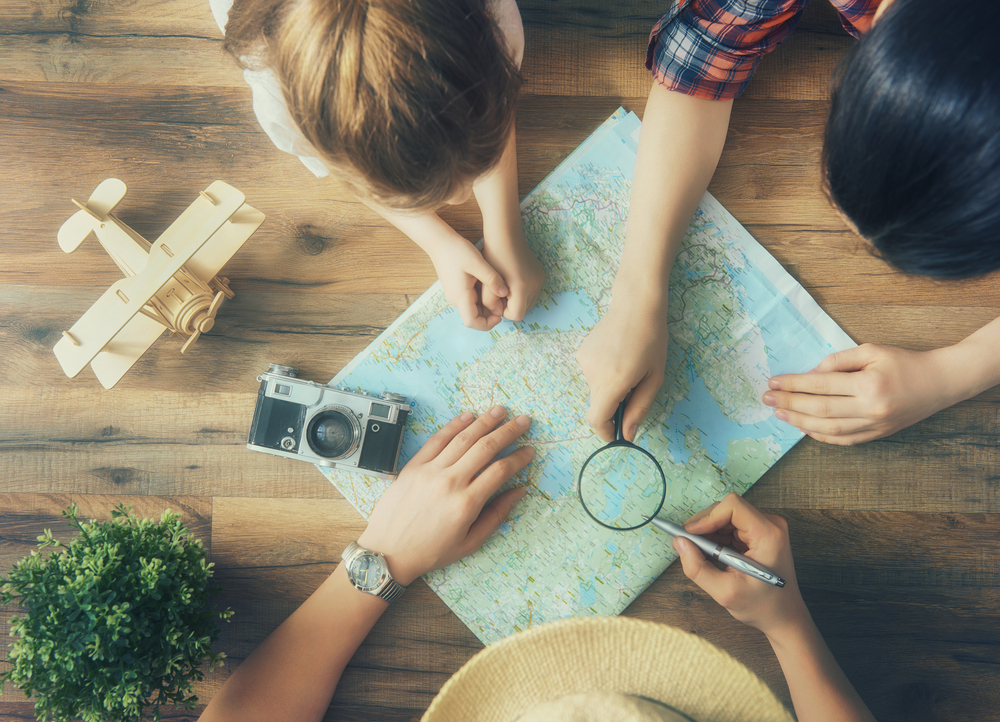

Geography knowledge is crucial for children aged 5-8 as it lays the foundation for various essential life skills and broadens their understanding of the world. Firstly, geography helps young learners develop a sense of place and spatial awareness. Knowing basic geographical concepts, such as continents, oceans, and local landmarks, enables children to understand their environment and community, fostering a sense of belonging and security.
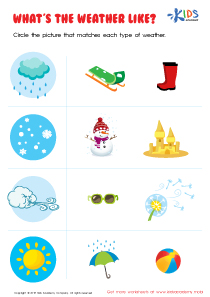
Moreover, early geography education cultivates curiosity and critical thinking. By exploring different places, cultures, and natural features, children become more inquisitive about the world around them. This curiosity can lead to a lifelong love of learning and exploration. Geography also indirectly supports other subjects; for instance, understanding weather patterns can enhance science education, while learning about different countries can improve reading skills and global awareness.
Additionally, knowledge of geography promotes cultural awareness and sensitivity. In a diverse and interconnected world, understanding different cultural and geographical contexts is crucial. This awareness fosters empathy and respect for people from various backgrounds.
Finally, geography education builds foundational skills such as map reading, problem-solving, and logical thinking. By engaging with simple maps and spatial data, children enhance their ability to interpret information and make informed decisions. Therefore, both parents and teachers should prioritize geography knowledge to support holistic development, enrich learning experiences, and prepare children for a globally connected world.