Phonics practice Normal Consonants Worksheets for Ages 5-9
5 filtered results
-
From - To
Enhance your child's reading skills with our engaging Phonics Practice Normal Consonants Worksheets, specially designed for ages 5-9! These worksheets focus on essential consonant recognition and pronunciation, helping young learners develop a solid foundation in phonics. Each printable resource features fun activities that ignite a love for learning while reinforcing literacy skills. Ideal for classroom settings or at-home practice, our worksheets offer variety and excitement to keep kids motivated. Explore our collection today to promote confidence and fluency in reading, ensuring your child is well-prepared for future academic success. Start their phonics journey with us—learning has never been so enjoyable!
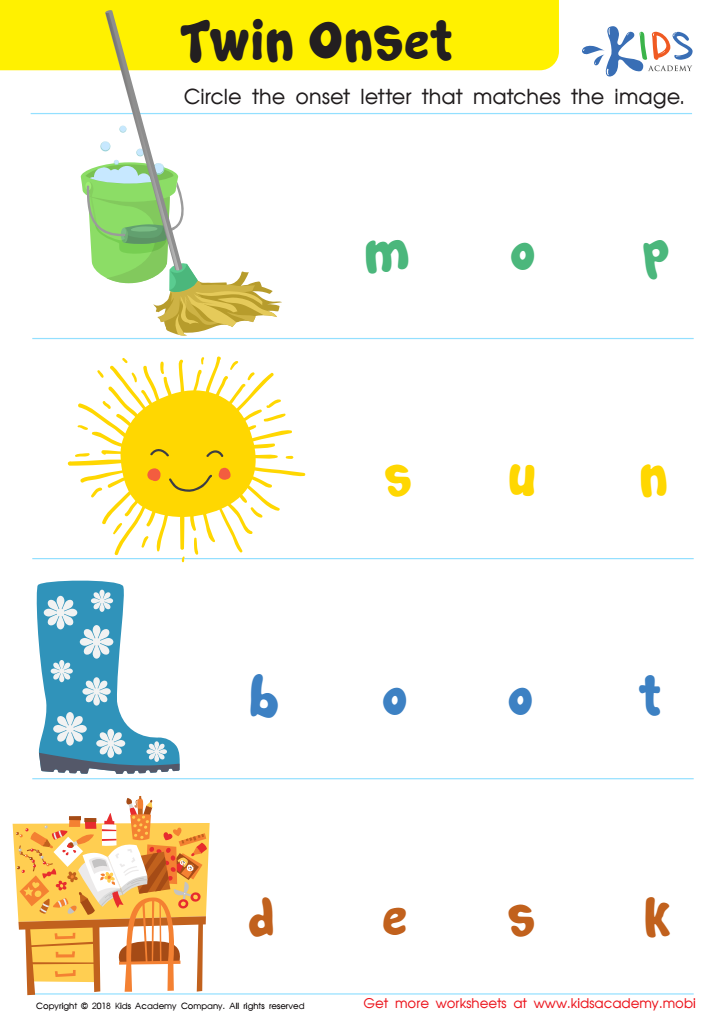
Twin Onset Worksheet
 Assign to My Students
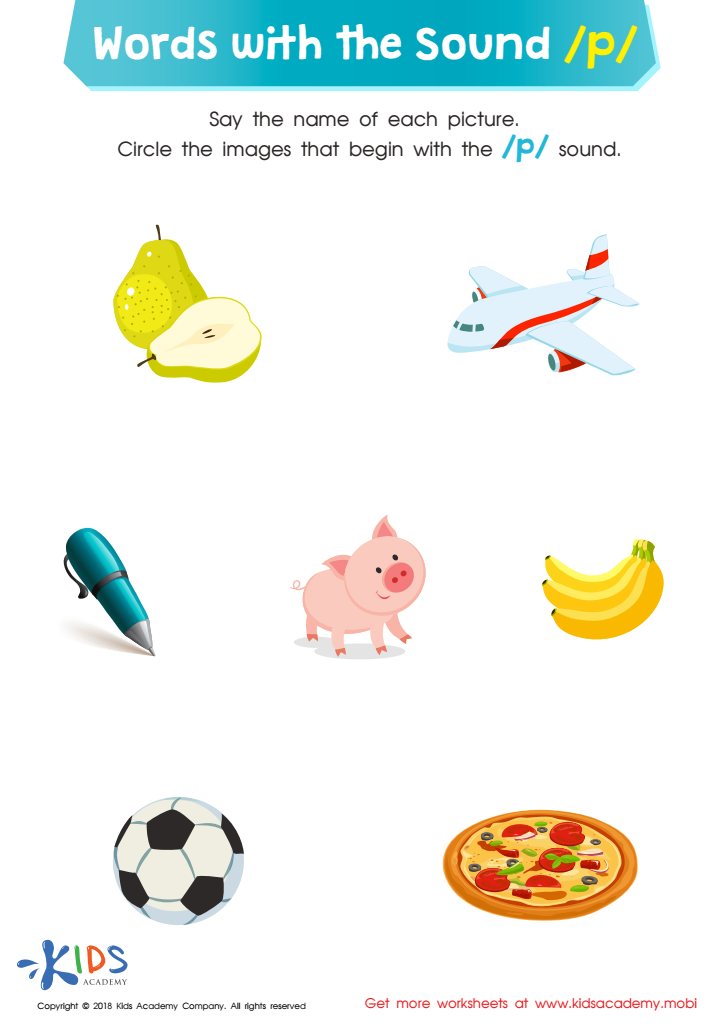
Words with sound p Reading Worksheet
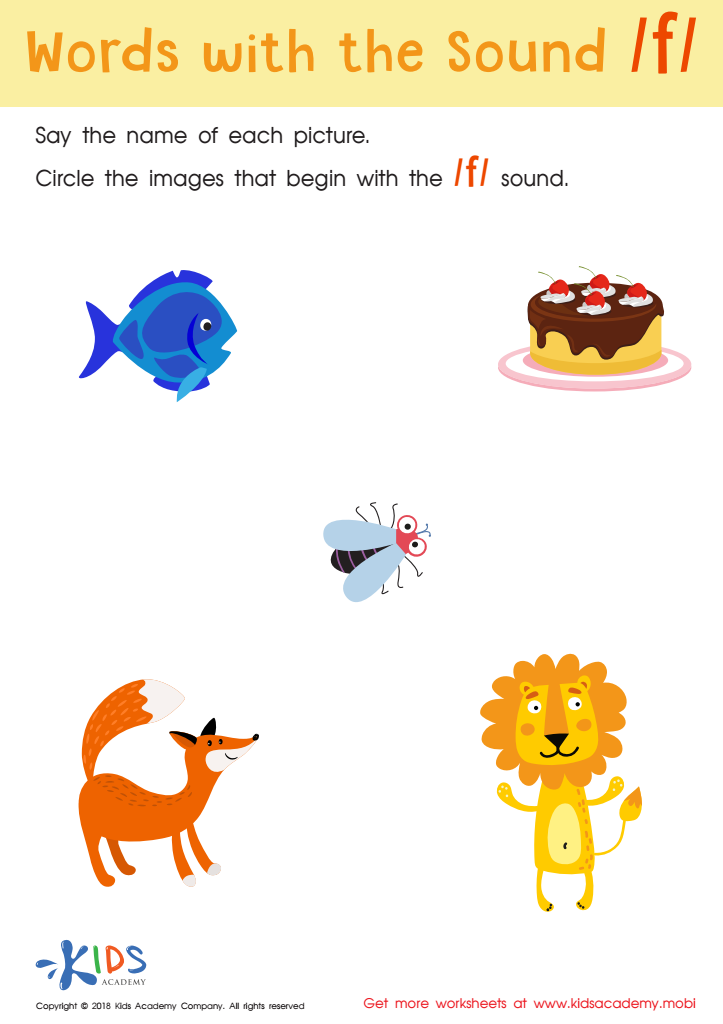
Words with sound f Reading Worksheet
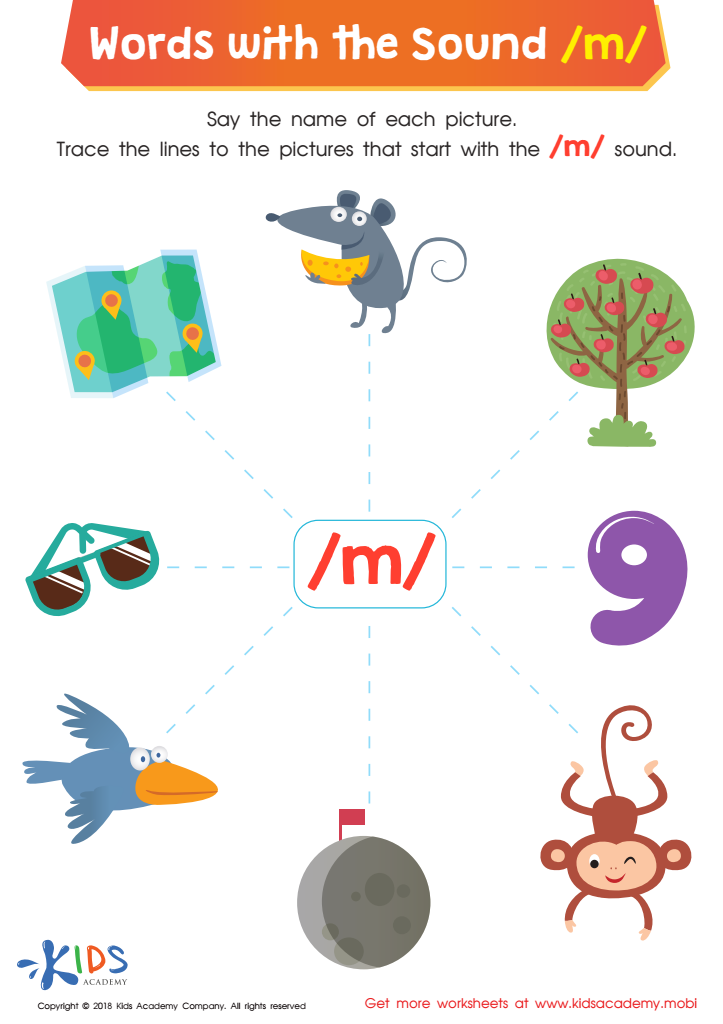
Words with Sound M Reading Worksheet
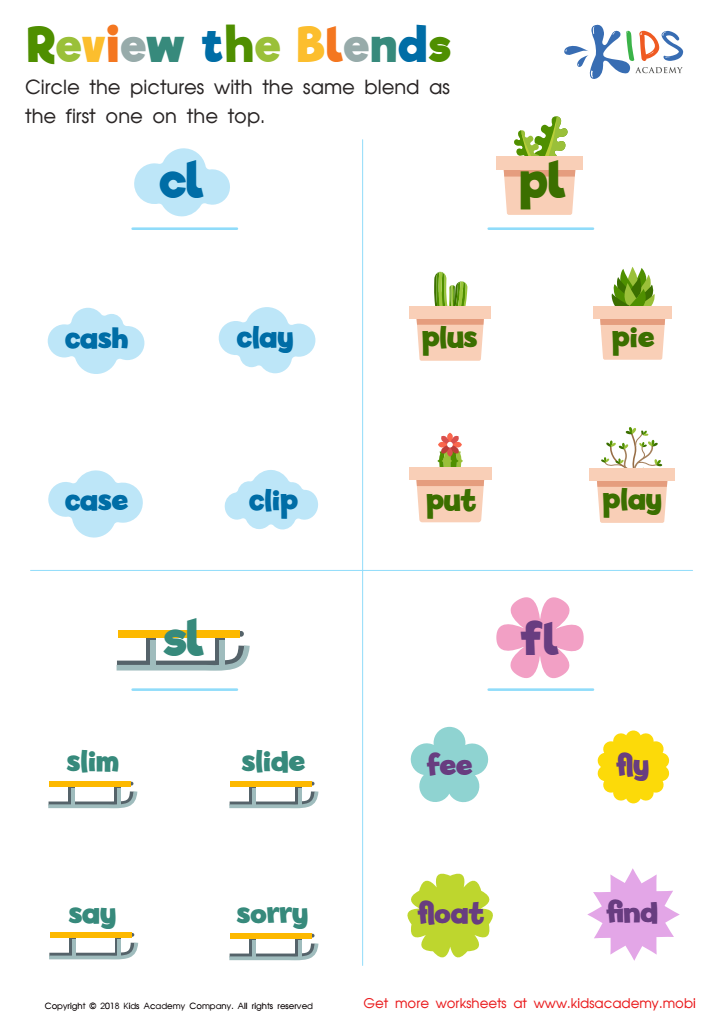
Review the Blends Worksheet



Phonics practice, particularly focusing on normal consonants, is essential for children aged 5-9 as it serves as the foundation for reading and writing skills. This age group is a crucial period for language development, where children are beginning to understand the relationship between letters and sounds. By mastering consonants, students can decode words more efficiently, allowing them to read more fluently and with greater comprehension.
Moreover, phonics instruction helps children develop strong spelling skills, which are vital for effective communication. When parents and teachers prioritize phonics practice, they enable children to become more confident readers and writers, fostering a lifelong love for literature.
Additionally, phonics benefits cognitive development by enhancing vocabulary acquisition and critical thinking skills. Good phonetic understanding supports a smoother transition into more complex reading materials, which is crucial as they progress through grades. Lastly, early mastery of phonics can help bridge gaps for struggling readers, ensuring they stay engaged and not left behind.
In summary, investing time in phonics practice for normal consonants is beneficial for a child's academic success and overall development, making it a vital focus for both parents and educators.






