Letter-sound association Normal Alphabet Worksheets for Ages 5-9
7 filtered results
-
From - To
Enhance your child's phonetic understanding with our engaging Letter-Sound Association Normal Alphabet Worksheets, designed for ages 5 to 9. These thoughtfully crafted worksheets introduce young learners to the connection between letters and their corresponding sounds through fun and interactive activities. Children will develop essential reading skills as they explore letters in a playful manner, encouraging both recognition and pronunciation. Suitable for both classroom and home use, our worksheets foster creativity and reinforce learning outcomes. Help your child build a strong foundation in literacy while making learning enjoyable! Access the printable resources today for a vibrant and educational experience.
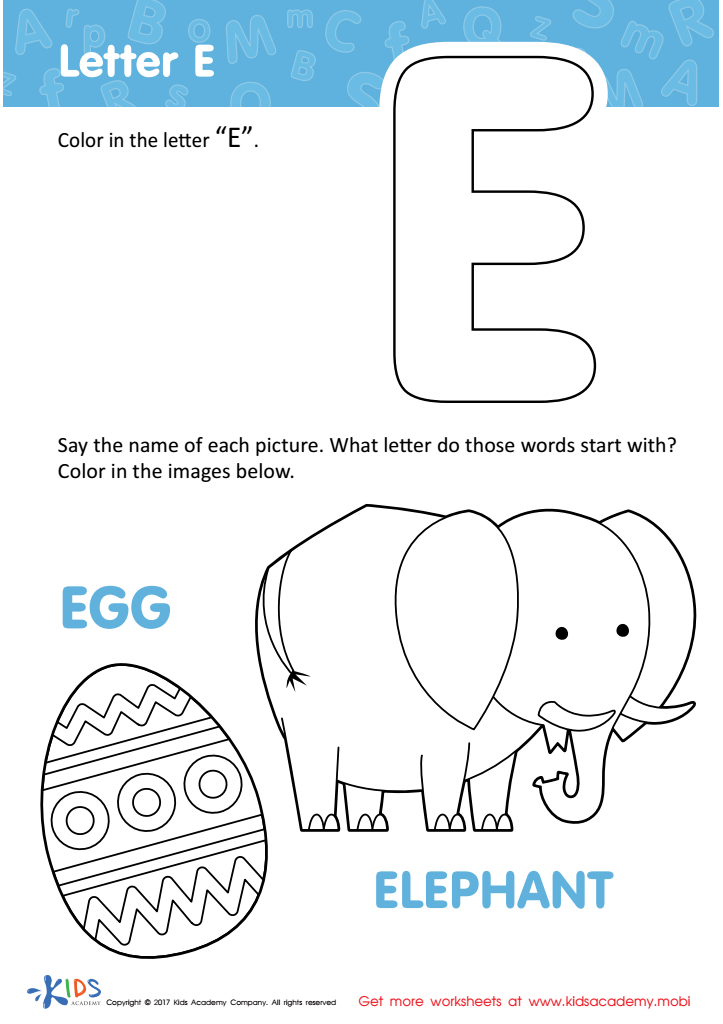
Letter E Coloring Sheet
 Assign to My Students
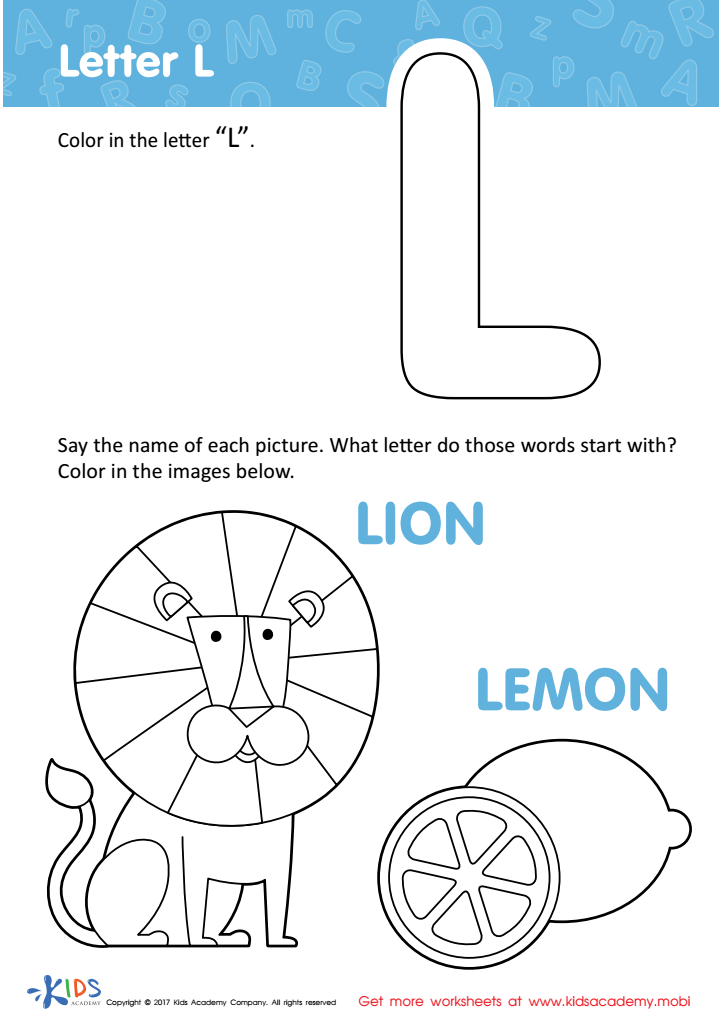
Letter L Coloring Sheet
Assign to My Students
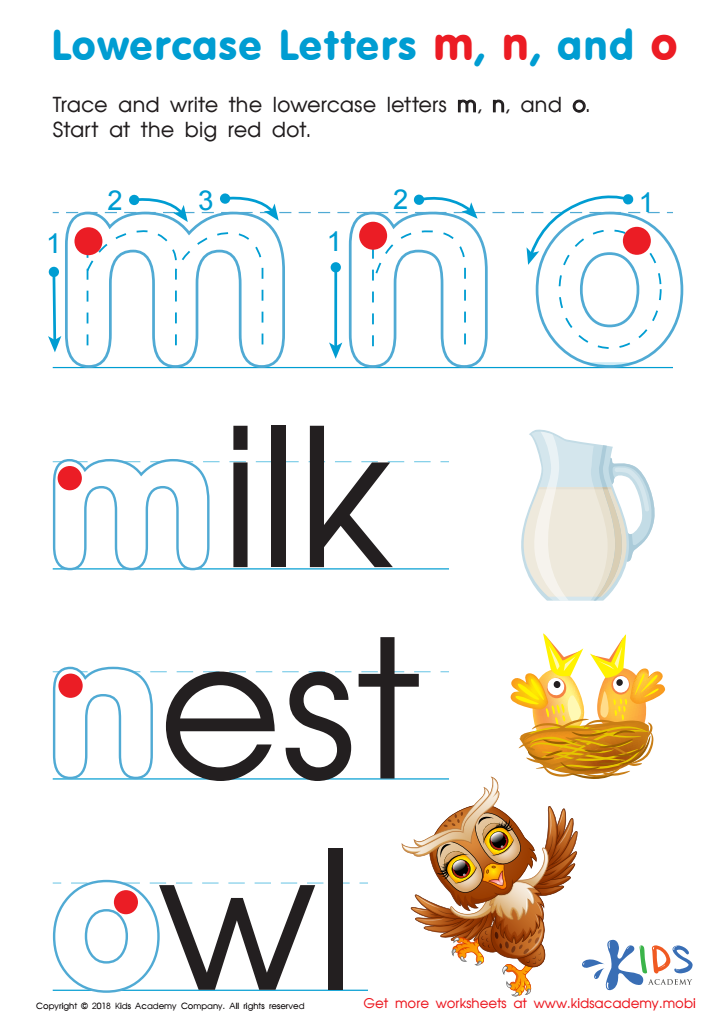
Lowercase Letters m n o Worksheet
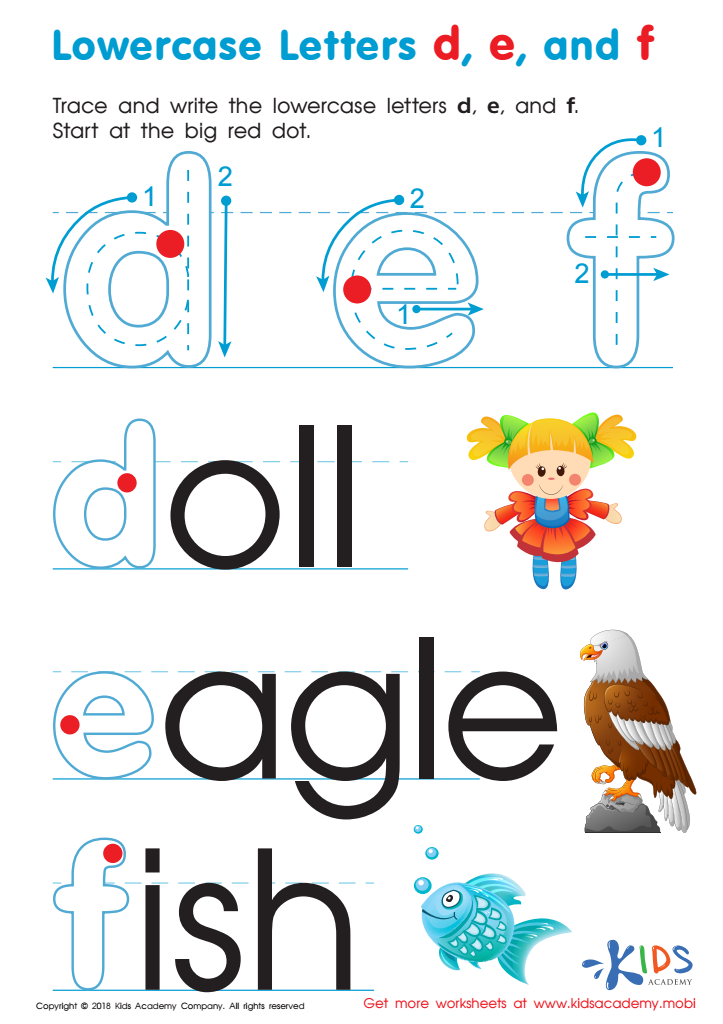
Lowercase Letters d e f Worksheet
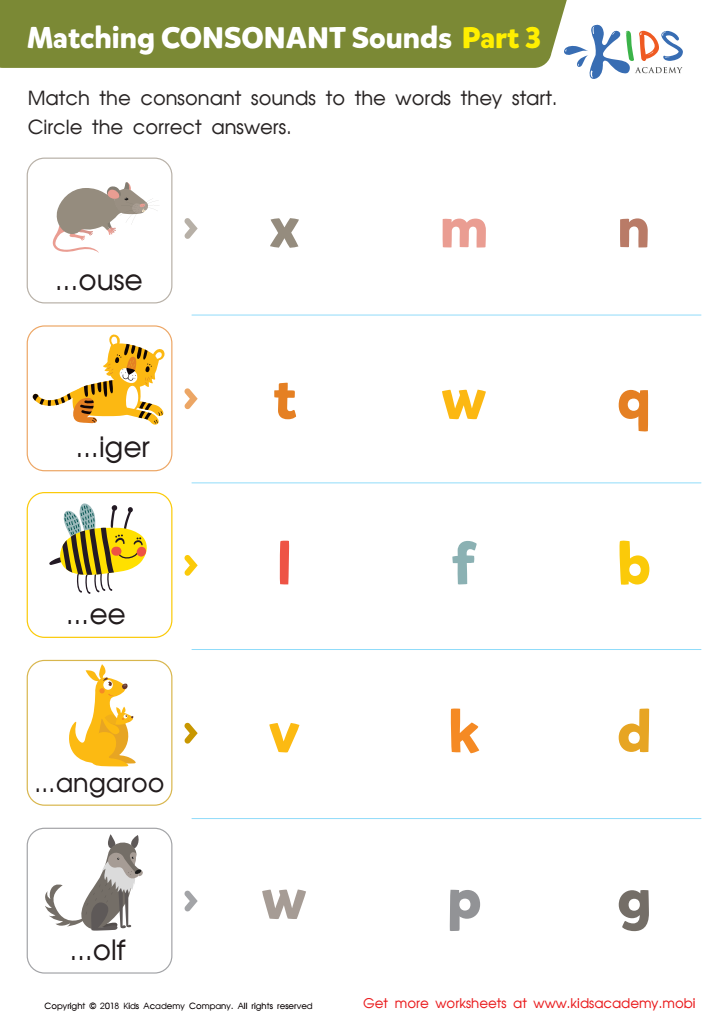
Matching Consonant Sounds: Part 3 Worksheet
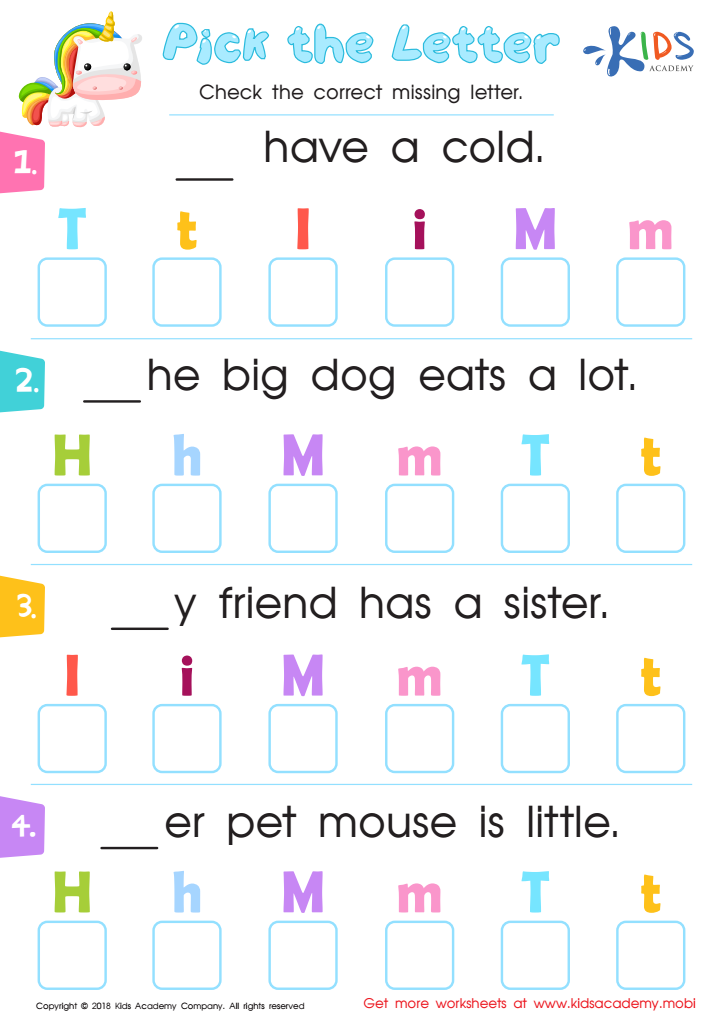
Pick the Letter Worksheet
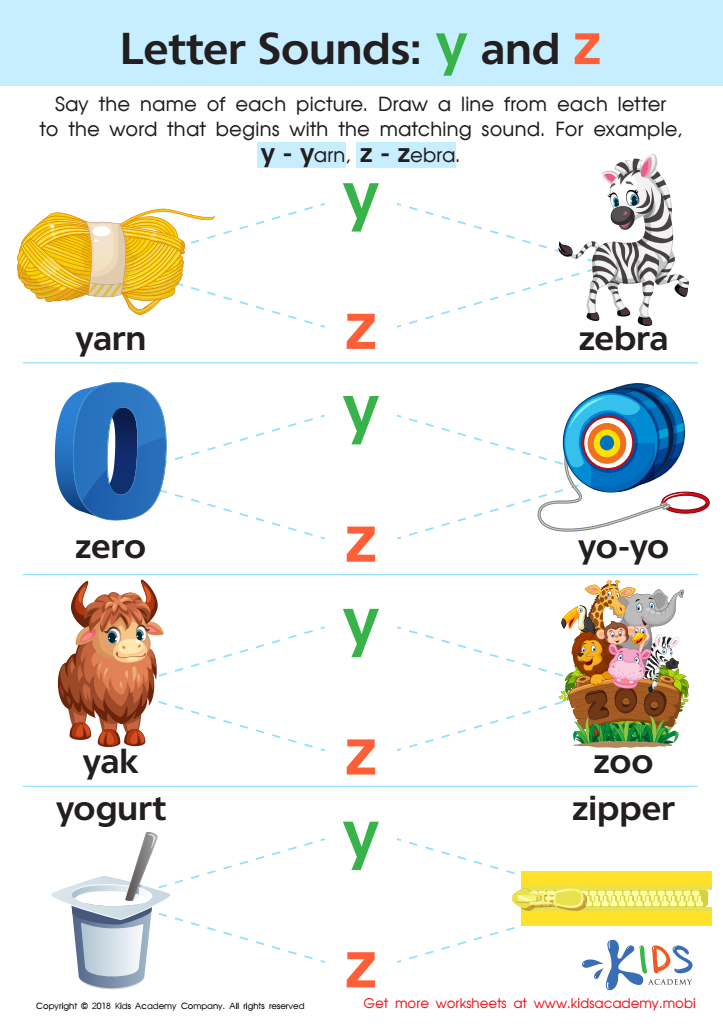
Letter Y and Z Sounds Worksheet





.jpg)


Letter-sound association is fundamental for young children’s literacy development, particularly for ages 5-9. During this critical developmental stage, children are learning to decode and understand written language. Mastering letter-sound associations enables them to read more fluently and gain confidence in their abilities. When children grasp that specific letters correlate with particular sounds, they can begin to combine these sounds to form words, thus enhancing their reading skills.
Moreover, understanding letter-sound relationships lays the groundwork for spelling and writing, as children learn to translate spoken language into written form. This skill is vital not only for academic success but also for effective communication. Parents and teachers play a crucial role in fostering this understanding; through engaging reading activities, phonics games, and consistent practice, they can help children reinforce these connections.
Furthermore, letter-sound association is linked to overall cognitive development. Engaging with language in this way enhances vocabulary, comprehension, and analytical skills. By prioritizing letter-sound associations, parents and teachers can create a robust foundation for lifelong literacy and learning. In essence, cultivating these essential skills in early childhood cultivates enthusiastic, independent readers, which ultimately supports broader educational engagement and achievement.







