Reading development Normal Alphabet Worksheets for Ages 5-9
5 filtered results
-
From - To
Unlock your child's reading potential with our engaging Normal Alphabet Worksheets designed for ages 5-9. These resources foster reading development through interactive activities that make learning fun and effective. Each worksheet focuses on letter recognition, phonics, and vocabulary building, ensuring a smooth transition from letters to sounds and words. Our colorful, easy-to-use worksheets cater to different learning styles and help children gain confidence in their reading skills. Ideal for home or classroom use, these activities encourage a love for reading while reinforcing essential literacy concepts. Start your child's reading adventure today with our thoughtfully crafted worksheets!
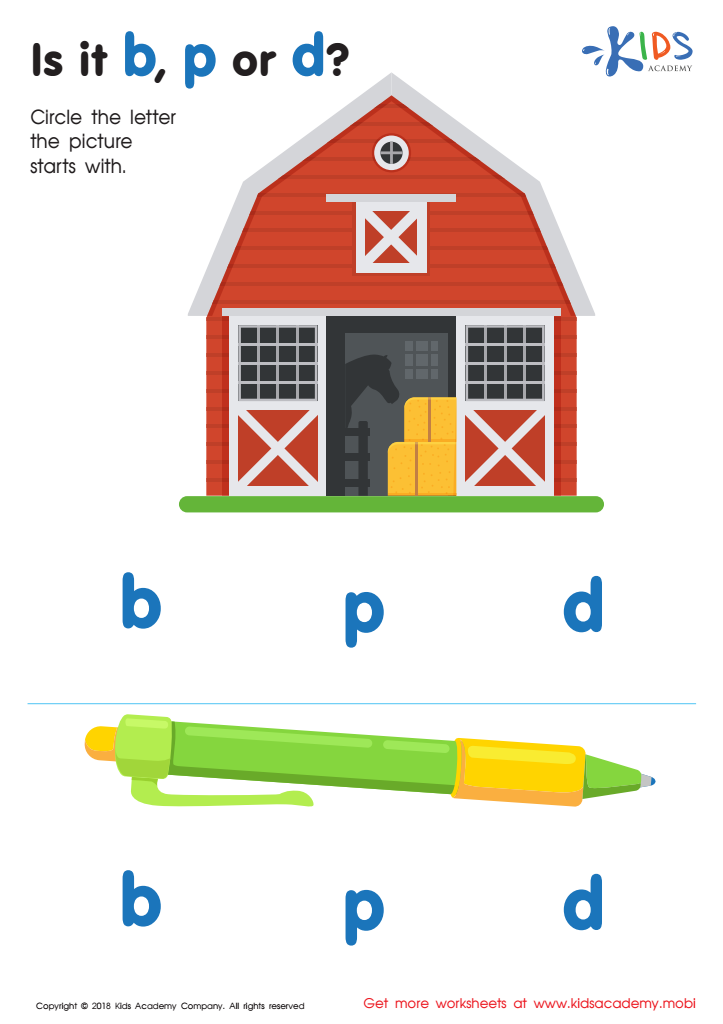
Is it b, p or d? Worksheet
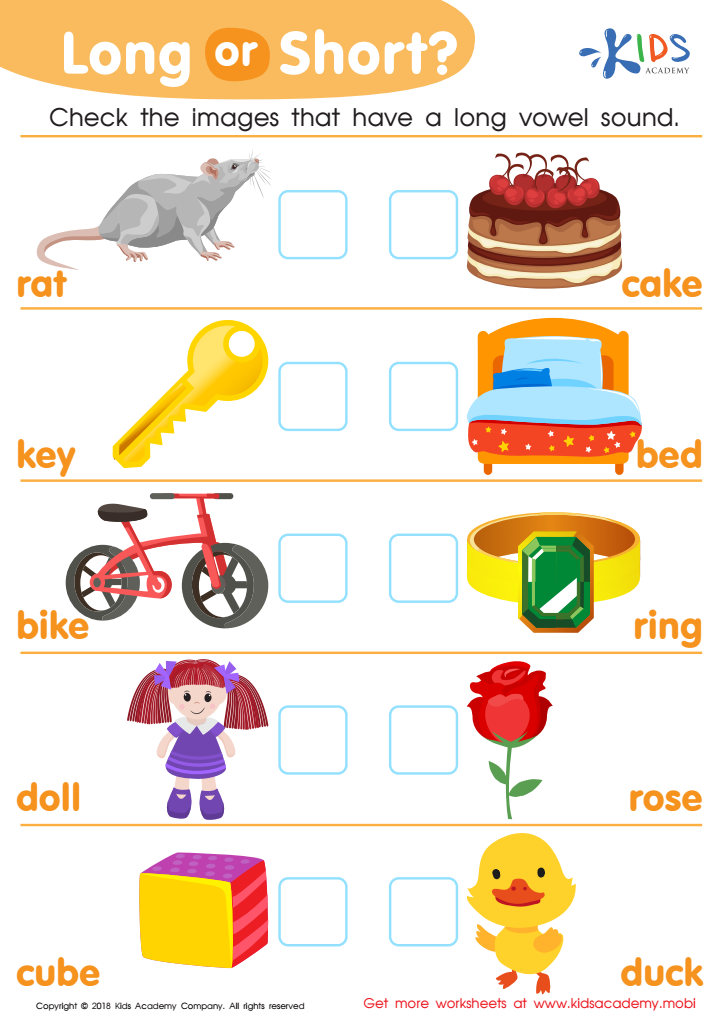
Long or Short Reading Worksheet
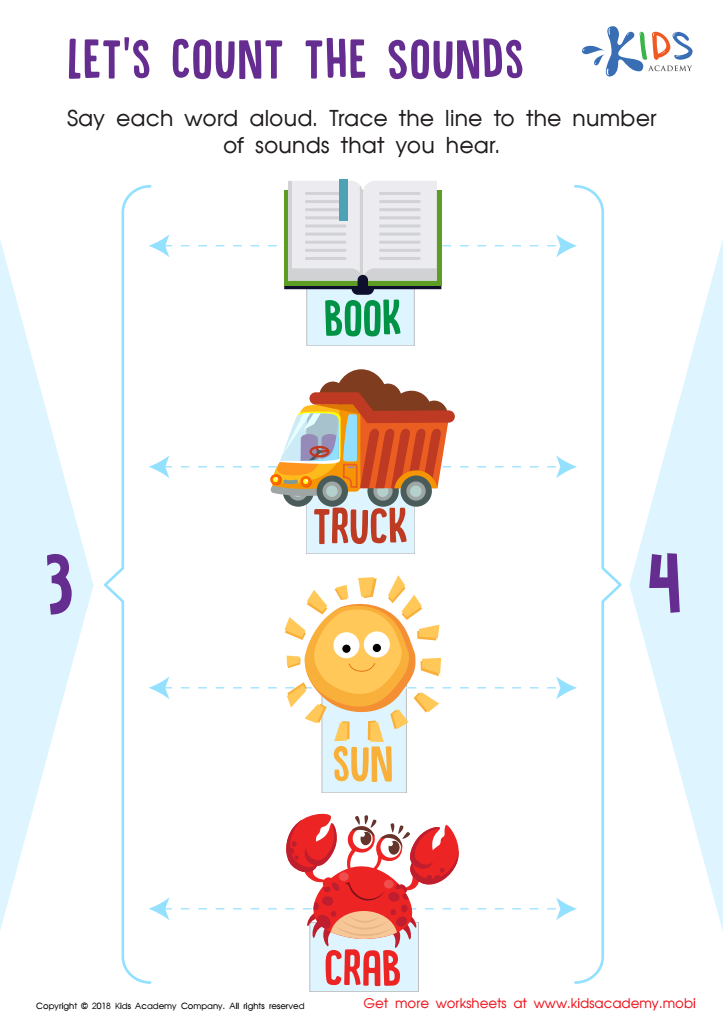
Let's Count the Sounds Worksheet
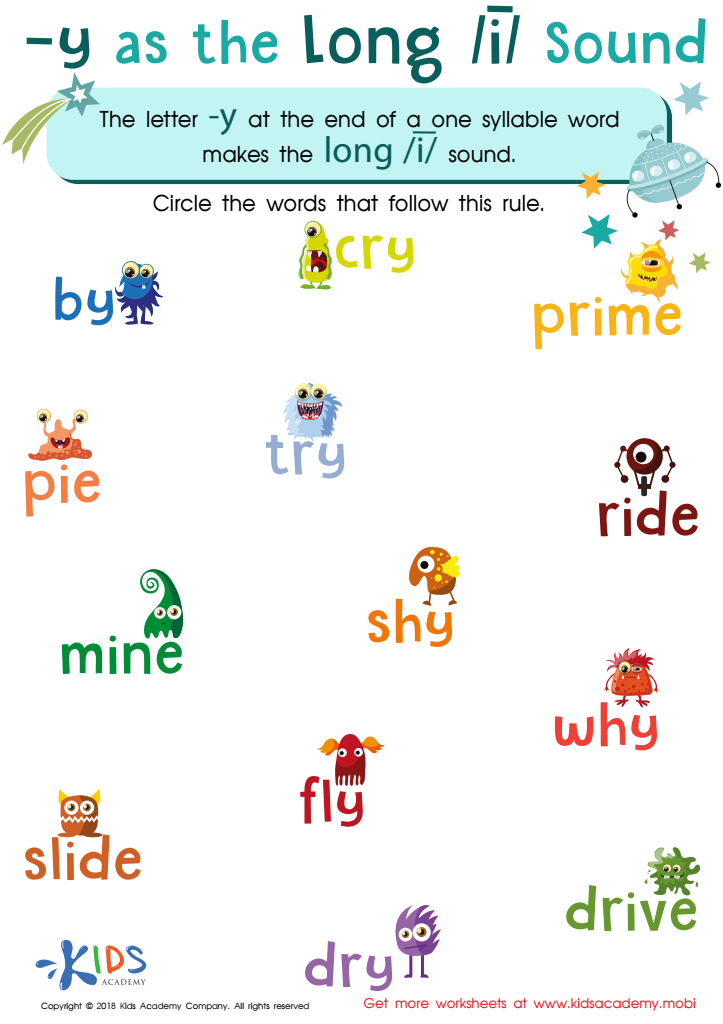
Reading: Y as Long I Worksheet
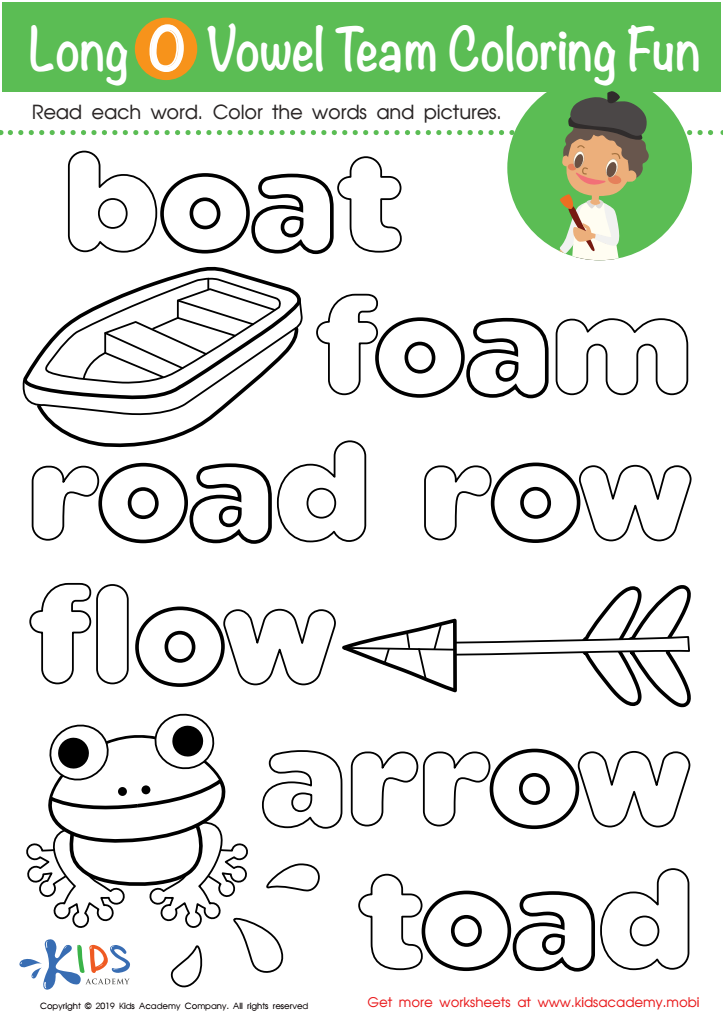
Long O Vowel Team Coloring Worksheet
 Assign to My Students






Reading development is crucial for children aged 5-9 as it lays the foundation for their future academic success and lifelong learning. During these formative years, children are primarily engaged in decoding the sounds and symbols of the alphabet, which is essential for their literacy skills. When parents and teachers prioritize reading development, they help to foster a love for books and learning early on, which can boost children's confidence and motivation.
Engaging with reading allows children to enhance their vocabulary, comprehension, and critical thinking skills. It also supports cognitive development and encourages creative expression through storytelling. Furthermore, literacy is a key component of communication; the ability to read equips children to effectively interact with the world around them.
Early reading proficiency can also impact overall academic performance across subjects, as many learning areas, from science to mathematics, rely heavily on reading comprehension. Lastly, supporting reading development early on can bridge gaps in educational equity, ensuring that all children, regardless of their background, have access to basic literacy skills essential for their growth and future opportunities. By caring about and actively promoting reading in young learners, parents and teachers empower them to navigate their educational journey with confidence and curiosity.







