Vocabulary enhancement Normal Long And Short Vowel Worksheets for Ages 5-9
8 filtered results
-
From - To
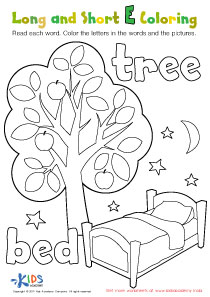
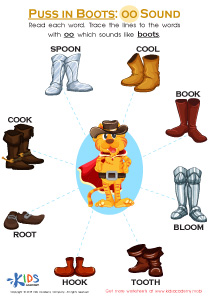
Enhance your child's vocabulary with our engaging Long and Short Vowel Worksheets, designed for ages 5-9. These interactive worksheets from Kid's Academy empower young learners to differentiate between long and short vowel sounds while boosting their reading and writing skills. By incorporating fun exercises and vibrant visuals, children will develop a solid foundation in phonics, crucial for their language development. Our worksheets cater to early grade students, ensuring they receive the support and practice needed to become confident readers. Ideal for both classroom and home use, these resources will make learning both effective and enjoyable.
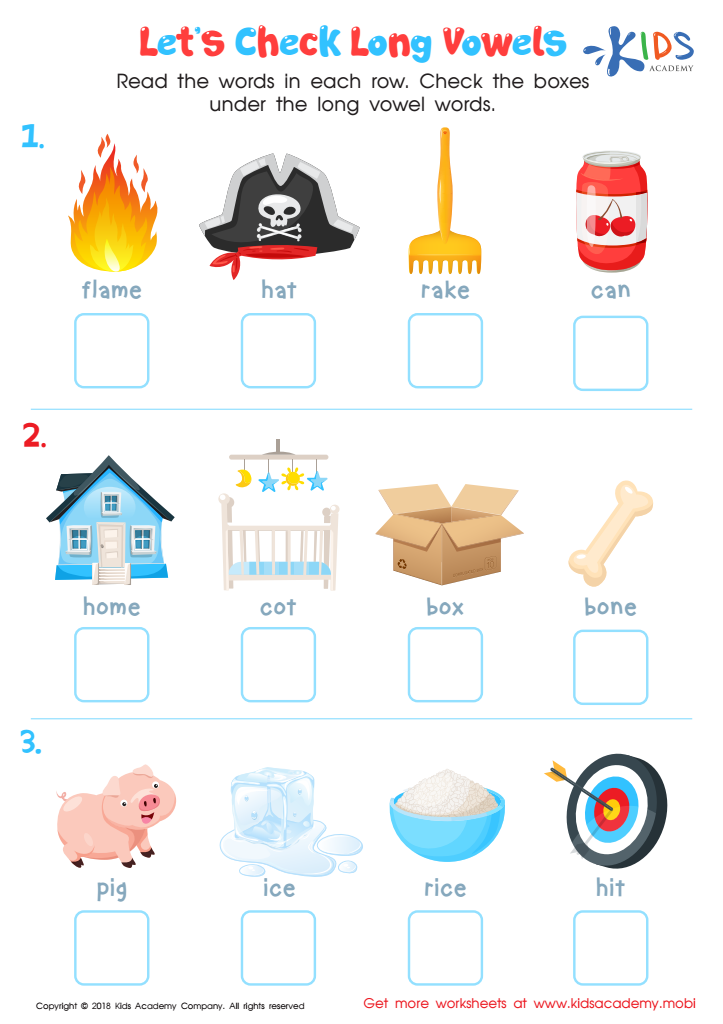
Let's Check Long Vowels: Assessment Worksheet
 Assign to My Students
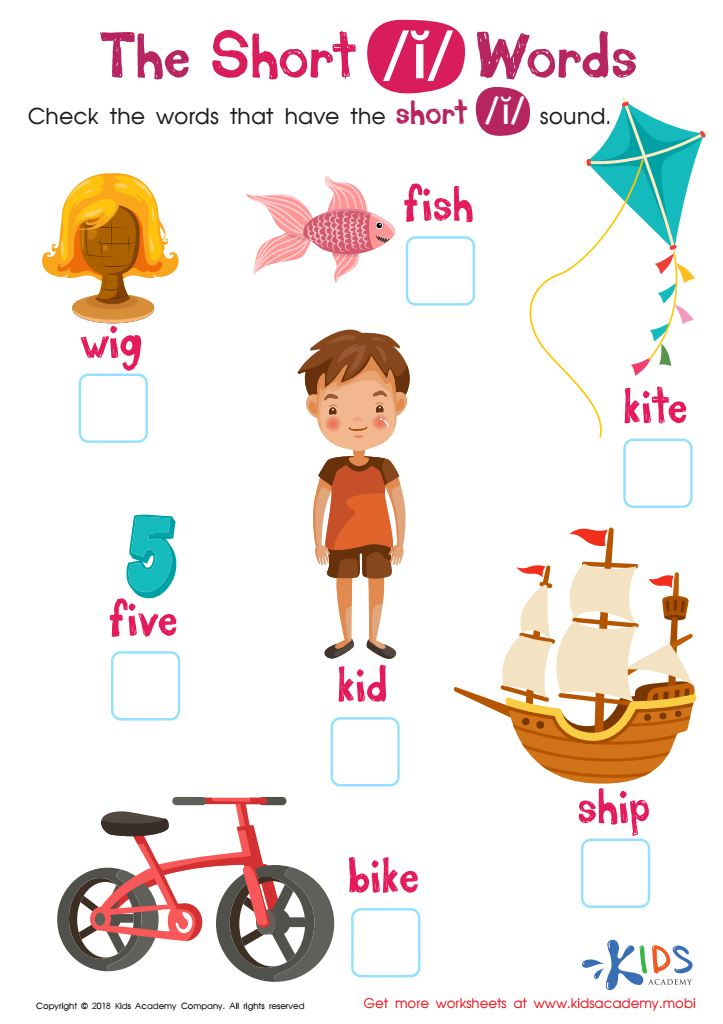
The Short I Words Reading Worksheet
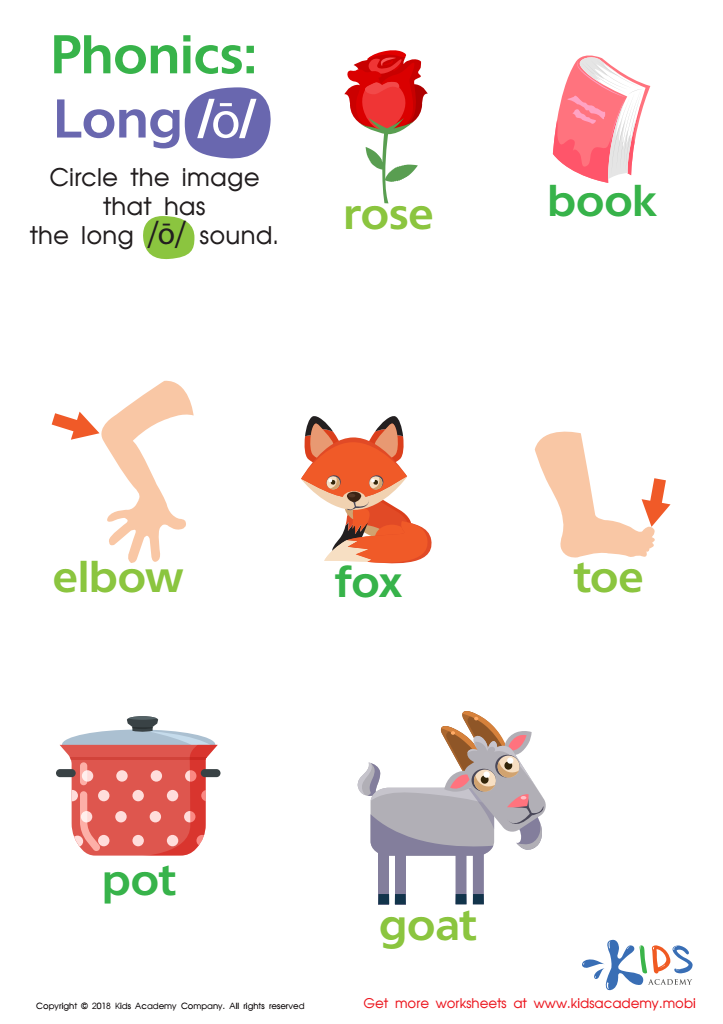
Phonics Long O Reading Worksheet
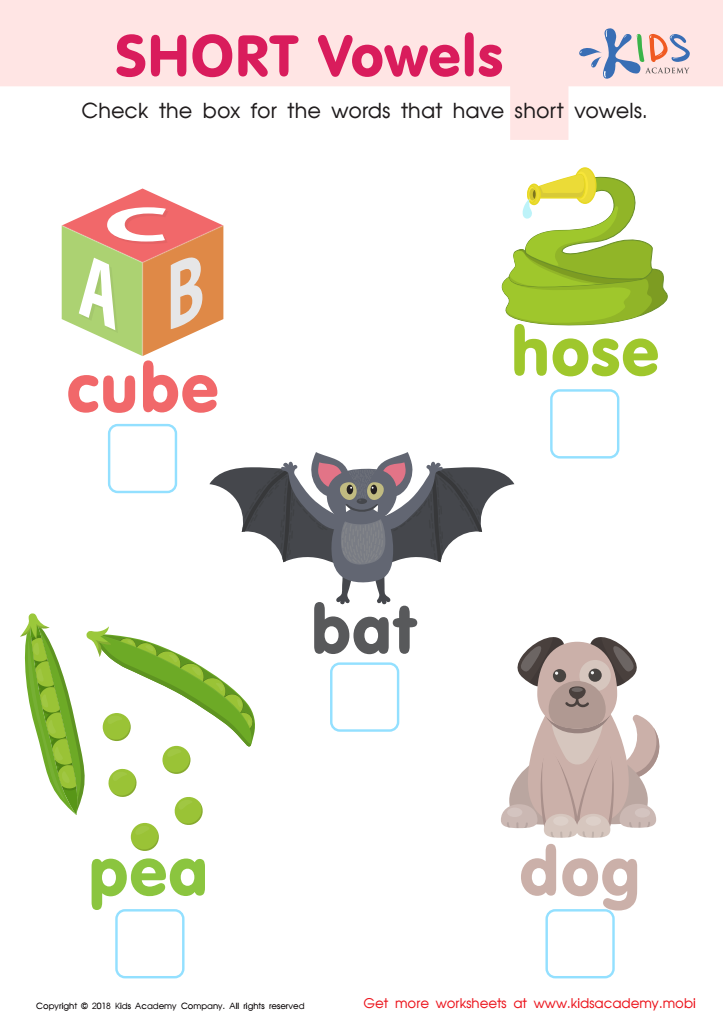
short vowels Worksheet
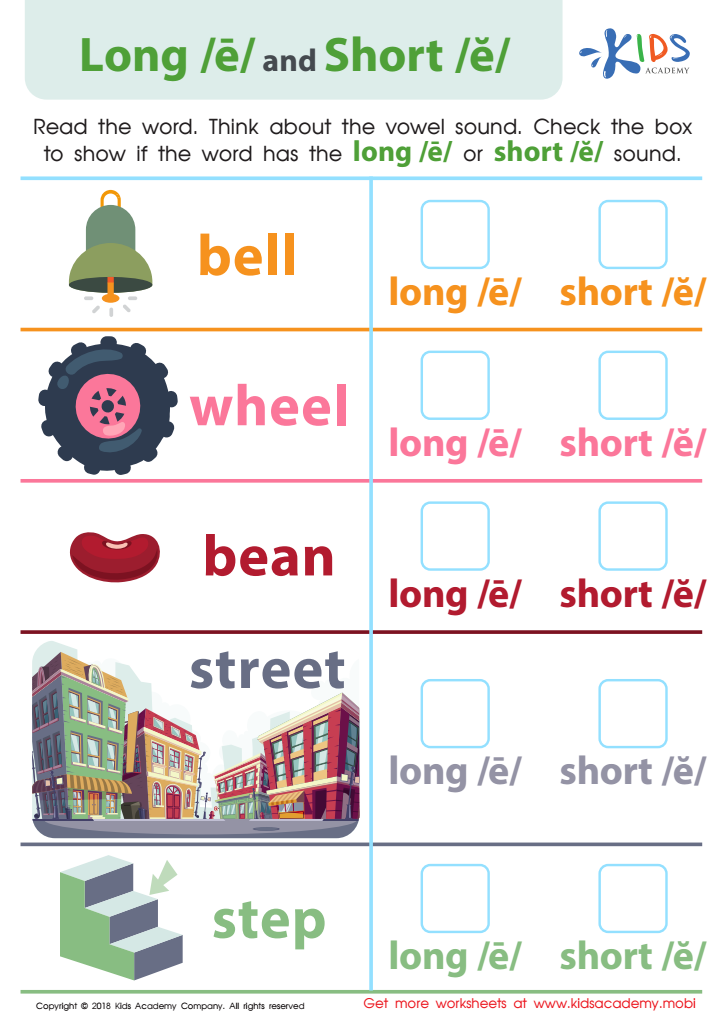
Reading: Long E and Short E Worksheet
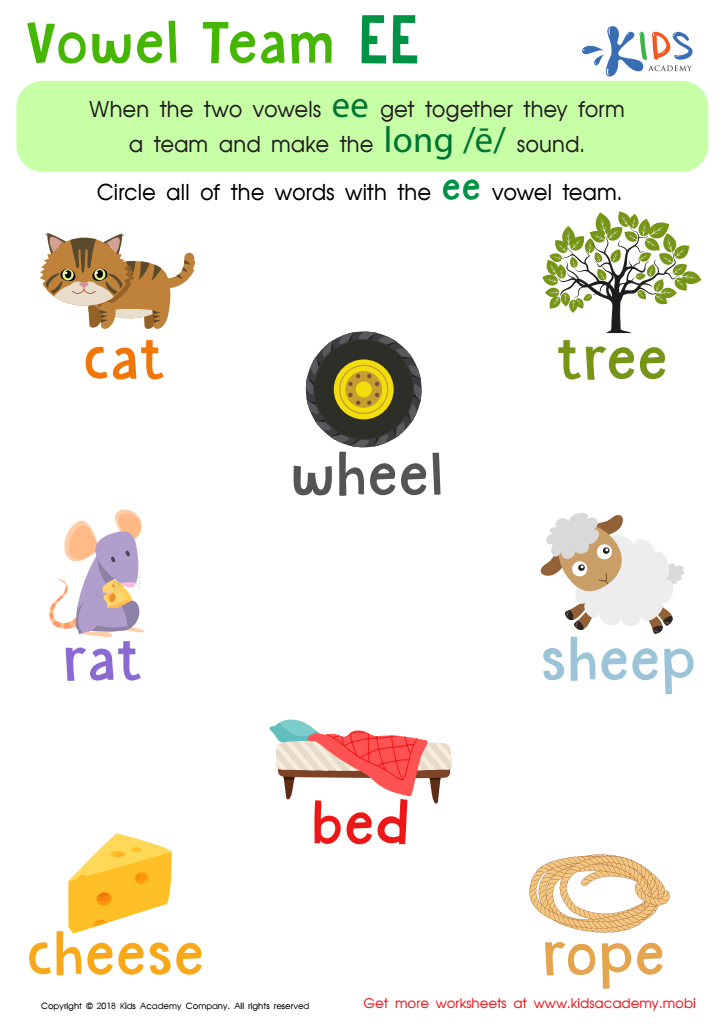
Reading: Vowel Team EE Worksheet
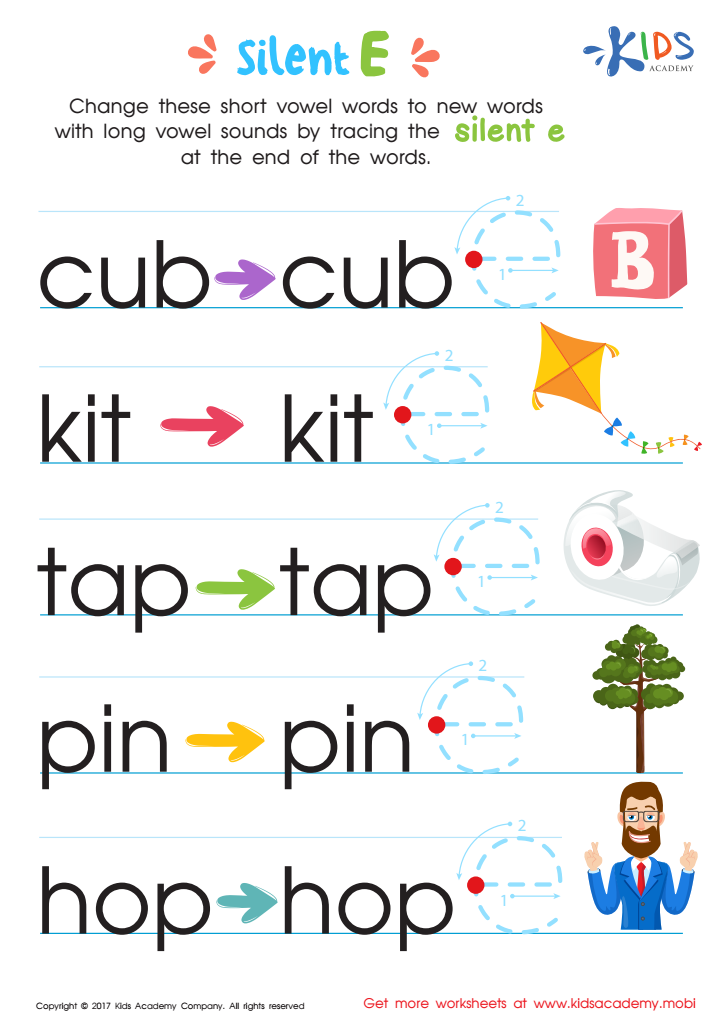
Silent E Words Worksheet
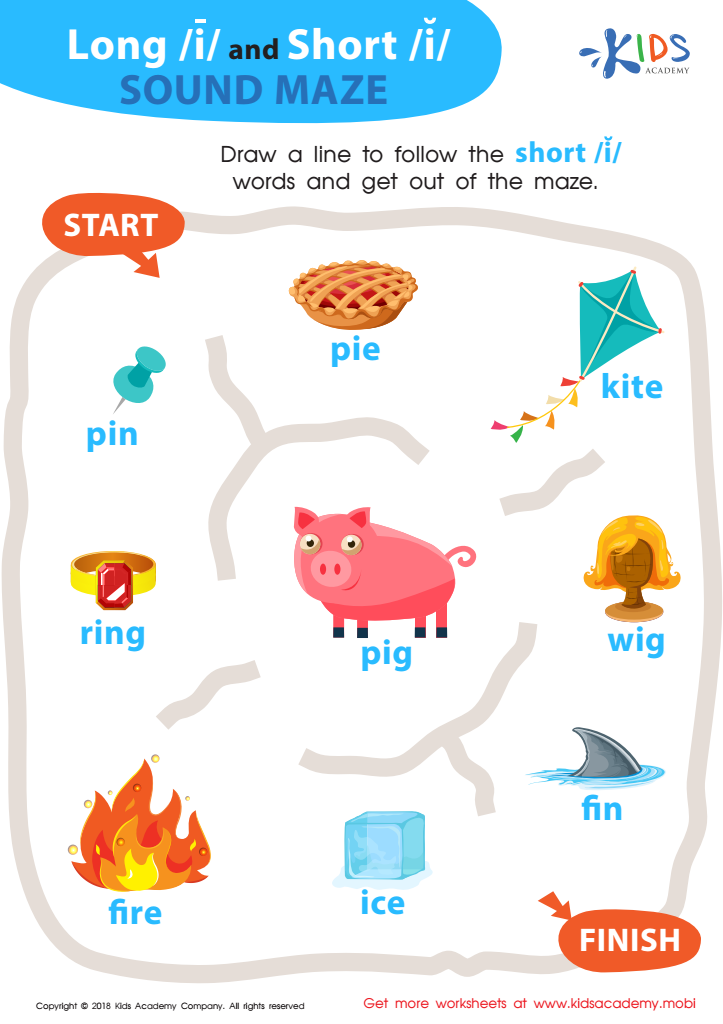
Reading: Long I and Short I Sound Maze Worksheet




Vocabulary enhancement, particularly focusing on normal, long, and short vowels, is crucial for young children aged 5-9 because it forms the foundation of their reading and communication skills. At this early stage, children's brains are like sponges, absorbing information rapidly. Mastery of vowel sounds not only improves their pronunciation and speaking abilities but also their reading comprehension and spelling proficiency.
Understanding vowels is essential because vowels are the core of English words. Differentiating between long and short vowel sounds helps children decode words more accurately, facilitating smoother and more fluent reading. For instance, recognizing the difference between “bit” and “bite” can significantly alter a child's understanding of a sentence. Enhanced vocabulary allows children to express themselves more clearly and vividly, promoting better social interactions and self-confidence.
Furthermore, strong vocabulary skills are closely linked to academic success. As children progress in school, their ability to comprehend more complex texts and follow instructions improves with a solid vocabulary foundation. Teachers and parents should therefore prioritize activities and lessons that enrich a child’s understanding of vowels and vocabulary to ensure their academic progress and effective communication throughout life. Investing time in these areas at an early age creates a significant, long-lasting impact on the children’s educational journey.