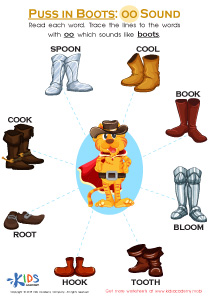
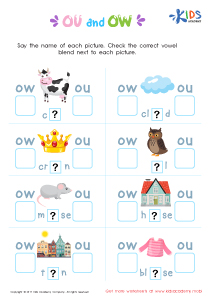
Vowel Recognition Normal Long Vowels Worksheets for Ages 5-9
6 filtered results
-
From - To
Discover our engaging Vowel Recognition Worksheets designed for children aged 5-9, focusing on normal long vowels! These interactive worksheets are perfect for developing essential reading and phonics skills. Each colorful and fun worksheet provides varied activities to help young learners identify and practice long vowel sounds. From matching and fill-in-the-blank exercises to coloring and tracing, these resources cater to different learning styles and keep children motivated. Perfect for classroom use or at-home practice, our worksheets aim to strengthen foundational literacy skills in an enjoyable way. Help your child gain confidence in their reading ability with our expertly crafted vowel recognition activities today!
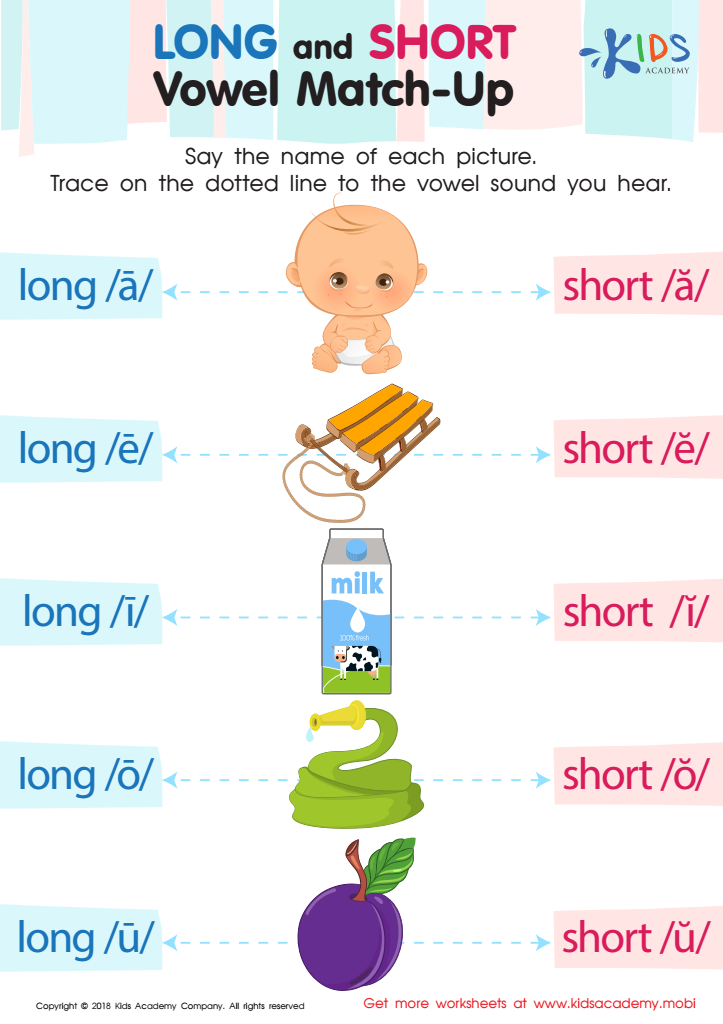
Long and Short Vowel Match up Reading Worksheet
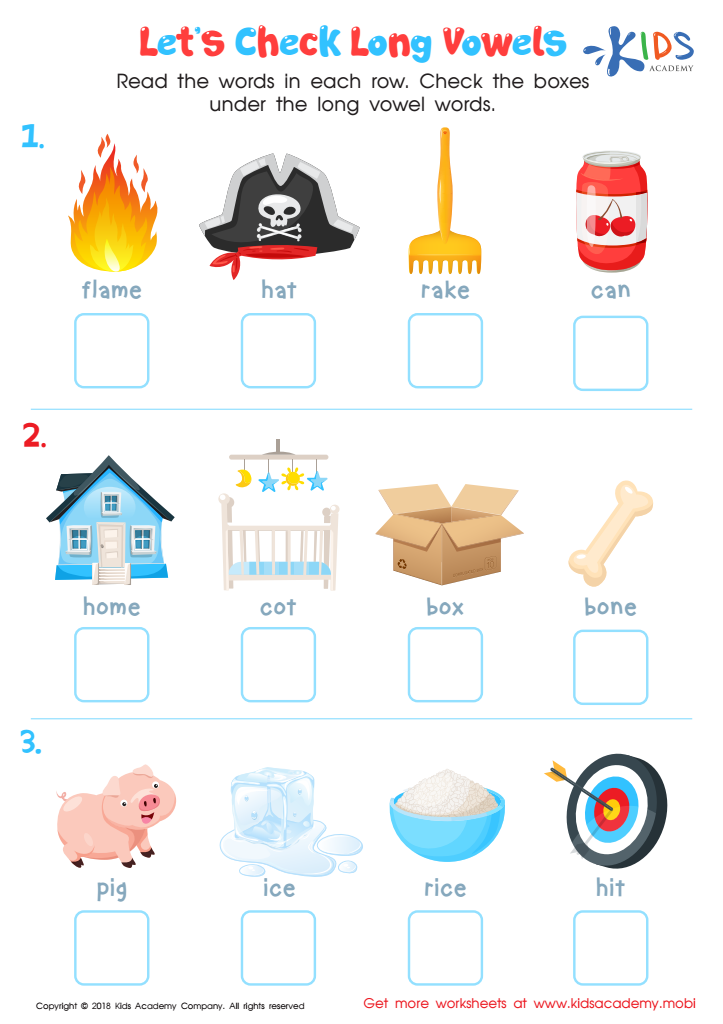
Let's Check Long Vowels: Assessment Worksheet
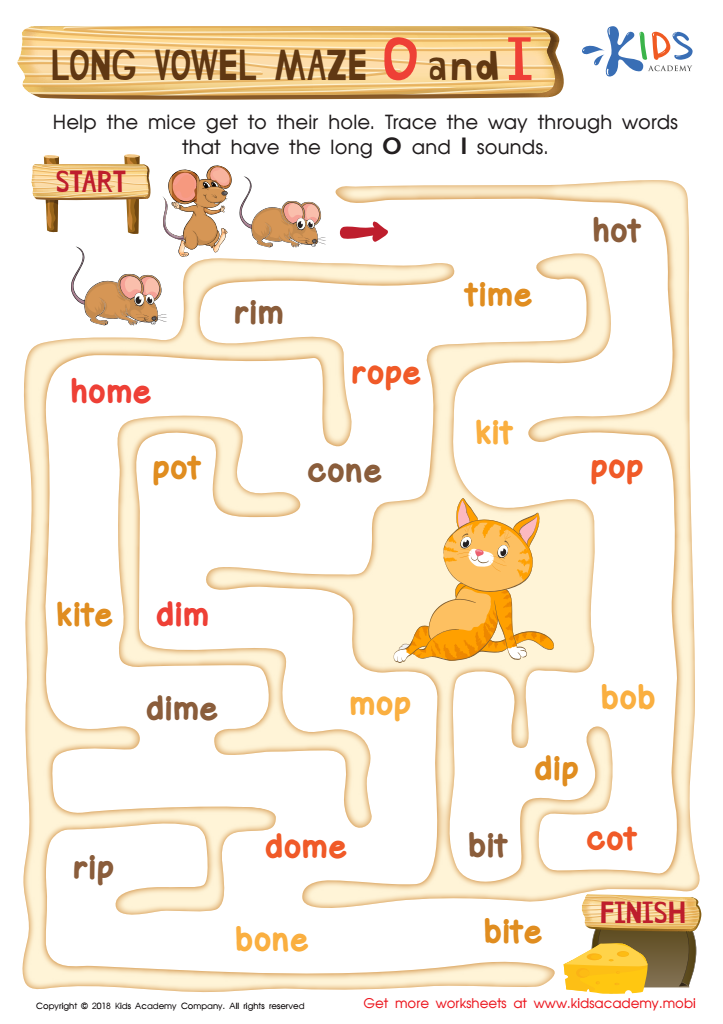
Long Vowel Maze /o/ and /i/ Worksheet
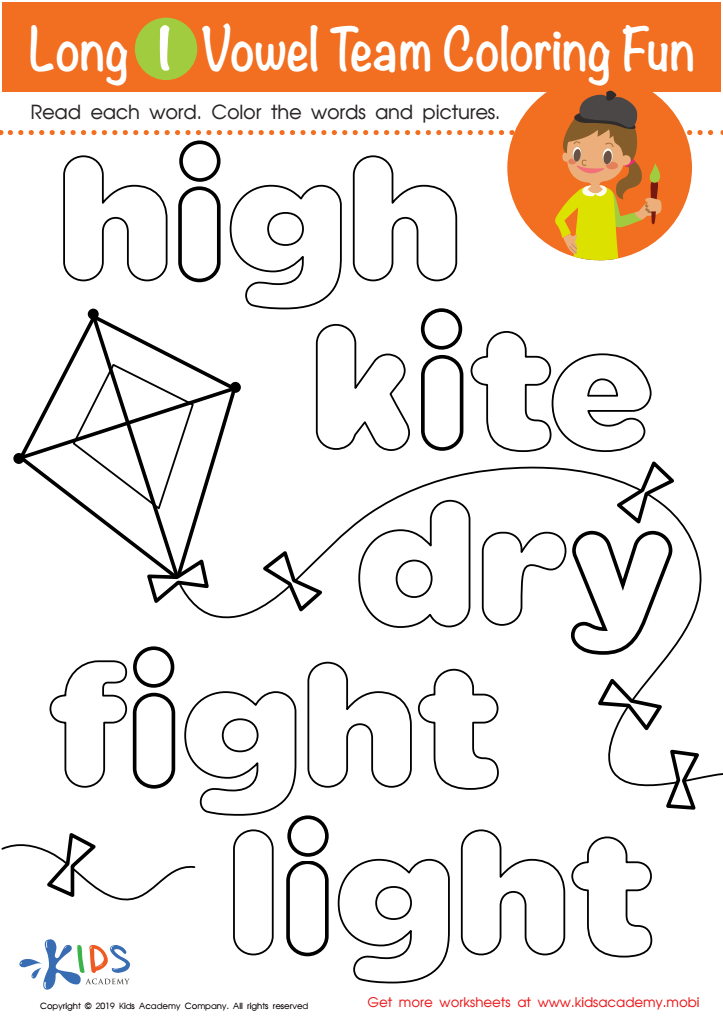
Long I Vowel Team Coloring Worksheet
 Assign to My Students
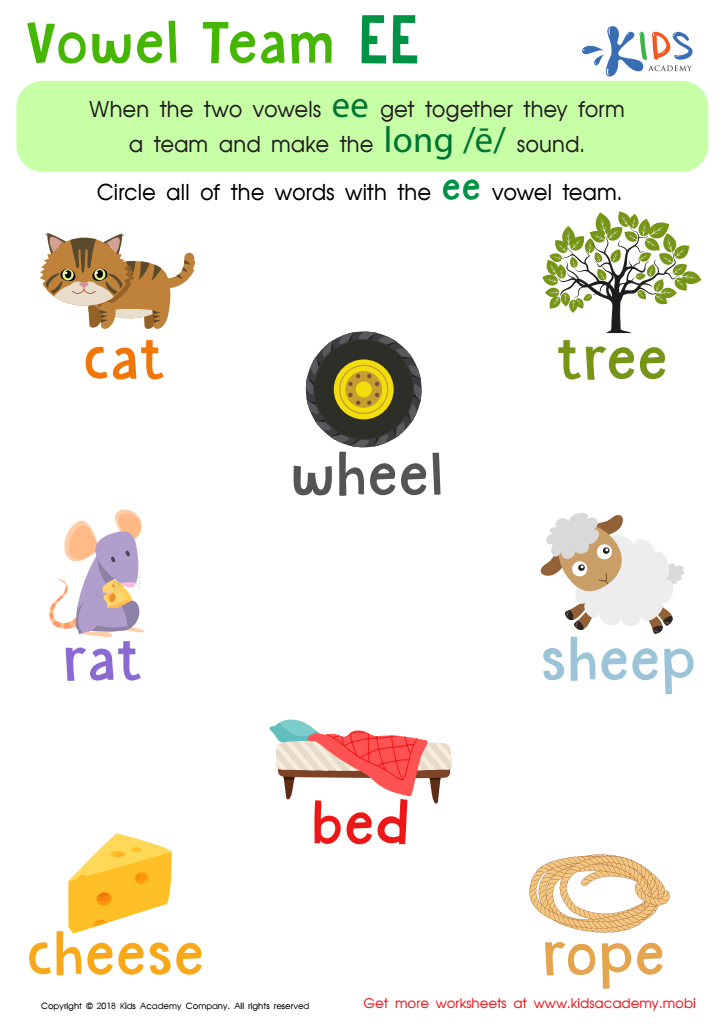
Reading: Vowel Team EE Worksheet
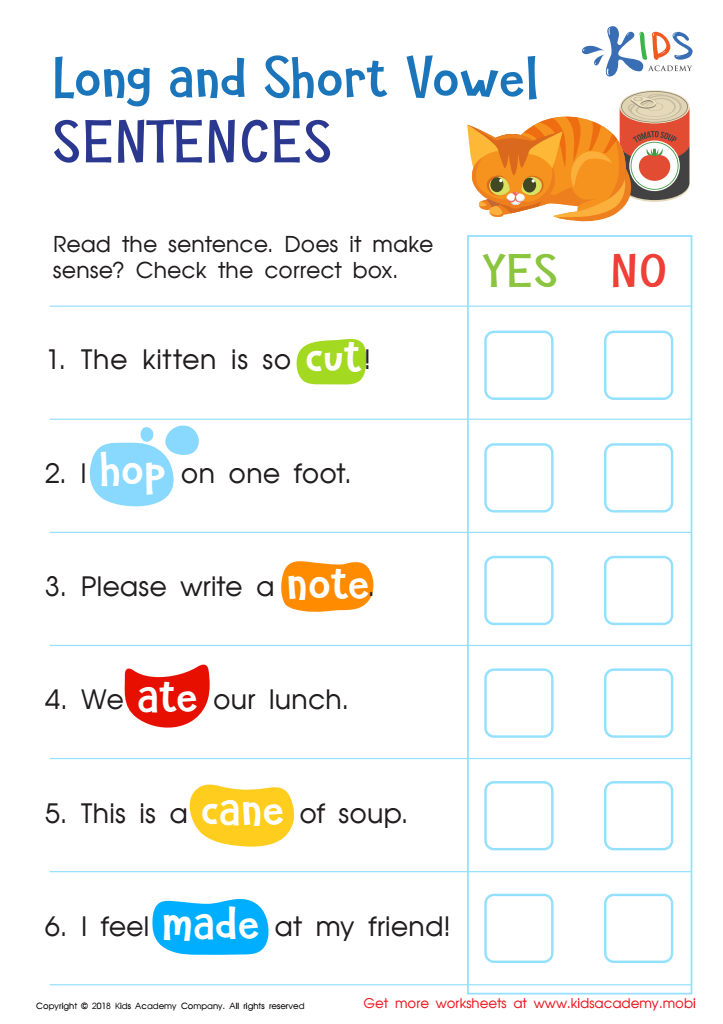
Long and Short Vowel Sentences: Assessment Worksheet



Vowel recognition, particularly for normal long vowels, is crucial for children aged 5-9 as it lays the foundation for reading, writing, and overall literacy development. Vowels are the building blocks of words, and understanding their long sounds helps children decode unfamiliar words, improving their reading fluency and comprehension. Long vowels, like "a" in "cake" or "e" in "tree," typically follow specific spelling patterns that children must learn to recognize and apply.
Teaching vowel recognition fosters phonemic awareness, helping children distinguish between similar sounds and build their phonetic decoding skills. This skill is essential not only for early readers but also for their future reading success. Recognizing long vowels also supports proper spelling, as students learn to connect sound to symbols, improving their written communication.
Furthermore, by nurturing vowel recognition early on, teachers and parents create a robust literacy environment, encouraging a love for reading and developing strong communication skills. Children proficient in recognizing long vowels are more likely to engage with texts independently, enhancing their confidence and motivation. Thus, focusing on vowel recognition is a pivotal step in fostering lifelong learners and successful readers.