Phonics recognition Normal Phonics Worksheets for Ages 5-9
13 filtered results
-
From - To
Help your child develop essential reading skills with our Phonics Recognition Normal Phonics Worksheets, designed for ages 5-9. These engaging and educational worksheets are tailored to enhance your child's ability to recognize, pronounce, and understand phonetic sounds. Each worksheet focuses on different letters and sounds, ensuring a comprehensive approach to phonics learning. Perfect for early grade learners, these resources encourage interactive learning through fun activities like matching, word tracing, and sound identification. Empower your child’s reading journey and boost their confidence with our expertly crafted phonics worksheets. Discover the joy of learning with us!
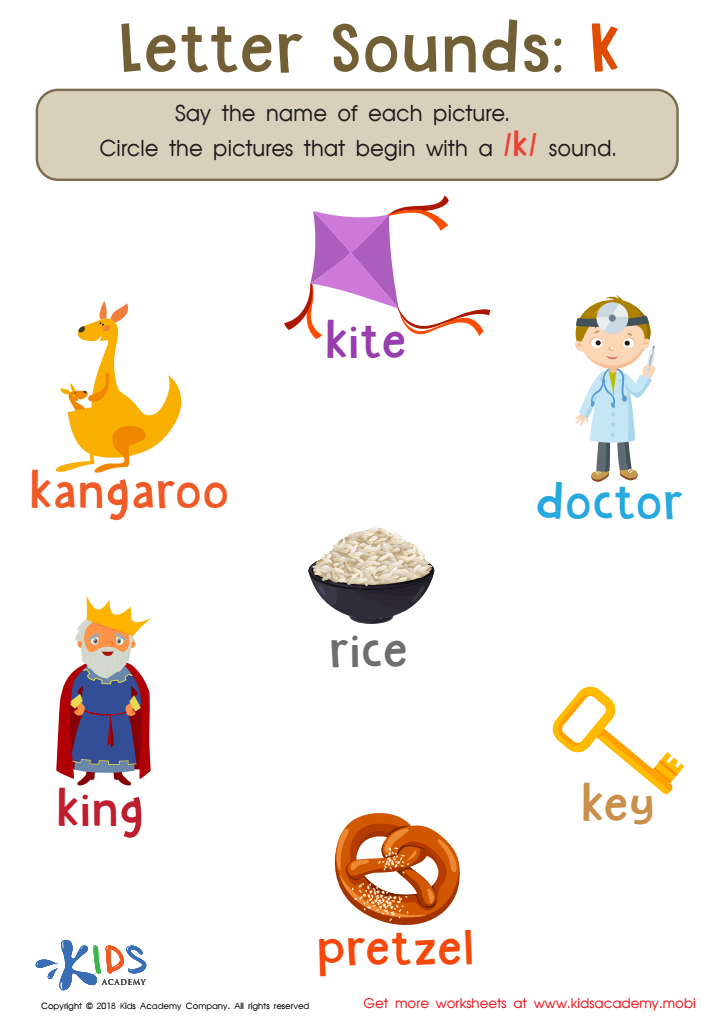
Letter K Sounds Worksheet
 Assign to My Students
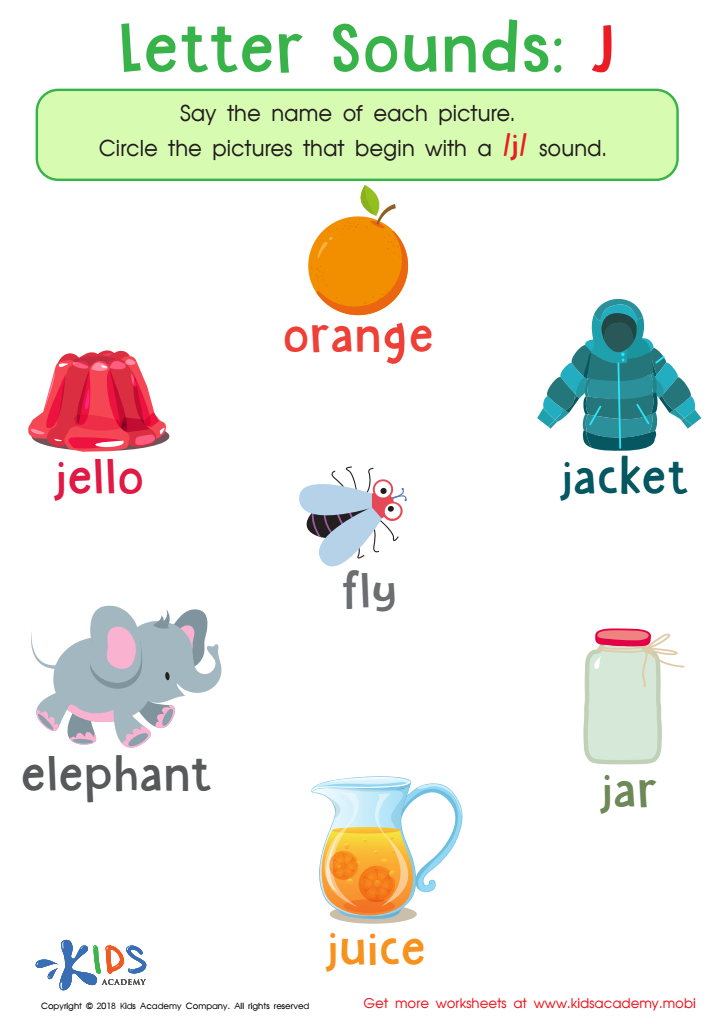
Letter Sounds: J Printable Worksheet
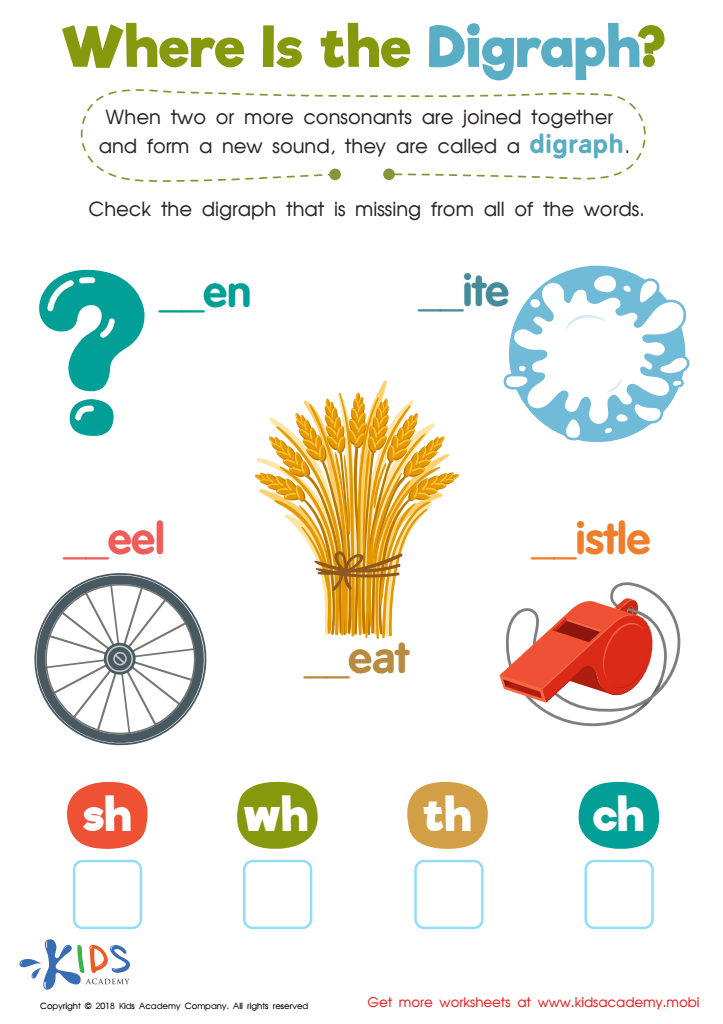
Where Is the Digraph? Worksheet
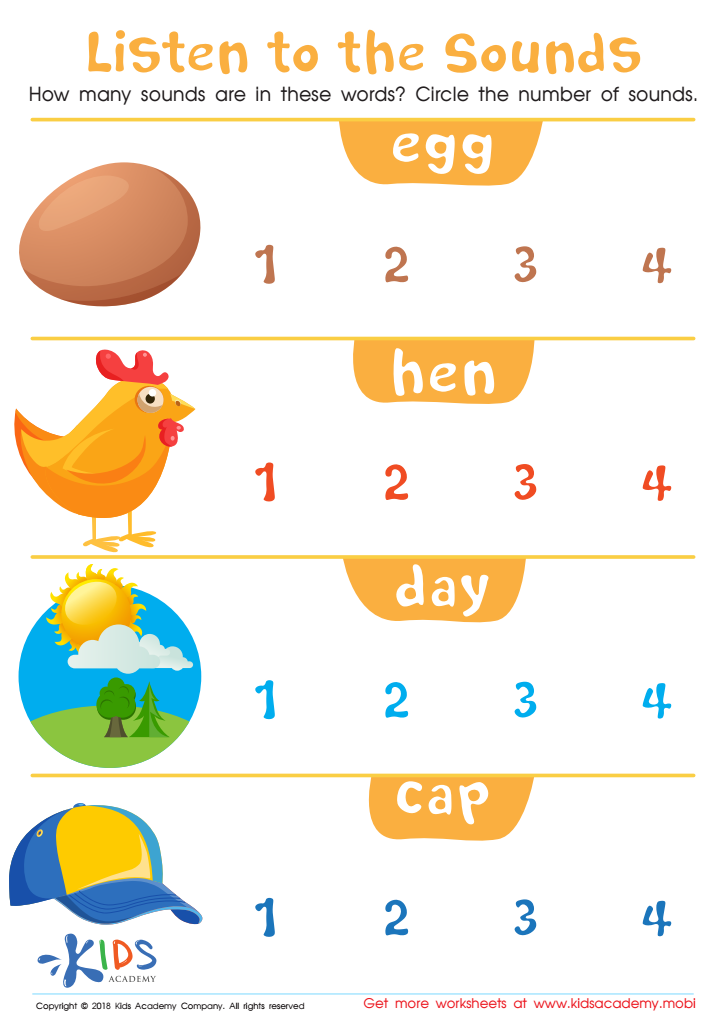
Listen to the Sounds Worksheet
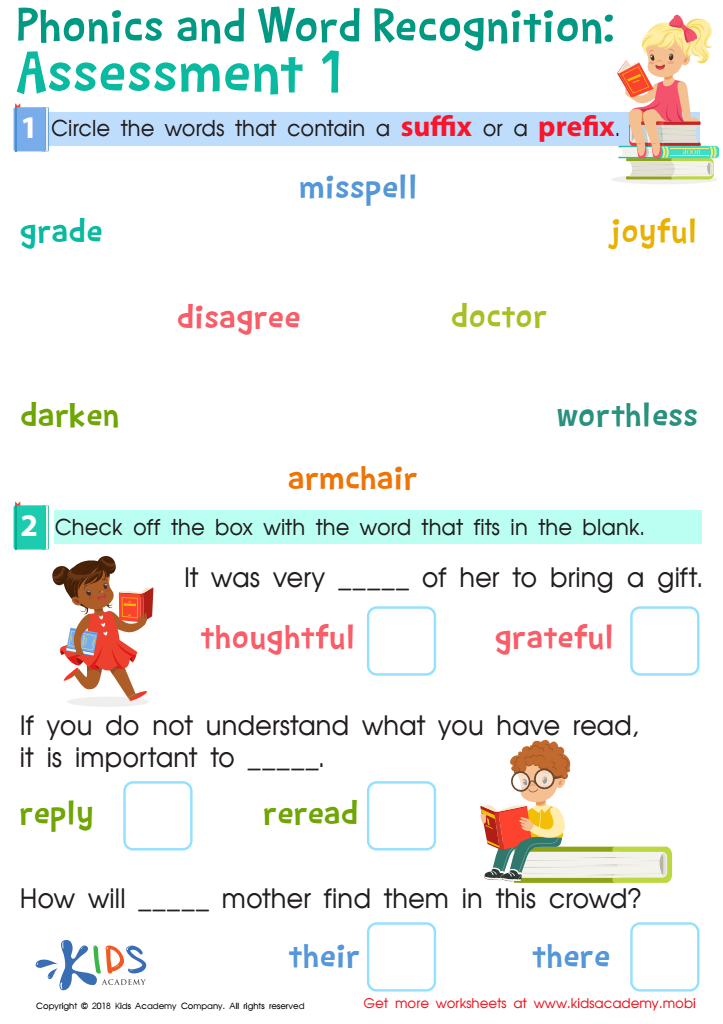
Phonics and Word Recognition: Assessment 1 Worksheet
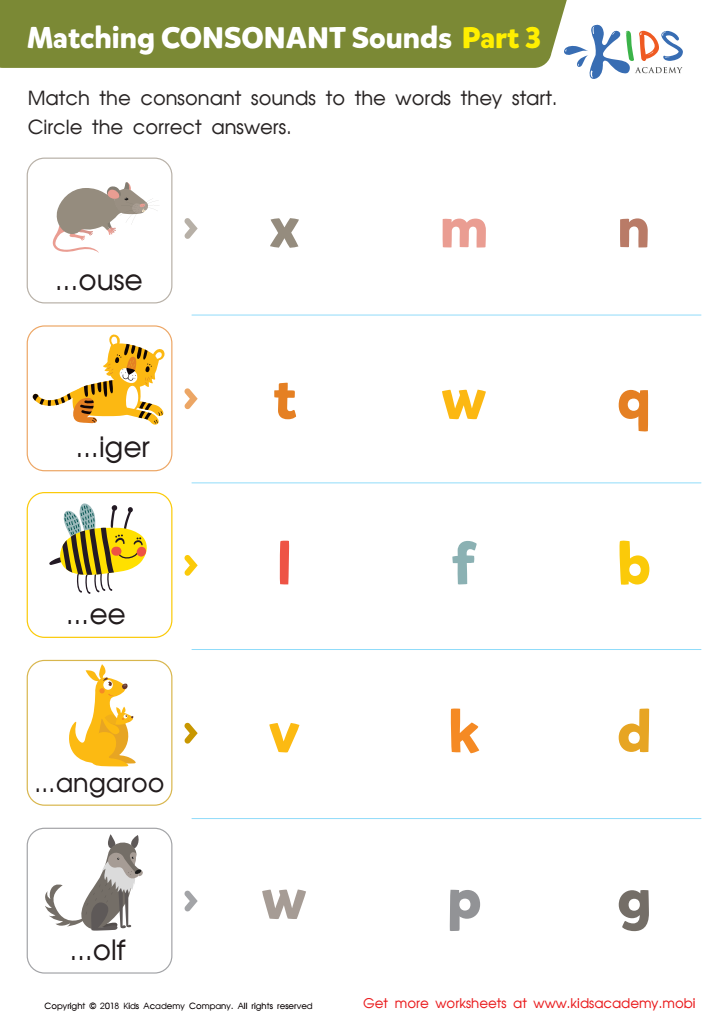
Matching Consonant Sounds: Part 3 Worksheet
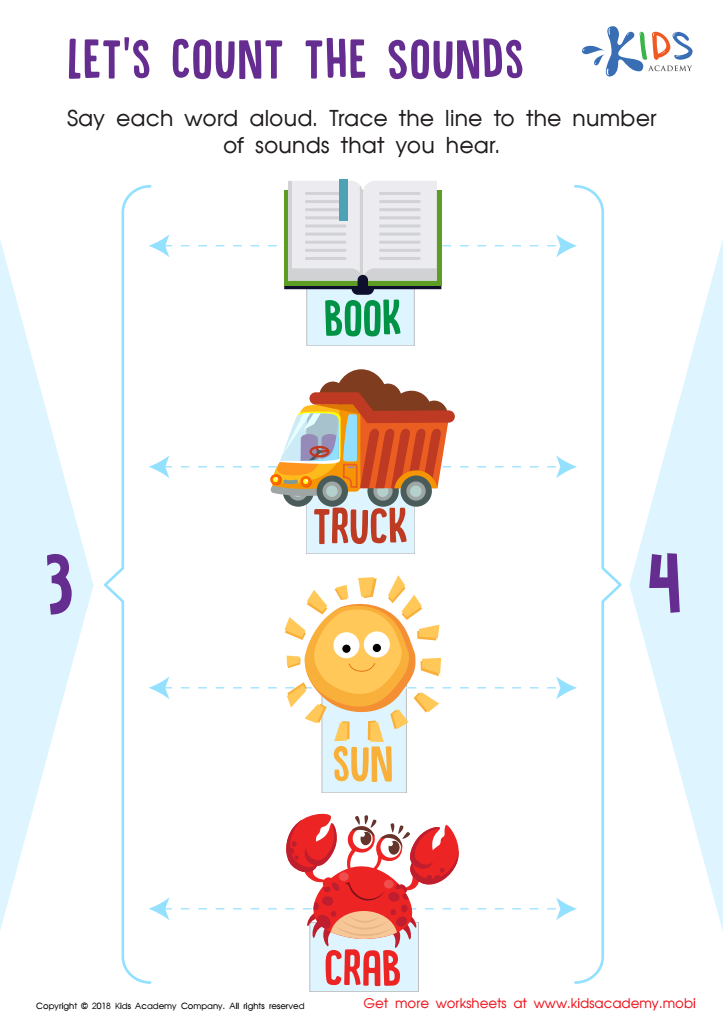
Let's Count the Sounds Worksheet
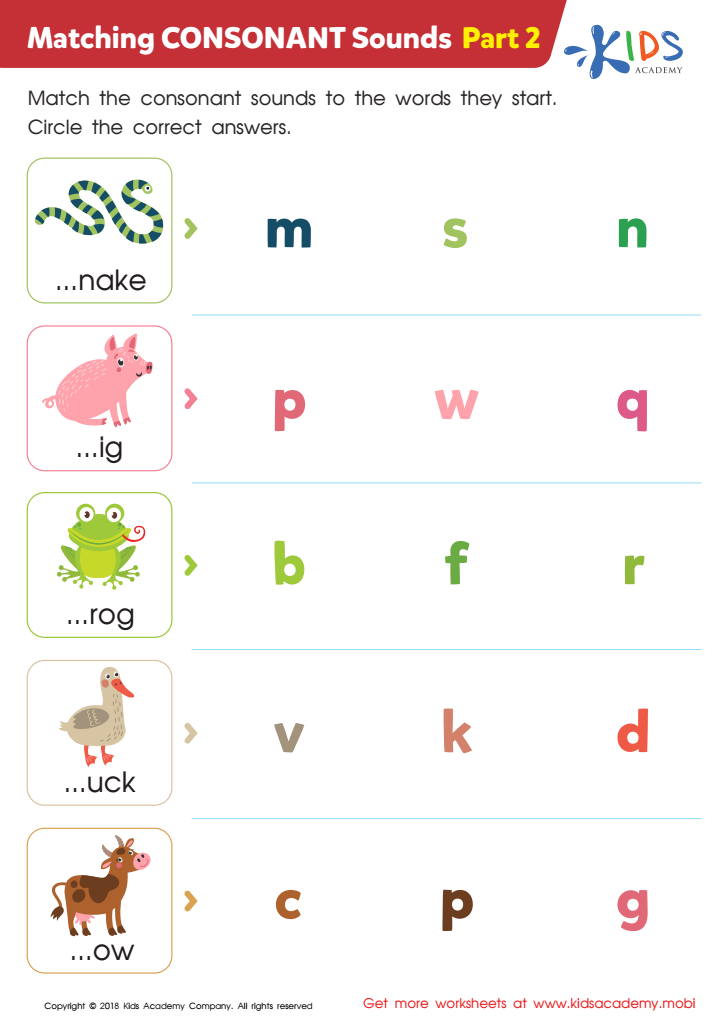
Matching Consonant Sounds: Part 2 Worksheet
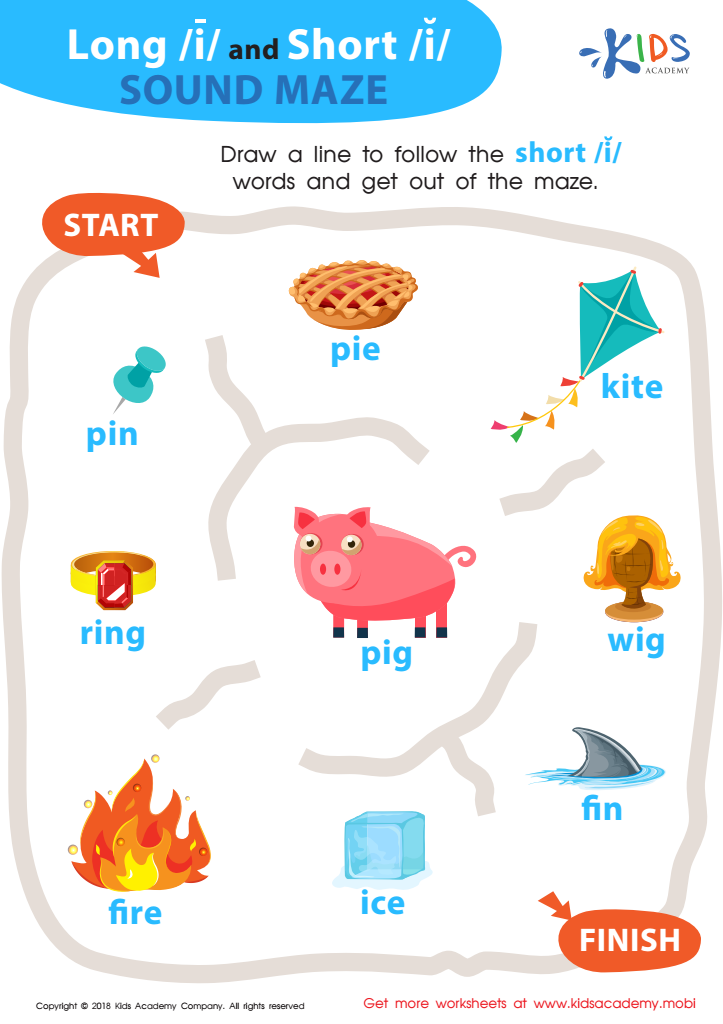
Reading: Long I and Short I Sound Maze Worksheet
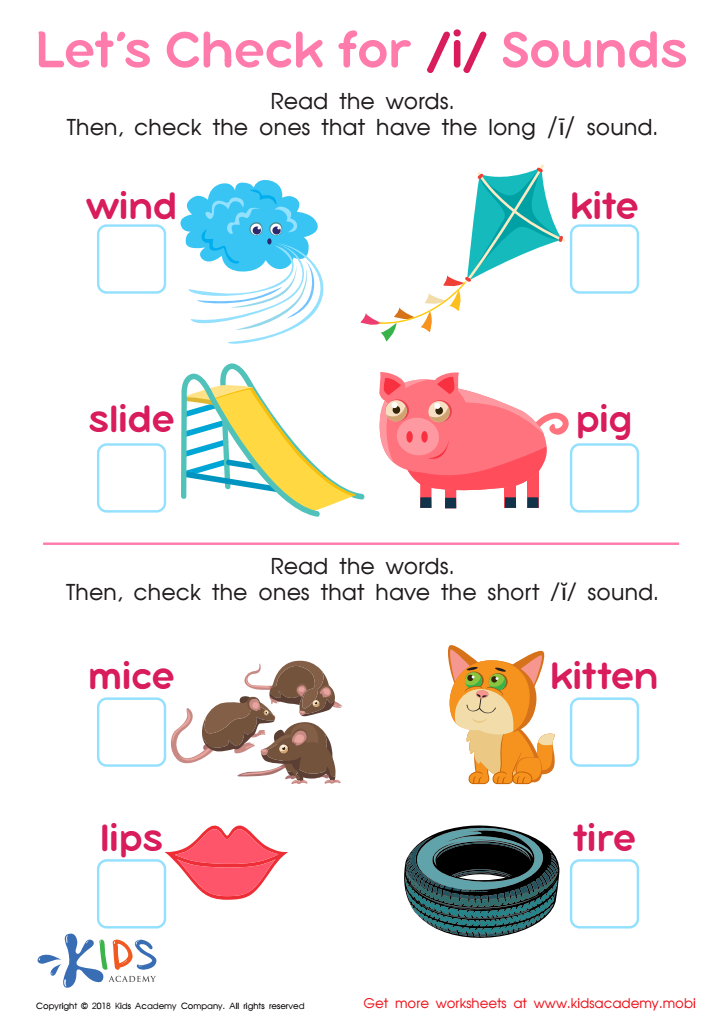
Let's Check for «i» Sounds Worksheet
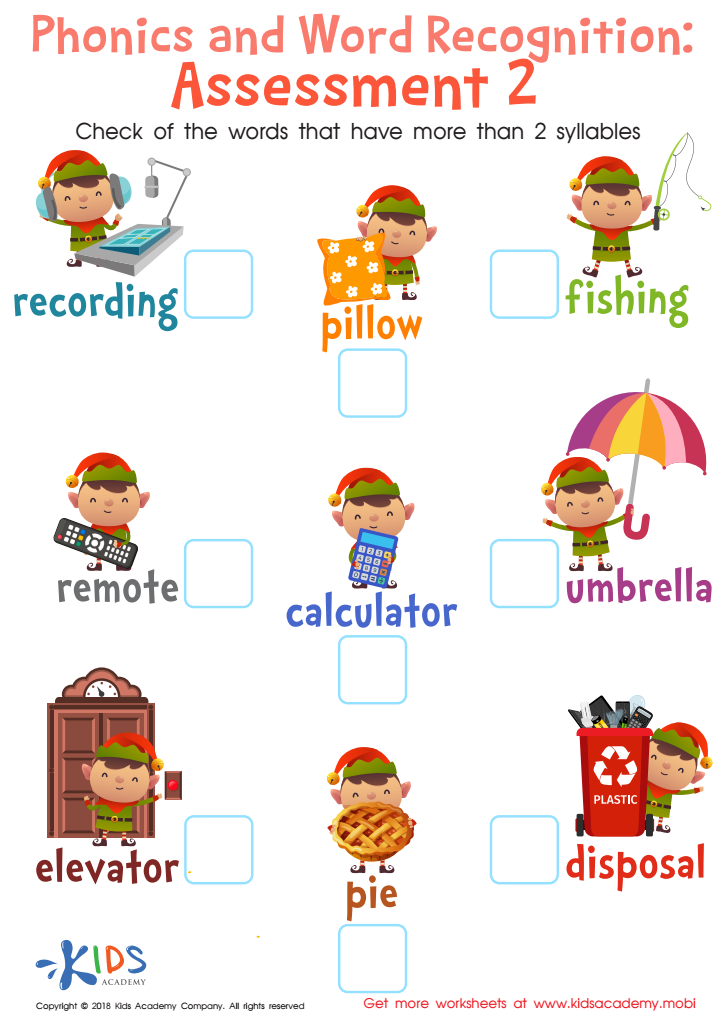
Phonics and Word Recognition: Assessment 2 Worksheet
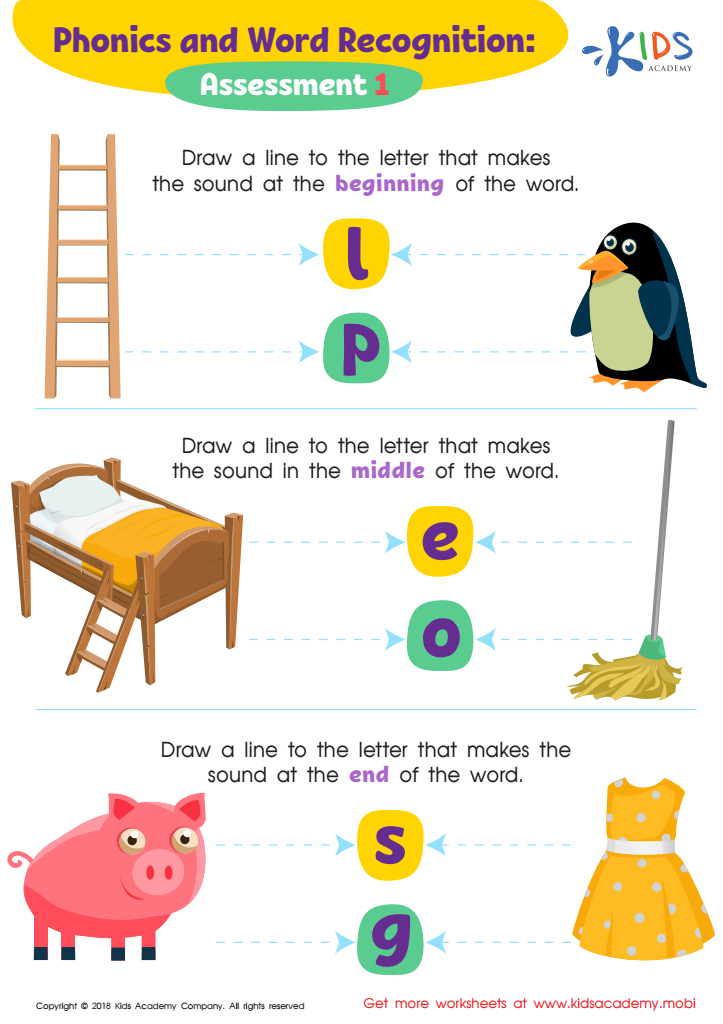
Phonics and Word Recognition: Assessment 1 ELA Worksheet
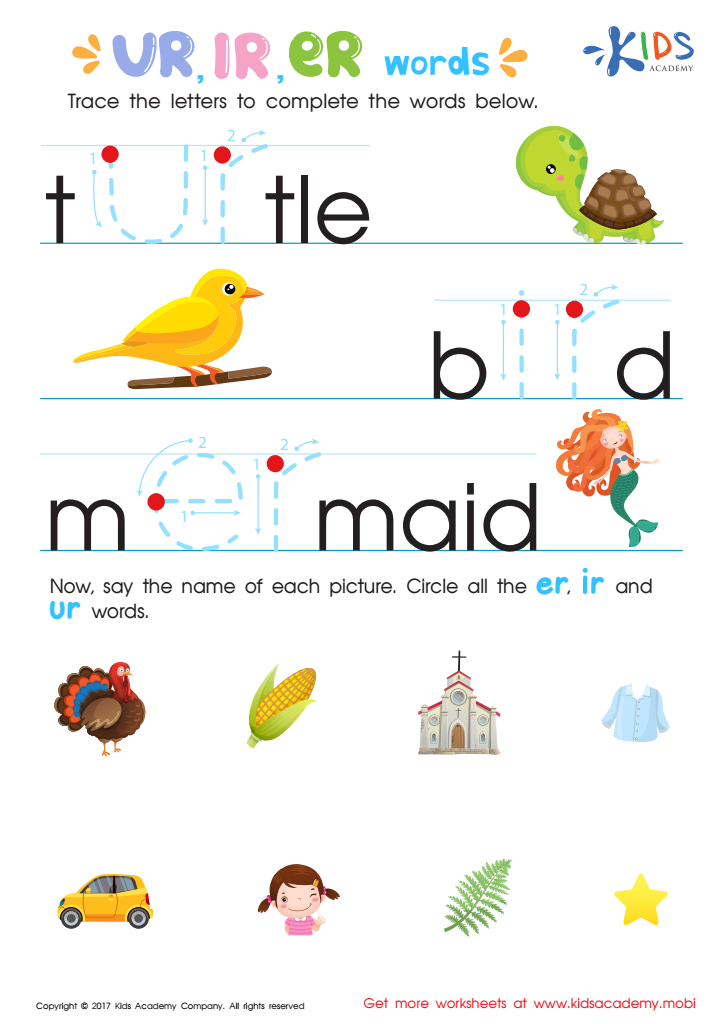
IR UR ER Words Worksheet








Phonics recognition is essential for young learners aged 5-9 because it is one of the foundational building blocks of reading and literacy. Phonics teaches children the relationship between letters and the sounds they make, enabling them to decode words as they read. When children understand phonics, they can read unfamiliar words more easily, which builds their confidence and fluency.
For parents and teachers, emphasizing phonics is crucial because early reading skills predict later academic success. Children who struggle with phonics are likely to find reading more challenging, which can lead to difficulties in other subjects that require reading comprehension. Additionally, early literacy fosters a love of learning and curiosity, giving children a head start in education.
Moreover, phonics instruction can be tailored to individual learning styles, making it highly effective. Integrating phonics in a fun, interactive, and engaging manner - through songs, games, and activities - helps maintain the child's interest and enhances retention of the material.
Ensuring that children aged 5-9 develop strong phonics skills sets the stage for proficient reading, better communication abilities, and a lifelong passion for learning. It is a fundamental step towards academic achievement and personal growth, underlining the importance for parents and teachers to prioritize phonics recognition during early childhood education.







