Filters

11 filtered results

Clear all filters
Favorites
With answer key
Interactive

11 filtered results

Difficulty Level

Grade


Boost your child's vocabulary with our Vocabulary Building Normal Phonics Worksheets designed for ages 5-9. These engaging, educational worksheets help young learners master phonics and expand their word knowledge through fun, interactive activities. Tailored to support early learners, our printables include exercises in letter recognition, sound matching, blending, and word formation. With a focus on developing strong reading skills, these worksheets make learning enjoyable and effective. Perfect for practice at home or in the classroom, they ensure your child builds a solid phonics foundation, equipping them with the skills needed for reading success. Download our exceptional resources today!

Check out this FREE Trial Lesson on Phonics for age 5-9!

High-frequency Words 1

Favorites
With answer key
Interactive
  • 5-9
  • Vocabulary Building
  • Phonics
  • Normal
Short Vowel /a/ Worksheet

Short Vowel /a/ Worksheet

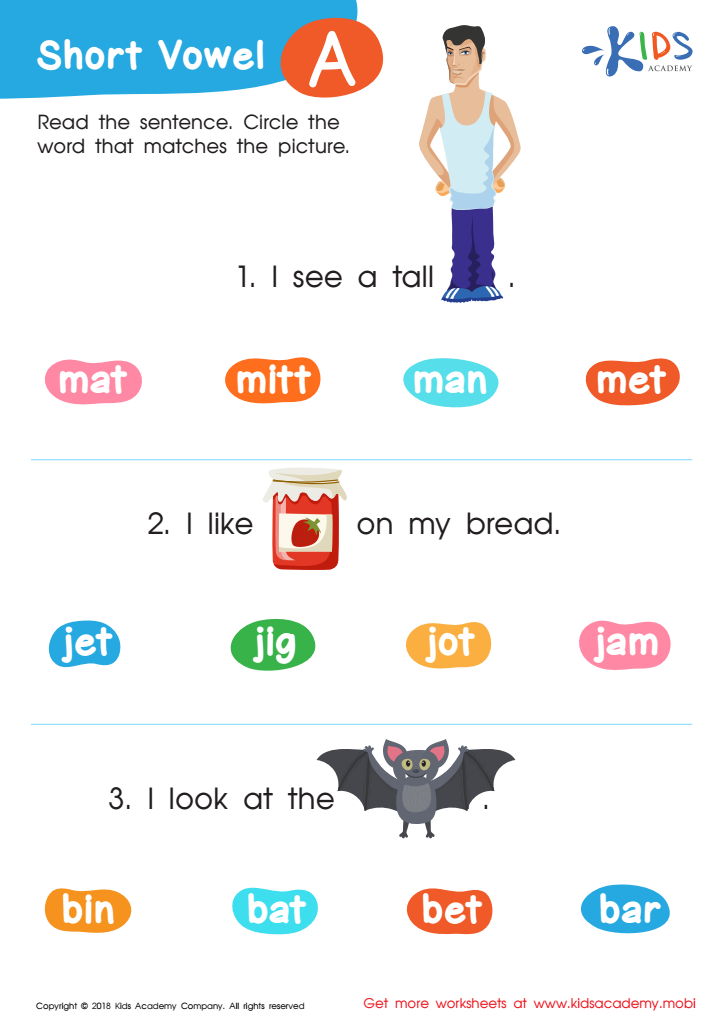
This free PDF helps new readers use sight words and pictures to read basic sentences. Then, they use accompanying word choices to find the correct word with the short a vowel sound. A key early reading skill, discriminating between short vowel sounds can be tricky in monosyllabic words, so use this PDF to help your reader reinforce it.
Short Vowel /a/ Worksheet
Worksheet
Puss in Boots: OO Sound Worksheet

Puss in Boots: OO Sound Worksheet

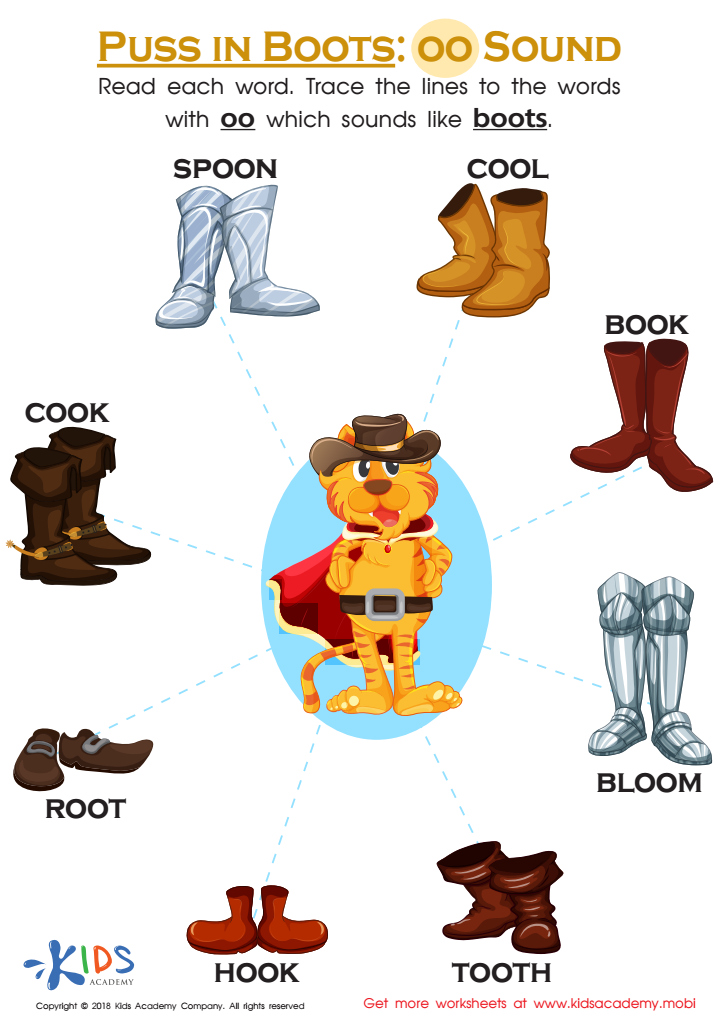
Read out the words in this printout with the correct pronunciation. Have your child repeat each word after you. Then have them read the words and identify the ones with the "oo" sound. Guide their hands as they trace the lines to the right words.
Puss in Boots: OO Sound Worksheet
Worksheet
Reading: Long O Digraphs Worksheet

Reading: Long O Digraphs Worksheet

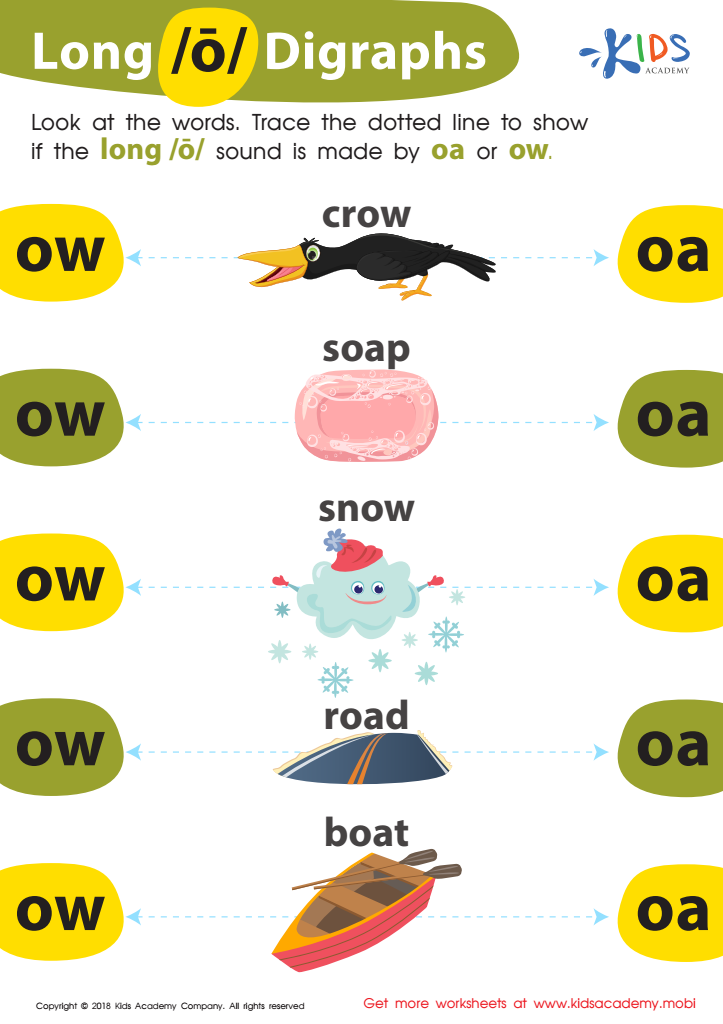
Reading and decoding words can be complex for learners when they start studying digraphs, two letters that make one sound. This worksheet focuses on the long O sound, /oa/ and /ow/. With the understanding of digraphs, students can decode more words and build their reading confidence.
Reading: Long O Digraphs Worksheet
Worksheet
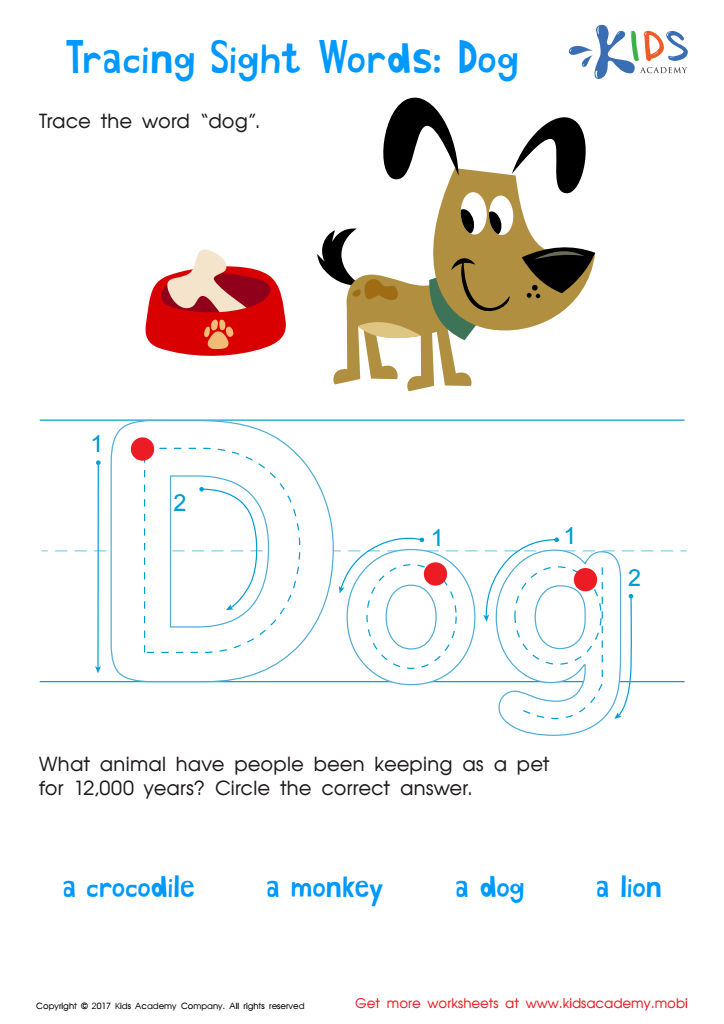
Sight Words Worksheet: Dog

Dog Worksheet Sight Words Worksheet

Get your kids excited to read with our dog-themed sight words worksheet! Excite your child to read with our sight words worksheet: dog edition! Featuring a lovable dog character to put a smile on any kid's face, this worksheet helps kids practice reading and writing the word "dog". Build a library of words they can read quickly and promote increasing literacy skills with early fluency! Get them ready for reading with our dog-themed sight words worksheet!
Dog Worksheet Sight Words Worksheet
Worksheet
Word Matching Game Worksheet

Word Matching Game Worksheet

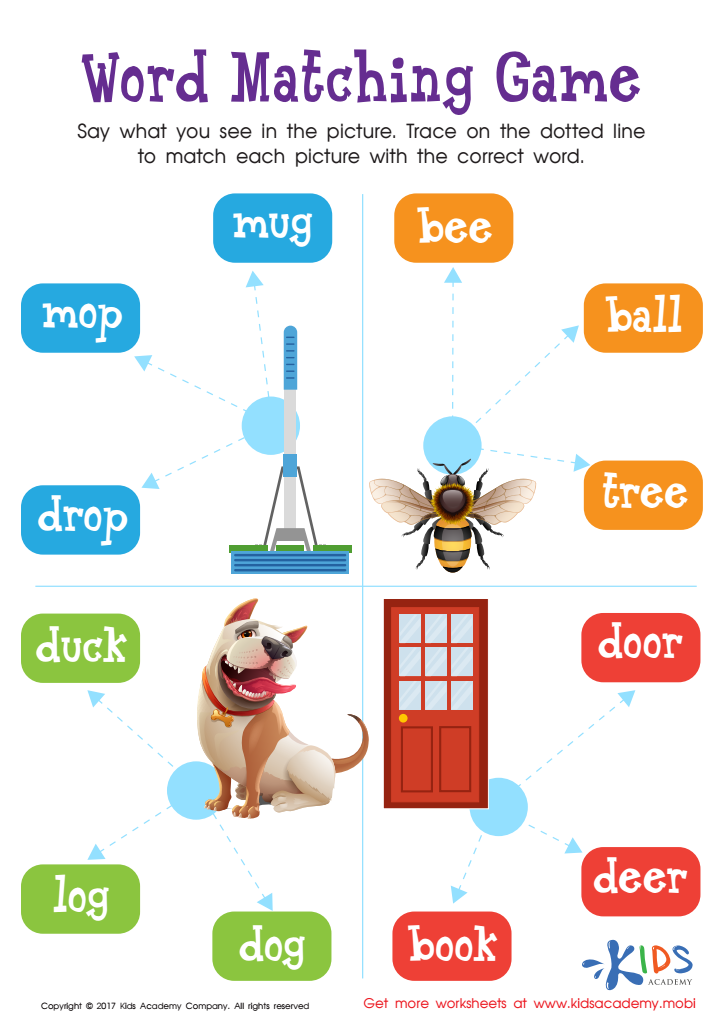
Help your early reader develop prereading skills with this fun matching worksheet! Visual cues help them learn sight words, decode words in word families, and identify phonetic patterns. They'll practice discerning sounds past initial consonants while saying the name of the picture and finding the matching word - and reading at the same time!
Word Matching Game Worksheet
Worksheet
Letter H and I Sounds Worksheet

Letter H and I Sounds Worksheet

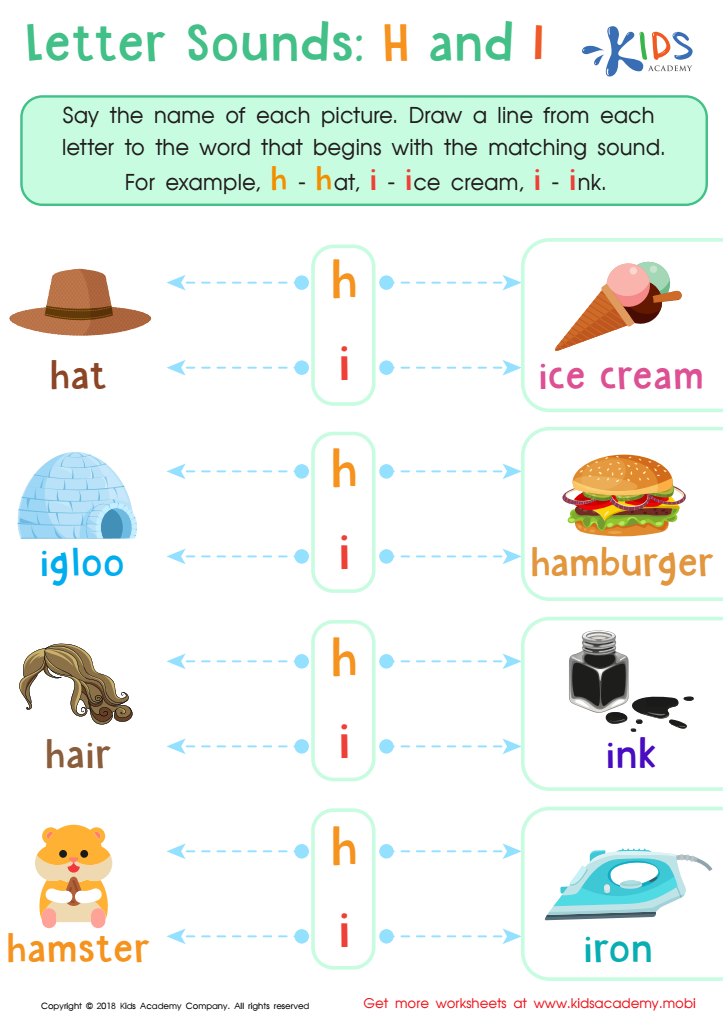
Preschoolers will have fun and develop reading and writing skills at the same time! They'll use pictures to recognize familiar words and differentiate between 'H' and 'I' sounds. Then they'll trace lines to connect each sound to the picture, improving their fine-motor skills. Bright and cheerful visuals make learning a breeze!
Letter H and I Sounds Worksheet
Worksheet
Where Is the Digraph? Worksheet

Where Is the Digraph? Worksheet

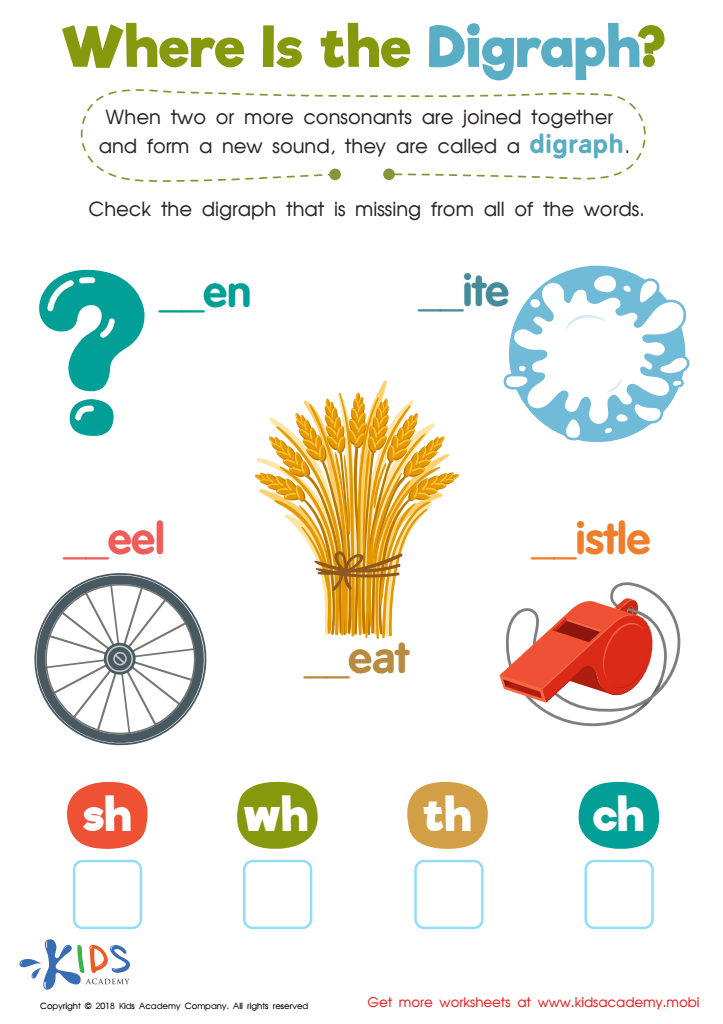
Teach your child about digraphs - two or more consonants that form one sound, like /wh/, /sh/, and /ch/. Show them words with these sounds and use this worksheet to help. Ask them which digraph is missing from the words and point out the pictures. 80 words.
Where Is the Digraph? Worksheet
Worksheet
Enough Is Enough (ough) Worksheet

Enough Is Enough (ough) Worksheet

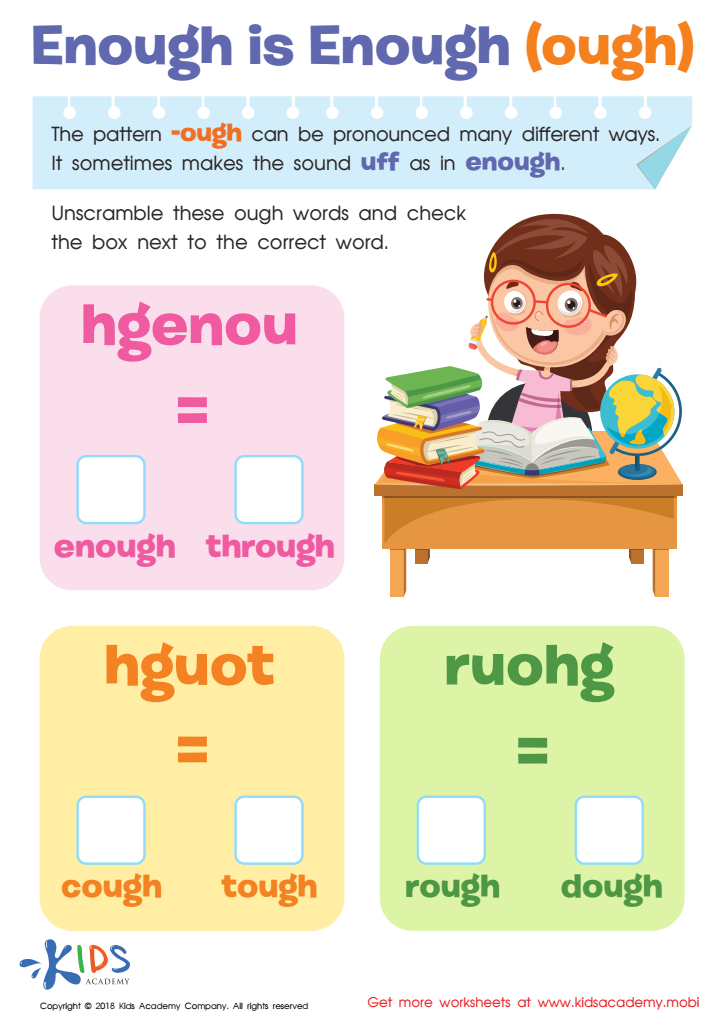
As your students learn more about reading and pronouncing words, they can explore how some word patterns can be said differently. The 'ough' pattern, for instance, can be pronounced several ways. 'Enough' has the 'uff' sound. Provide your students with examples of words pronounced similarly and help them unscramble 'ough' words on this worksheet, ticking the box for the correct word.
Enough Is Enough (ough) Worksheet
Worksheet
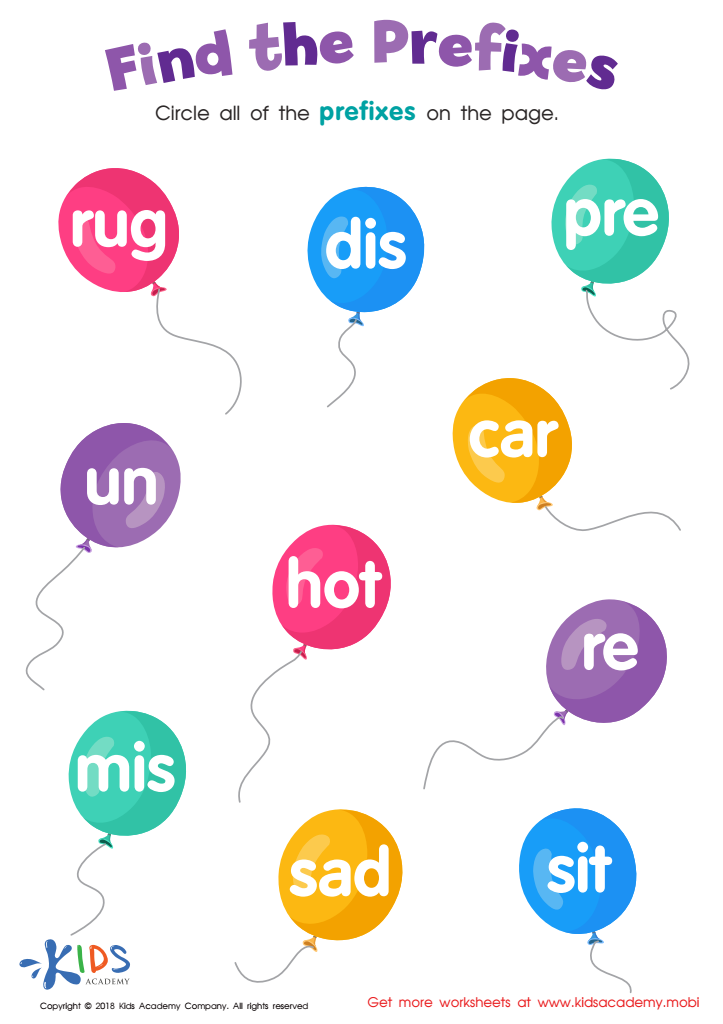
Reading: Find the Prefixes Worksheet

Reading: Find the Prefixes Worksheet

Students are asked to circle all prefixes on this worksheet and brainstorm a list of words that have them. It's a great tool for teaching vocabulary and helps students understand new and unfamiliar words by recognizing how prefixes change meaning.
Reading: Find the Prefixes Worksheet
Worksheet
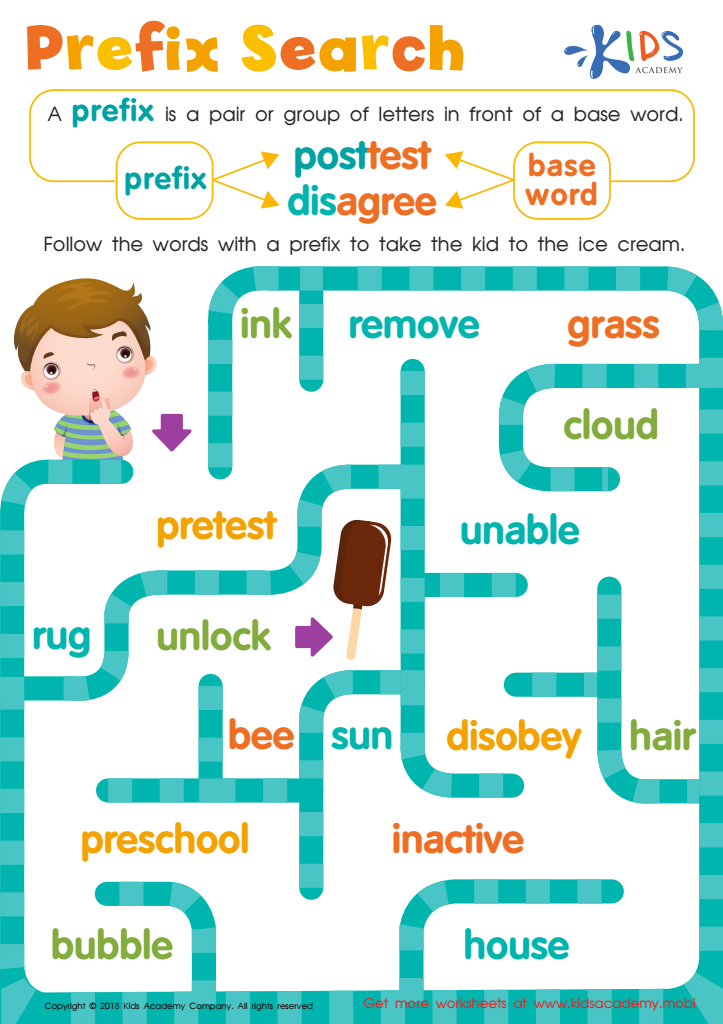
Reading: Prefix Search Worksheet

Reading: Prefix Search Worksheet

Maze your way through prefixes! This worksheet helps students practice reading new words with a prefix and figuring out the base word. An understanding of prefixes gives students the skills to comprehend new words. A fun and useful activity for the reading classroom!
Reading: Prefix Search Worksheet
Worksheet
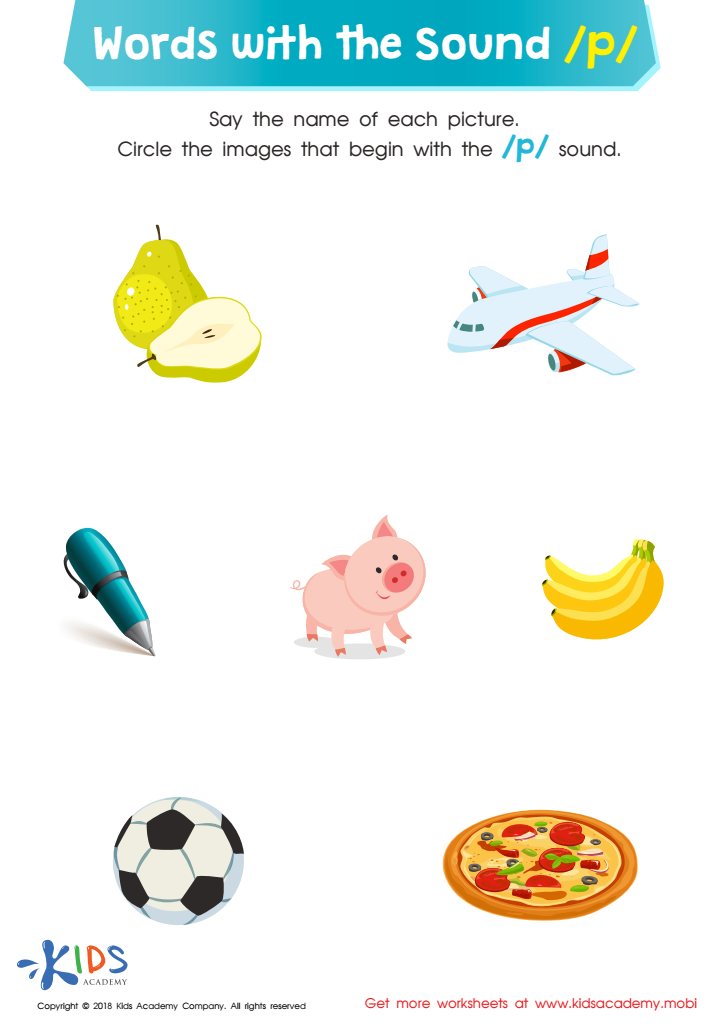
Words with sound p Reading Worksheet


Words with sound p Reading Worksheet

Working on this fun worksheet? Name each picture aloud and listen carefully before circling those that start with the letter «p»! Pizza, pig, plane, or banana - practice phonics to help your child recognize the letter «p» sound for successful early reading and decoding!
Words with sound p Reading Worksheet

Worksheet


Parents and teachers should invest in vocabulary building and normal phonics for children aged 5-9 because these foundational skills are critical for their academic and personal development. At this age, children's brains are highly receptive to language acquisition, making it an optimal time to expand their vocabulary and understand phonics, the relationship between sounds and letters.

Vocabulary building enhances communication skills, allowing children to express themselves clearly and understand others effectively. A richer vocabulary leads to better reading comprehension, which is vital for success in all academic areas. When children can easily recognize and understand a variety of words, they're more likely to enjoy reading, leading to a lifelong love of books and continuous learning.

Phonics instruction is equally important, as it provides the tools children need to decode new words, facilitating smoother reading experiences. Understanding phonics helps children develop reading fluency and accuracy. Without a strong grasp of phonics, children may struggle with reading, which can hinder their overall academic progress and confidence.

Combining vocabulary enrichment with phonics instruction creates a robust literacy foundation, empowering children to thrive academically and socially. By investing in these skills during these formative years, parents and teachers set children up for a lifetime of success and a deeper understanding of the world around them.