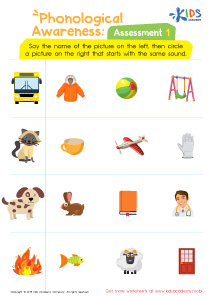
Reading skills improvement Normal Vowels Worksheets for Ages 5-9
4 filtered results
Difficulty Level
Grade
Age
-
From - To
Subject
Activity
Standards
Enhance your child's reading skills with our "Normal Vowels Worksheets" designed for ages 5-9! These engaging, printable worksheets focus on normal vowel sounds, helping young learners master foundational reading concepts. Through a variety of fun exercises, kids will reinforce their understanding of vowel value, learn sight words, and practice decoding techniques. Each worksheet is thoughtfully crafted to cater to different learning styles, ensuring that every child can progress at their own pace. Perfect for home or classroom use, these worksheets offer a dynamic way to improve reading fluency and comprehension. Start your child's reading journey today and watch them thrive!
Favorites
With answer key
Interactive
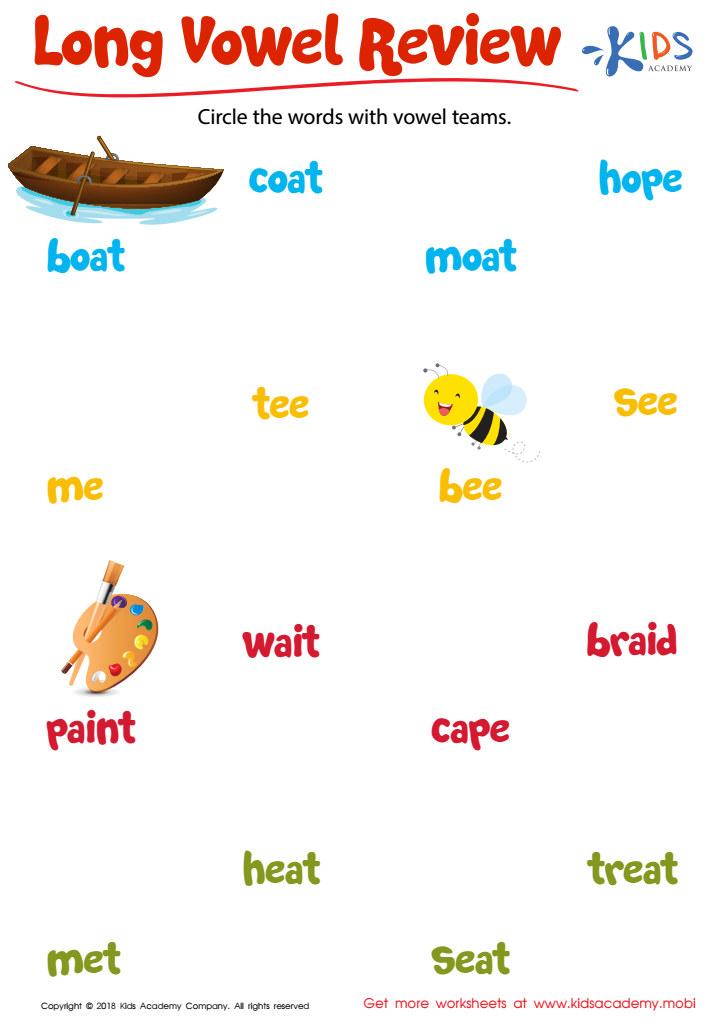
Long Vowel Review Worksheet
Vowel teams like "ea" and "ai" help us make words, and understanding these patterns aids emerging readers in becoming more fluent. This review worksheet has students finding words with vowel teams that make the long vowel sound, and helps them recognize high-frequency words.
 Assign to My Students
Long Vowel Review Worksheet
Worksheet
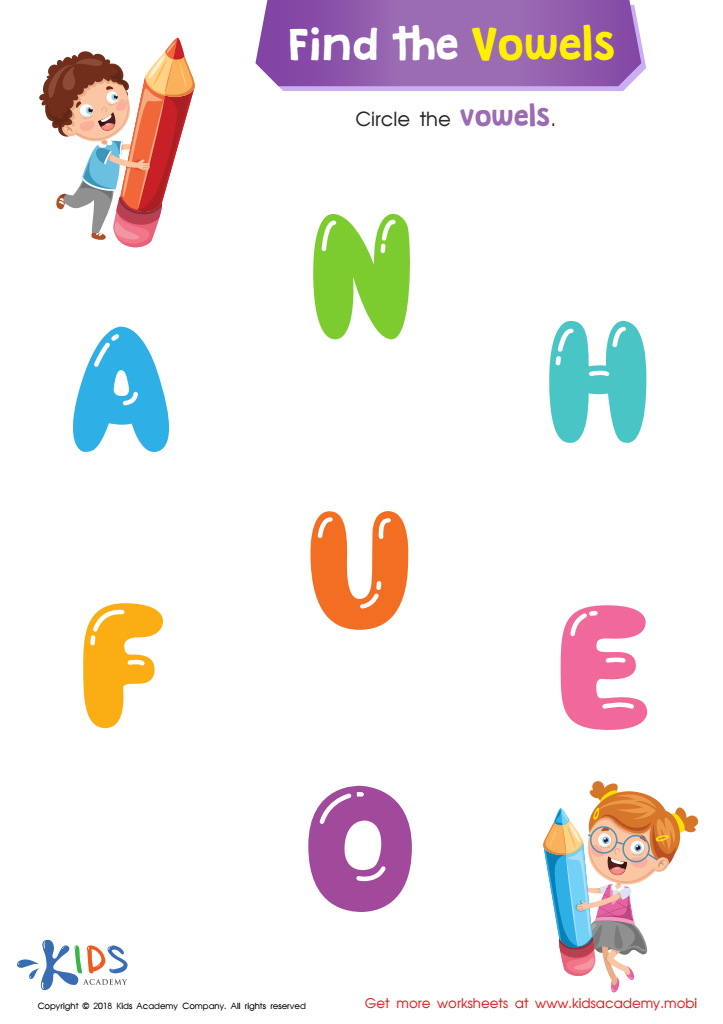
Find the Vowels Reading Worksheet
This worksheet helps kids identify vowels with bright colors and engaging activities to strengthen their visual discrimination and fine motor skills. Young learners will find it easy to succeed and be excited to keep reading!
Find the Vowels Reading Worksheet
Worksheet
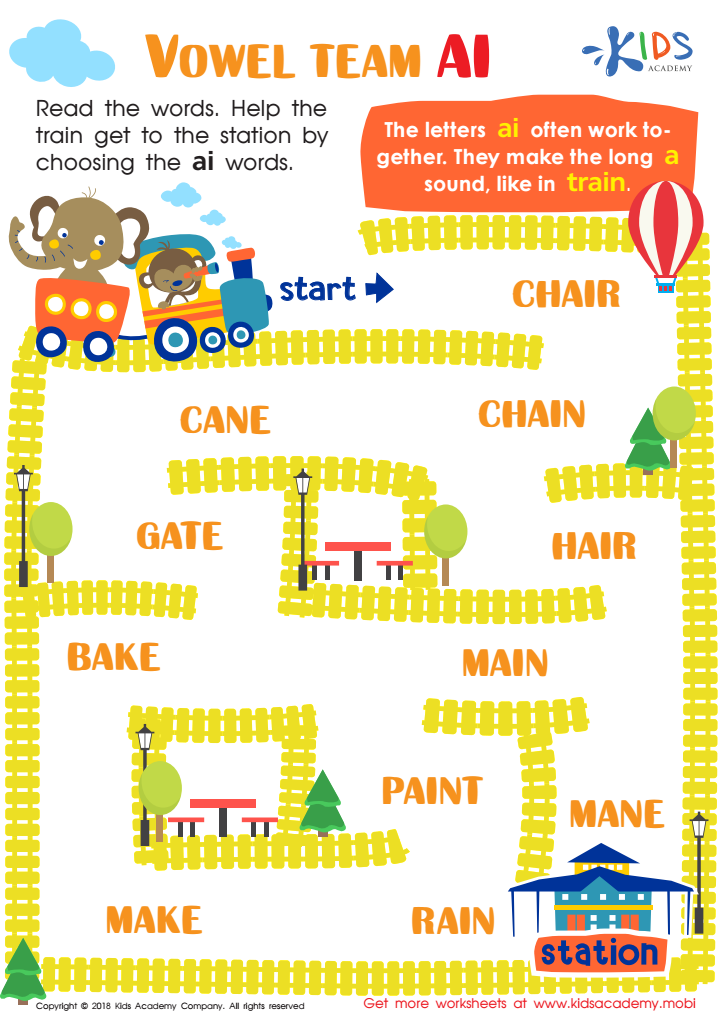
Vowel team ai Worksheet
Kids will have a blast learning about the -ai digraph with this fun worksheet. They'll read words with it and practice their motor skills as they help the animal duo get back to the train station. With success, they'll smile and enjoy the activity!
Vowel team ai Worksheet
Worksheet
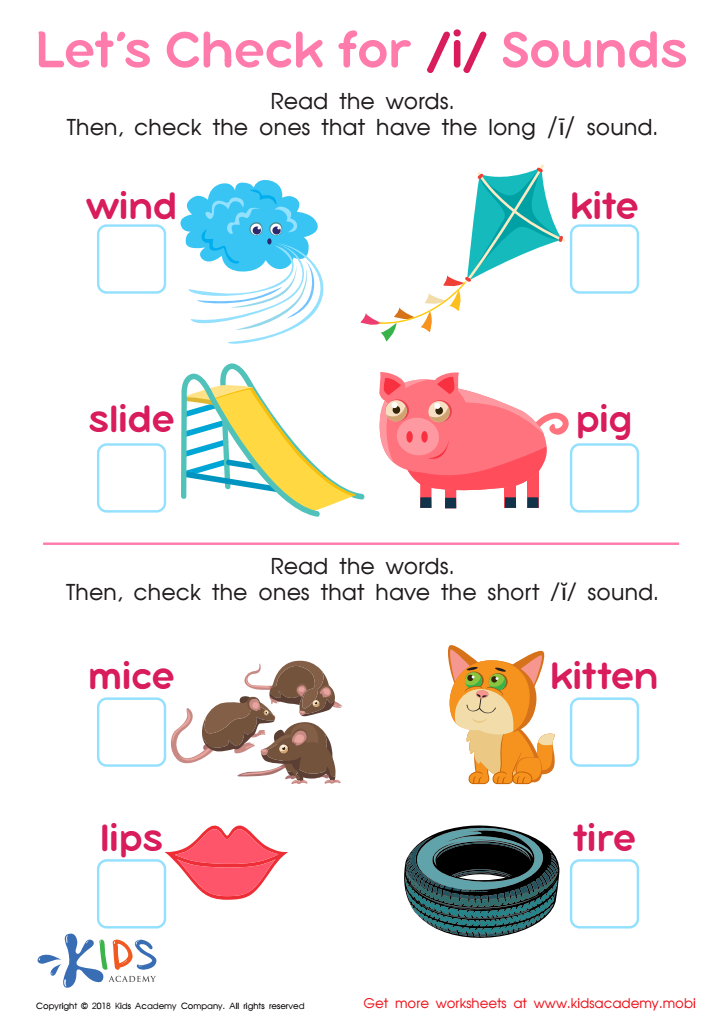
Let's Check for «i» Sounds Worksheet
This fun worksheet with pictures boosts phonics skills - differentiating between long «ī» and short «i» sounds in 1- and 2-syllable words. Kids use picture clues to read words, then check off the correct ones. It's a great way for new readers to practice early reading skills and find success on their own.
Let's Check for «i» Sounds Worksheet
Worksheet
Join Kids Academy for Free
Who is primarily going to use this learning content?





Parents and teachers should prioritize the improvement of reading skills, specifically focusing on normal vowels, for children aged 5 to 9 for several compelling reasons. First, mastering vowel sounds is foundational to reading fluency. Young children learn that vowels—like A, E, I, O, and U—are critical in forming words, enabling them to decode and understand text. This understanding enhances their confidence and encourages a love for reading.
Moreover, strong reading skills are crucial for overall academic success. Children who struggle with reading in early grades often face challenges in other subjects later on, like math and science, where reading comprehension plays a significant role.
Additionally, expressing meaning through text is rooted in language development. As children learn to recognize and pronounce vowel sounds correctly, they can better articulate their thoughts and emotions, improving their communication skills.
A commitment to developing reading skills impacts more than just academic performance; it fosters creativity, imagination, and critical thinking. By nurturing these skills, parents and teachers equip children with tools they will use throughout their lives, enhancing their ability to engage with the world around them. Therefore, focusing on improving reading skills in early years emphasizes a long-term developmental benefit.