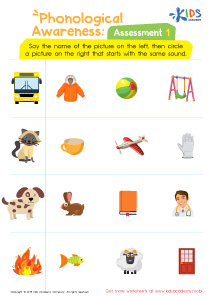
Sound differentiation Normal Vowels Worksheets for Ages 5-9
3 filtered results
-
From - To
Explore our “Sound Differentiation Normal Vowels Worksheets” designed for children ages 5-9. These engaging worksheets focus on helping young learners distinguish between the normal vowel sounds, enhancing their phonemic awareness and reading skills. The activities are crafted to promote interactive learning, allowing children to identify and practice vowel sounds through a variety of fun exercises. Perfect for classrooms or home use, these worksheets support early literacy development while keeping children entertained. Download our printable resources now and elevate your child's learning experience as they become confident in recognizing and using normal vowels in everyday language!
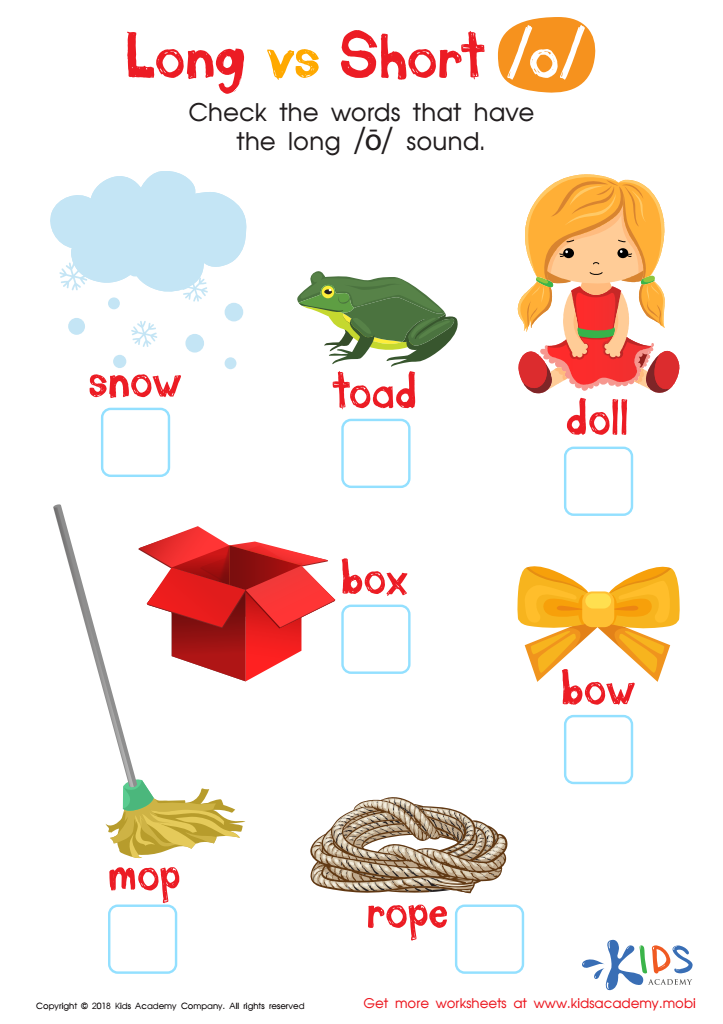
Long vs Short O Reading Worksheet
 Assign to My Students
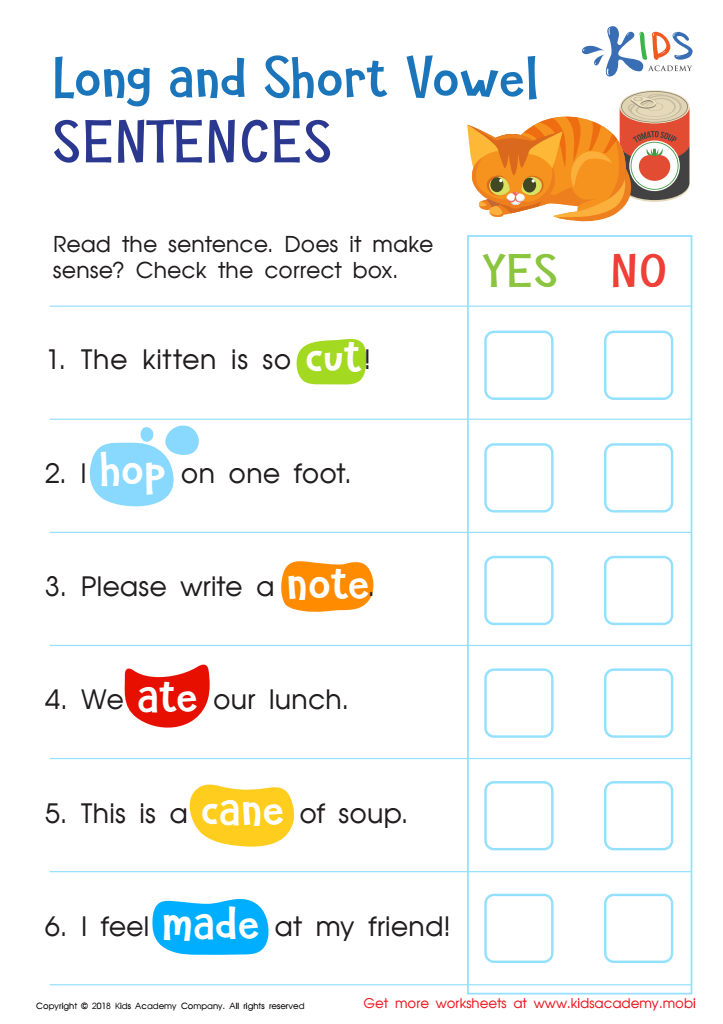
Long and Short Vowel Sentences: Assessment Worksheet
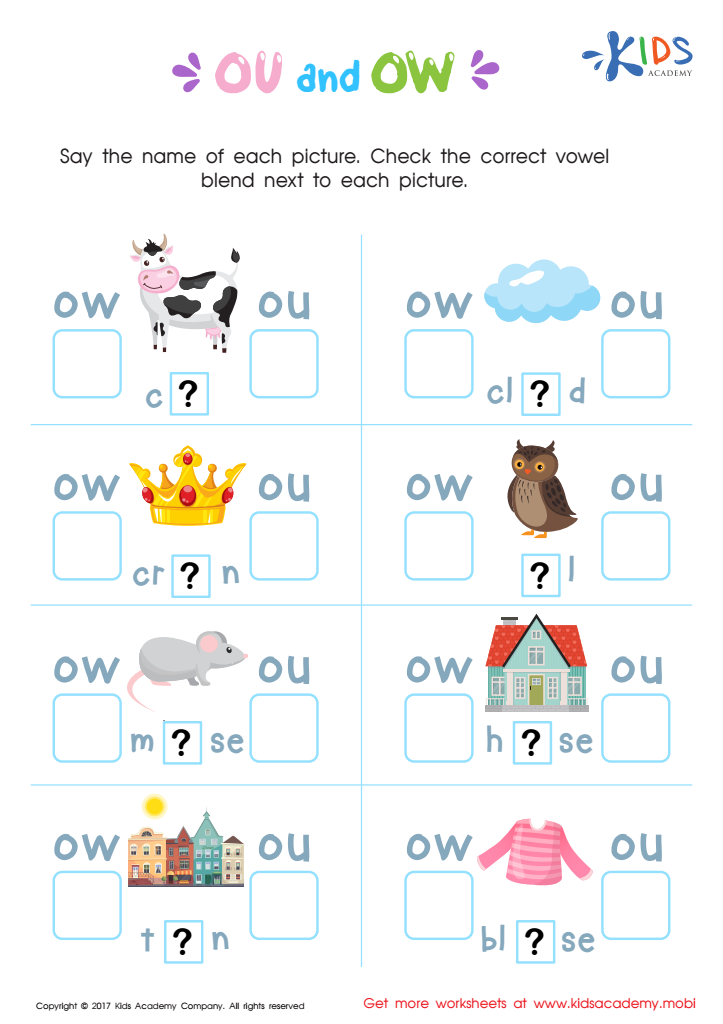
OU and OW Words Worksheet





Sound differentiation of normal vowels is crucial for children ages 5-9 as it lays the foundation for their reading and speaking skills. At this age, children are developing their phonemic awareness, which is essential for decoding words and improving their literacy. Being able to differentiate between vowel sounds allows students to blend and segment sounds effectively, facilitating the reading process. When children struggle with vowel sounds, they may mispronounce words or confuse similar-sounding ones, leading to frustration and reduced confidence.
For teachers and parents, it's vital to provide structured activities that enhance vowel sound differentiation. Engaging in fun games, songs, and rhymes can make learning these sounds enjoyable and impactful. Recognizing that children learn at different paces, teachers and parents should also support struggling learners by identifying their needs and providing appropriate interventions.
Furthermore, strong vowel sound differentiation contributes to better writing skills and overall communication. As children articulate sounds clearly, they express themselves with greater confidence and clarity. Ultimately, fostering this skill encourages a love for reading and strengthens academic performance—roughly preparing children for their educational journey ahead. By prioritizing sound differentiation, adults can support children's linguistic development and set them on the path to success.