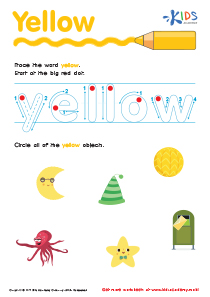
Letter recognition Normal English for Beginners Worksheets for Ages 5-9
19 filtered results
-
From - To
Introducing our "Letter Recognition Normal English for Beginners Worksheets for Ages 5-9," expertly designed to lay a strong foundation in language learning. Perfect for young learners, these worksheets make letter recognition fun through engaging activities such as tracing, matching, and writing exercises. Developed by educational professionals, our resources ensure that children not only identify letters but also understand their sounds, paving the way for effective reading and writing skills. Each worksheet is filled with colorful illustrations and child-friendly tasks, fostering a joyous and interactive learning experience. Ideal for parents and teachers aiming to elevate early literacy. Explore today!
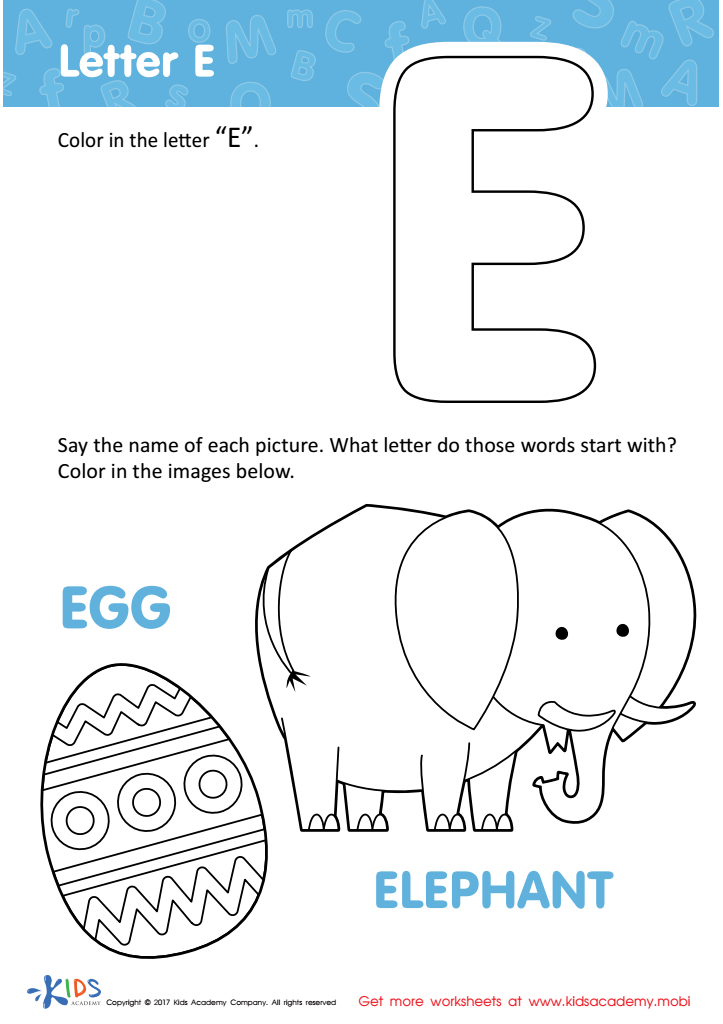
Letter E Coloring Sheet
 Assign to My Students
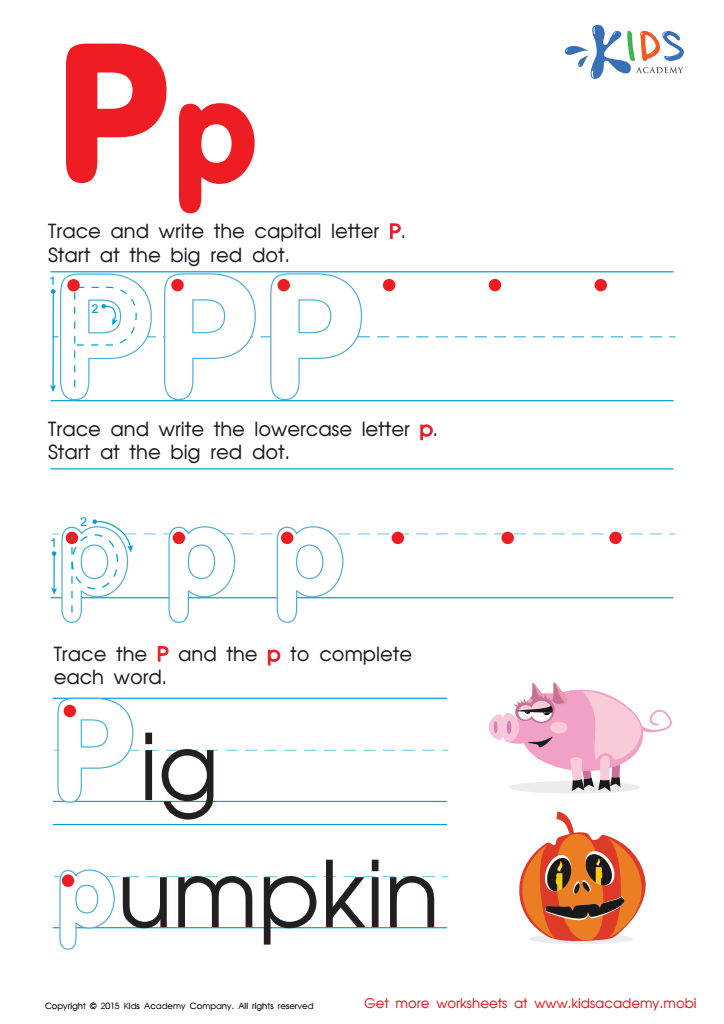
Letter P Tracing Page
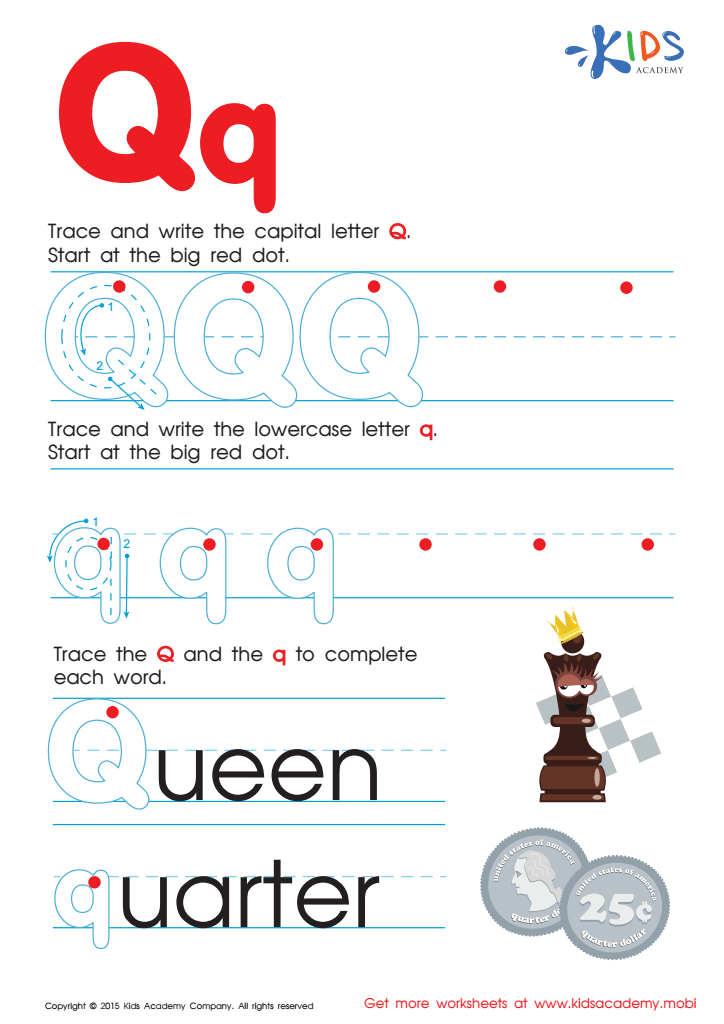
Letter Q Tracing Page
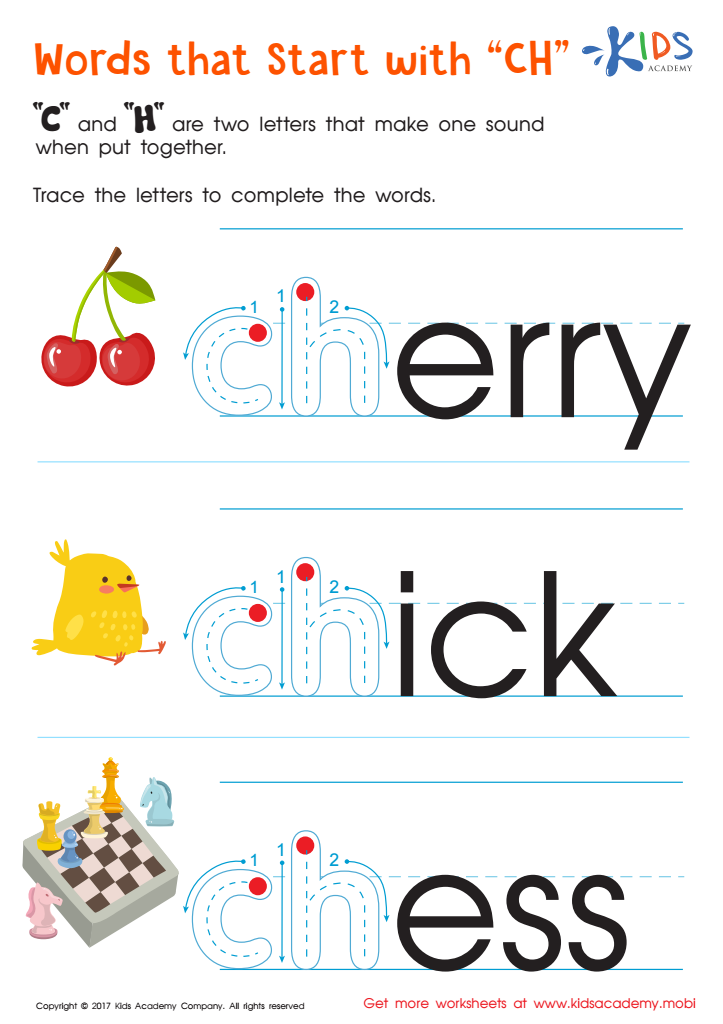
Words That Start with "ch" Spelling Worksheet
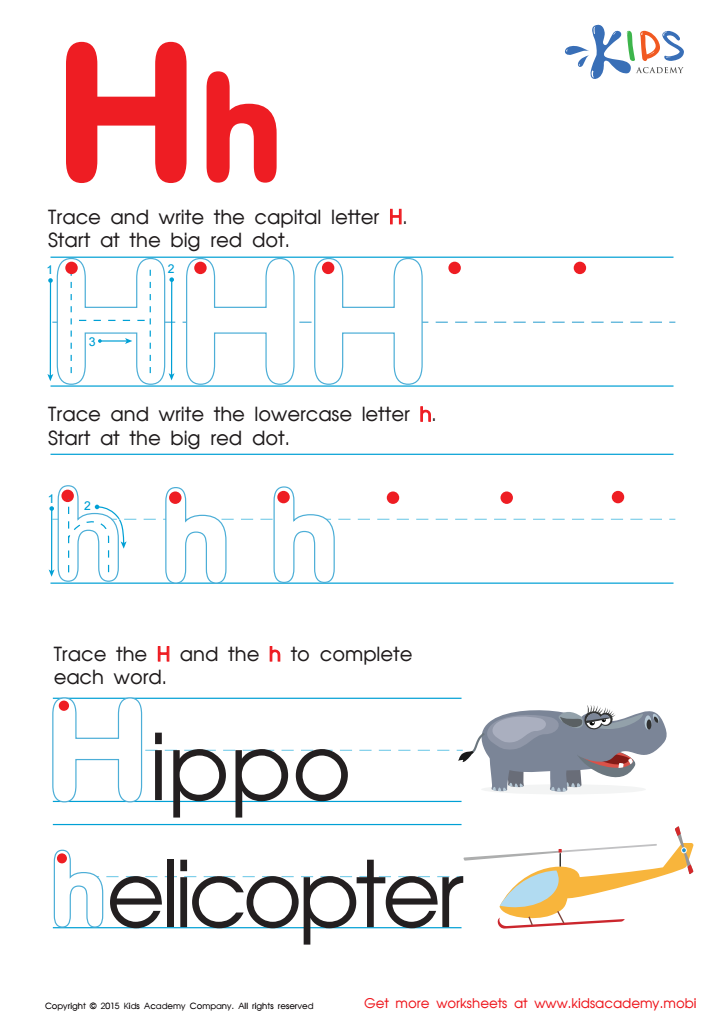
Letter H Tracing Page
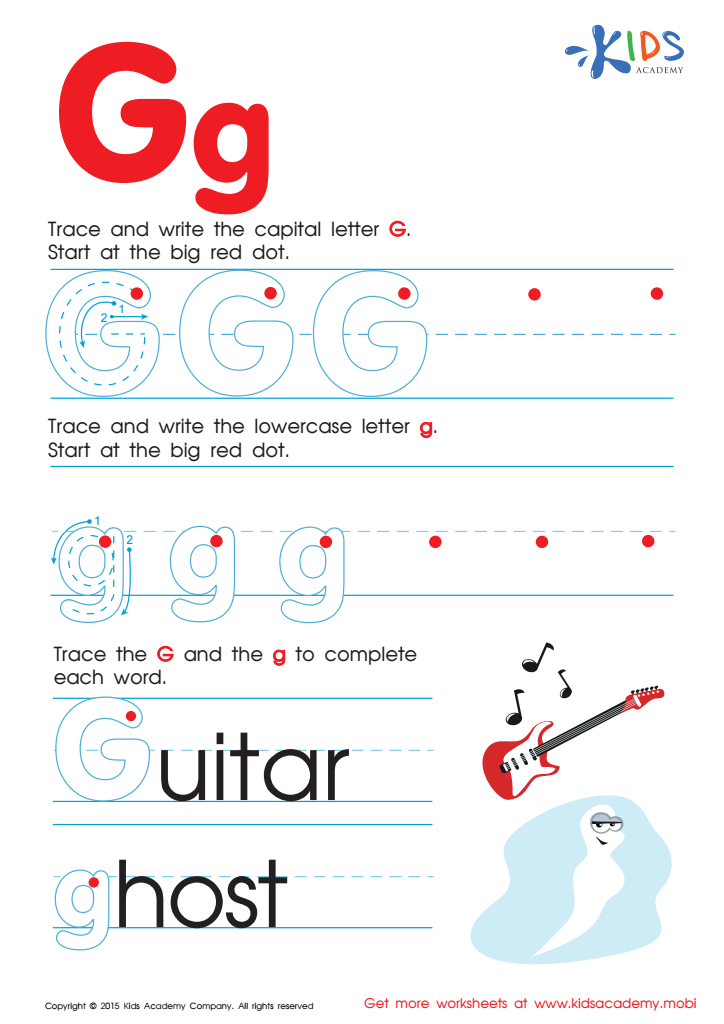
Letter G Tracing Page
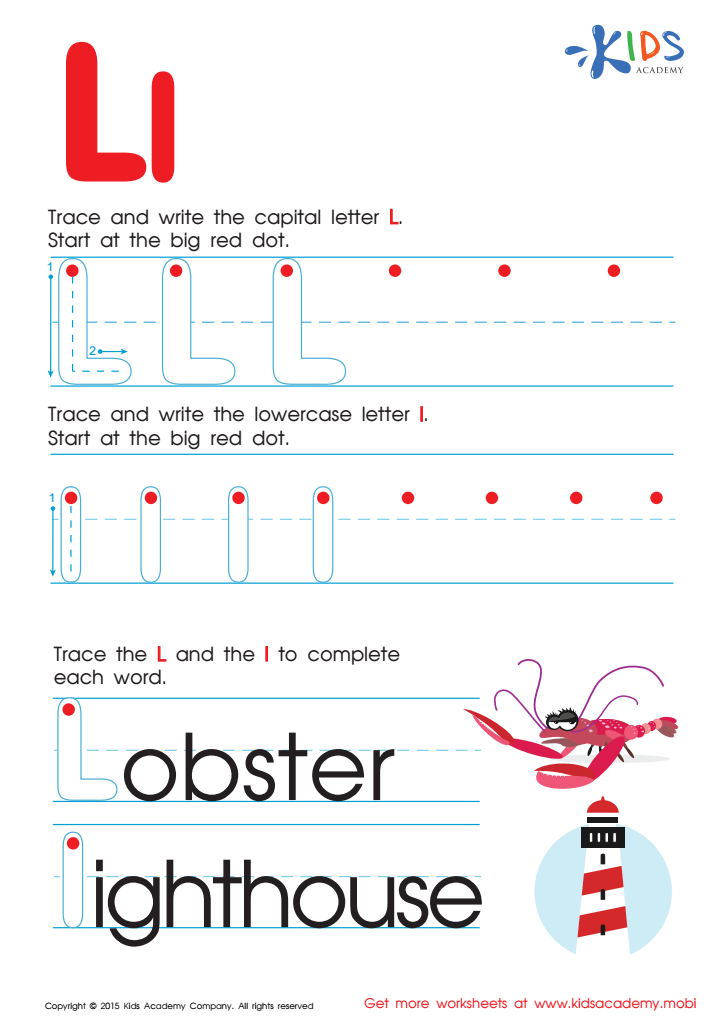
Letter L Tracing Page
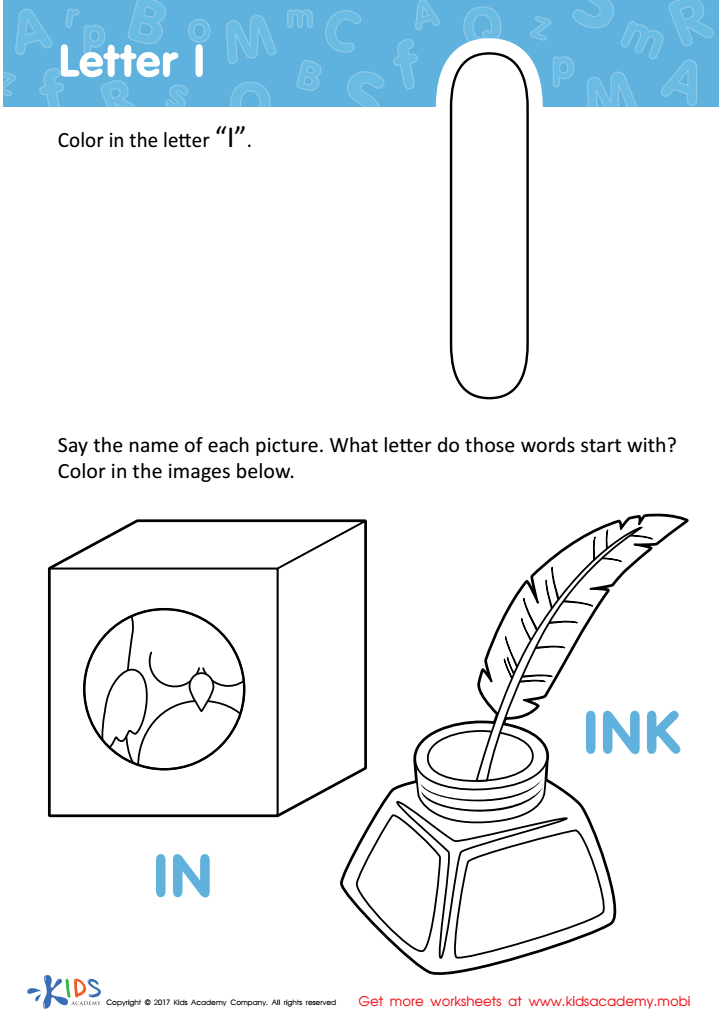
Letter I Coloring Sheet
Assign to My Students
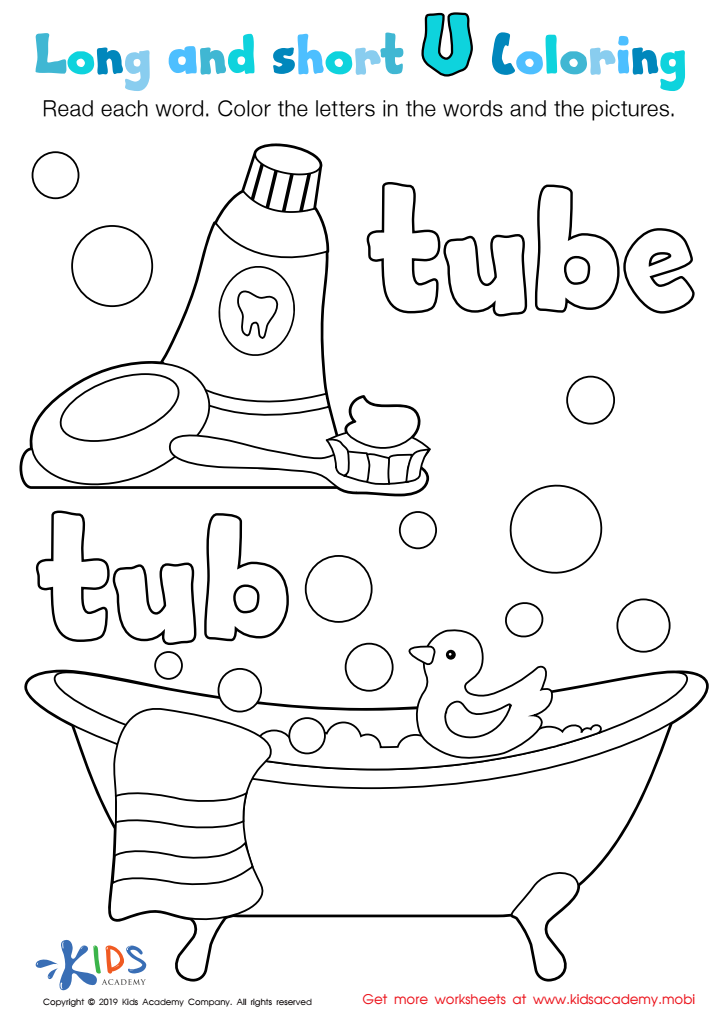
Long and Short U Worksheet
Assign to My Students
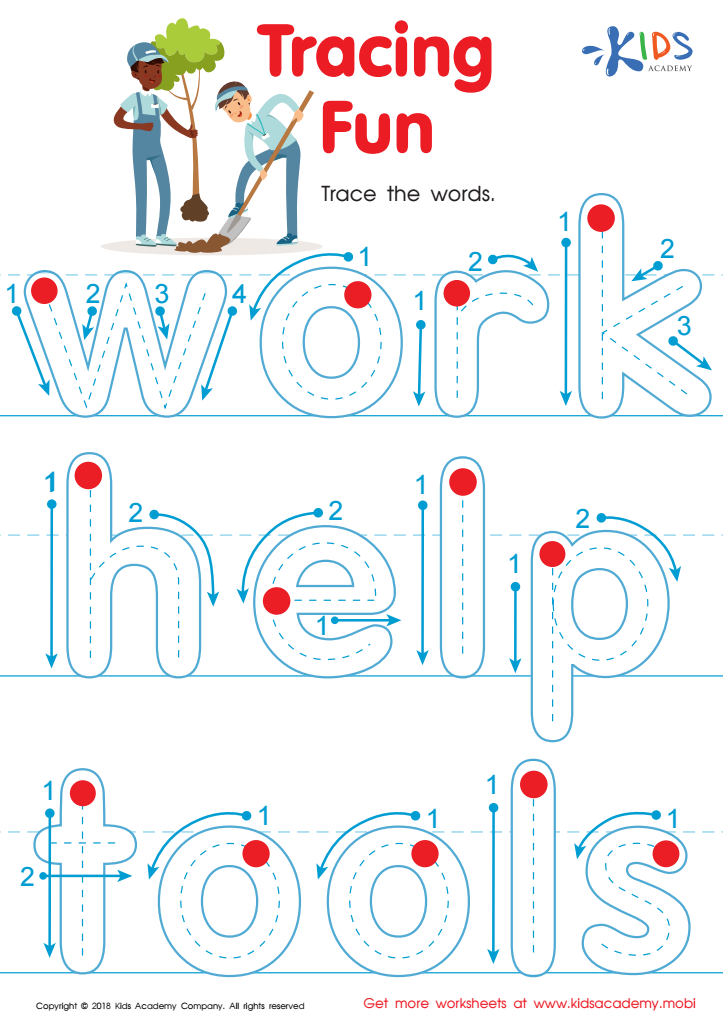
Tracing Fun Worksheet
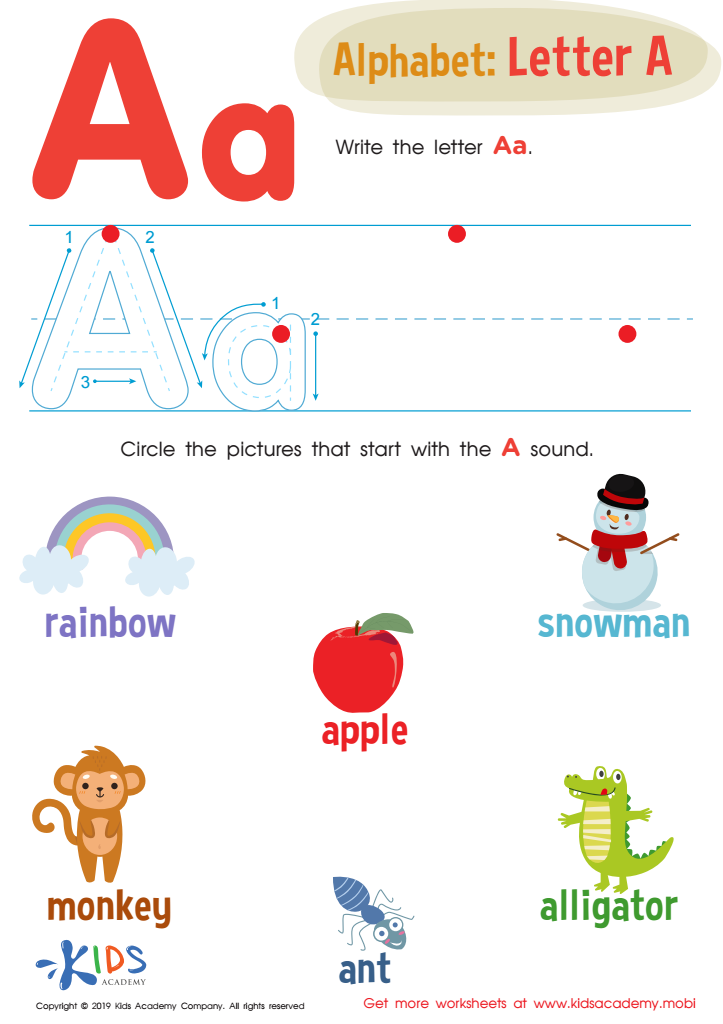
Letter A Tracing Worksheet
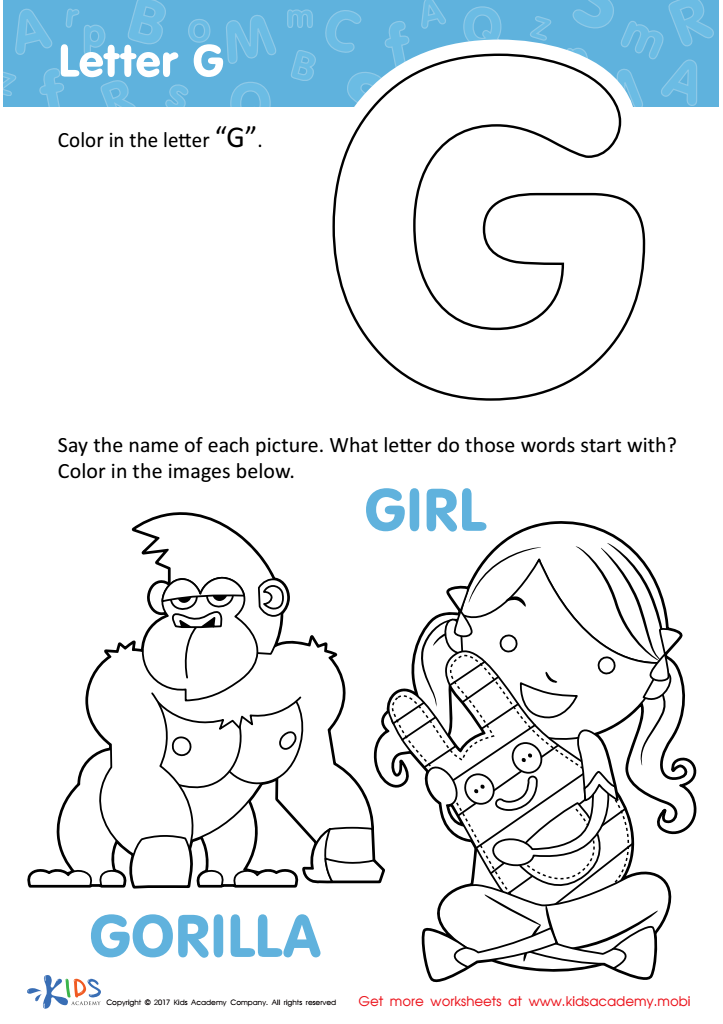
Letter G Coloring Sheet
Assign to My Students
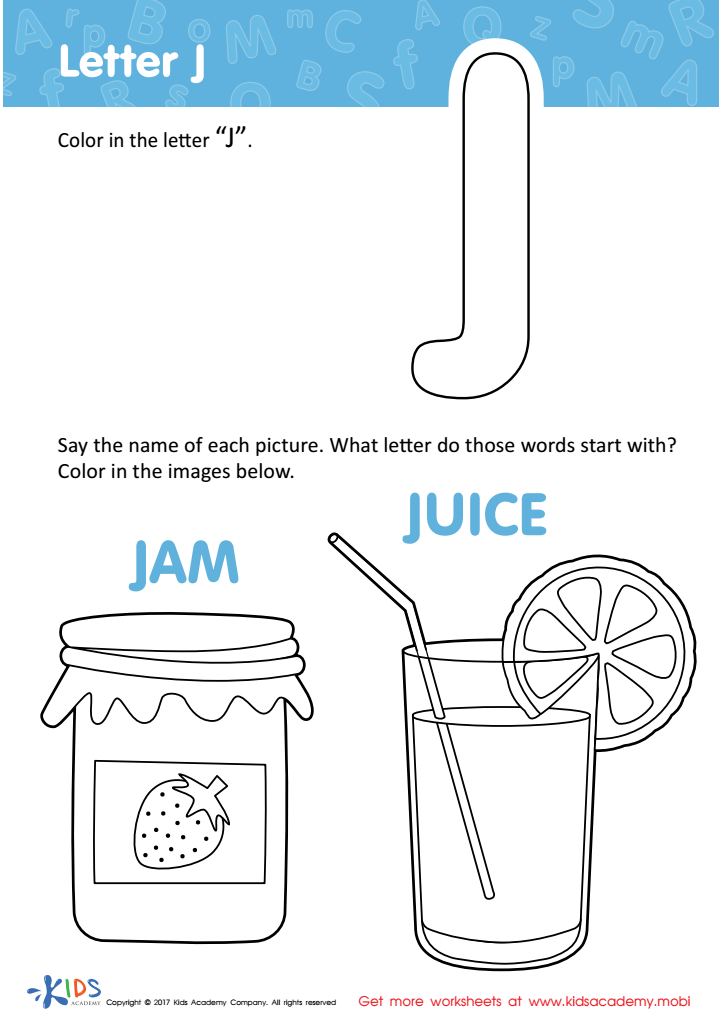
Letter J Coloring Sheet
Assign to My Students
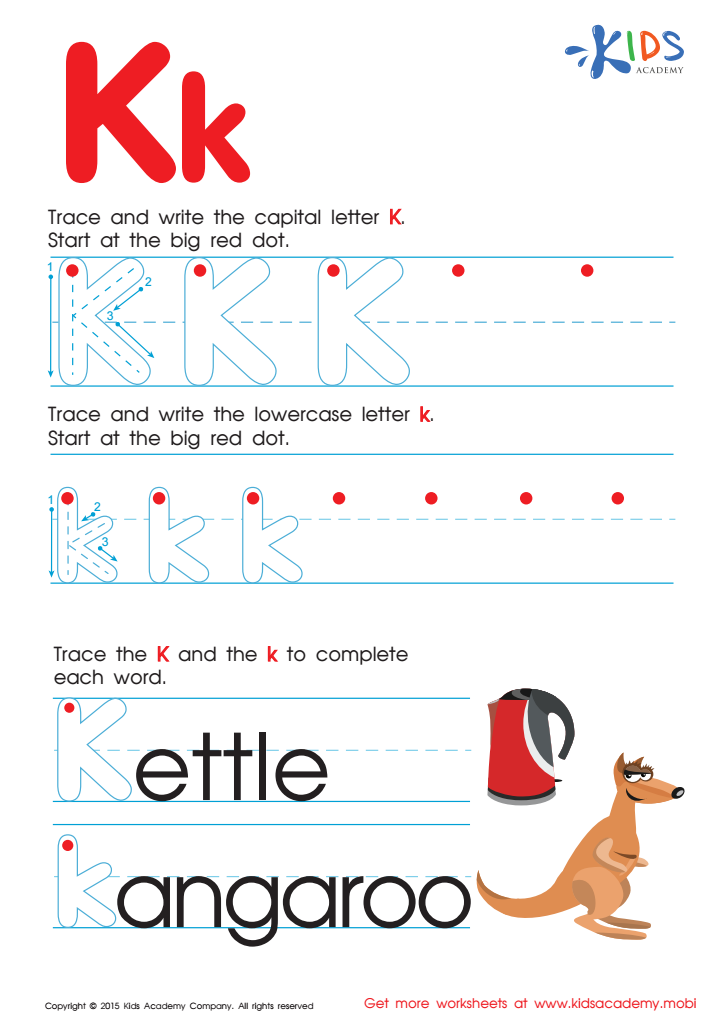
Letter K Tracing Page
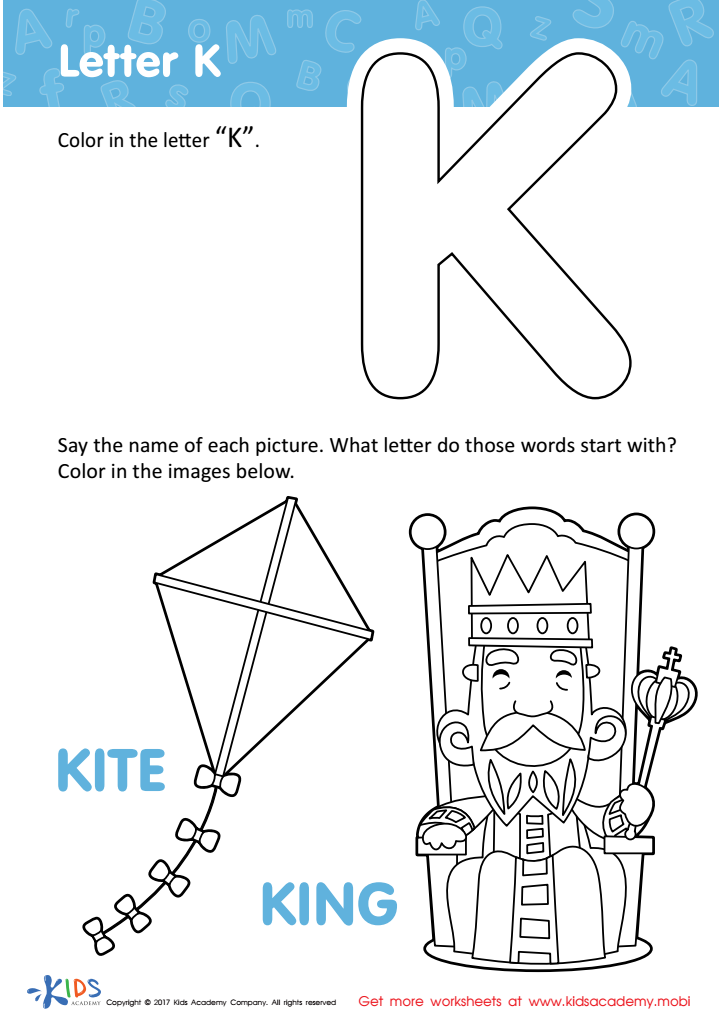
Letter K Coloring Sheet
Assign to My Students

Letter F Tracing Page
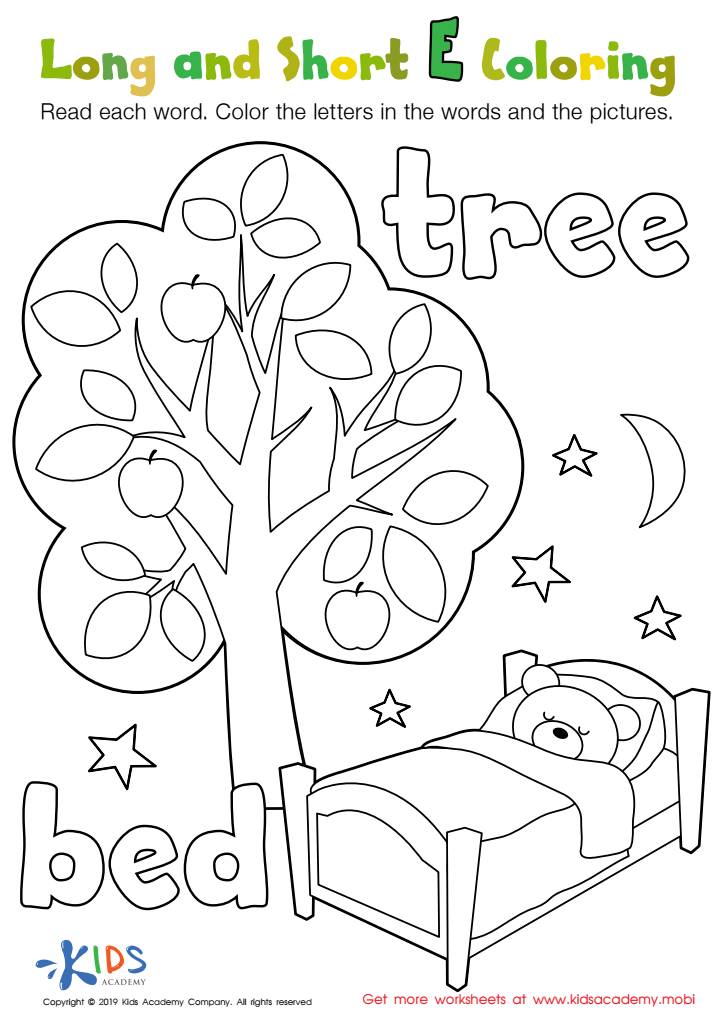
Long and Short E Worksheet
Assign to My Students

Letter N Coloring Sheet
Assign to My Students

Letter D Tracing Page





Letter recognition is the foundational stepping stone in a child’s journey to literacy, making it essential for parents and teachers to focus on it for children aged 5 to 9. At this critical developmental stage, children are building the skills that will support all future learning. Recognizing letters is the first step toward reading and writing, which are crucial for academic success in all subjects.
When children can identify letters effortlessly, they can then progress to understanding how letters form words and how these words link to meaning. This early literacy skill aids in vocabulary development, comprehension, and conversational abilities. By enhancing letter recognition, parents and teachers set the stage for fluency in reading—a necessary skill not just for language arts, but for understanding instructions, solving math problems, and engaging in science experiments.
Moreover, mastering letter recognition boosts a child’s confidence, making them more willing to participate in classroom activities and approach new learning challenges with enthusiasm. This bolstered self-esteem and positive attitude toward learning can lead to improved overall academic performance.
In short, fostering letter recognition at the right age opens the door to effective communication, critical thinking, and lifelong learning. Thus, both parents and teachers play a vital role in nurturing this fundamental skill.