Basic Mathematics Normal Worksheets for Ages 5-9
5 filtered results
-
From - To
Explore our engaging collection of Basic Mathematics Normal Worksheets tailored for children aged 5 to 9. These worksheets are designed to make learning essential math skills fun and accessible. Covering foundational concepts such as addition, subtraction, number recognition, and simple geometry, our printable resources help young learners build confidence and fluency in math. Each worksheet is visually appealing and age-appropriate, encouraging students to improve their math skills through enjoyable activities. Perfect for use at home or in the classroom, our materials provide a great way for kids to practice and master essential math concepts in a stress-free environment!
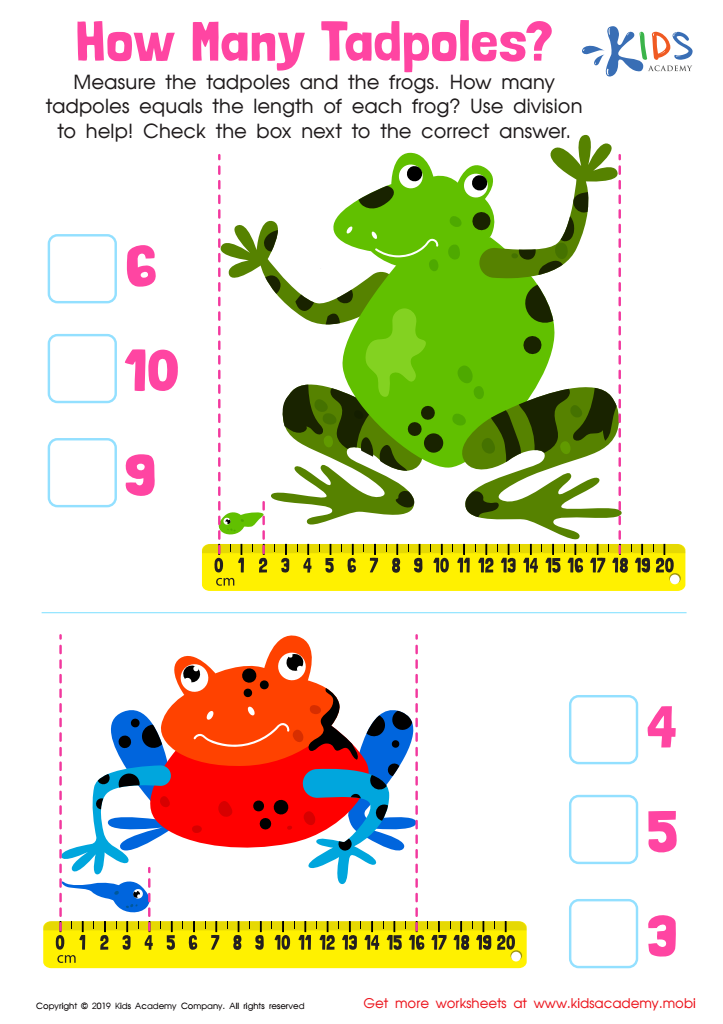
How Many Tadpoles Worksheet
 Assign to My Students
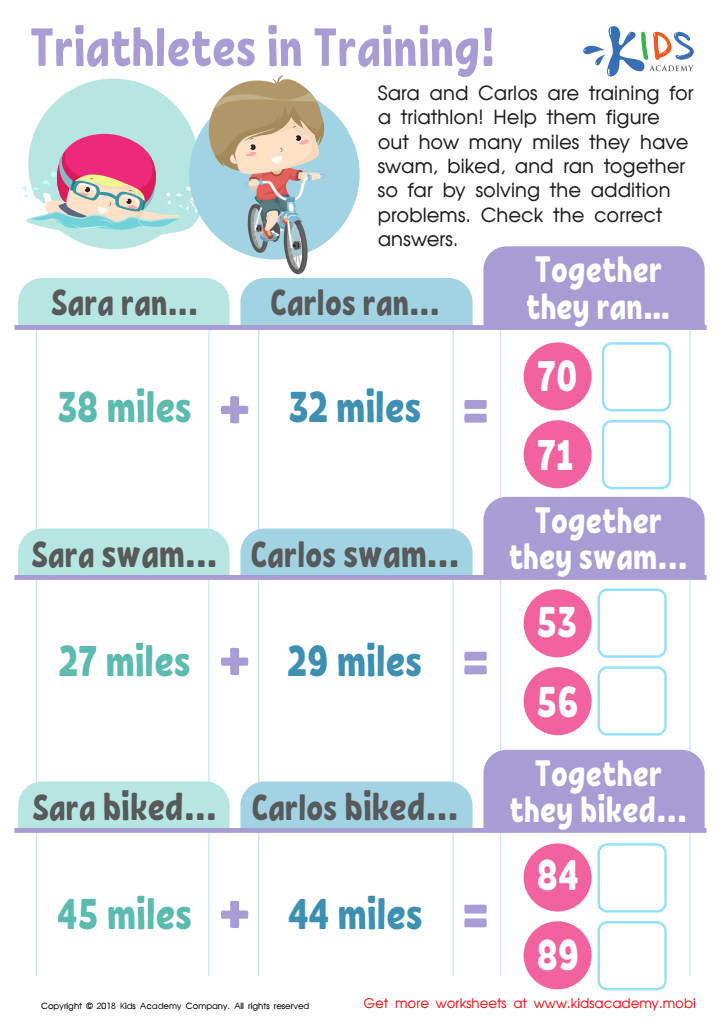
Triathletes in Training Worksheet
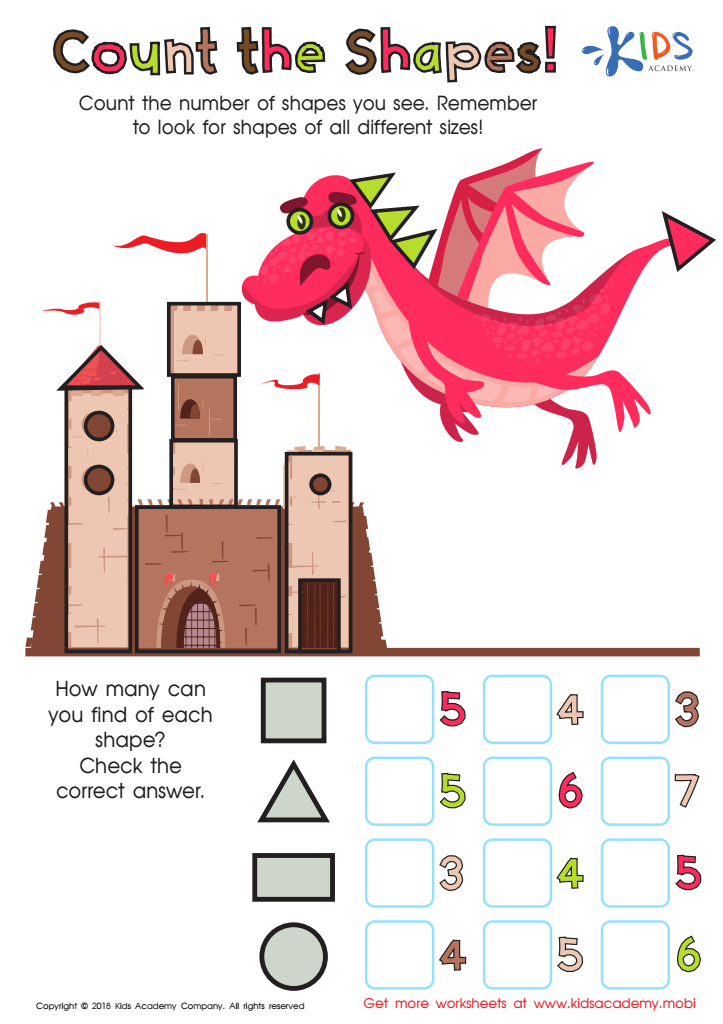
Count the Shapes Worksheet
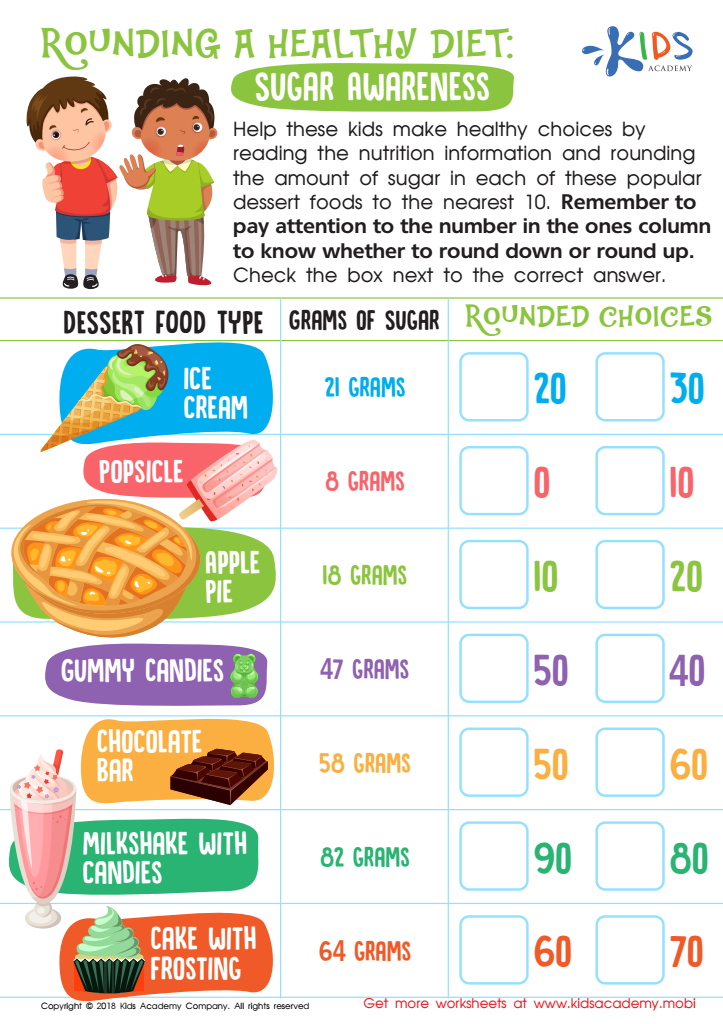
Rounding Healthy Diet Worksheet
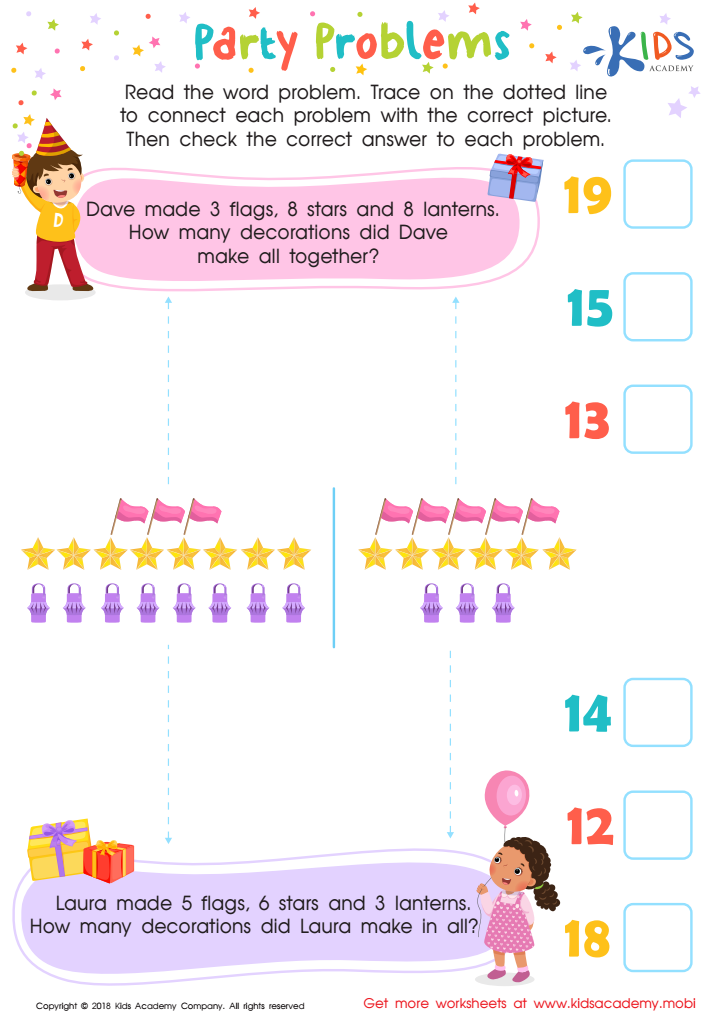
Party Problems Worksheet





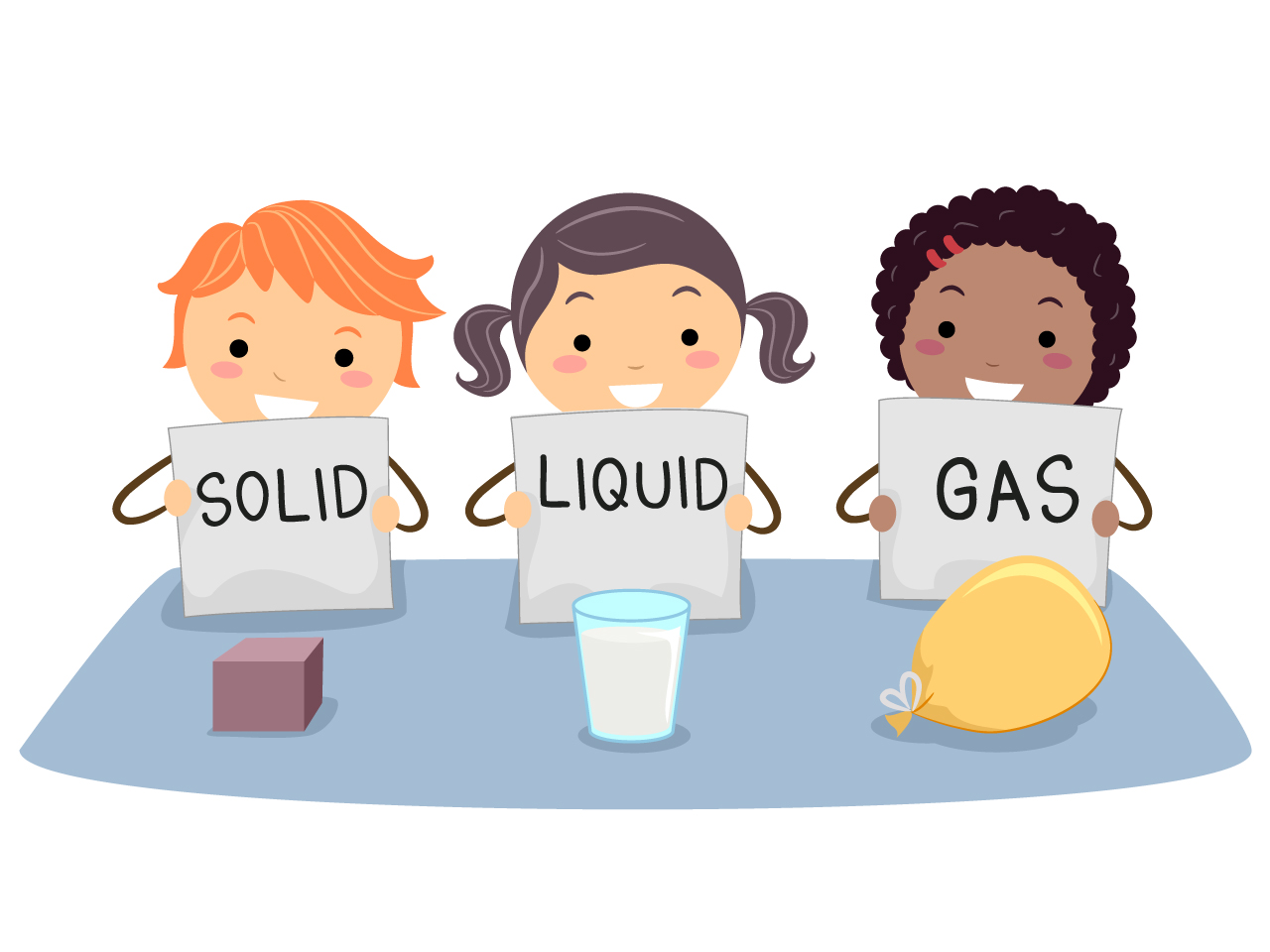


Parents and teachers should prioritize Basic Mathematics for children aged 5-9 because foundational math skills are crucial for lifelong learning and everyday functioning. At this age, children begin to develop critical thinking and problem-solving skills, which are enhanced through engaging with numbers, shapes, and patterns.
Understanding basic math concepts empowers children to make sense of the world, from counting objects to measuring ingredients in a recipe. These skills not only aid in academic success but also foster confidence and independence. Math literacy is linked to everyday tasks, such as managing money, planning events, and even understanding time.
Early math experiences can ignite a passion for learning and curiosity. Engaging activities, from simple counting games to stories involving math concepts, can make learning enjoyable, encouraging a positive attitude towards the subject. Moreover, parents and teachers serve as role models; showing enthusiasm for math can inspire children to embrace it as a valuable and enjoyable part of life.
Incorporating math in daily routines ensures that children are not only prepared for higher learning but also equipped with the problem-solving skills necessary for future challenges. Hence, investing time and resources in their early math education is critical for holistic development.








