Critical Thinking Normal Worksheets for Ages 5-9 - Page 5
99 filtered results
-
From - To
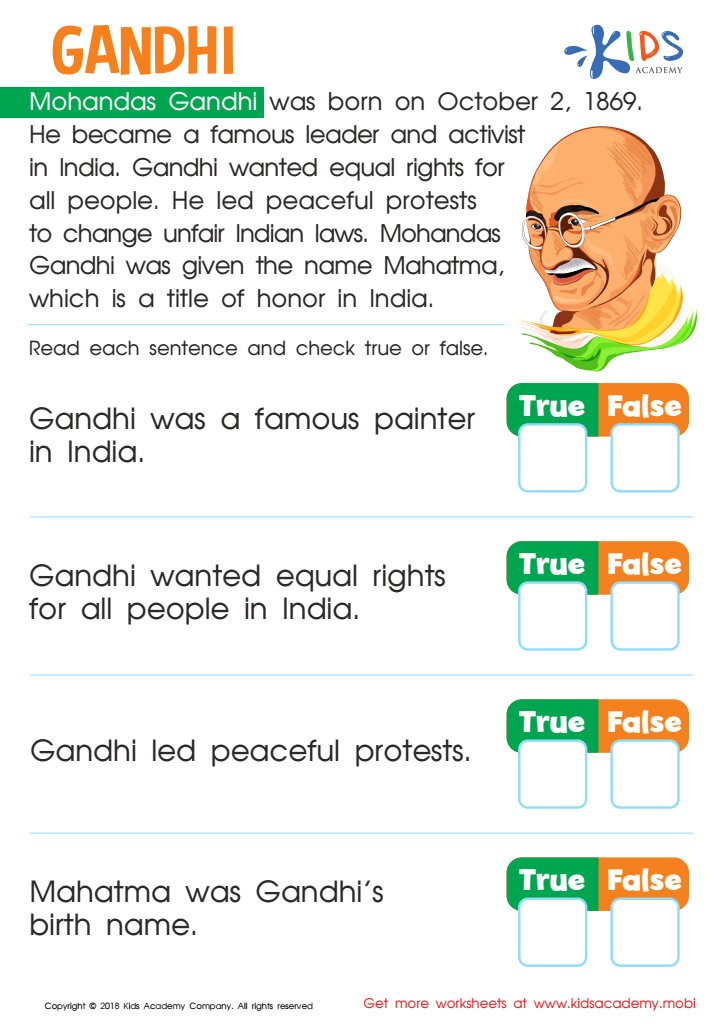
Gandhi Worksheet
 Assign to My Students
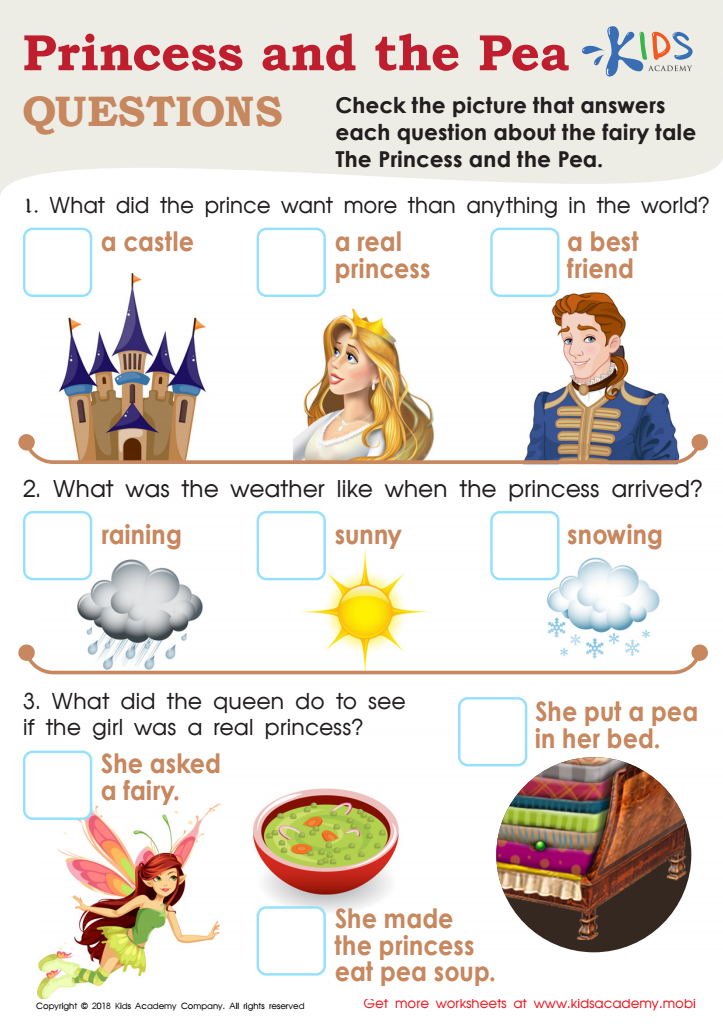
Princess and the Pea Questions Worksheet
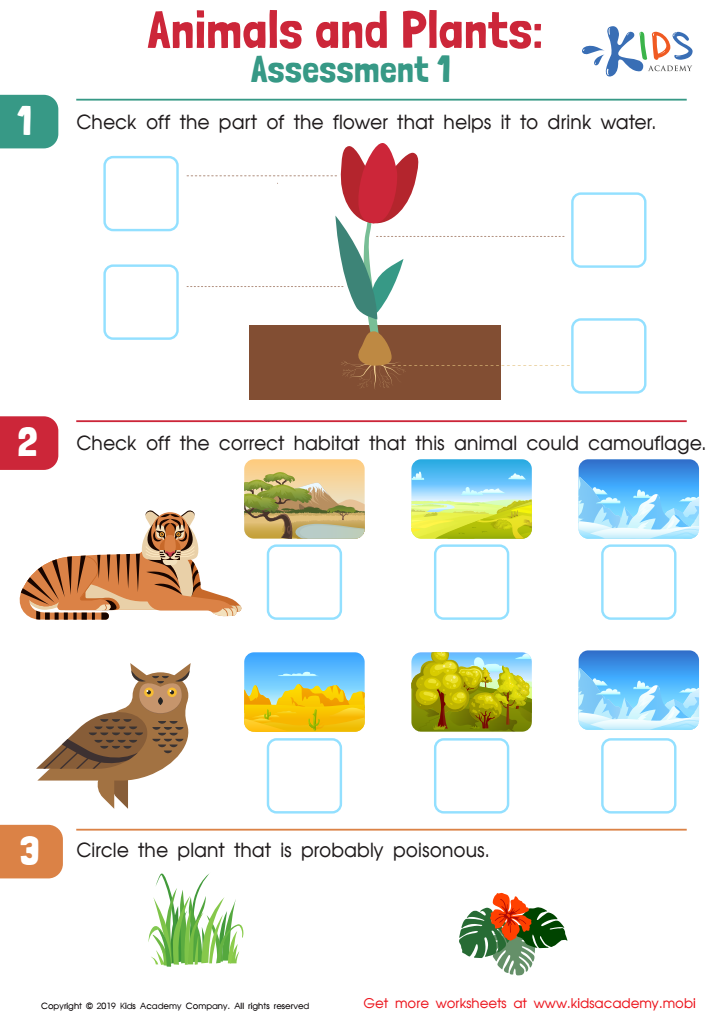
Animals and Plants: Assessment 1 Worksheet


.jpg)
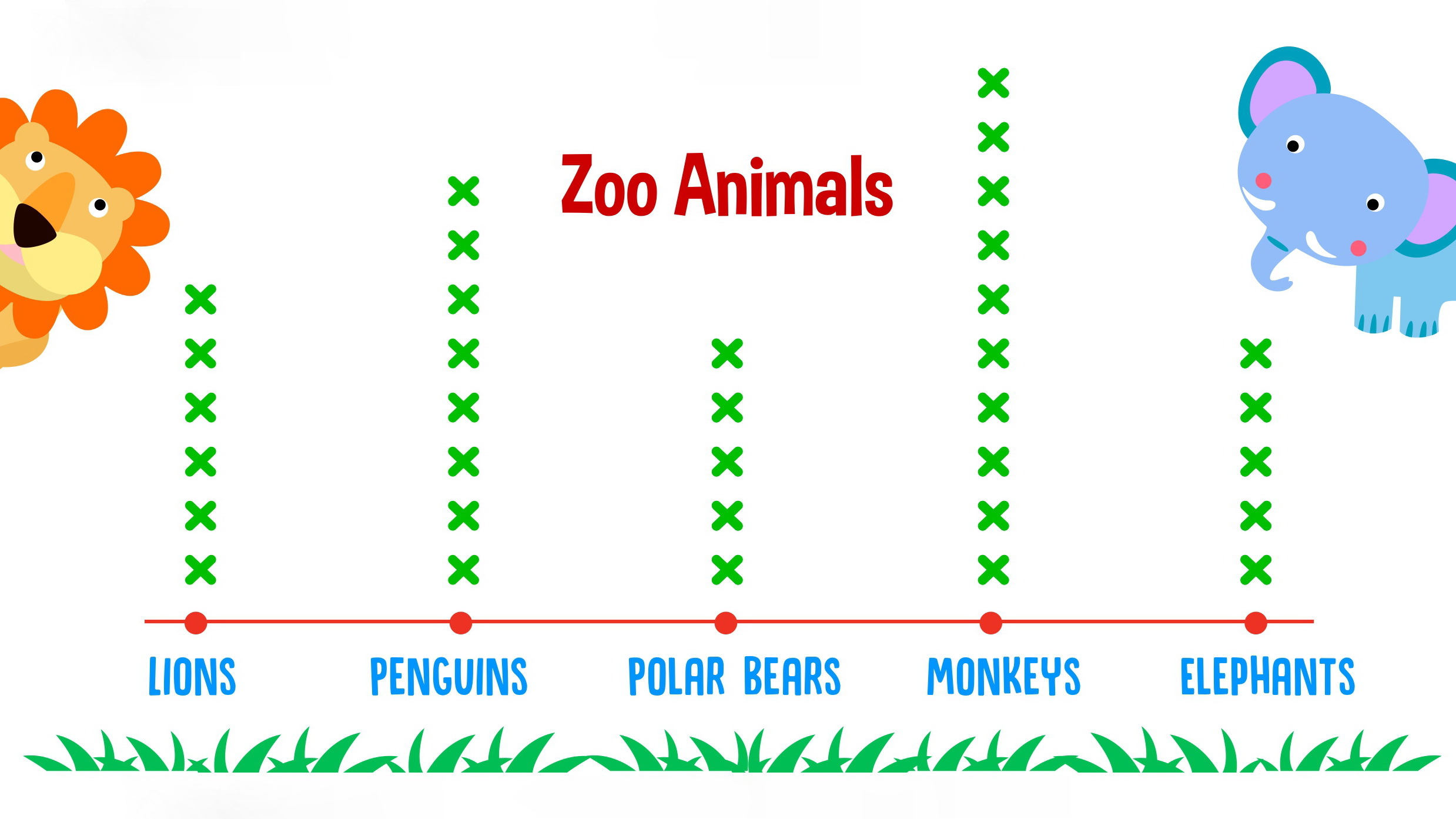




Critical thinking is an essential life skill that helps children navigate complex environments, make informed decisions, and solve problems effectively. For ages 5-9, fostering critical thinking is crucial because it lays the groundwork for future cognitive development, academic success, and personal growth. At this stage, children are naturally curious and beginning to understand the world around them, making it a prime time to introduce and cultivate these skills.
Parents and teachers should care about nurturing critical thinking in young children to help them develop better reasoning, analytical skills, and creativity. This foundational ability allows children to thoughtfully question information, understand cause and effect, and evaluate multiple perspectives, which are valuable throughout their lives. For instance, when a child learns to question why a plant needs sunlight to grow, they are not merely memorizing facts, but grasping underlying principles.
Moreover, early exposure to critical thinking fosters independence and resilience. Children who can think critically are less likely to accept information at face value and more likely to seek evidence and justify their beliefs, enhancing their self-confidence and decision-making skills.
Therefore, integrating critical thinking into early education ensures that children can adapt, thrive, and engage in lifelong learning, which benefits both their academic journey and personal development.








