Improve reading skills Normal Worksheets for Ages 5-9
9 filtered results
-
From - To
Enhance your child's reading abilities with our engaging normal worksheets designed for ages 5-9! Our collection features a variety of interactive activities that promote phonics, vocabulary, and comprehension skills. Each worksheet is carefully crafted to support early literacy development, making learning both fun and effective. Whether your child is just starting their reading journey or looking to refine their skills, these resources provide ample practice and reinforce important concepts. Turn reading into a joyful experience at home or in the classroom with our easy-to-navigate worksheets. Download now to help your young learner thrive in their reading adventures!
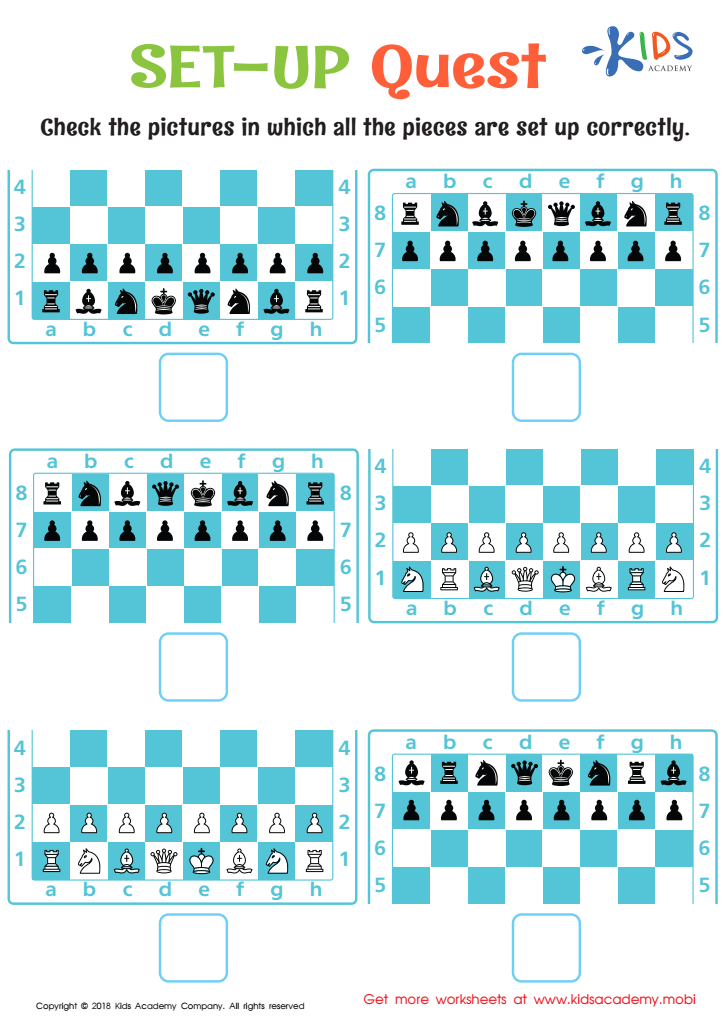
Set-up Quest Worksheet
 Assign to My Students
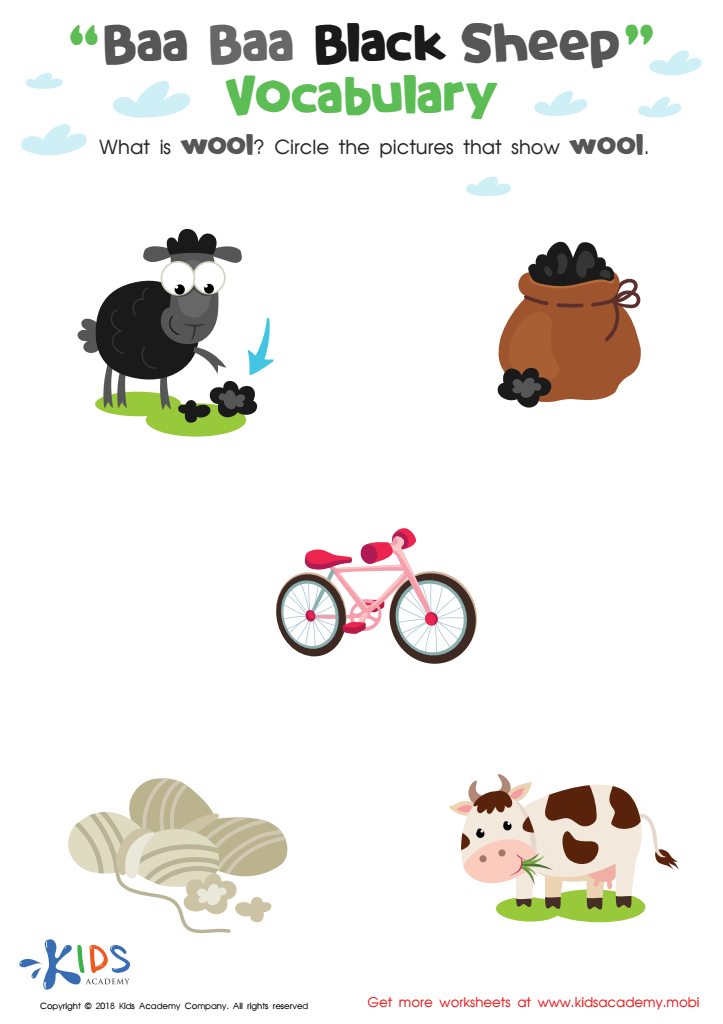
Baa Baa Black Sheep: Vocabulary Worksheet
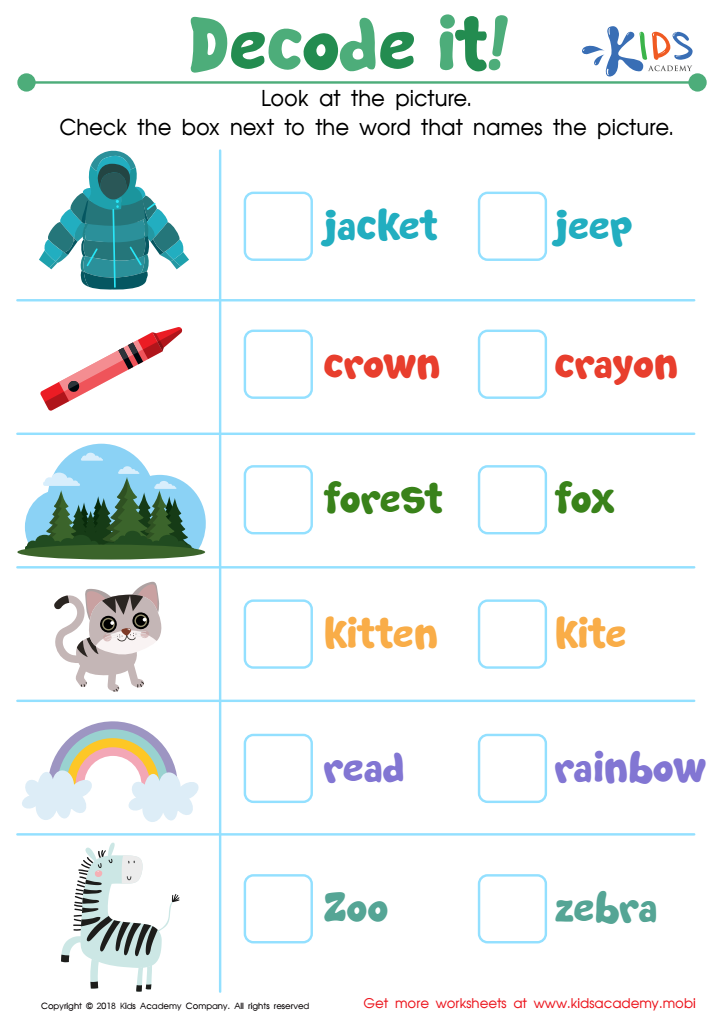
Reading: Decode It Worksheet
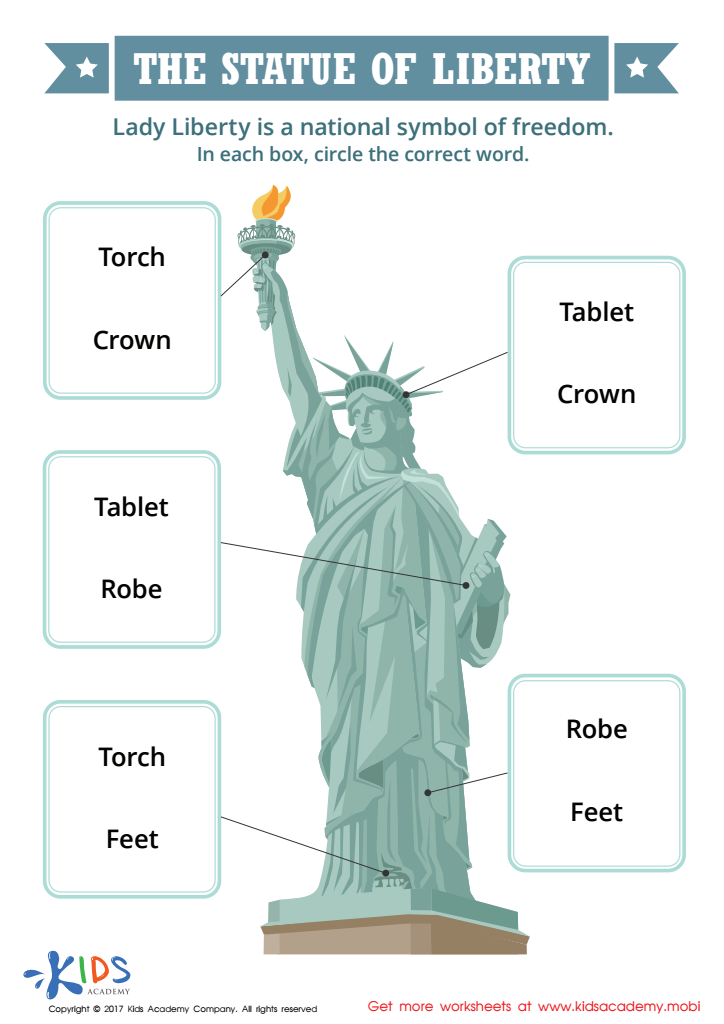
The Statue of Liberty Printable
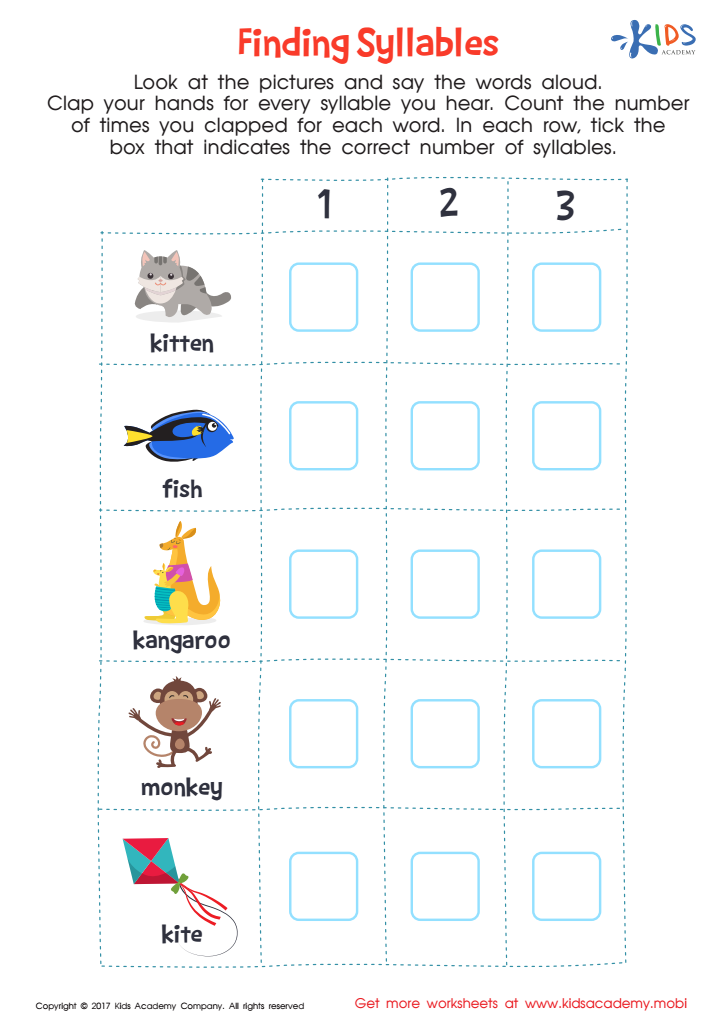
Finding Syllables Word Structure Worksheet
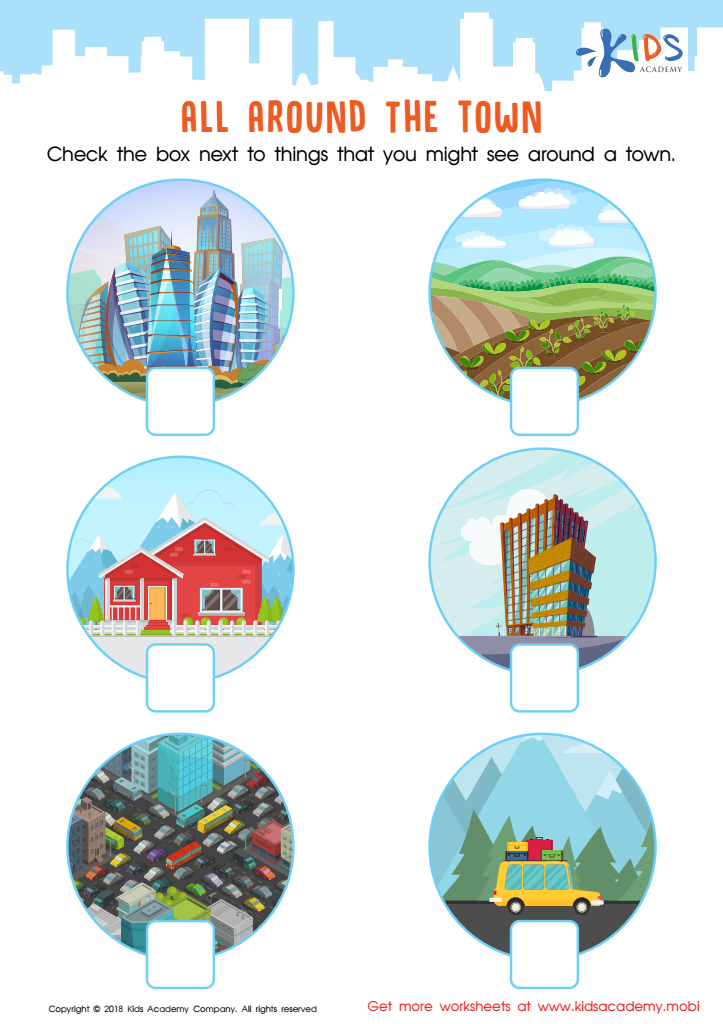
All Around the Town Worksheet
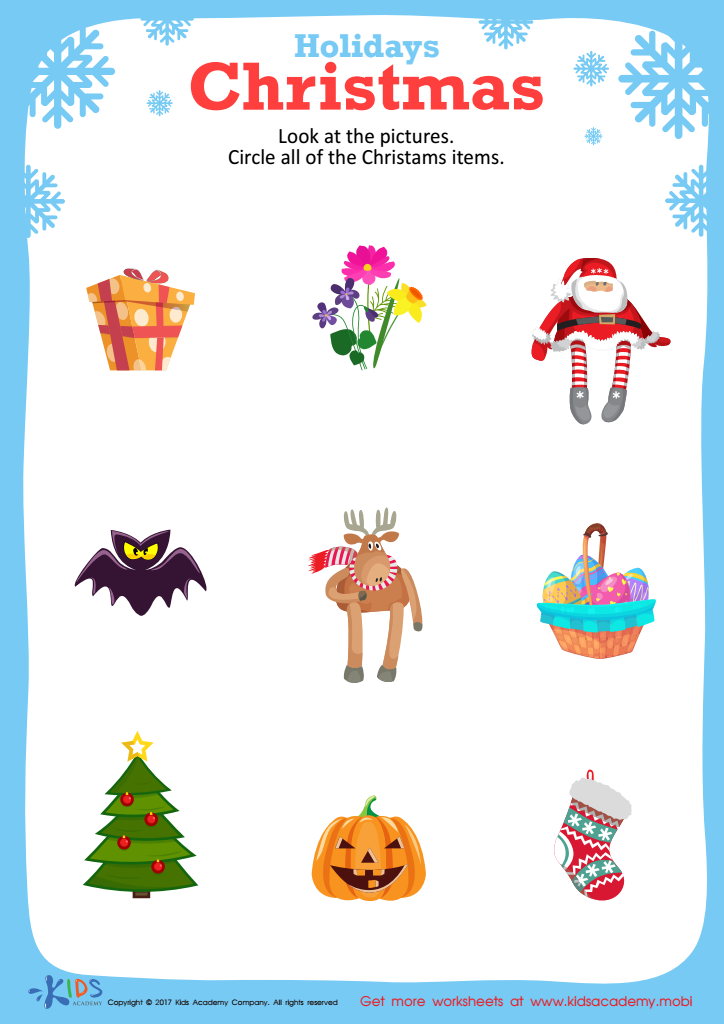
Christmas Holiday Worksheet
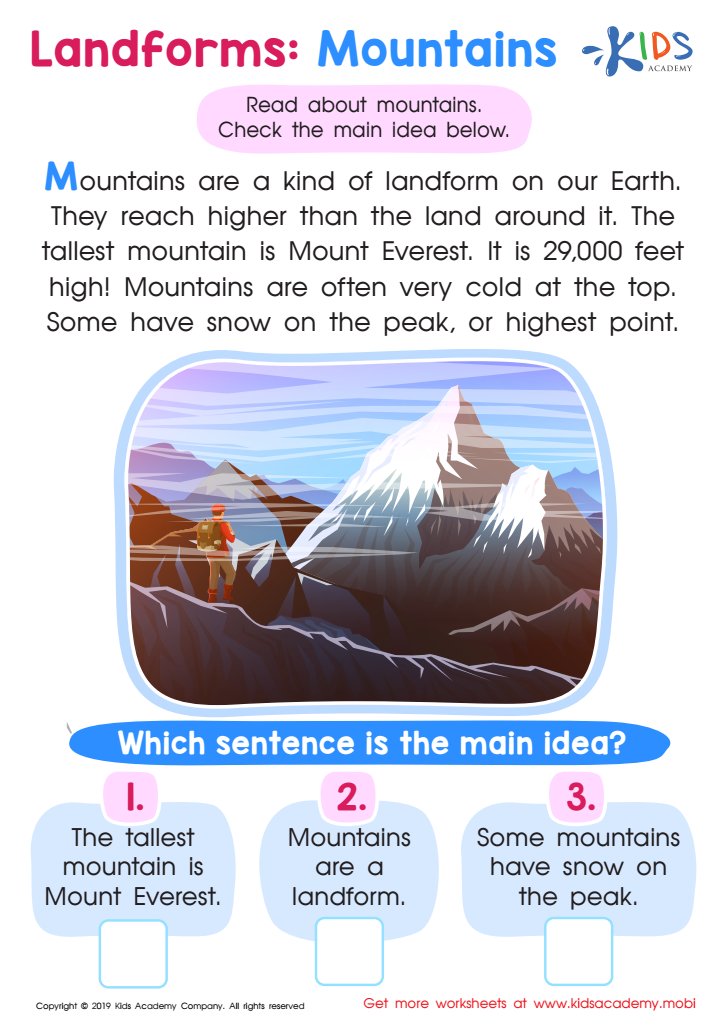
Landforms: Mountains Worksheet
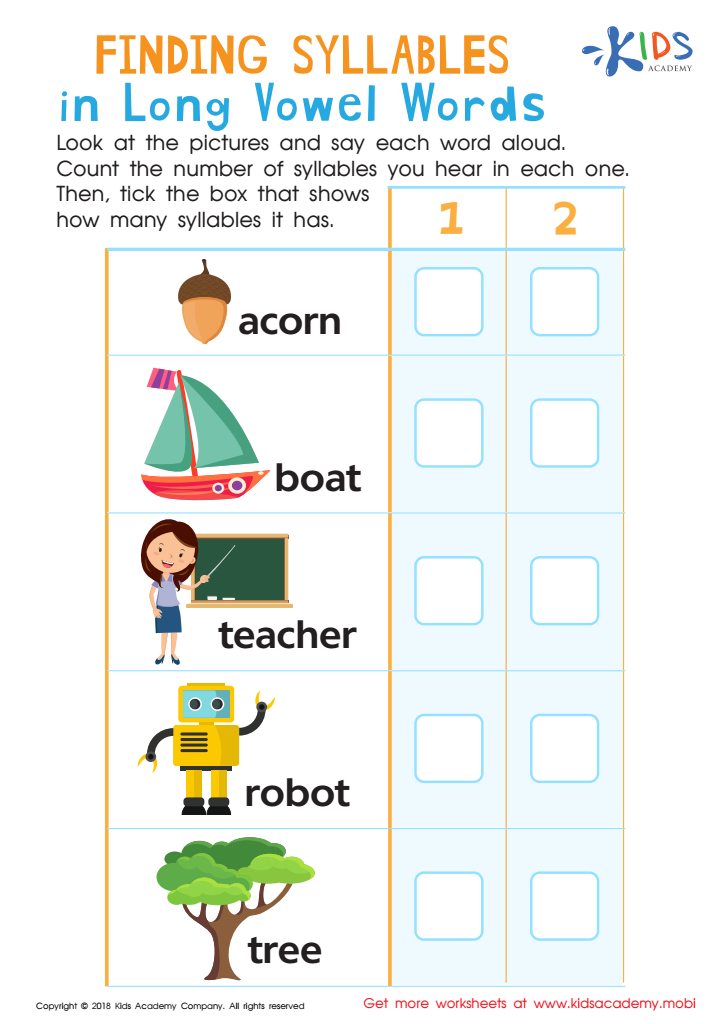
Finding Syllables in Long Vowel Words Worksheet








Improving reading skills for children aged 5-9 is crucial for their overall development and future success. At this age, children are in a critical stage of language acquisition and cognitive development. Strong reading skills enhance comprehension, vocabulary, and critical thinking, forming the foundation for all future learning.
When children read well, they are more likely to succeed in all academic subjects, as they can better understand instructions and absorb information quickly. Additionally, strong reading skills contribute to improved self-esteem and confidence. Children who are proficient readers are more likely to engage with books and other reading materials, fostering a lifelong love for reading that is essential for personal growth and intellectual curiosity.
Moreover, parents and teachers play a pivotal role in this development. By actively participating in reading activities—whether through shared reading, discussions about stories, or phonics games—they can create a supportive and stimulating environment that encourages children to practice and improve.
Ultimately, prioritizing reading skills not only benefits children academically but also prepares them socially and emotionally for the challenges of adulthood. Thus, it is imperative that parents and teachers invest time and resources into fostering strong reading abilities in young learners.








