
Reading skills development Normal Worksheets for Ages 5-9
7 filtered results
Difficulty Level
Grade
Age
-
From - To
Subject
Activity
Standards
Enhance your child's reading skills with our expertly designed Normal Worksheets for Ages 5-9. At Kids Academy, we focus on building foundational reading proficiency through engaging activities that foster a love for learning. Our worksheets help young readers develop key skills, including vocabulary, comprehension, and phonetics. With age-appropriate content, these printable resources offer a structured yet fun way to improve literacy. Whether for school or home use, our carefully curated materials provide a step-by-step approach to reading fluency. Support your child's educational journey with our trusted and effective worksheets designed specifically for early learners.
Favorites
With answer key
Interactive
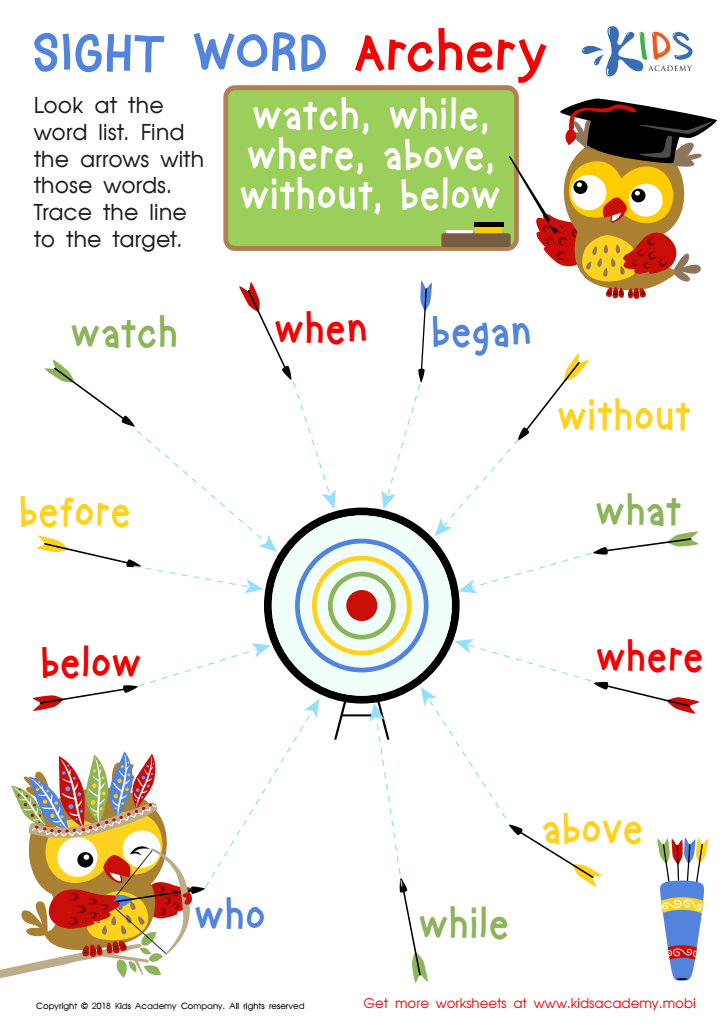
Sight Word Archery Worksheet
Read the words list with your kids, pointing at each one. Ask them to do the same. Help them find the arrows with those words and trace the line to the target in the centre.
 Assign to My Students
Sight Word Archery Worksheet
Worksheet
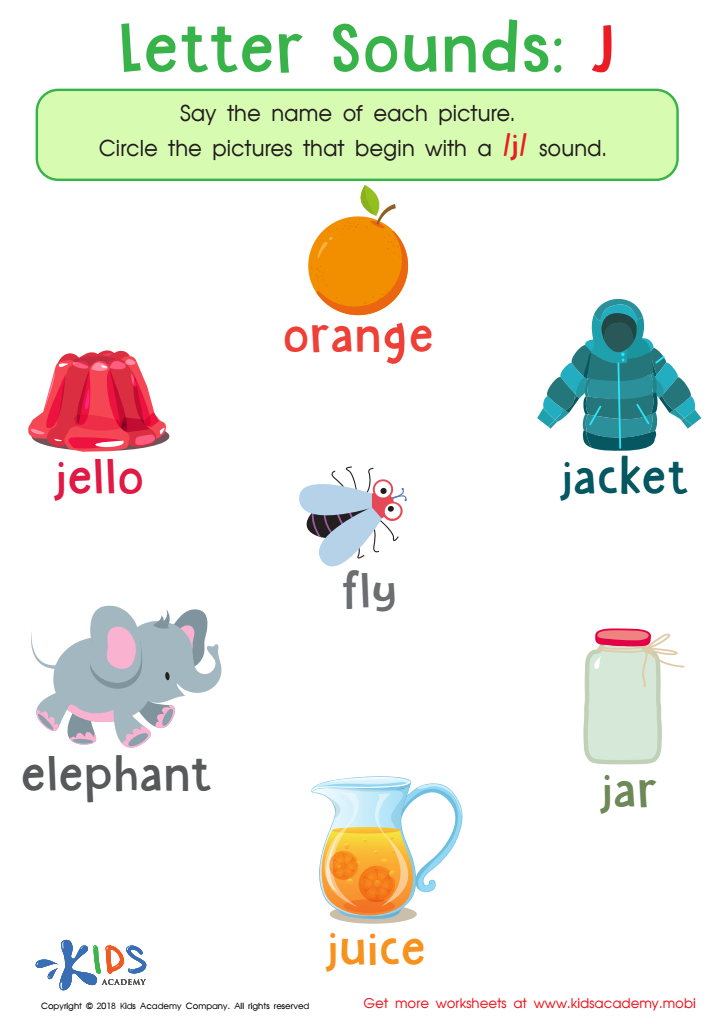
Letter Sounds: J Printable Worksheet
Preschoolers can learn to identify letter sounds by focusing on beginning sounds. This cute and colorful worksheet reviews the hard “j” sound. Kids can point it out by naming the words and circling only those starting with the “j” sound. Read the text out loud and listen closely!
Letter Sounds: J Printable Worksheet
Worksheet
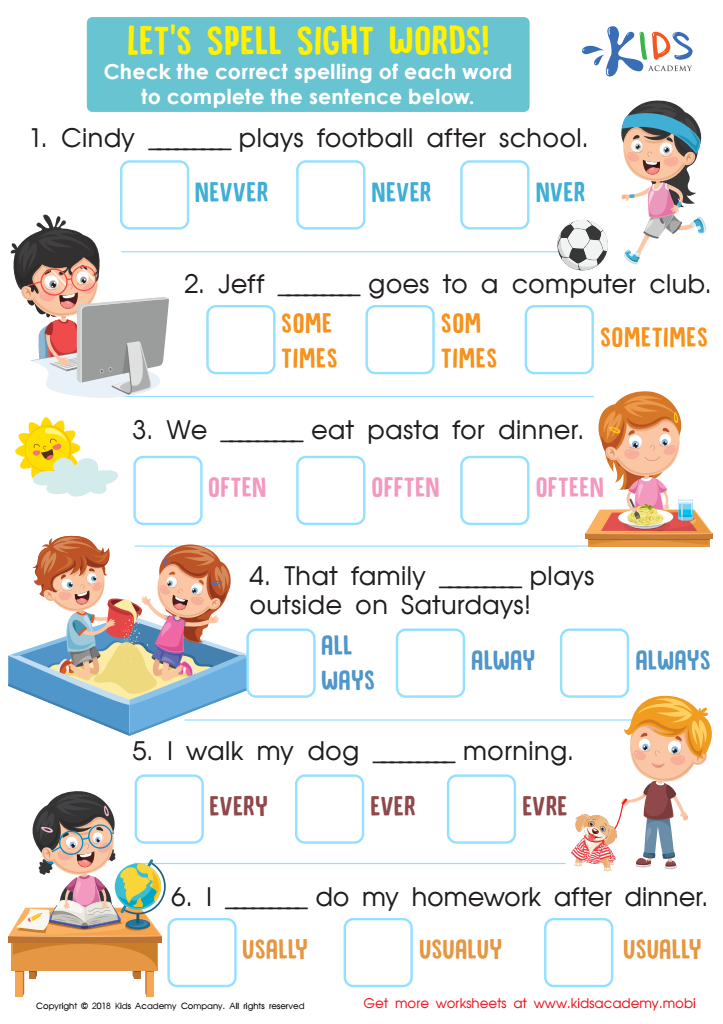
Let's Spell Sight Words Worksheet
Help your kids spell tricky sight words by asking them to spot differences in the sentences of activities they do regularly. This worksheet contains incomplete sentences, with the correct spelling of the word in the options for them to fill in. Get them to look out for words with the wrong spellings.
Let's Spell Sight Words Worksheet
Worksheet
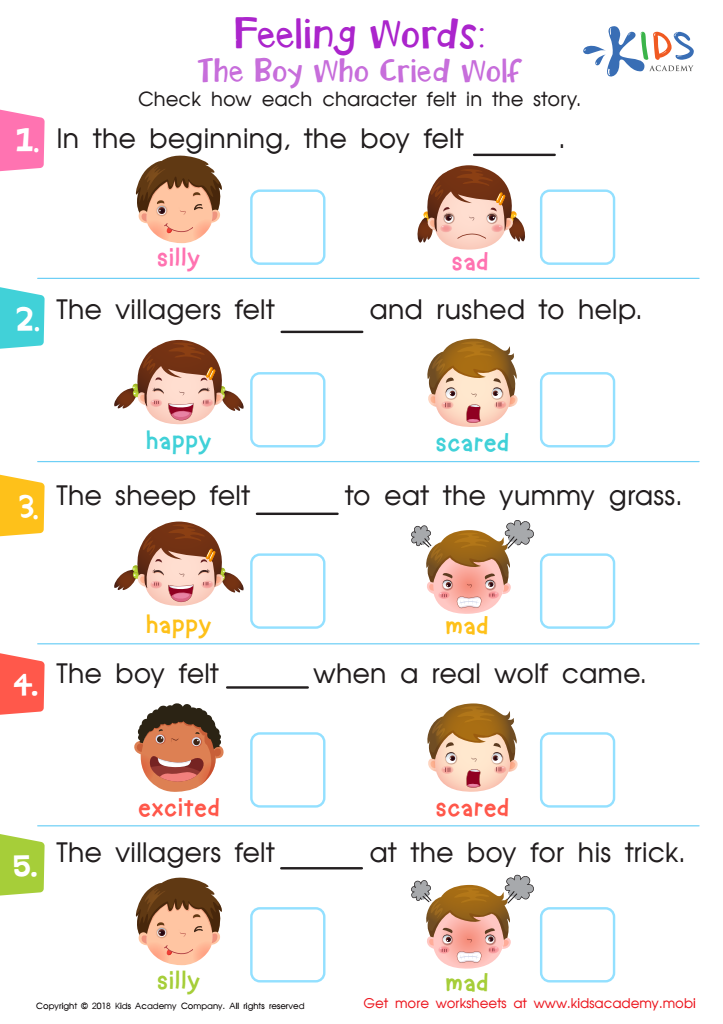
Feeling Words: The Boy Who Cried Wolf Worksheet
This worksheet helps students infer characters' traits and feelings by reading The Boy Who Cried Wolf. They choose the correct emotion for each character to improve their story comprehension. A great resource for the reading classroom, it teaches an essential comprehension skill.
Feeling Words: The Boy Who Cried Wolf Worksheet
Worksheet
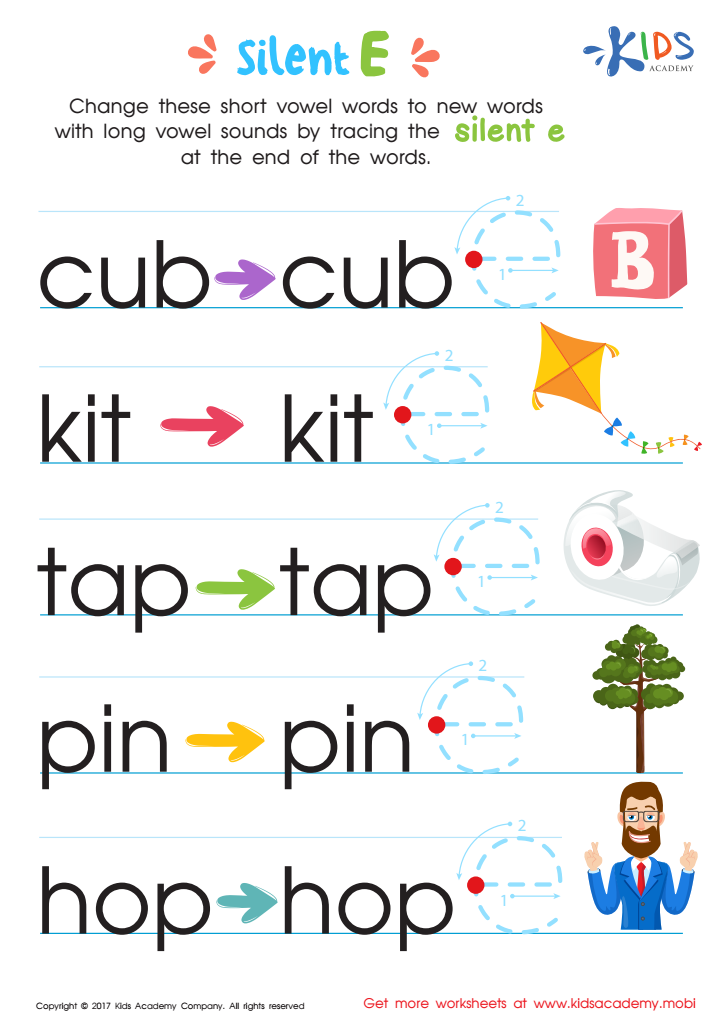
Silent E Words Worksheet
The letter e is amazing - it changes words without making a sound! Boost spelling and phonics with this Silent e worksheet from Kids Academy - fun and colorful!
Silent E Words Worksheet
Worksheet
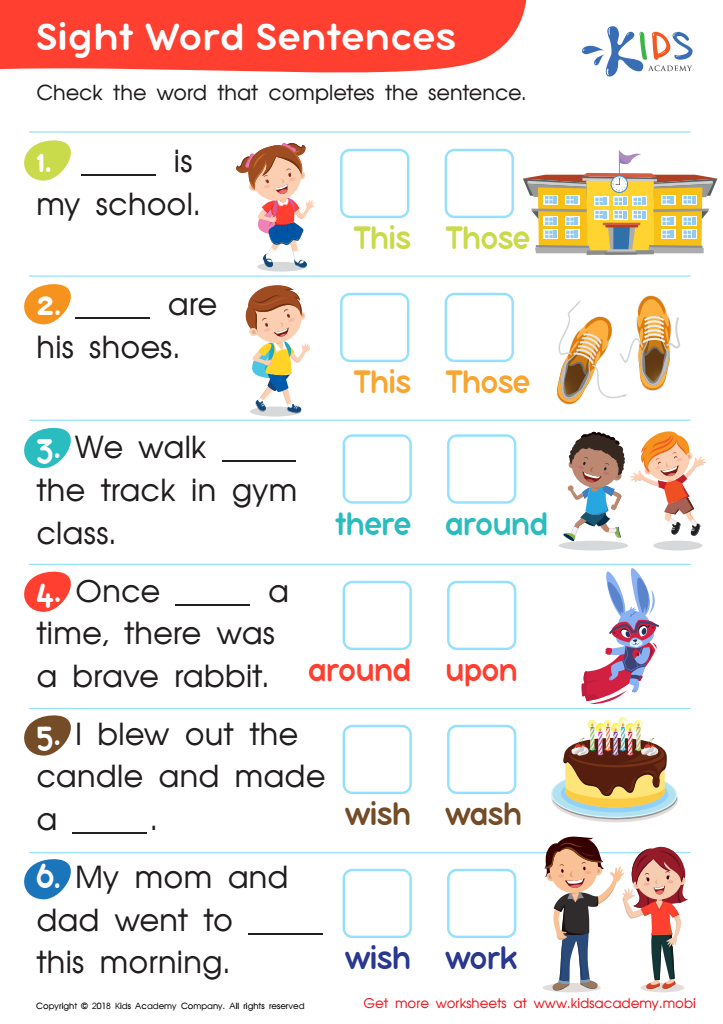
Sight Word Sentences Worksheet
Improve reading fluency! Have students fill in the blank with the correct sight word to complete sentences. Sight words are often tricky to decode - they don't follow phonics or spelling rules. To read smoothly, young learners must know them by memory. Use this printable and help kids master their sight words!
Sight Word Sentences Worksheet
Worksheet
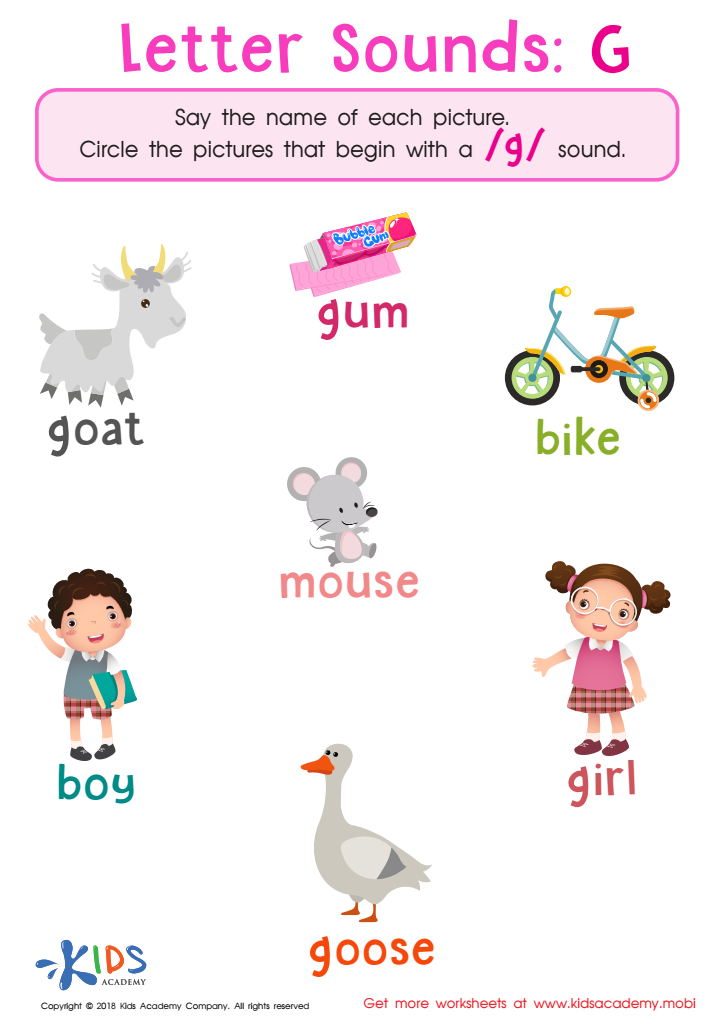
Letter G Sounds Worksheet
Help emerging readers build confidence by giving them practice identifying hard "G" with this free PDF worksheet. They'll use picture clues to name the words, and practice fine-motor skills tracing circles around the corresponding pics. It's a great way to introduce or reinforce hard "G" words.
Letter G Sounds Worksheet
Worksheet
Join Kids Academy for Free
Who is primarily going to use this learning content?








Reading skills development in ages 5-9 is critical and serves as a foundational block for future learning and success. At this vital stage, children acquire the basic ability to understand and process written language, which plays a crucial role in all other academic subjects. Strong reading skills enable children to grasp new concepts, follow instructions, and explore new ideas, fostering a love for learning.
Parents and teachers should care about reading skills development because it significantly impacts a child’s self-esteem and confidence. Children who struggle with reading often feel frustrated and can become disengaged from school activities, leading to longer-term educational challenges. Conversely, those who excel in reading tend to perform better across all subjects, fostering an overall positive school experience.
Moreover, reading opens doors to new worlds and perspectives, enhancing creativity and critical thinking. Through stories and informational texts, children learn about different cultures, historical events, and scientific facts, broadening their horizons and promoting empathy and understanding.
Early intervention and support in reading can prevent future difficulties. Therefore, parents and teachers should actively engage in activities that promote reading, such as storytelling, phonics games, and regular read-aloud sessions. Creating a stimulating reading environment both at home and in school sets the stage for lifelong learning and academic achievement.








