Shape Recognition Normal Worksheets for Ages 5-9 - Page 3
50 filtered results
-
From - To
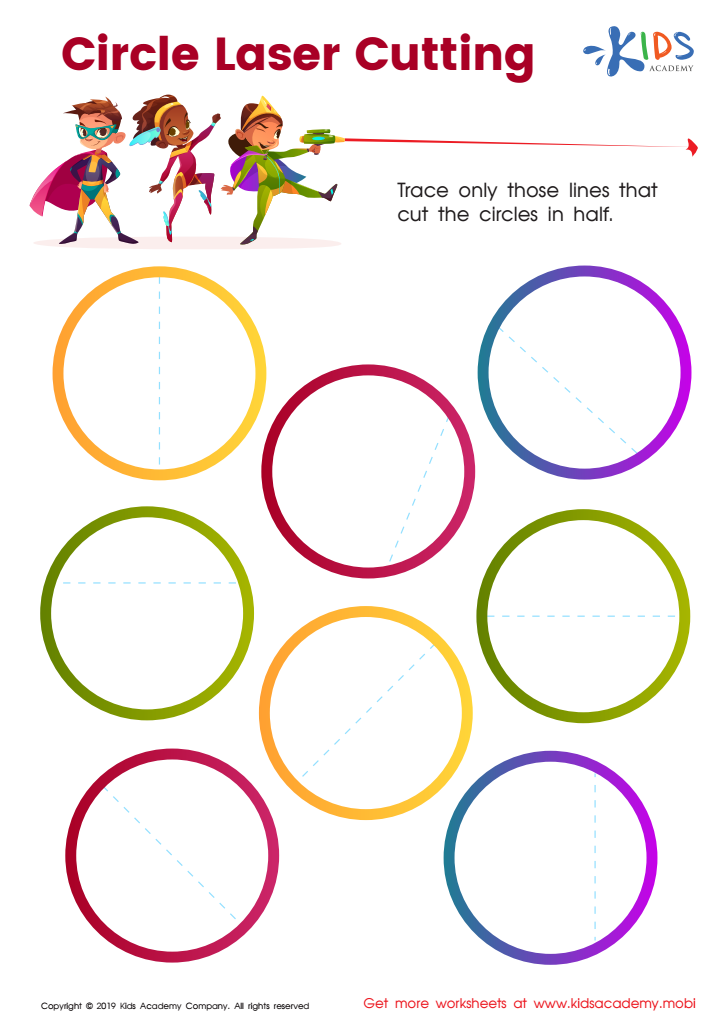
Circle Laser Cutting Worksheet
 Assign to My Students
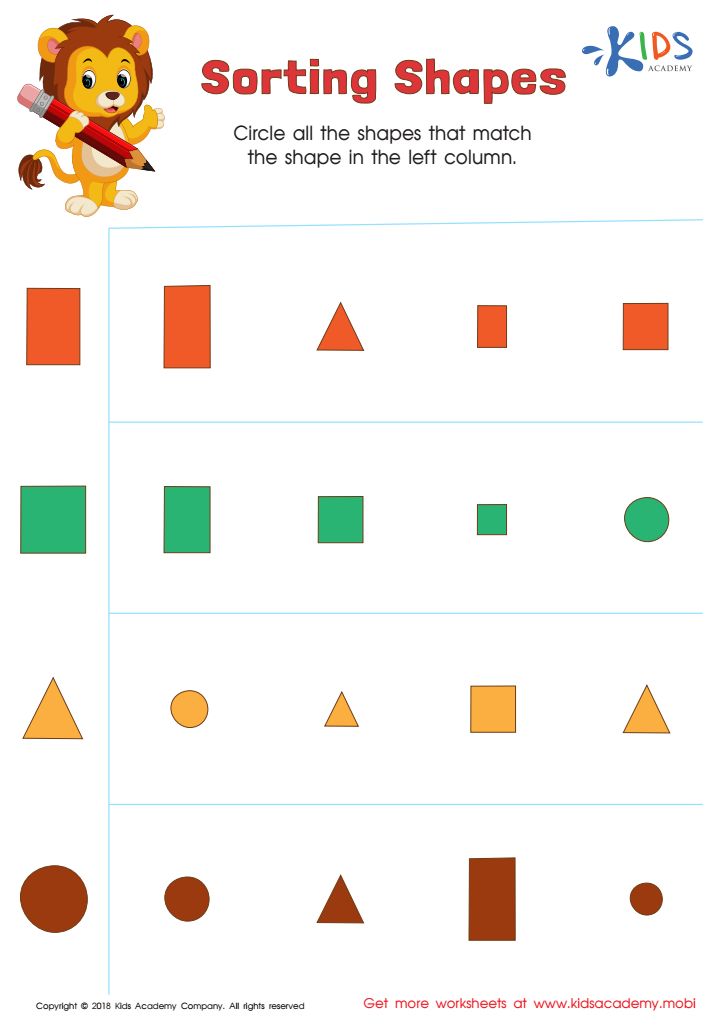
Sorting Shapes - Part 2 Worksheet





.jpg)

Shape recognition is a fundamental skill for children ages 5-9, playing a pivotal role in their cognitive, social, and emotional development. For parents and teachers, nurturing this skill is essential as it lays the foundation for more complex mathematical concepts, such as geometry and spatial awareness. Recognizing shapes enhances critical thinking, problem-solving, and logical reasoning abilities, fostering a child's ability to make connections between various learning experiences.
Additionally, engagement in shape recognition activities promotes fine motor skills, as children often manipulate objects and draw shapes. This hands-on interaction also bolsters creativity and imagination, encouraging children to explore beyond rigid boundaries.
Furthermore, shape recognition can significantly enhance language skills. As children learn to identify and describe the properties of shapes, they expand their vocabulary and communication abilities. Socially, group activities around shape games foster teamwork, collaboration, and peer interaction.
For overall emotional growth, mastering shape recognition boosts a child's self-confidence and sense of achievement, integral for positive self-esteem. In summary, fostering shape recognition is vital for holistic development, equipping children with essential skills for academic success and everyday life. Parents and teachers play a crucial role in providing a supportive environment for this learning journey.








