Understanding directions Normal Worksheets for Ages 5-9
9 filtered results
-
From - To
Explore our "Understanding Directions Normal Worksheets" designed for children ages 5-9! These engaging and interactive worksheets help young learners develop essential directional skills through fun activities. Aimed at reinforcing comprehension, these resources guide students in following verbal and visual instructions, enhancing their ability to understand spatial relationships. Perfect for both classroom and home learning environments, our worksheets encourage kids to practice clarity in communication while boosting their confidence in navigating their surroundings. With various exercises, your child will enjoy mastering directions like left, right, up, down, and more. Dive into a world of exploration today and make learning directions enjoyable!
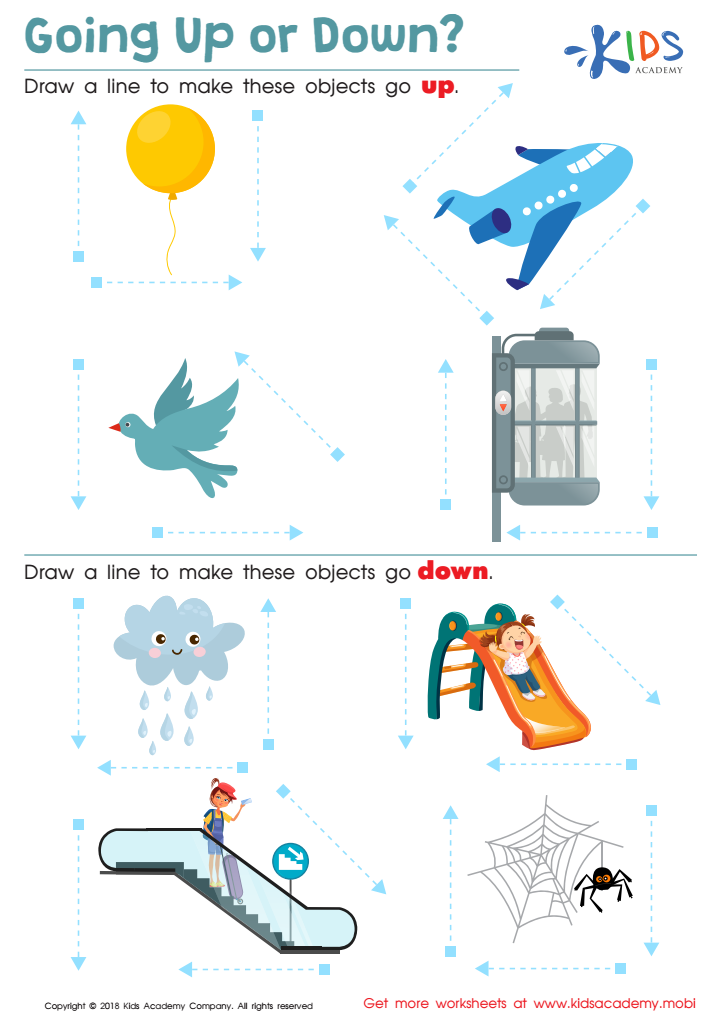
Going up or Down? Worksheet
 Assign to My Students
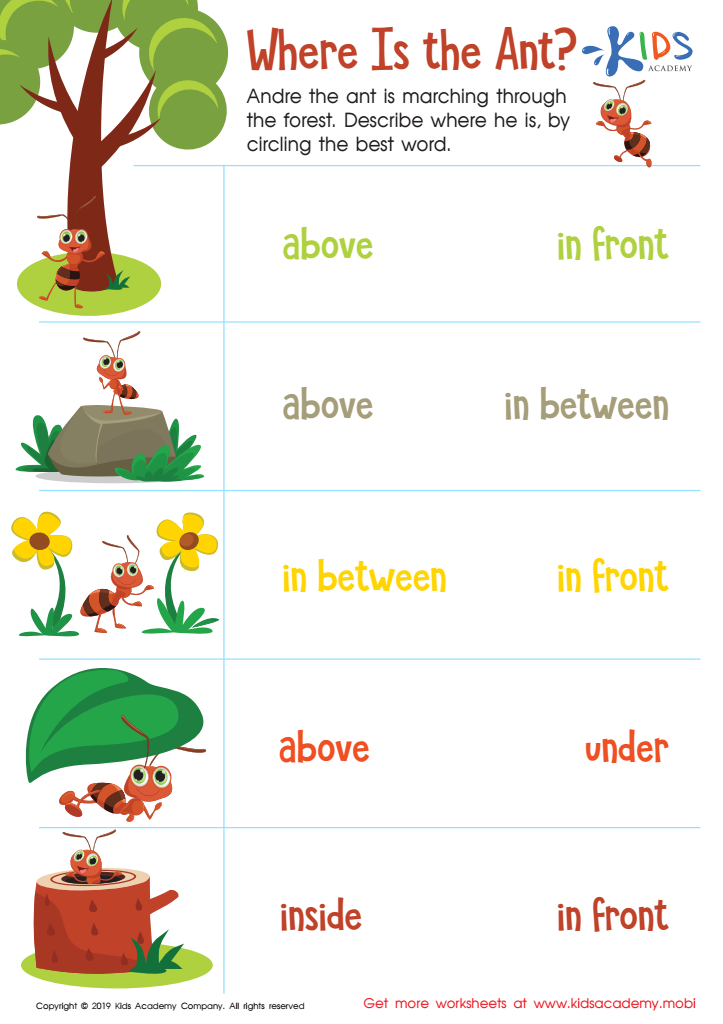
Where Is the Ant? Worksheet
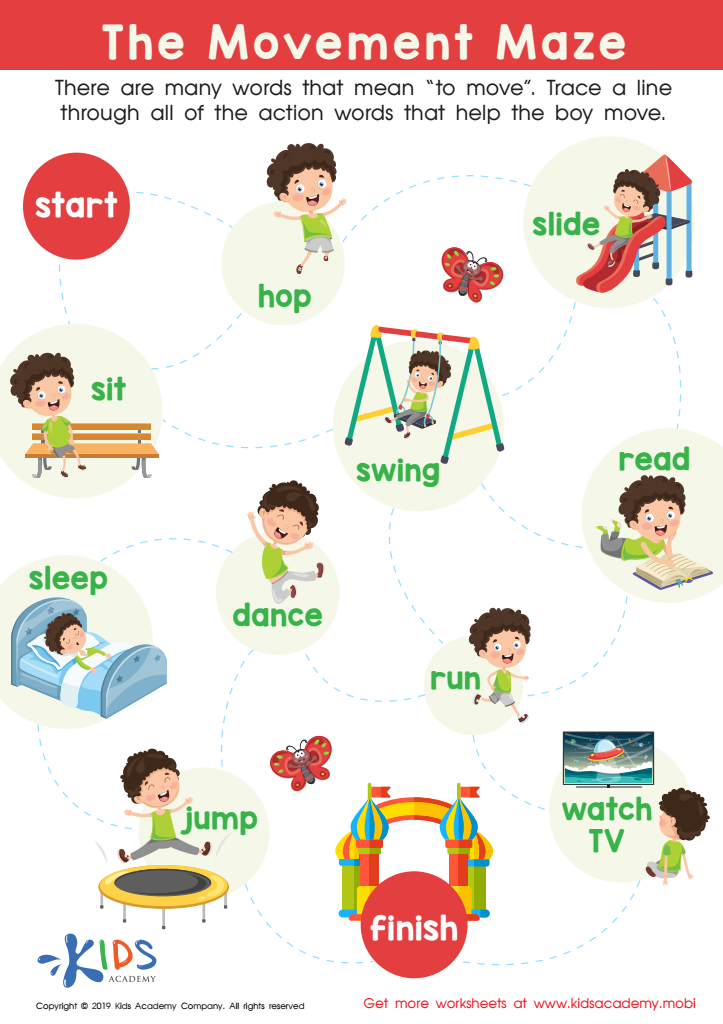
The Movement Maze Worksheet
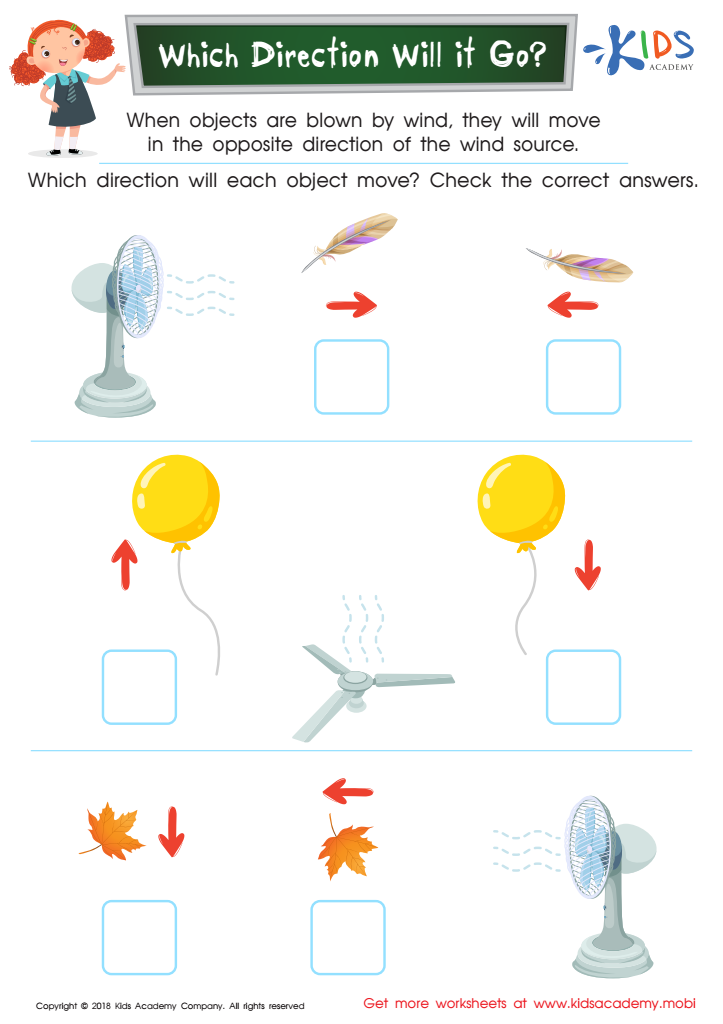
Which Direction Will it Go? Worksheet
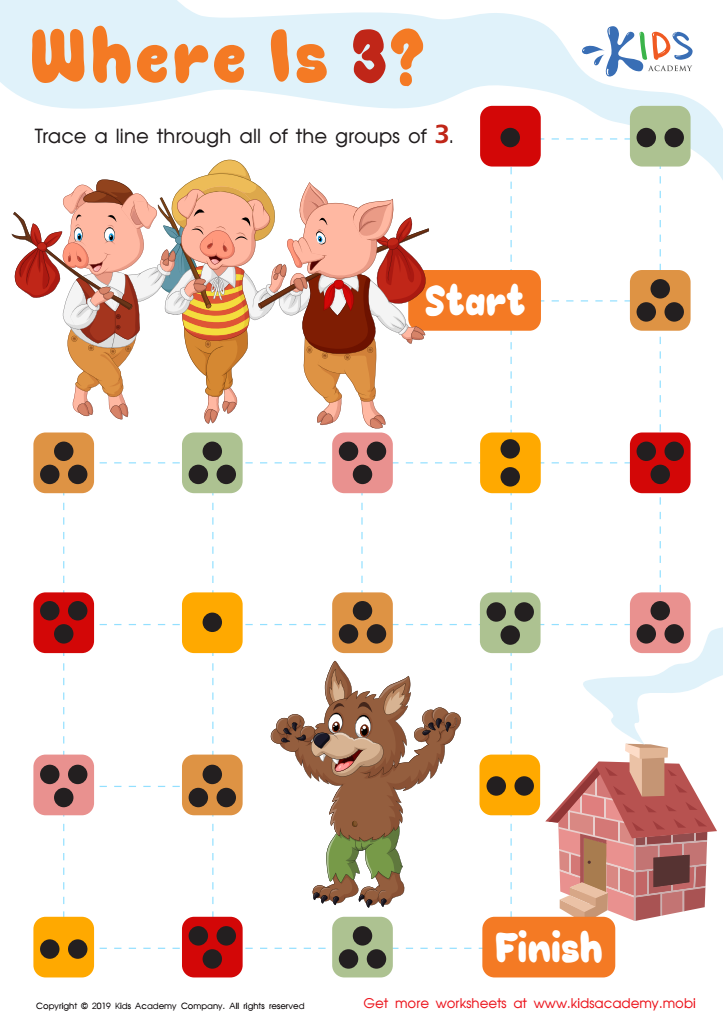
Where Is 3? Worksheet
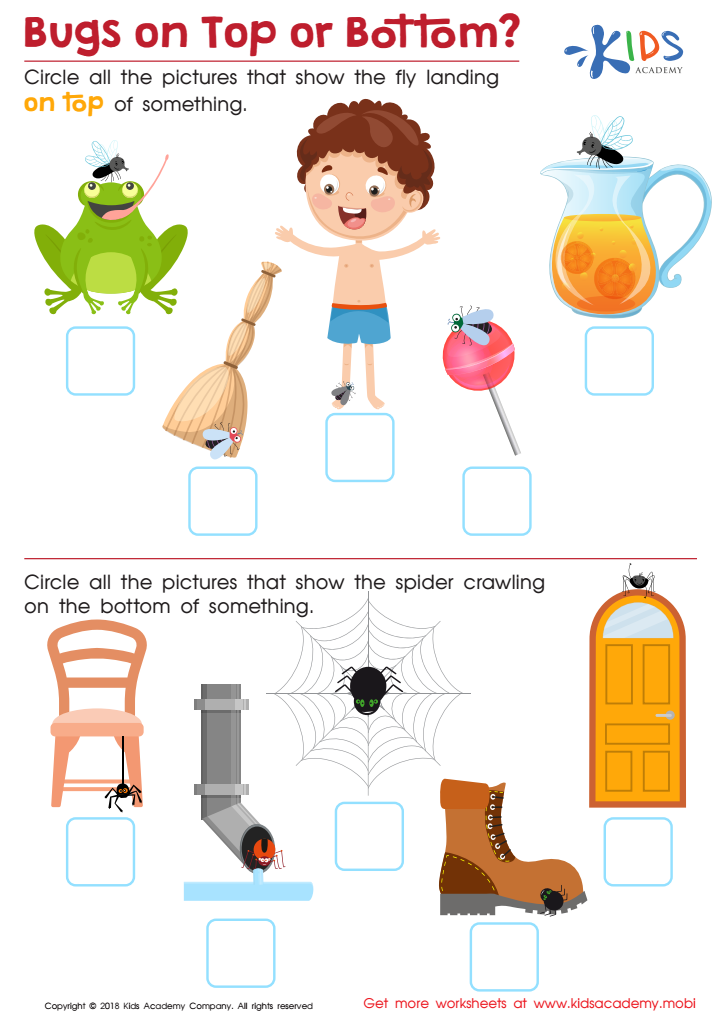
Bugs on Top or Bottom? Worksheet
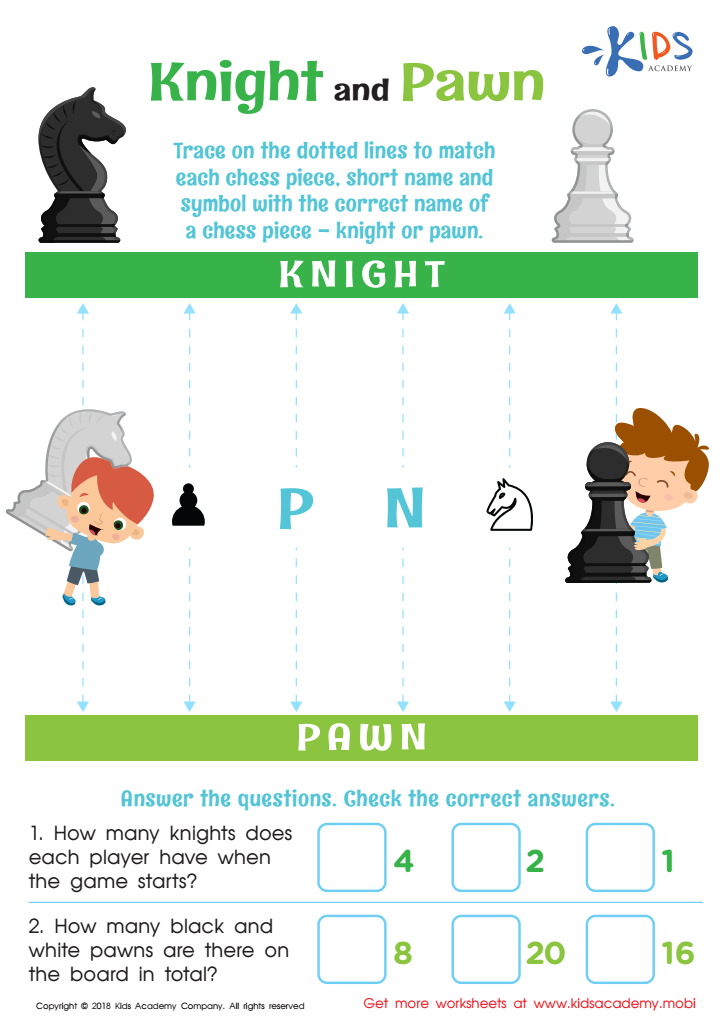
Knight and Pawn Worksheet
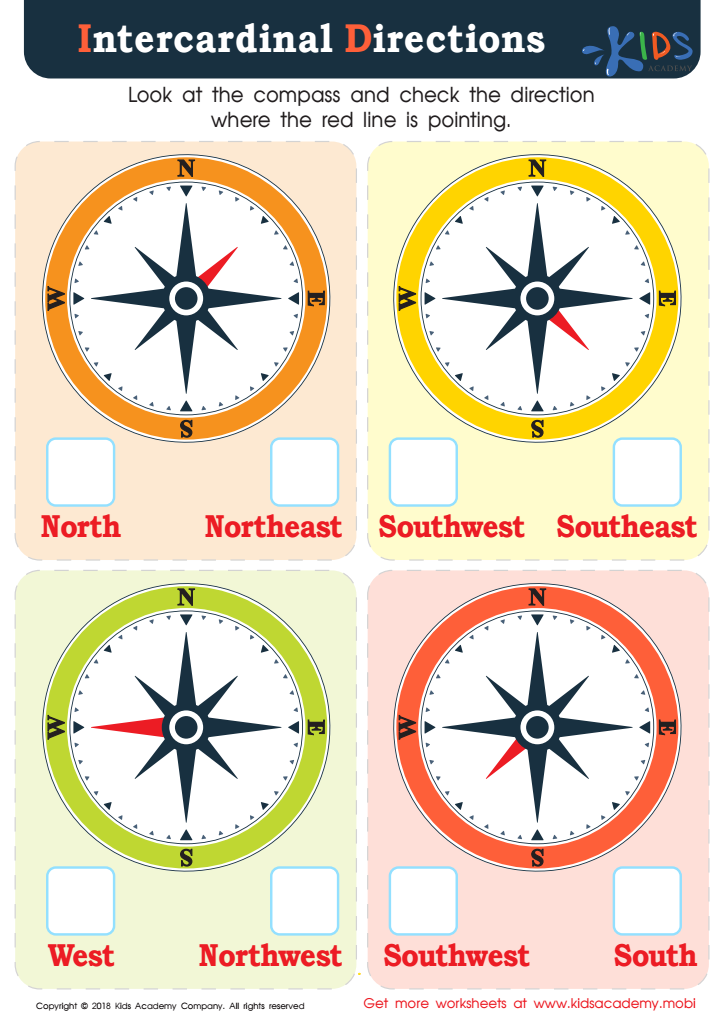
Intercardinal Directions Worksheet
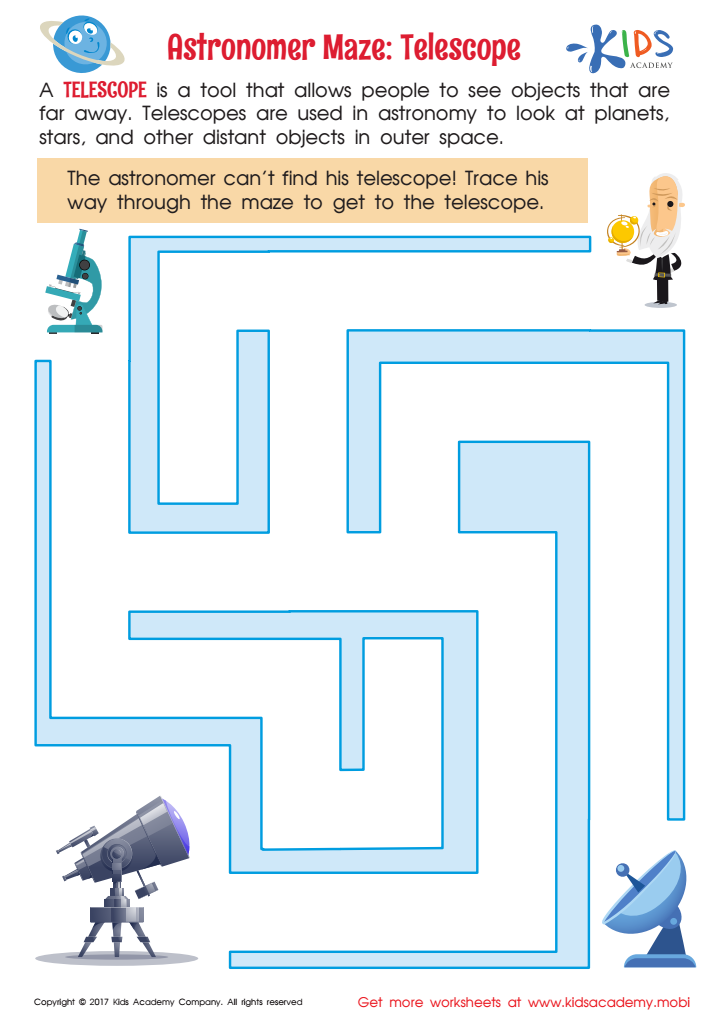
Astronomer Maze: Telescope Worksheet







Understanding directions is crucial for children aged 5-9 as it significantly impacts their learning and daily functioning. At this age, children are developing essential cognitive and spatial skills, which form the foundation for academic success. Clear comprehension of directions enhances their ability to follow instructions in the classroom, engage in cooperative play, and complete tasks independently. This skill fosters confidence and autonomy, leading to positive self-esteem.
For parents and teachers, prioritizing direction-following contributes to effective communication, reducing frustration during learning activities and home routines. It also aids in safety, as children who can comprehend and execute directions are better equipped to navigate their environments responsibly.
Additionally, teaching kids to understand and ask for clarification can enhance their critical thinking and problem-solving skills. It cultivates active listening, a fundamental component of effective communication, that will serve them well throughout their lives.
Ultimately, investing time in helping children grasp directions shapes their capacity to learn, socialize, and express their needs. It not only promotes essential life skills but also prepares them for more complex instructions they will face as they progress in their education. Therefore, both parents and teachers should emphasize this fundamental skill in their interactions with children.








