Understanding landforms Normal Worksheets for Ages 5-9
3 filtered results
-
From - To
Explore the exciting world of geography with our "Understanding Landforms" worksheets, tailored for kids ages 5-9. These engaging resources help young learners grasp the basic concepts of various landforms, such as mountains, valleys, plateaus, and more. Our worksheets blend fun activities, vivid illustrations, and simple explanations to foster a deeper understanding of Earth's features. Designed to complement classroom learning or homeschool curricula, these printables offer the perfect mix of education and entertainment, ensuring children not only learn about landforms but also enjoy the journey. Discover the wonders of the natural world today!
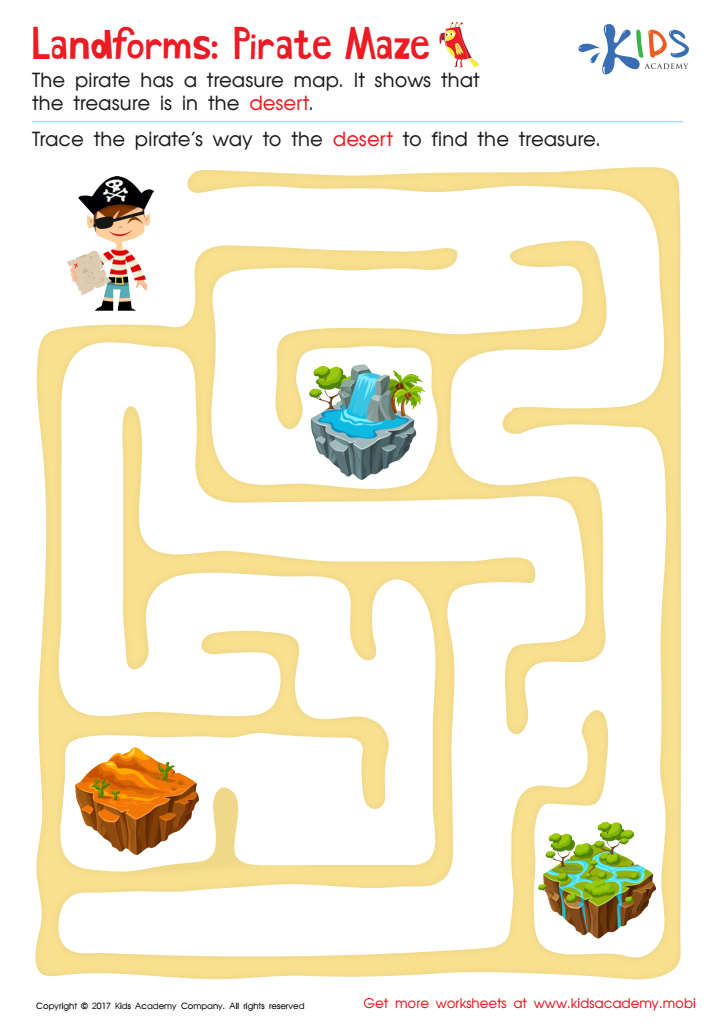
Landforms: Pirate Maze Printable
 Assign to My Students
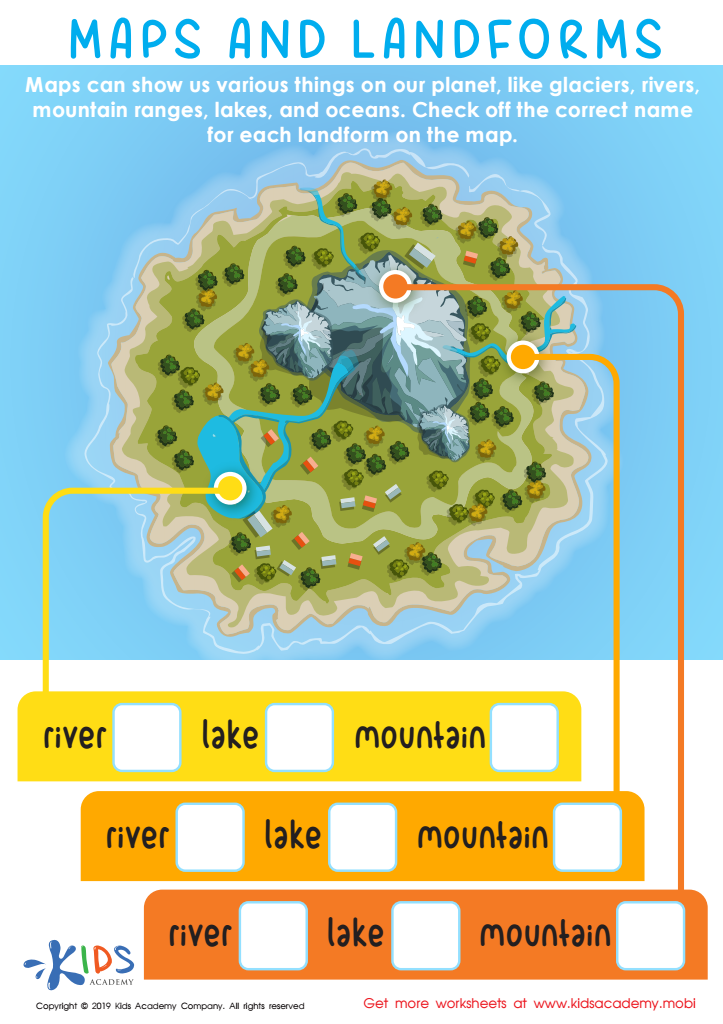
Maps and Landforms Worksheet
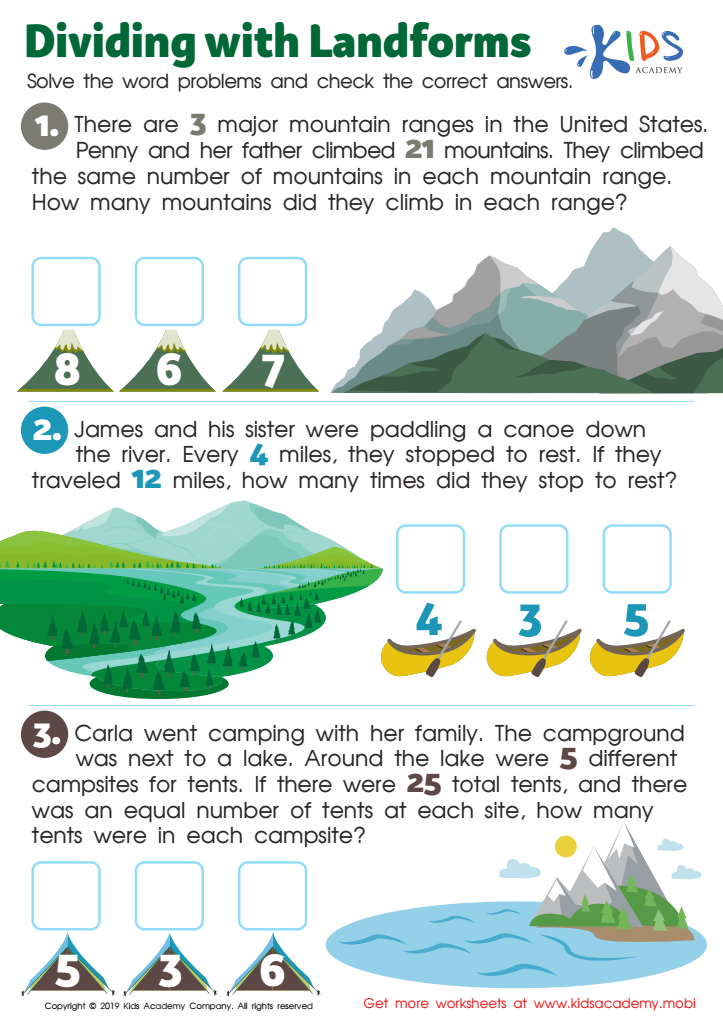
Dividing with Landforms




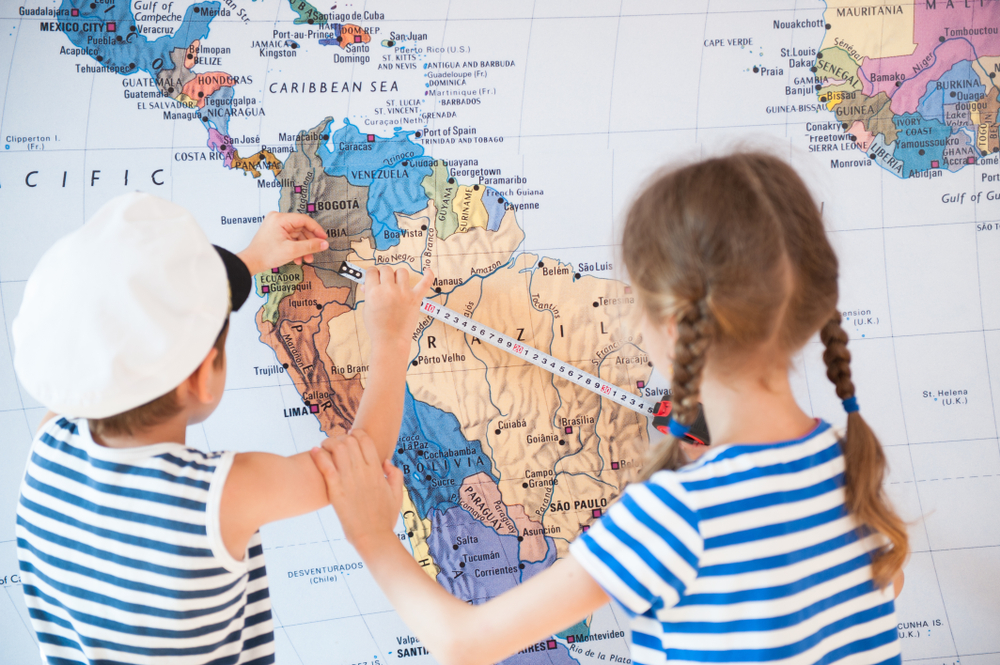



Understanding landforms is vital for young children, ages 5-9, because it broadens their awareness of the world around them and fosters a sense of curiosity and appreciation for nature. Introducing landforms in early education helps children recognize different features of the Earth's surface, such as mountains, valleys, rivers, and plateaus. These foundational concepts also support geography learning, making it easier for children to understand maps, directions, and the diverse landscapes they may encounter in stories or travels.
For parents and teachers, nurturing this understanding serves several developmental purposes. It enhances observational skills and critical thinking as children begin to identify and compare various landforms. Moreover, knowledge of landforms integrates with other subjects, such as science and social studies, fostering interdisciplinary learning. For instance, understanding that rivers flow downhill helps kids grasp basic principles of physics and earth sciences.
In addition, teaching landforms can inspire outdoor activities, encouraging physical exploration and connection with nature, which is essential for overall well-being. It also helps children develop spatial awareness, crucial for later learning experiences. By caring about and investing in the teaching of landforms, parents and teachers help create well-rounded, informed, and curious learners who appreciate the richness of the Earth's physical characteristics.








