Pattern recognition Normal 2D Shapes Worksheets for Ages 5-9
3 filtered results
-
From - To
Help your child master essential math skills with our Pattern Recognition Normal 2D Shapes Worksheets for Ages 5-9. Tailored for young learners, these engaging worksheets enhance your child's ability to identify, compare, and complete patterns using basic 2D shapes. Ideal for building a strong foundation in geometric concepts, each worksheet provides fun exercises that encourage critical thinking and problem-solving. Perfect for both classroom and at-home learning, these printables make math enjoyable. Foster your child's love for learning today and watch them excel in pattern recognition and geometric understanding! Download now from Kids Academy to get started.
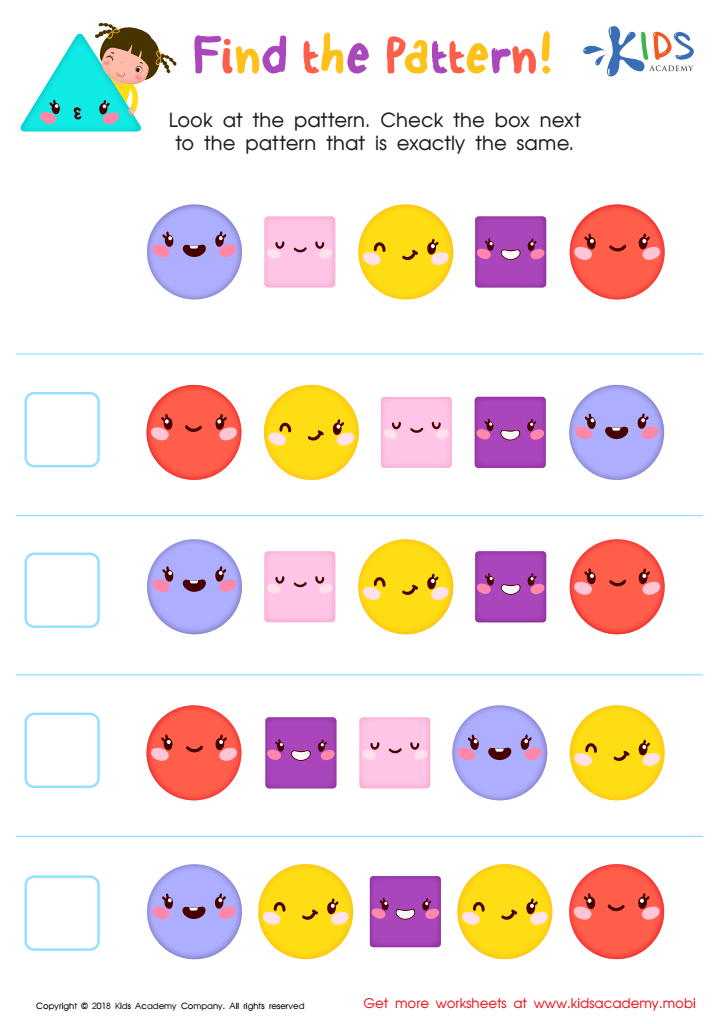
Find the Pattern Worksheet
 Assign to My Students



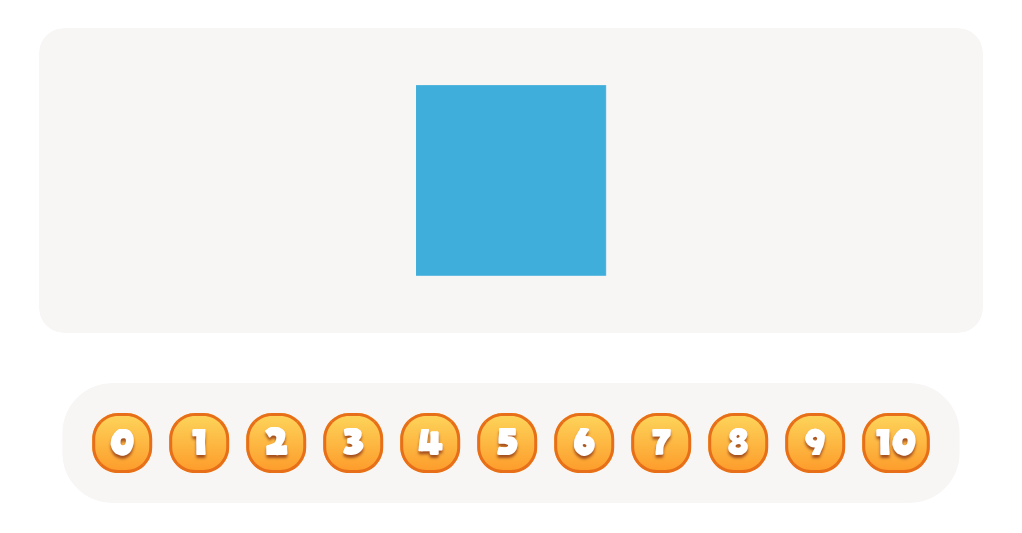


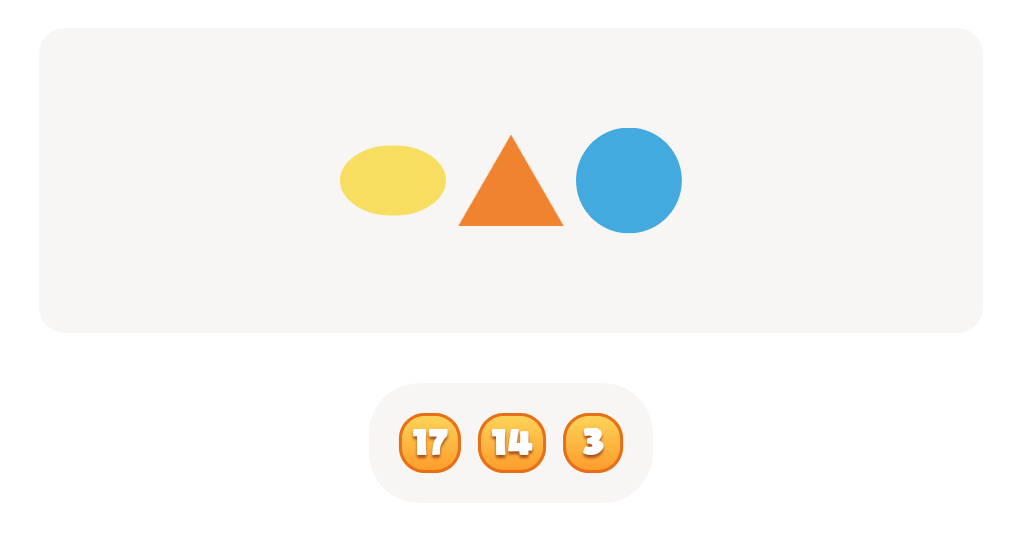
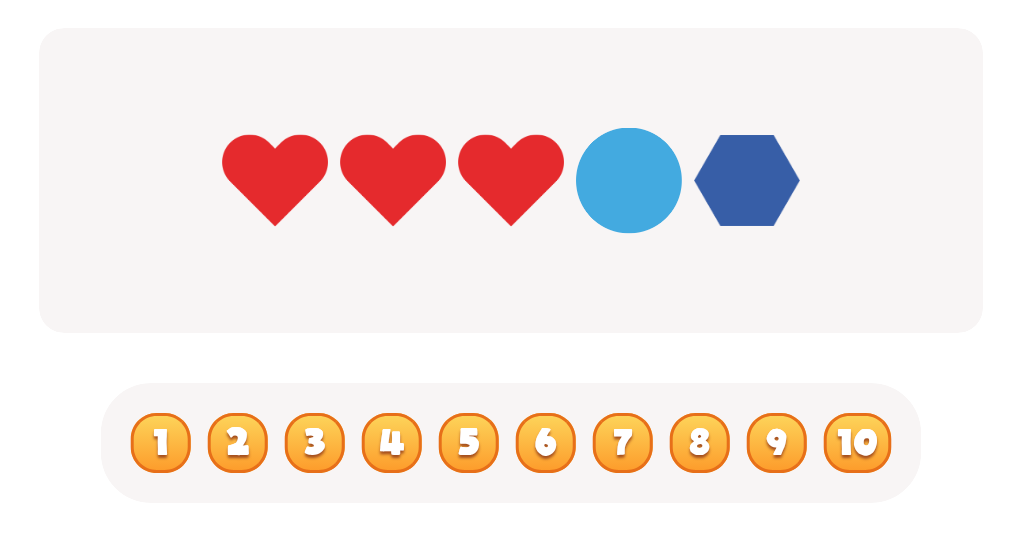

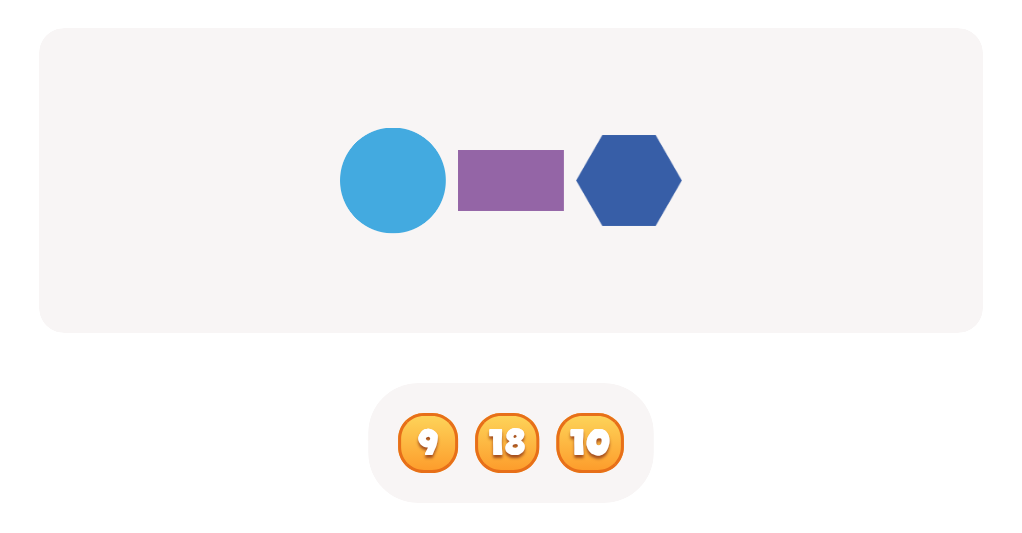

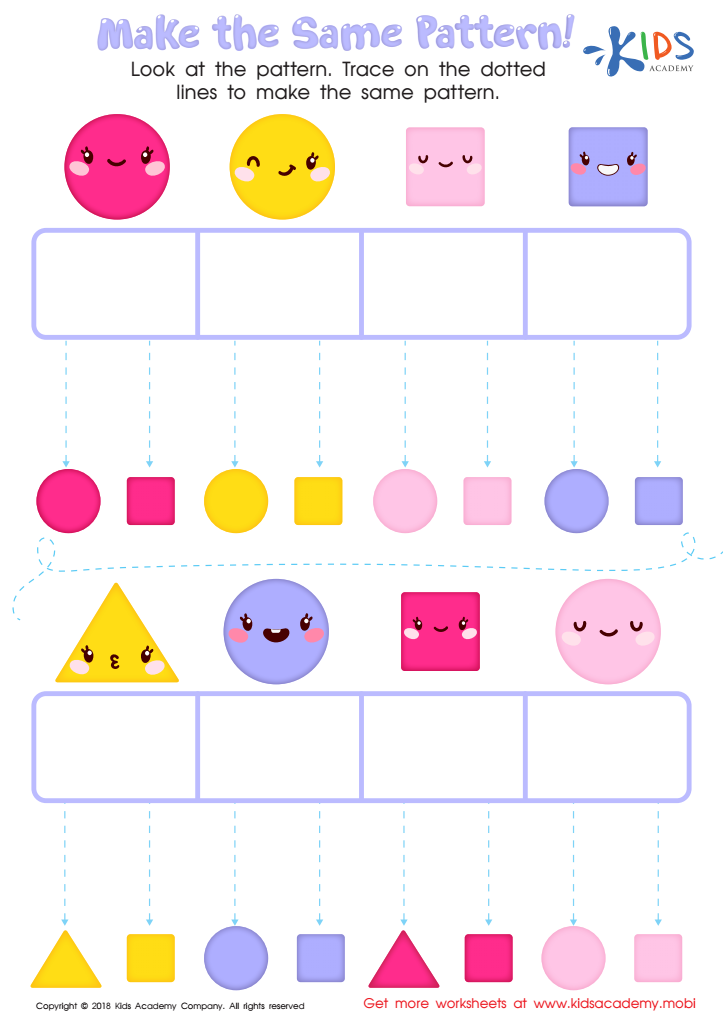
Make the Same Pattern Worksheet
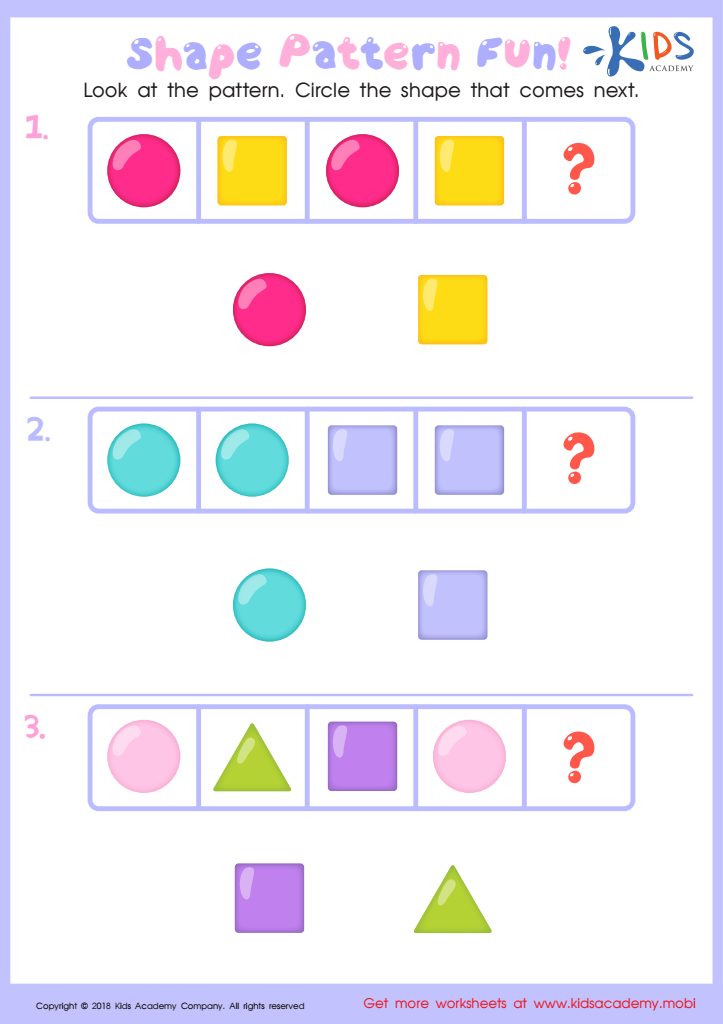
Shape Pattern Fun Worksheet








Pattern recognition and understanding 2D shapes are foundational elements of early childhood education that parents and teachers should emphasize for children aged 5-9. Comprehending patterns and shapes enhances a child's cognitive and mathematical development, which are crucial skills for academic success. When children learn to recognize and create patterns, they develop critical thinking and problem-solving abilities. These skills are essential not only in math but across all areas of learning, as patterns are fundamental components of reading, language development, and even music.
Understanding 2D shapes aids in developing spatial awareness and geometry skills. Recognizing different shapes helps children describe and understand the world around them. It lays the groundwork for more complex geometric concepts they will encounter in later grades, including symmetry, proportion, and spatial relationships.
Moreover, pattern recognition and shape identification bolster creativity and reasoning. When children recognize patterns, they learn to make predictions and connections, enhancing their logical thinking. Shape identification improves their observation skills and attention to detail.
Encouraging activities like sorting objects, playing with shape puzzles, and creating sequences equips children with essential developmental skills. Engaging in these exercises enriches their learning experience, making academic tasks in their future schooling more approachable and enjoyable. Ultimately, focusing on these skills sets a strong foundation for lifelong learning and problem-solving.