Problem-Solving Skills Normal Comparing Numbers Worksheets for Ages 5-9
4 filtered results
-
From - To
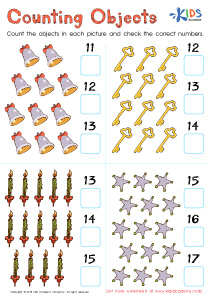
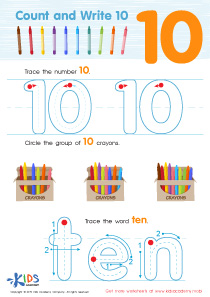
Our "Problem-Solving Skills Normal Comparing Numbers Worksheets for Ages 5-9" are thoughtfully designed to help young learners master number comparison while boosting their critical thinking. Perfect for classrooms or home practice, these worksheets engage children with a variety of fun activities that make learning enjoyable. Each worksheet encourages kids to compare numbers, identify greater or lesser values, and solve simple math problems, enhancing their problem-solving abilities. Ideal for children aged 5-9, our resources support key mathematics standards, laying a strong foundation for future math success. Download now to make math learning an exciting adventure!
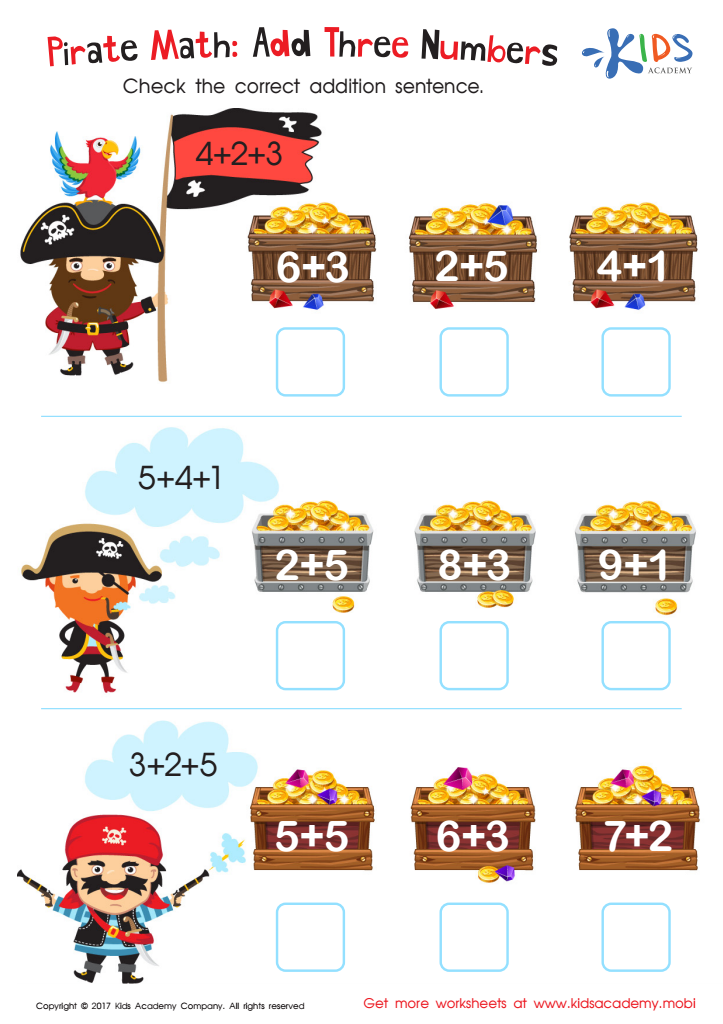
Pirate Math Printable
 Assign to My Students
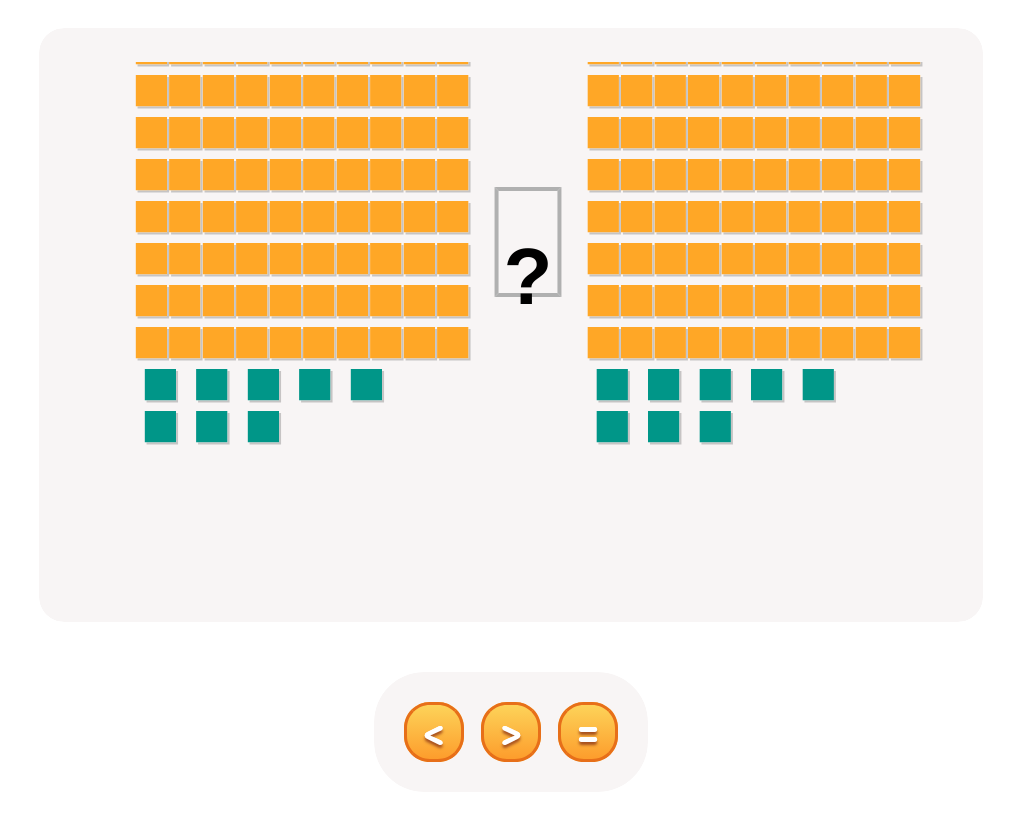

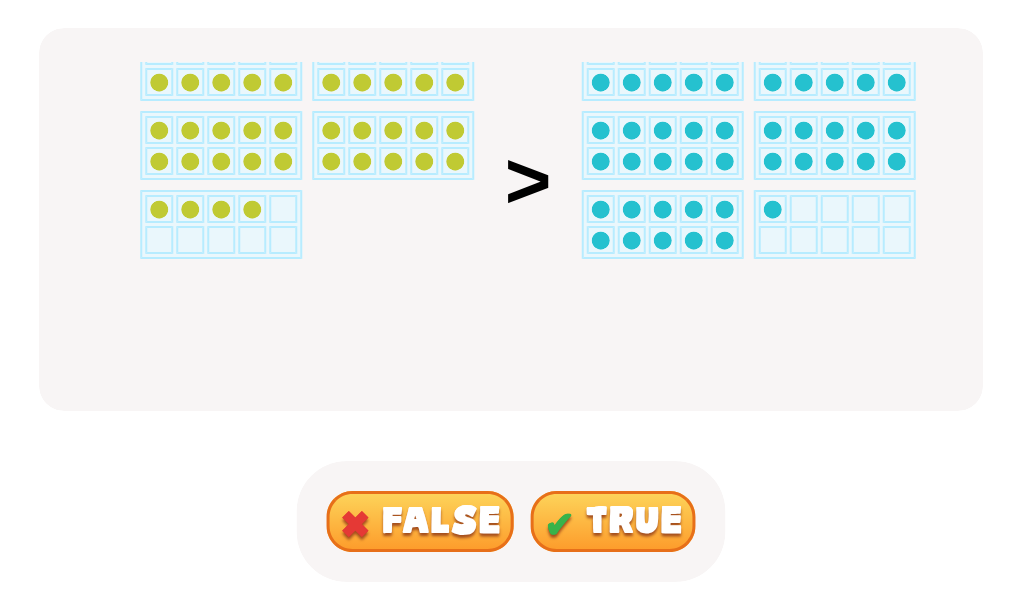
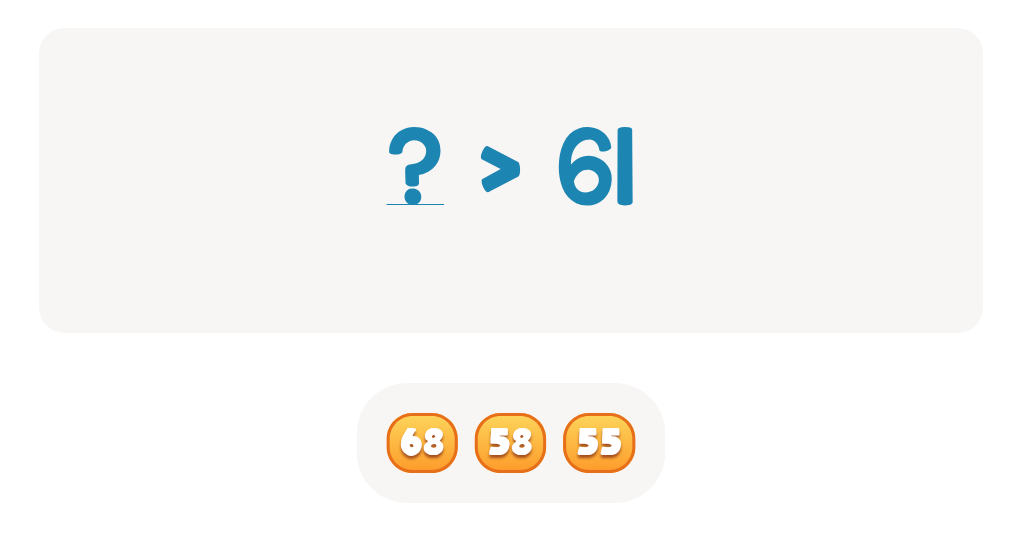
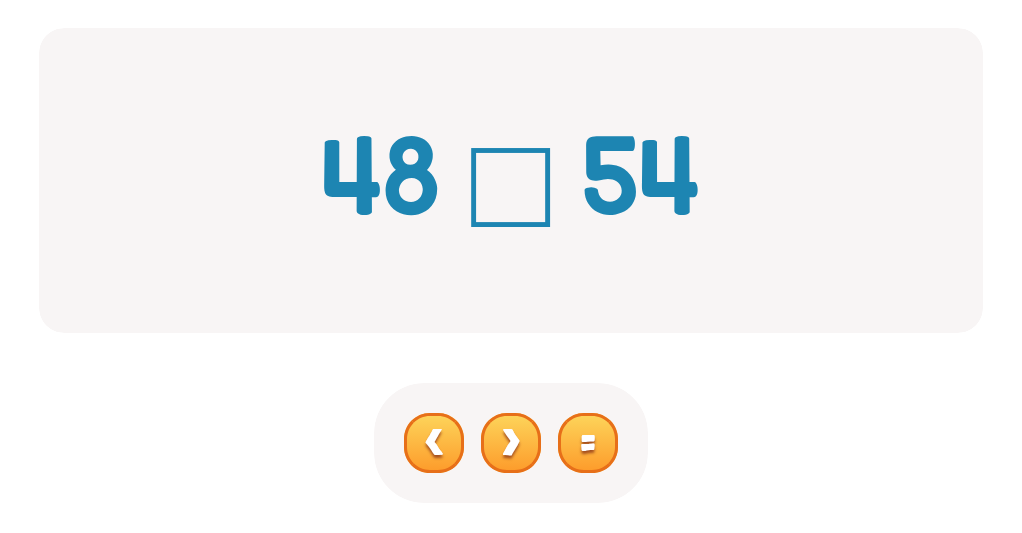
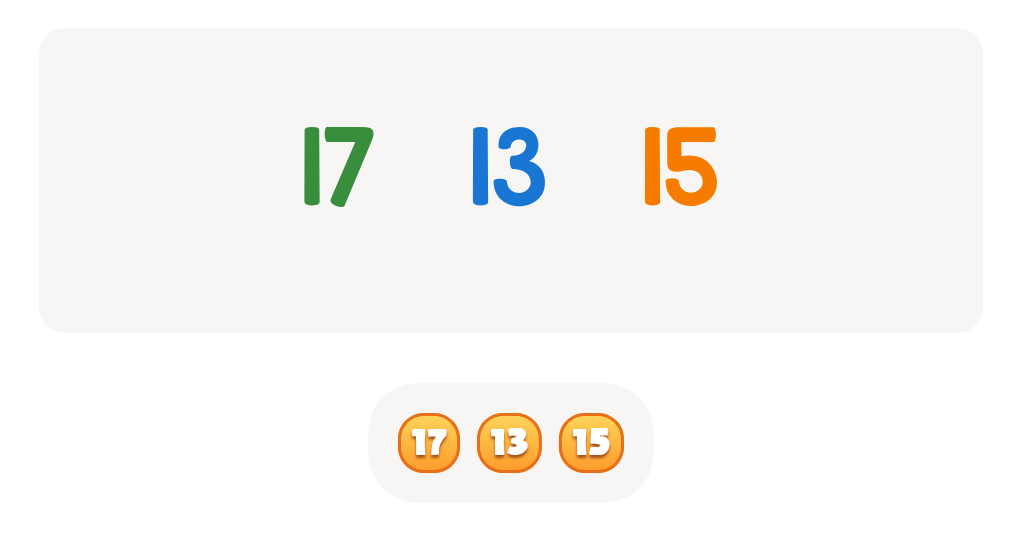
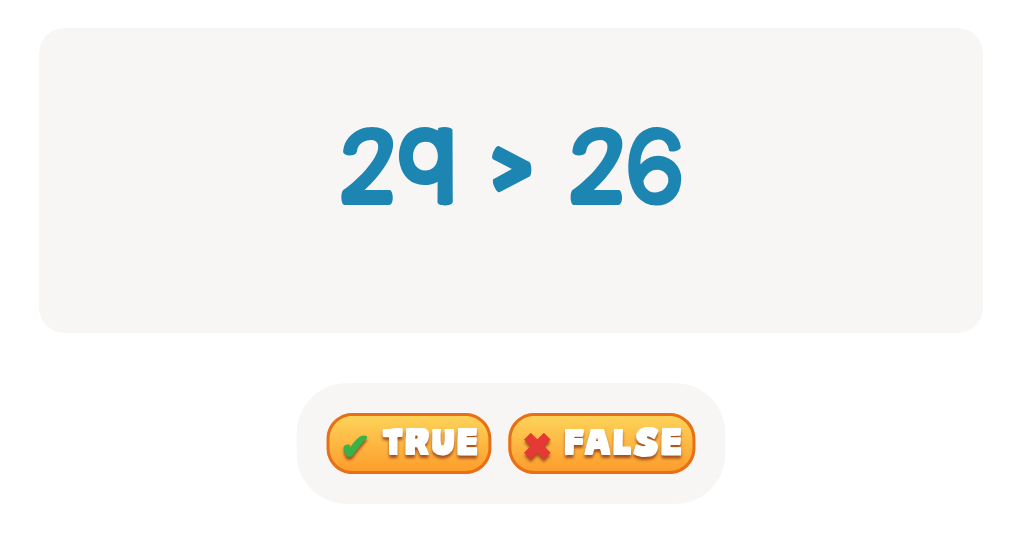
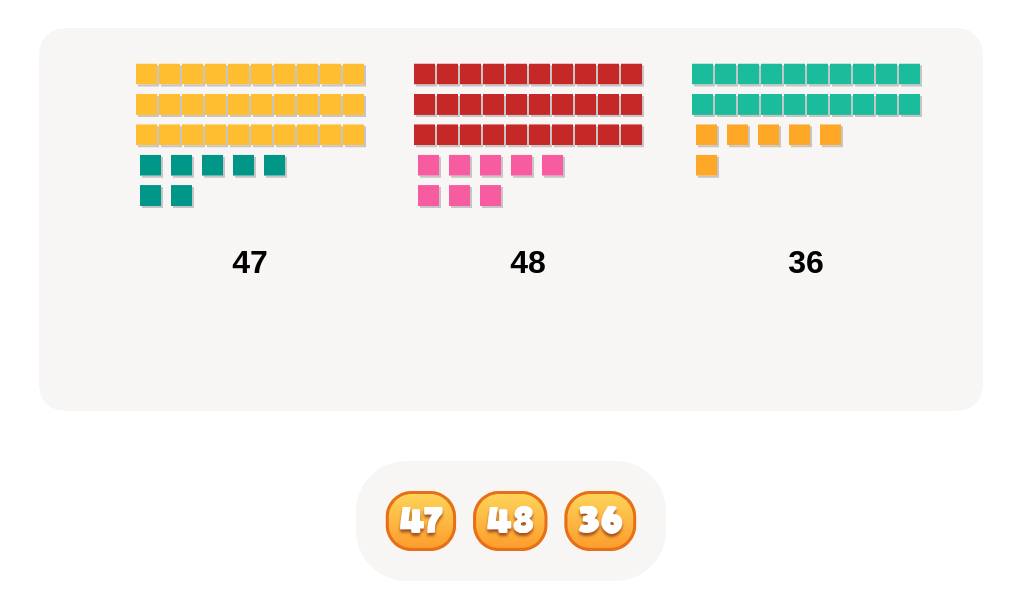
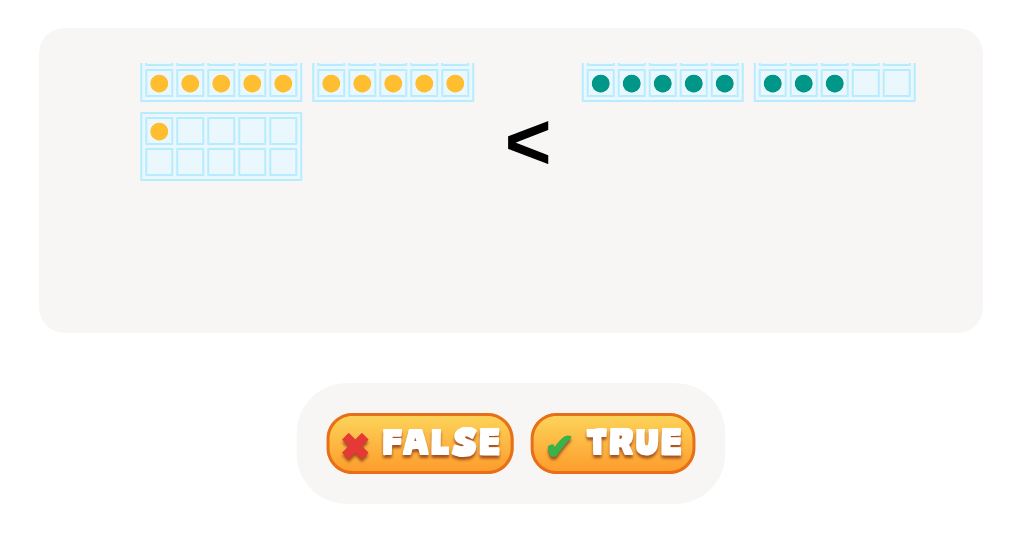
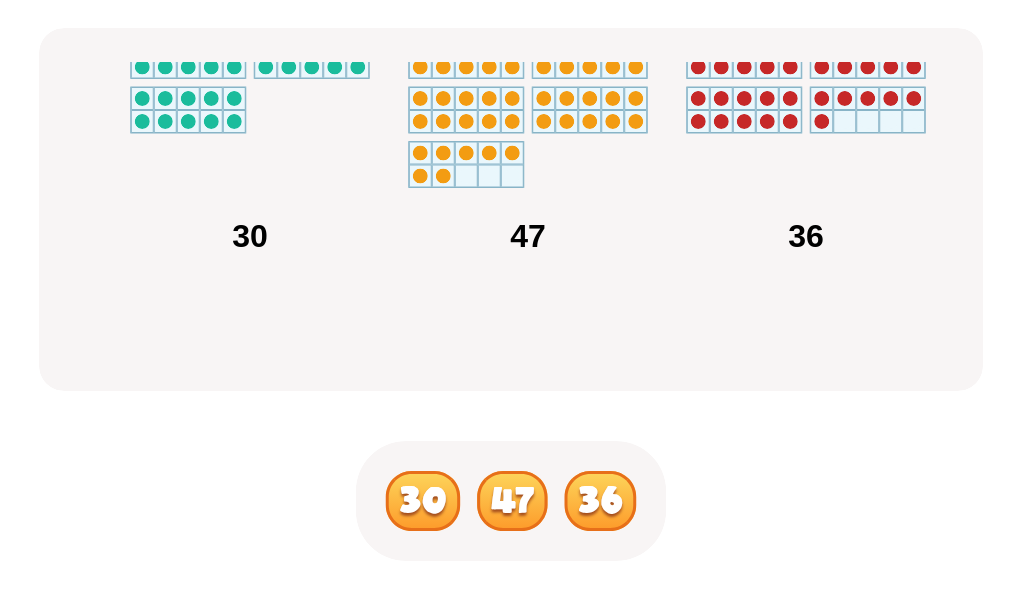
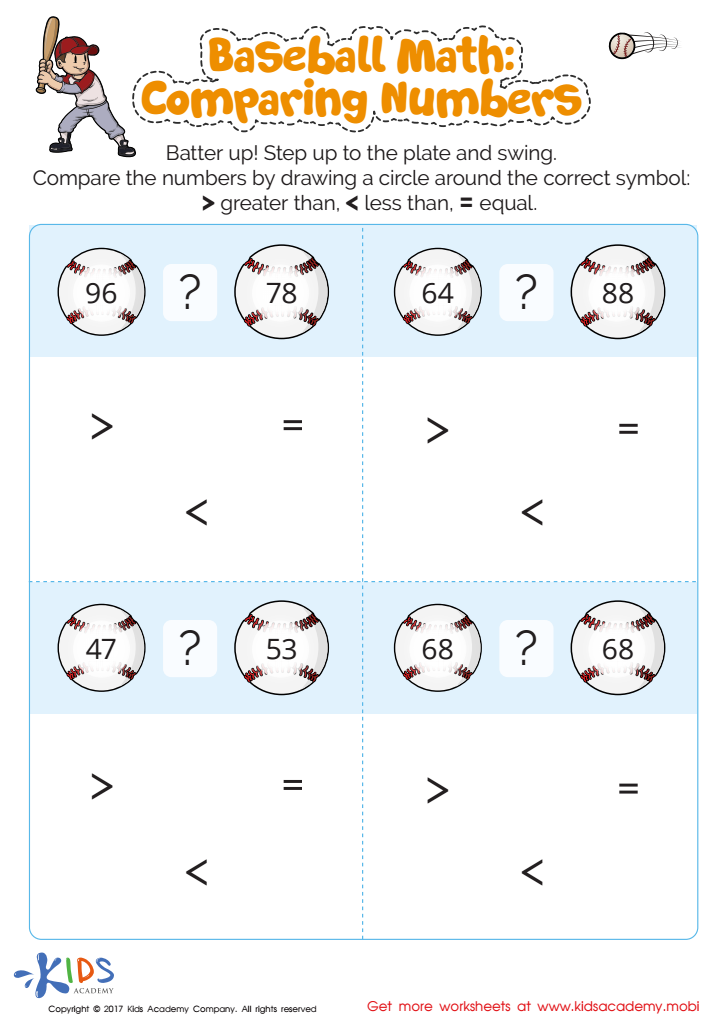
Compare Numbers Printable
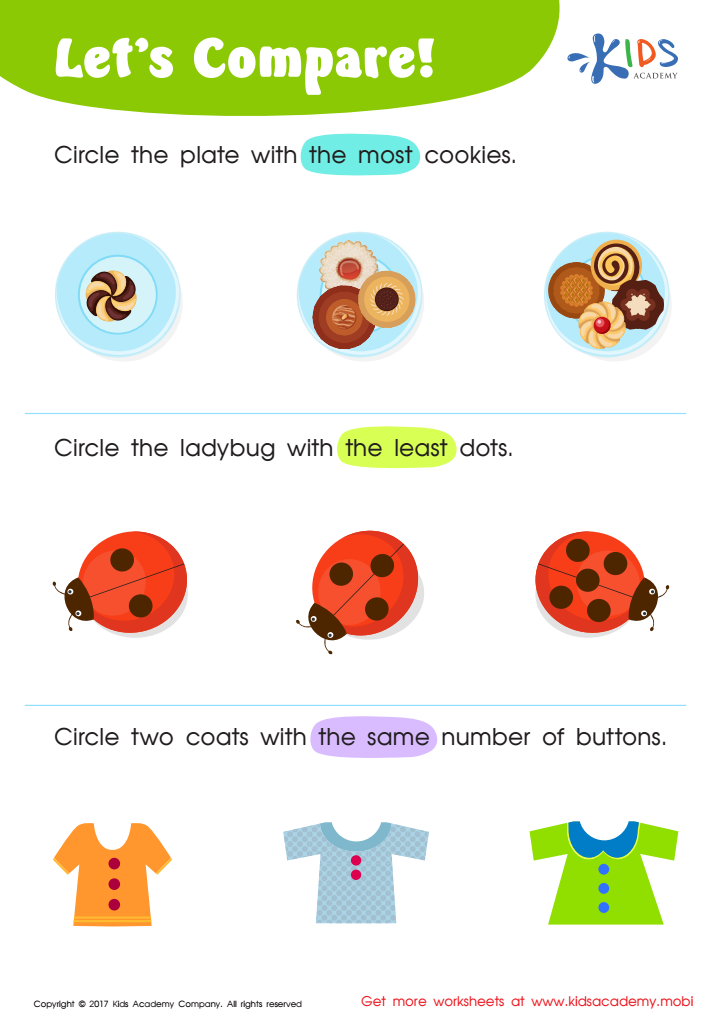
Matching: Classifying Toys by Size Worksheet
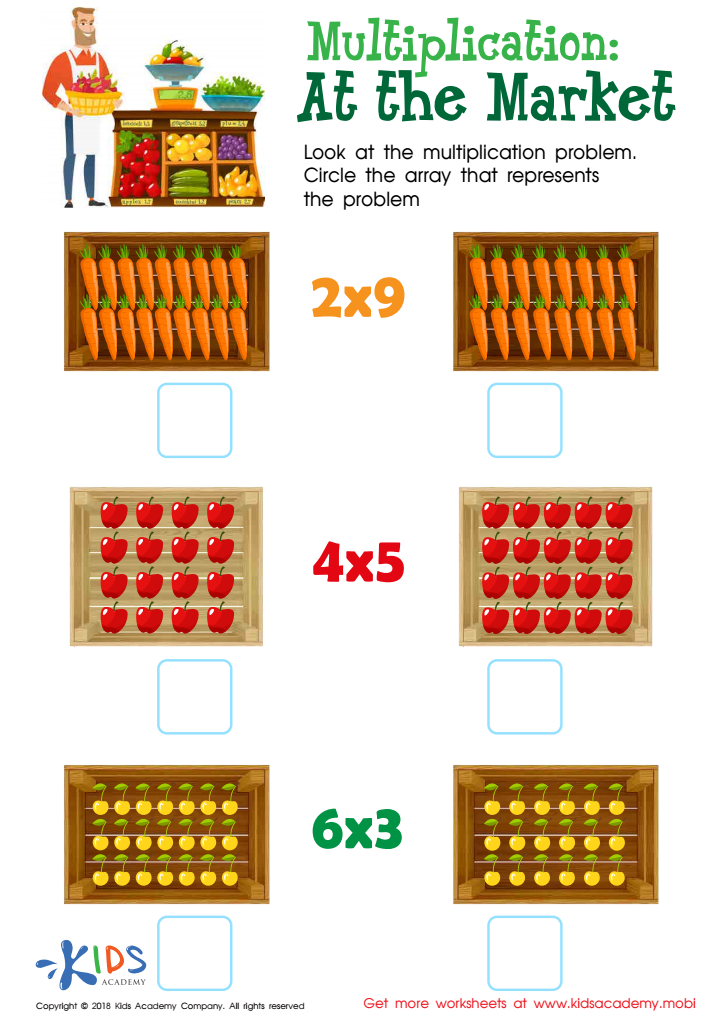
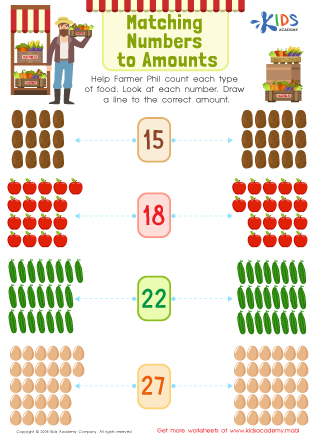
At the Market Worksheet








Problem-solving skills and the ability to compare numbers are essential foundational concepts for young learners aged 5-9, playing a crucial role in their overall cognitive development. At this age, children are naturally curious and are developing the capacity to think critically and logically. When parents and teachers emphasize problem-solving skills, they foster a child's ability to approach challenges methodically, think critically, and develop resilience. These skills are not only vital for academic success but also for everyday decision-making and social interactions.
Comparing numbers, an integral component of early math education, helps children make sense of quantities and their relationships. By understanding greater than, less than, and equal to concepts, children begin to develop number sense—which is central to more advanced mathematical concepts such as addition, subtraction, and place value.
Furthermore, engaging in activities that nurture these skills can improve a child's confidence in tackling new tasks, enhance creativity, and promote independence. For example, elementary games or collaborative class projects that involve problem-solving can make learning enjoyable while reinforcing these concepts. Early mastery in comparing numbers aids in more complex math learning and problem-solving skills shape critical and analytical thinking necessary for lifelong learning. Collectively, focusing on these areas contributes significantly to a child's holistic growth and academic preparedness.