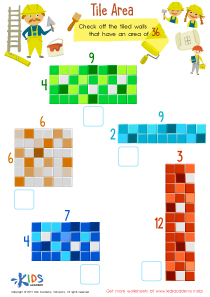
Color Identification Normal Numbers Worksheets for Ages 5-9
4 filtered results
-
From - To
Discover our engaging "Color Identification Normal Numbers Worksheets" designed for children aged 5-9. These worksheets provide a fun and interactive way for young learners to master color names while simultaneously identifying numbers. By seamlessly blending color recognition with numerical skills, students enhance their cognitive abilities and creativity. Each worksheet is thoughtfully crafted with vibrant illustrations and simple instructions, making learning enjoyable and accessible. Ideal for home or classroom use, these resources promote independent learning and reinforce foundational math concepts. Help your child develop essential skills in a playful and colorful environment with our expertly designed worksheets. Start coloring and calculating today!
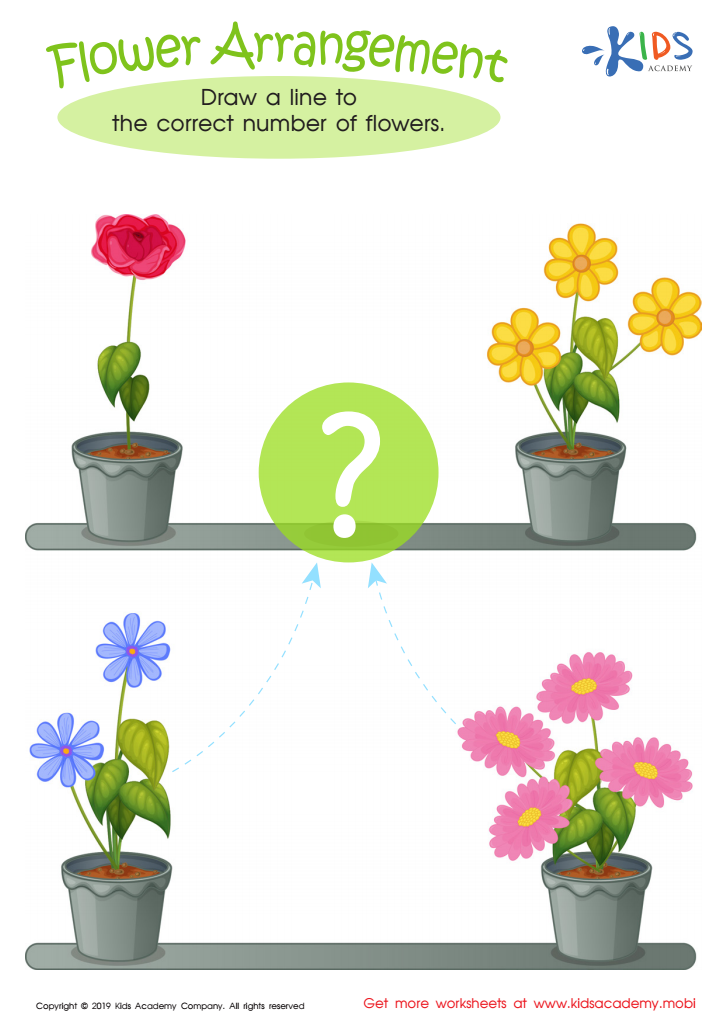
Flower Arrangement Worksheet
 Assign to My Students
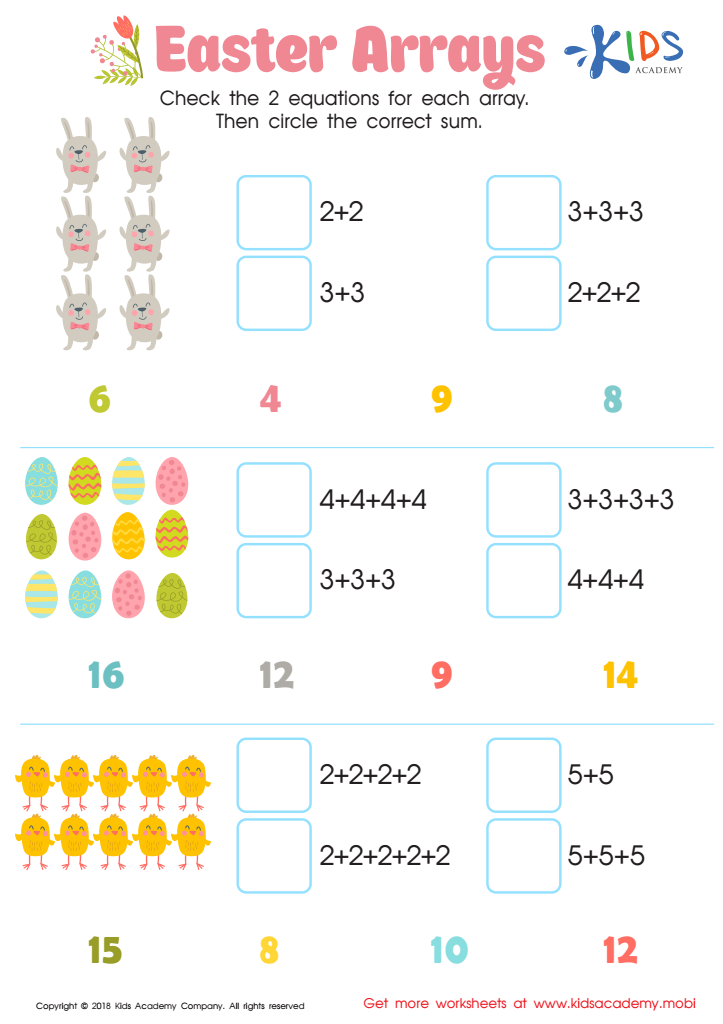
Easter Arrays Worksheet
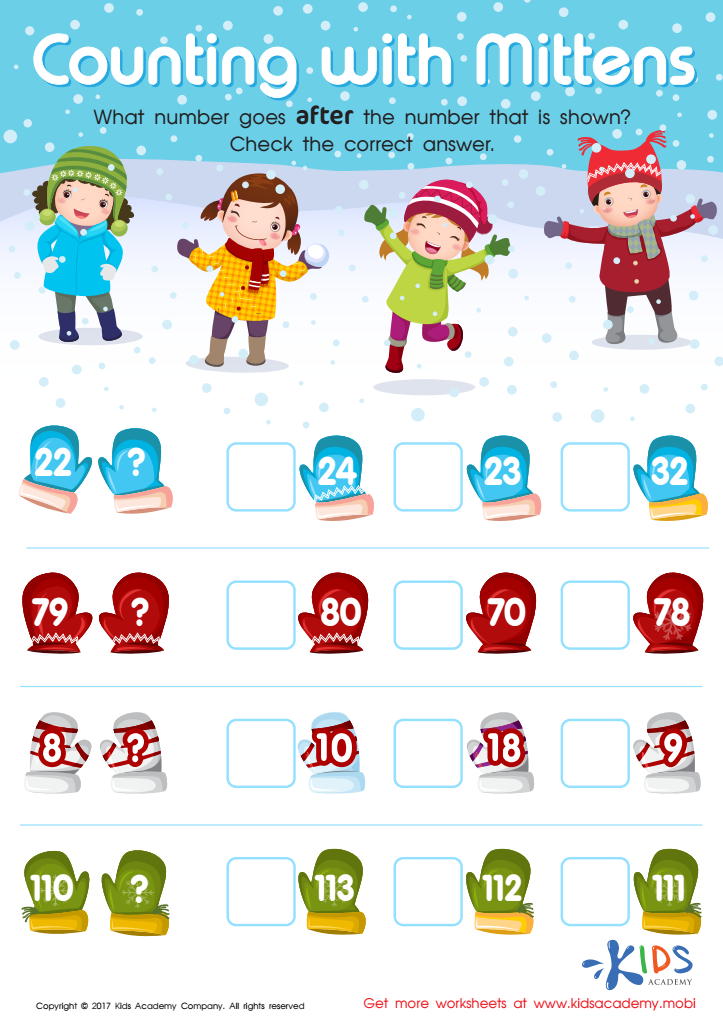
Counting with Mittens Worksheet
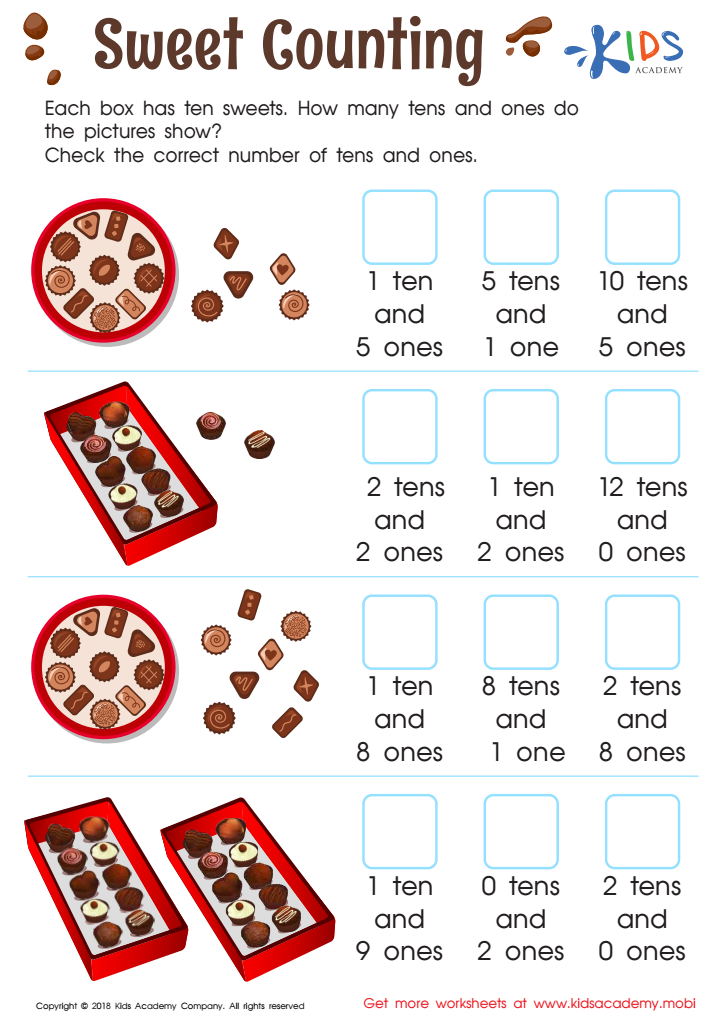
Sweet Counting - Part 2 Worksheet








Color identification and understanding of normal numbers are essential skills for children aged 5-9 years, serving as foundational elements for their cognitive development.
Firstly, recognizing colors enhances a child’s ability to organize and categorize the world around them, fostering creativity and communication. Color identification allows children to express their preferences, thereby boosting their self-esteem and helping them tell stories or convey emotions.
In addition, learning normal numbers plays a crucial role in developing mathematical literacy. This age group begins to grasp essential concepts such as counting, number recognition, addition, and subtraction. Mastery of normal numbers sets the stage for future mathematical skills, enabling better problem-solving abilities in everyday life and academics.
Teachers and parents should care because early mastery of these concepts leads to heightened academic performance and social skills. Engaging children in activities that combine color recognition with numerical activities creates a stimulating learning environment, making education enjoyable and effective. Moreover, these skills promote inclusivity as they serve as a conduit for communication among peers. In nurturing these fundamental abilities, adults contribute to building a more confident, competent, and socially aware generation of learners.