Attention to Detail Normal Math Worksheets for Ages 5-9
3 filtered results
-
From - To
Enhance your child's math skills and attention to detail with our "Attention to Detail Normal Math Worksheets for Ages 5-9." These engaging worksheets are designed to make learning math fun and effective. Tailored for young learners, they focus on building critical skills such as number recognition, pattern identification, and logical reasoning. Each worksheet is crafted to captivate children’s interest while challenging them to observe closely and solve problems accurately. Perfect for use at home or in the classroom, these resources support academic growth and boast a delightful mix of colorful illustrations and practical exercises.
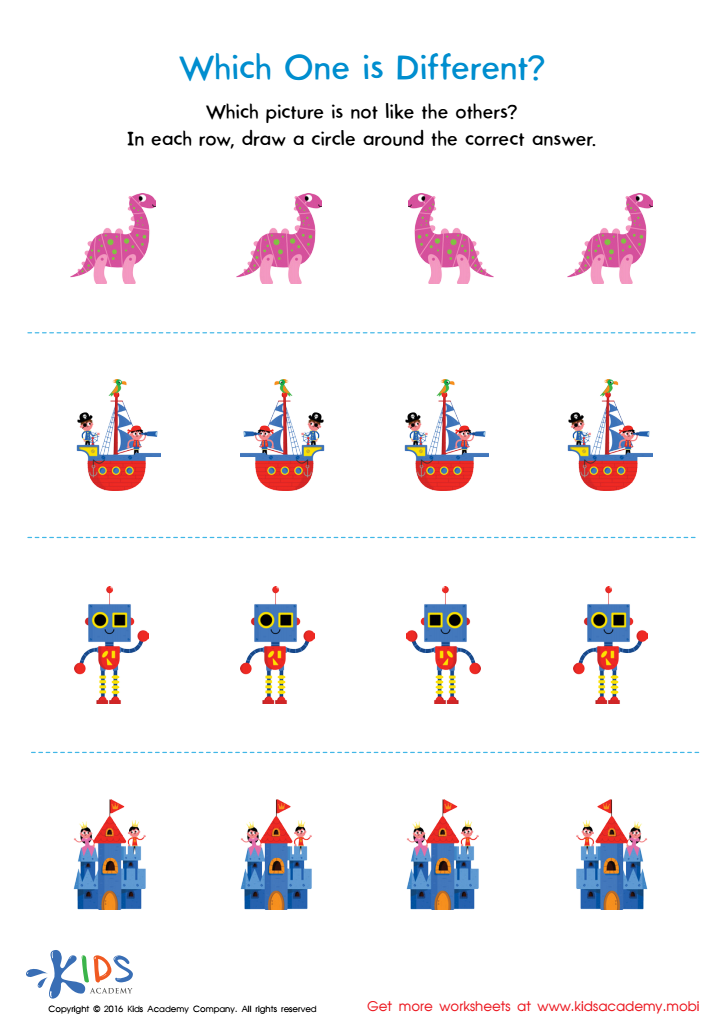
Which One Is Different Worksheet
 Assign to My Students
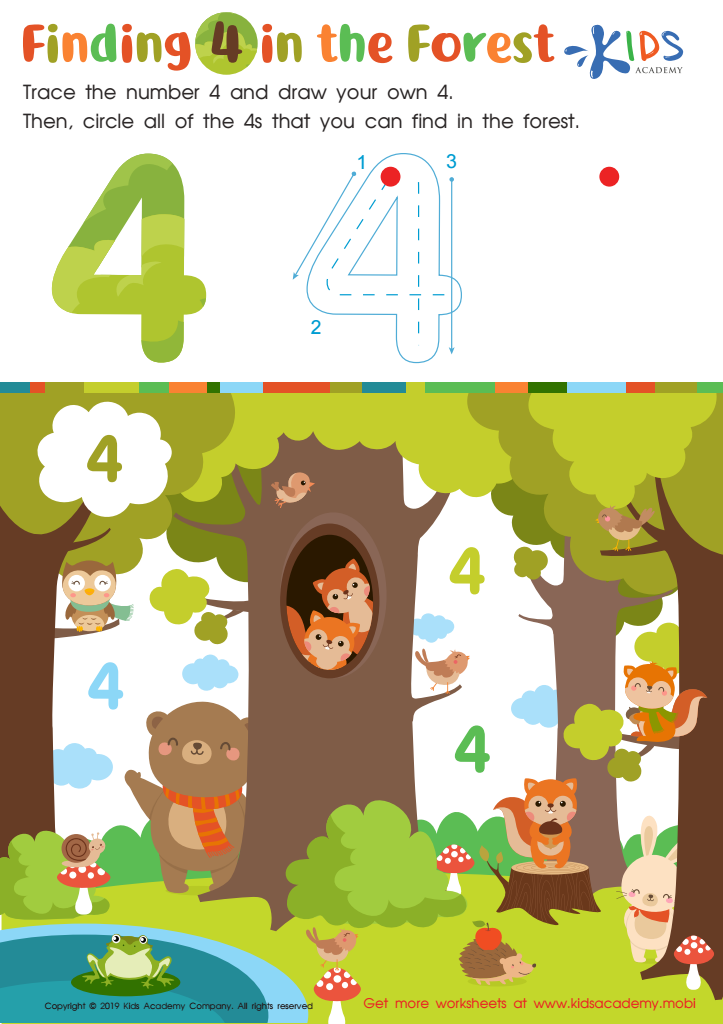
Finding 4 in the Forest Worksheet
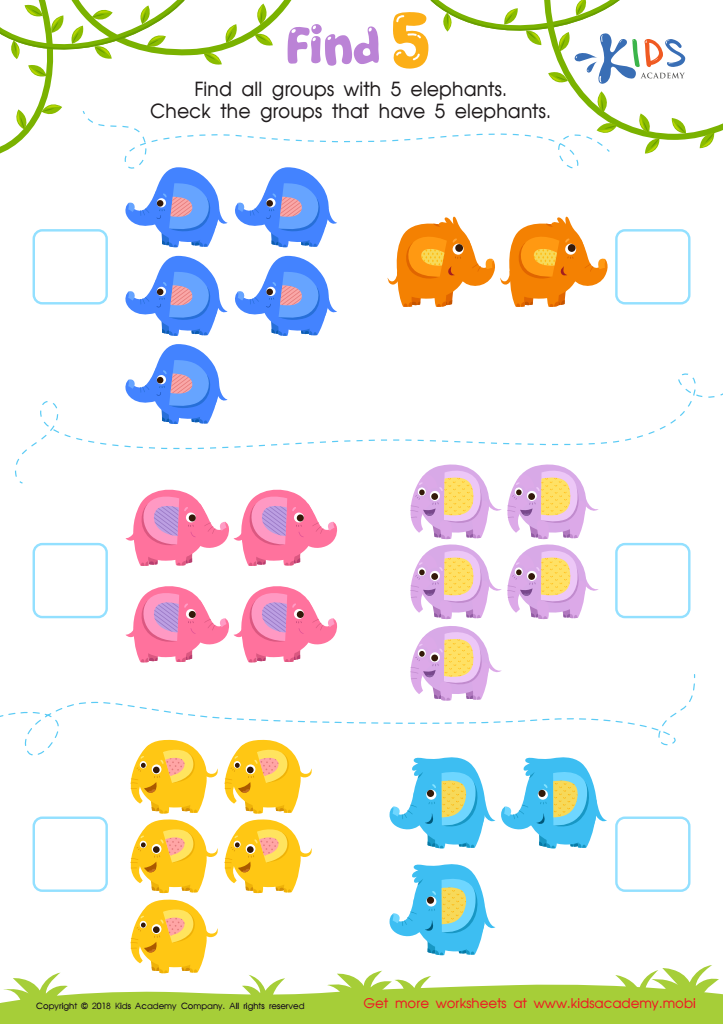
Find 5 Worksheet








Attention to detail in early mathematics is crucial for children aged 5-9, as it lays the foundation for future academic success and day-to-day problem-solving skills. At this formative stage, math is more than just numbers; it helps young learners develop logic, pattern recognition, and critical thinking.
For parents and teachers, fostering attention to detail can prevent small mistakes from becoming bad habits. For example, missing a single digit or misaligning numbers can lead to bigger errors in calculations. These early mistakes can accumulate, making math a struggle as children progress to more complex topics.
Furthermore, math proficiency builds confidence. When children are given the tools to focus and double-check their work, they are more likely to succeed. This breeds a positive attitude towards learning, which can translate into a lifelong love for the subject.
Additionally, math skills are directly applicable to everyday life, from telling time to managing money. By teaching children to pay close attention to details early on, we prepare them for real-world tasks requiring accuracy.
Parents and teachers play a pivotal role by providing an environment that encourages carefulness, using tools like puzzles, games, and exercises focused on detail. In sum, attention to detail in early math equips children with essential skills that serve them throughout their lives.








