Handwriting Skills Normal Math Worksheets for Ages 5-9
3 filtered results
-
From - To
Enhance your child's handwriting skills with our engaging Normal Math Worksheets designed for ages 5-9. These worksheets combine essential math concepts with fun writing exercises, helping children develop neat penmanship while reinforcing their understanding of numbers and calculations. Each printable activity focuses on letter formations, number writing, and math problem-solving in a playful manner, ensuring a well-rounded learning experience. Ideal for both classroom and home use, our resources support early literacy and numeracy skills, preparing young learners for future academic success. Download and watch your child gain confidence in their handwriting and math abilities today!
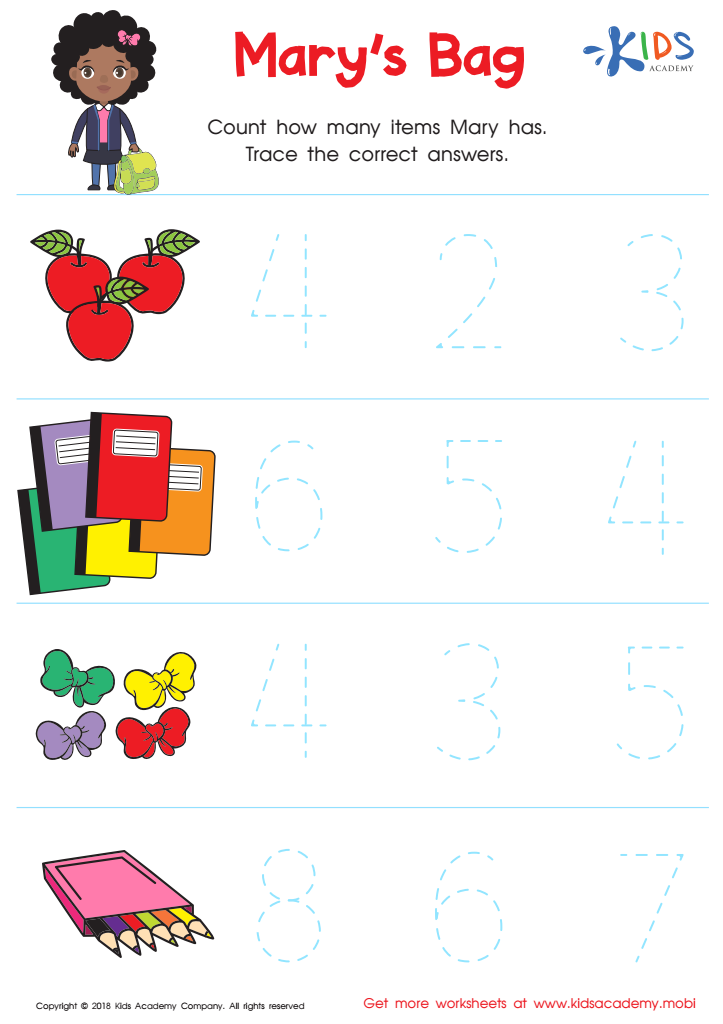
Kindergarten Number Tracing: Mary's Bag Worksheet
 Assign to My Students
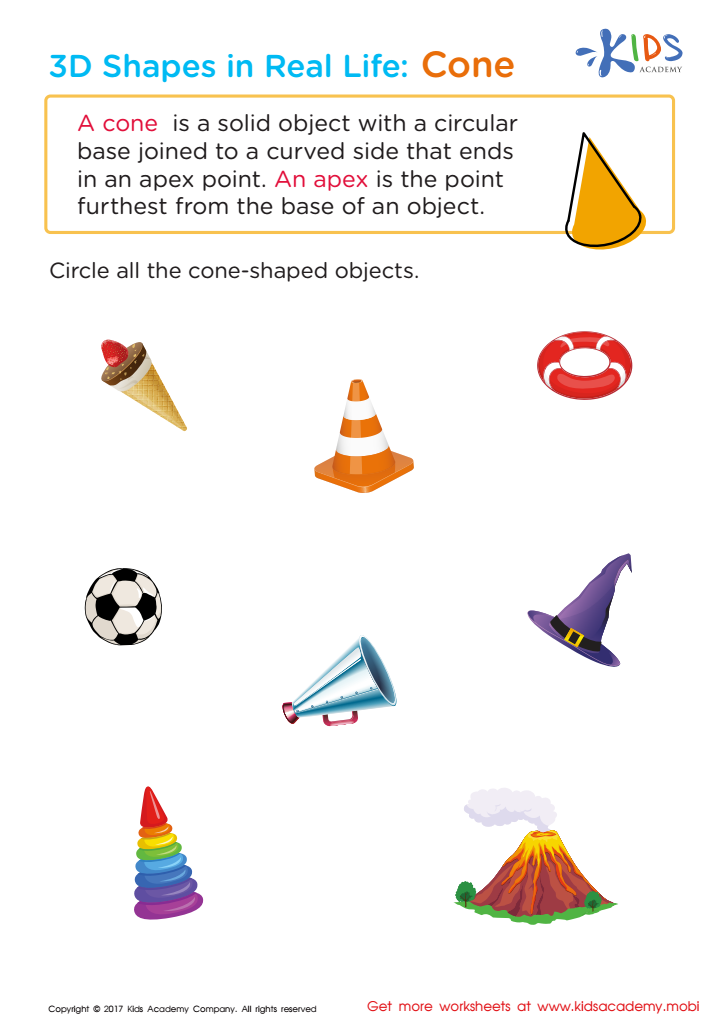
Shapes in Real Life: Cone Worksheet
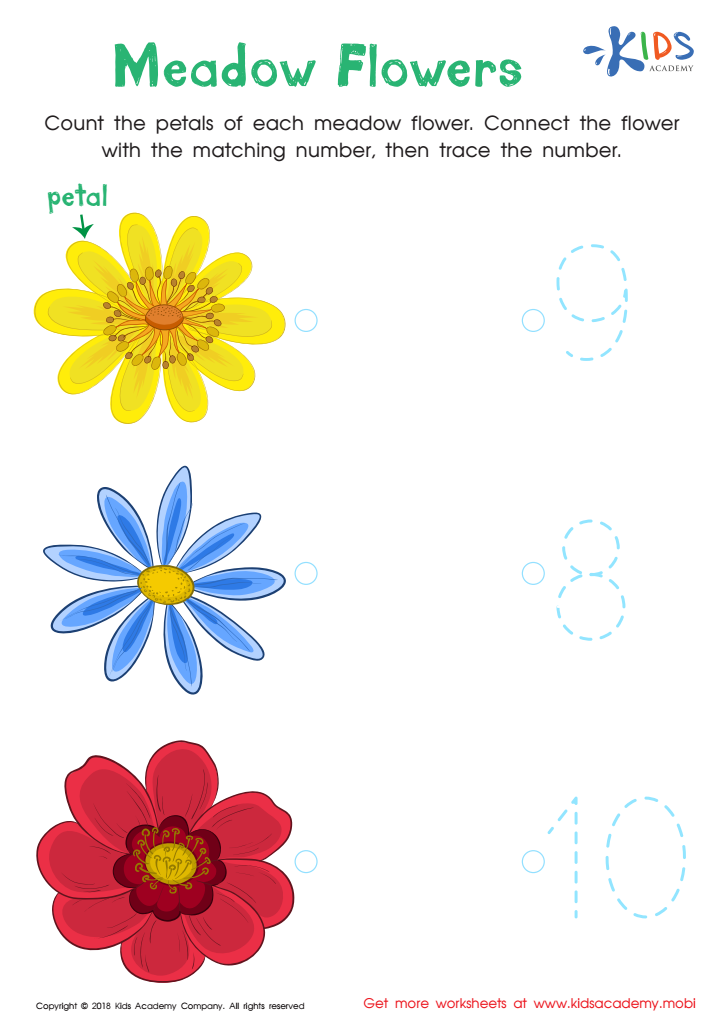
Kindergarten Number Tracing: Medow Flowers Worksheet







Handwriting skills are crucial for children aged 5-9 as they form the foundation for effective communication and academic success. During these formative years, children are transitioning from learning letters and numbers to writing complete words, sentences, and performing basic math operations. Good handwriting enhances their ability to express thoughts clearly and organize information efficiently. As they learn to write, fine motor skills develop, leading to better coordination and control over various tasks.
Moreover, legible handwriting is vital for math, especially during this stage when children work with numbers, basic addition, subtraction, and simple problem solving. If a child’s numbers and calculations are difficult to read due to poor handwriting, it can lead to misunderstandings and mistakes, hindering math comprehension.
Teachers and parents play a significant role in encouraging handwriting practice, integrating it into daily activities. Offering guidance, resources, and positive reinforcement fosters a child's confidence and motivation. Ultimately, strong handwriting skills not only aid in math but also promote a child’s overall learning experience, pave the way for effective communication, and instill a sense of pride in their work. Investing in handwriting skills during these years lays the groundwork for future academic achievements and lifelong learning.








