Learning addition Normal Math Worksheets for Ages 5-9
4 filtered results
-
From - To
Welcome to our "Learning Addition Normal Math Worksheets" designed specifically for children ages 5-9! Our engaging and interactive worksheets make learning addition fun and effective. Explore a variety of exercises that cater to different skill levels, helping to build a strong foundation in math. Each worksheet includes colorful illustrations and appealing layouts to capture young learners’ attention. Foster essential addition skills with structured practice that reinforces concepts through hands-on activities. Ideal for both classroom use and home practice, our worksheets are easily printable and align with educational standards. Start your child's math journey today with our delightful addition worksheets!
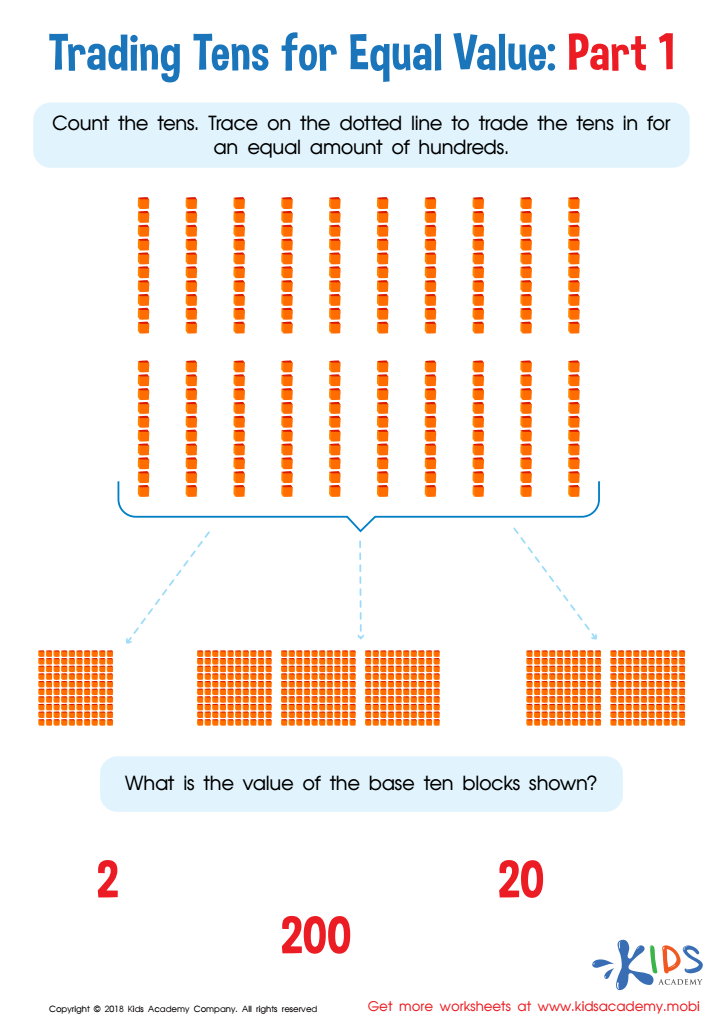
Trading Tens for Equal Value Worksheet: Part 1
 Assign to My Students
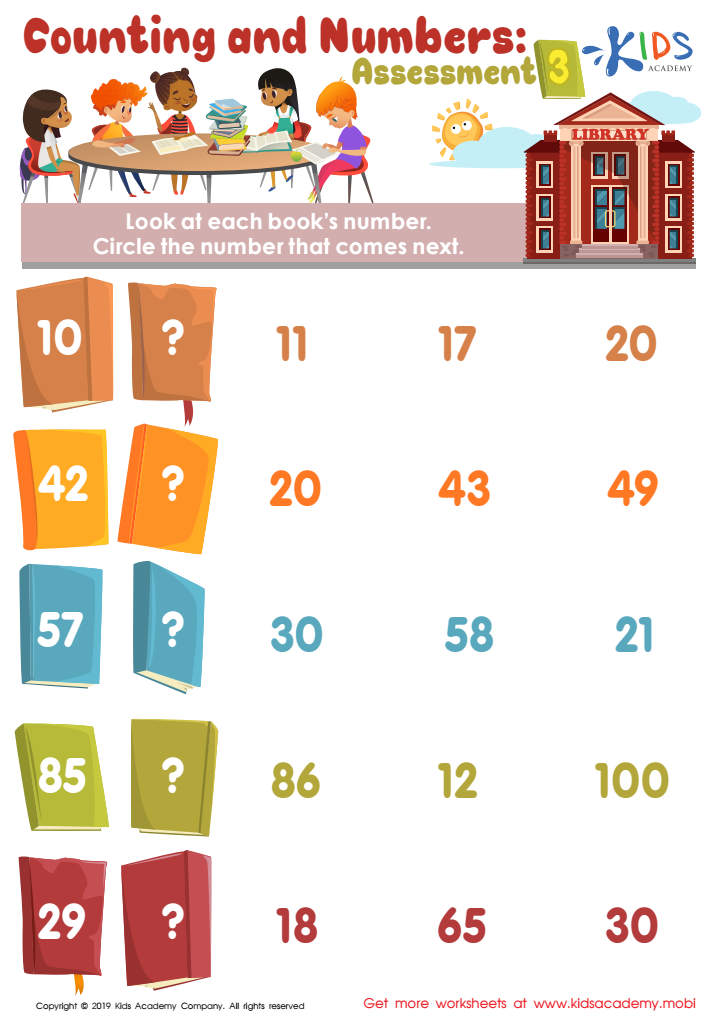
Counting and Numbers: Assessment Worksheet
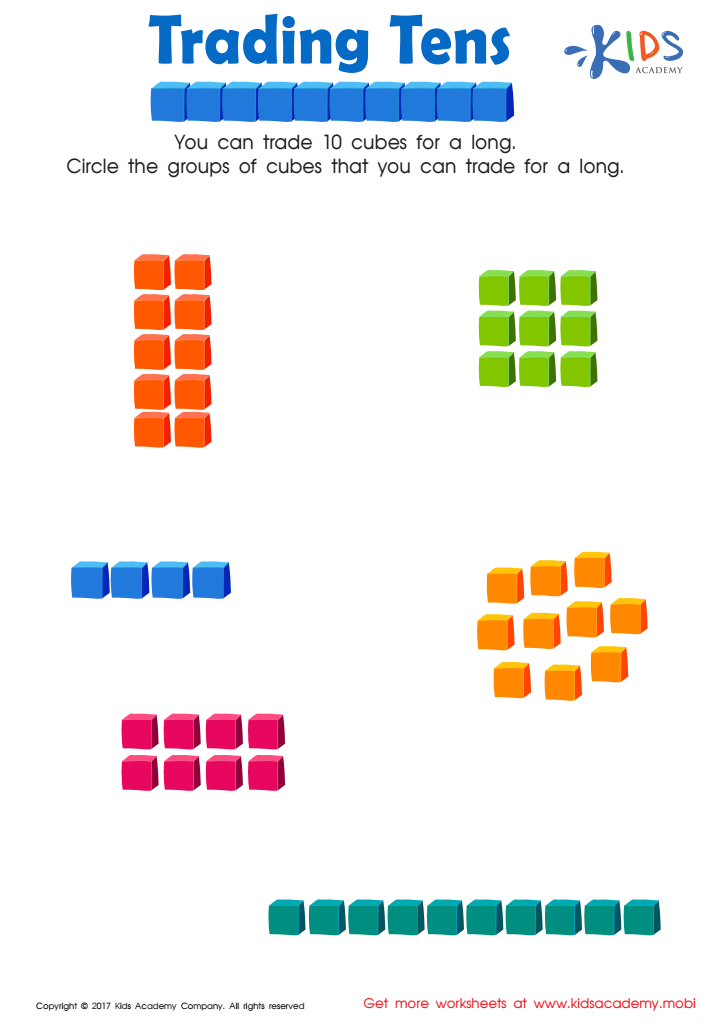
Trading Tens Worksheet
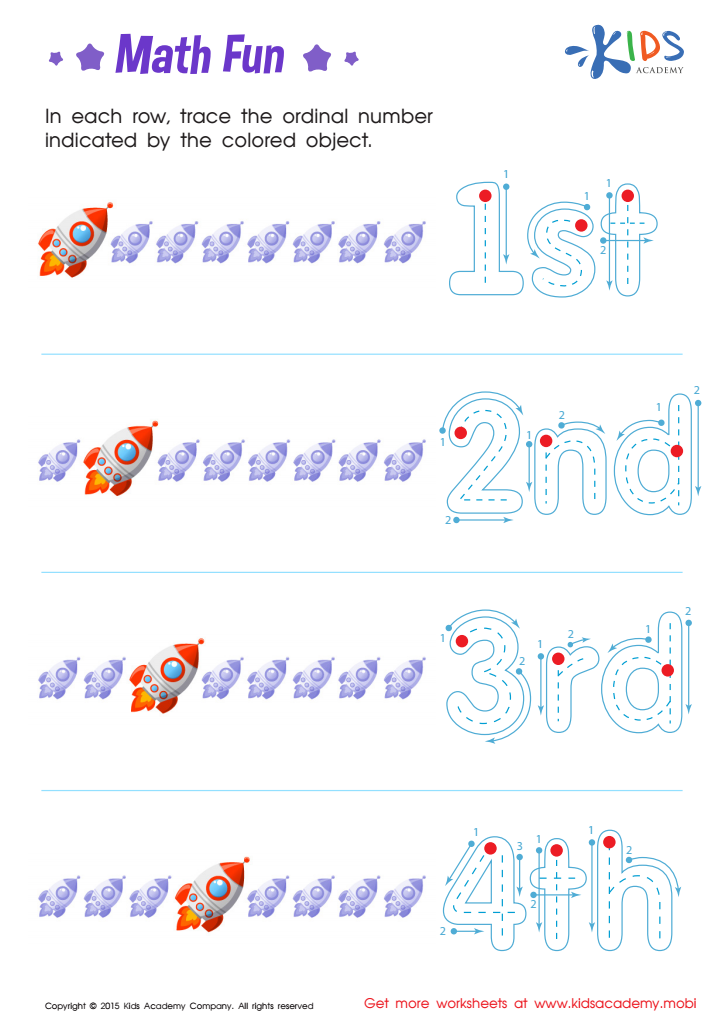
Ordinal Numbers: Math Fun Worksheet








Learning addition is a foundational skill essential for children's cognitive development and success in future academic pursuits. For children aged 5-9, mastering addition not only facilitates their understanding of math concepts but also enhances critical thinking and problem-solving abilities. During these formative years, children are particularly receptive to new information and concepts, and fostering a strong foundation in addition can build their confidence and positive attitude toward learning.
Parents and teachers should care about teaching addition effectively because it is not just about numbers; it helps develop essential skills like estimation and logical reasoning. Additionally, mastering addition equips children with practical life skills, such as budgeting and measuring, that they will use daily. Engaging children in fun and interactive methods, such as games and hands-on activities, can make learning addition enjoyable, facilitating a love for math.
Moreover, children who struggle with addition may face challenges in more advanced topics, potentially leading to frustration and a negative attitude toward math. Therefore, by providing robust addition instruction during these crucial years, parents and teachers play a critical role in ensuring that children have the tools they need for academic success and life-long learning.








