Visual discrimination Normal Matching Worksheets for Ages 5-9
3 filtered results
-
From - To
Discover our engaging Visual Discrimination Normal Matching Worksheets designed for children aged 5-9. These worksheets help young learners enhance their visual skills by encouraging them to identify similarities and differences between various images. Perfect for early education settings, these activities foster critical thinking and attention to detail while making learning fun. Each worksheet is tailored to keep students motivated, paving the way for mastery in visual identification. Teachers and parents can easily download and print these resources, providing a convenient and effective tool for skill development. Empower your child’s learning journey with our vibrant and interactive matching worksheets today!
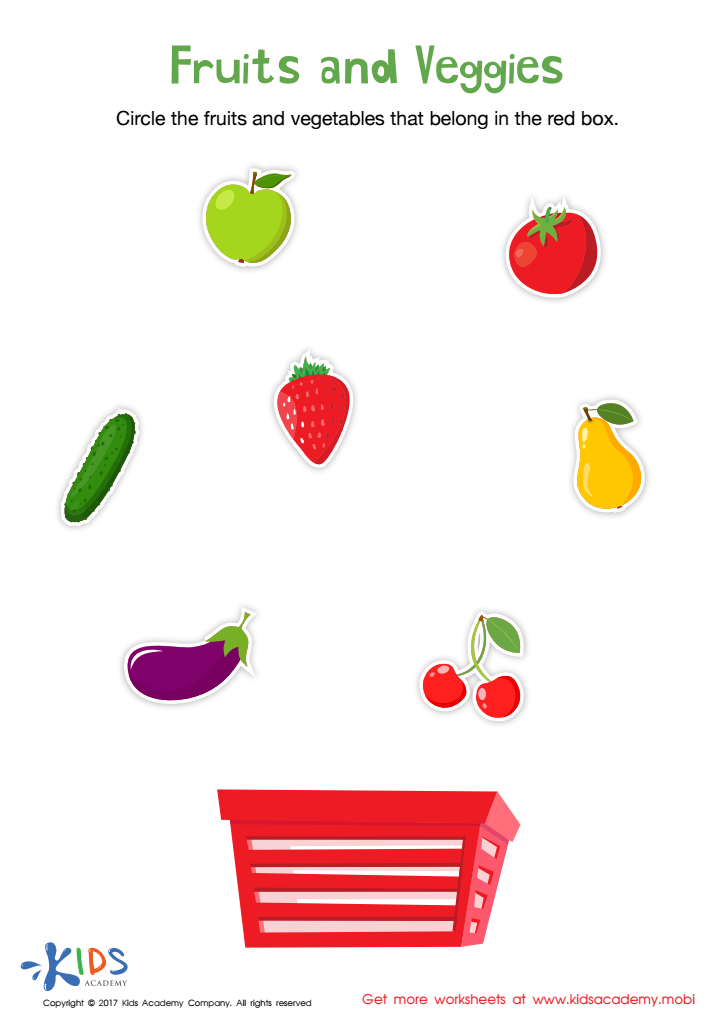
 Assign to My Students
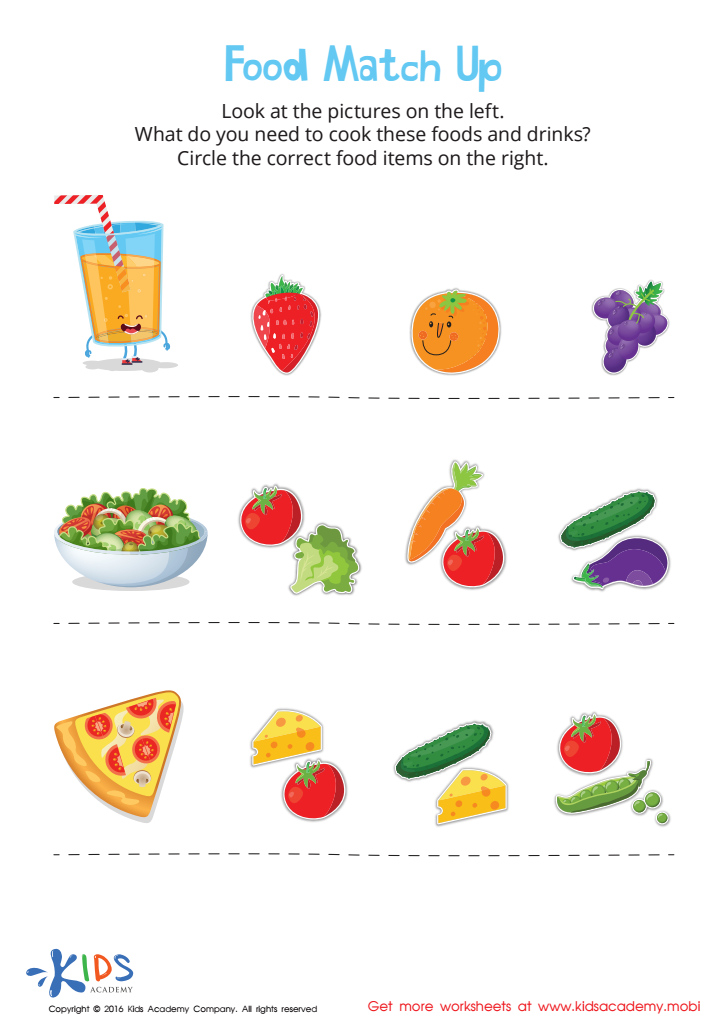
Food Match Up Worksheet
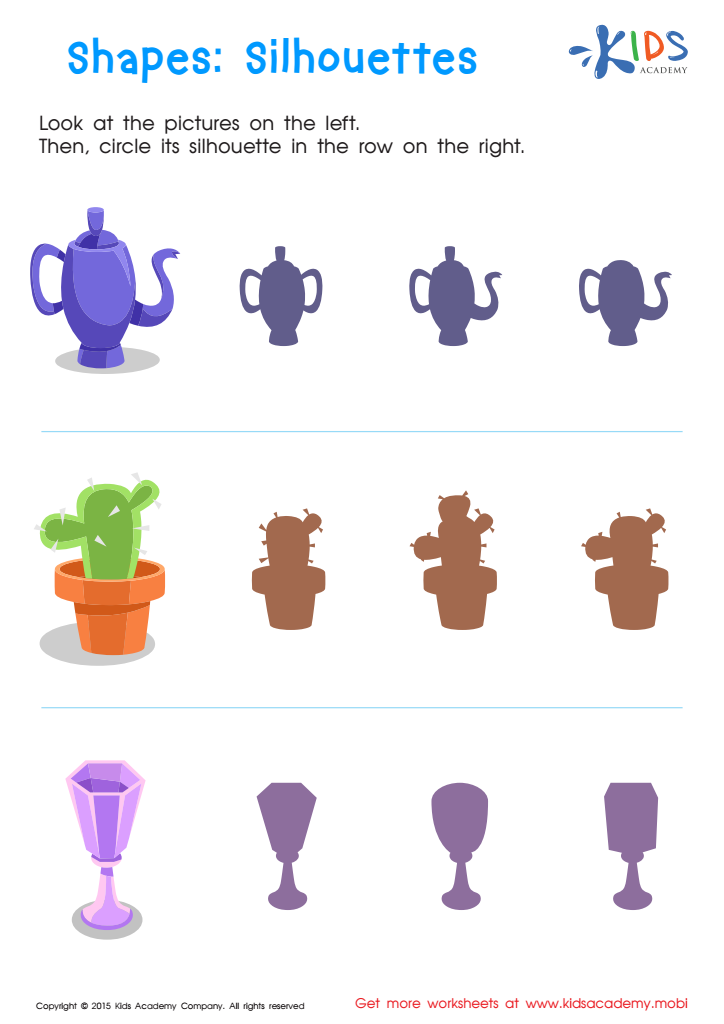
Silhouettes – Shapes Worksheet








Visual discrimination and normal matching are essential skills for children aged 5 to 9, significantly influencing their academic and social development. These abilities enable children to identify differences and similarities among visual elements, which is foundational in learning to read, write, and solve problems. Early mastery of visual discrimination helps children recognize letters, numbers, and shapes, fostering literacy and numeracy skills crucial for future academic success.
Parents and teachers should care about supporting these skills because they play a crucial role in a child's ability to process information effectively. As children differentiate between similar words, letters, and numerical forms, they develop confidence and the capacity to engage in more complex tasks as they progress in school. Additionally, visual discrimination impacts their ability to follow instructions and understand patterns, vital components of logical thinking and reasoning.
Moreover, normal matching exercises enhance children’s fine motor skills and spatial awareness, aiding in activities ranging from art projects to organizing information. By prioritizing visual discrimination skills, parents and educators create a strong foundation for cognitive development, emotional well-being, and lifelong learning. Supporting this early skill set leads to better academic engagement and achievement while fostering positive learning experiences.








