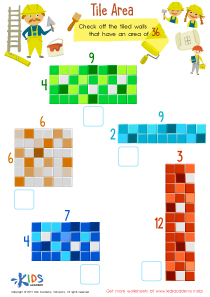
Counting skills Normal Sorting Worksheets for Ages 5-9
3 filtered results
-
From - To
Unlock the joy of learning with our Counting Skills Normal Sorting Worksheets, designed specifically for children aged 5-9. These engaging worksheets foster essential counting and sorting abilities through fun activities that captivate young minds. Each worksheet is expertly crafted to encourage children to practice their numerical skills, enhance their problem-solving abilities, and develop critical thinking. Ideal for educators and parents alike, these resources provide a playful way to reinforce foundational math concepts. Watch your child flourish in their counting journey as they sort and categorize numbers with ease. Start exploring our printable worksheets today for an exciting math adventure!
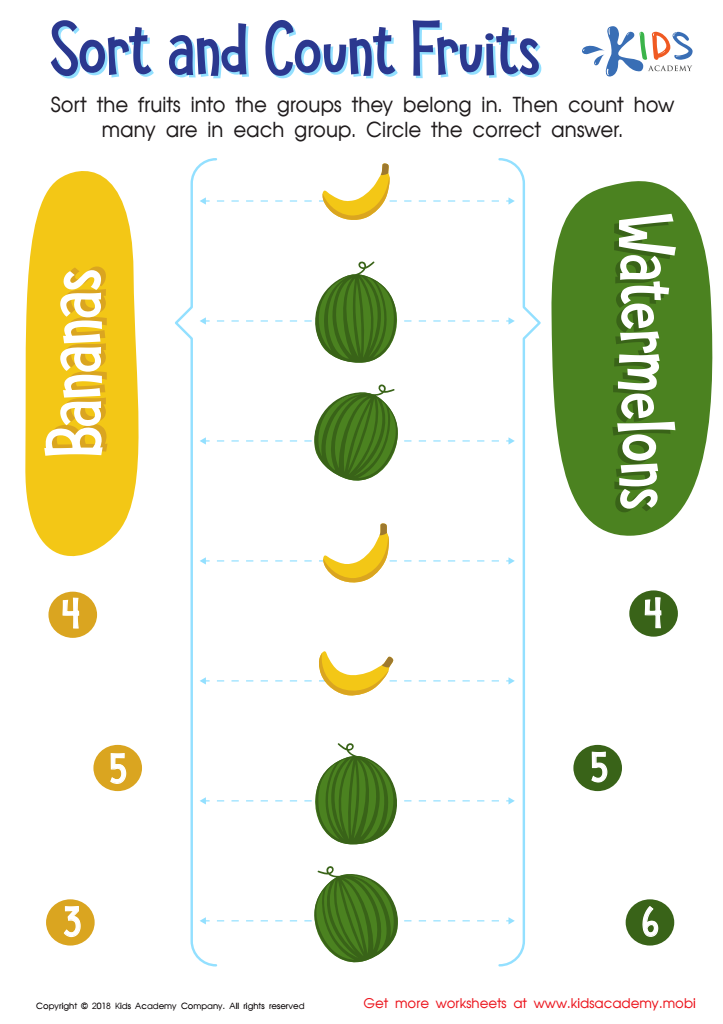
Sort and Count Fruits Worksheet
 Assign to My Students
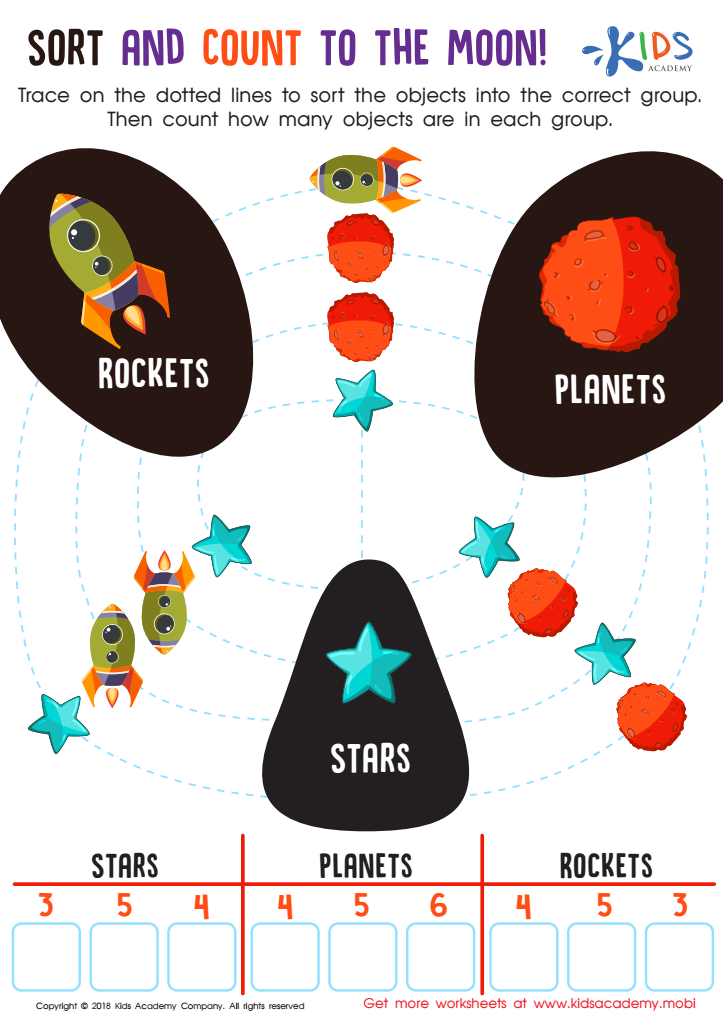
Sort and Count to the Moon Worksheet
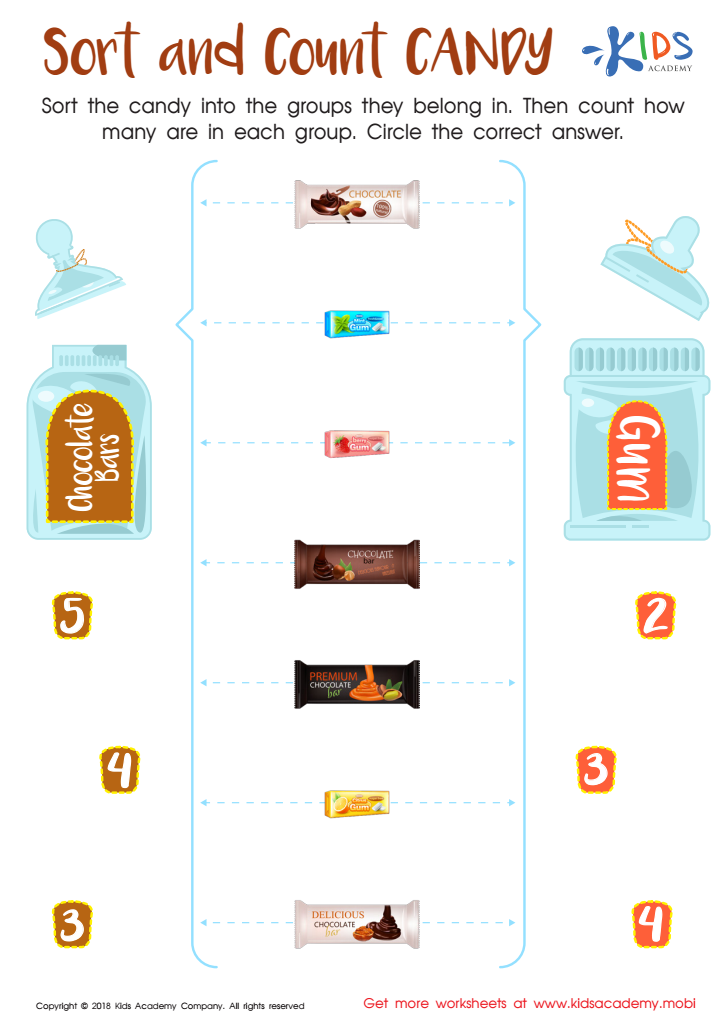
Sort and Count Candy Worksheet








Counting skills and normal sorting are fundamental cognitive abilities that play a crucial role in a child's early development. For children ages 5-9, developing these skills lays the groundwork for more complex mathematical concepts and critical thinking.
Counting skills help children understand quantity, sequence, and relationships between numbers, which are essential for everyday problem-solving. Mastering counting can boost a child’s confidence, encouraging them to tackle more challenging tasks as they progress in their learning journey.
Normal sorting, on the other hand, enhances a child's ability to categorize and organize information. By sorting objects by different attributes such as size, shape, or color, children cultivate analytical skills that support logical reasoning and comparisons. This foundational skill is applicable in various subjects, from math to science and even reading, as it aids in understanding patterns and structures.
Parents and teachers should prioritize counting and sorting activities by incorporating games, hands-on experiences, and everyday opportunities for practice. Supporting these skills not only fosters a strong mathematical foundation but also enhances overall cognitive development, promoting lifelong learning and adaptability in children as they grow. Investing time in these areas during early education can lead to positive academic outcomes in later years.