Sorting skills Normal Sorting Worksheets for Ages 5-9
5 filtered results
-
From - To
Develop your child's sorting skills with our engaging Normal Sorting Worksheets, designed specifically for ages 5-9. These worksheets provide a fun and interactive way to teach young learners how to categorize and organize items based on different attributes such as color, size, and shape. By completing these activities, children will enhance their critical thinking and foundational math skills while improving their attention to detail. Our worksheets are easy to print and perfect for both classroom and home learning settings. Foster your child's learning journey today with our expertly crafted sorting activities that make learning exciting and effective!
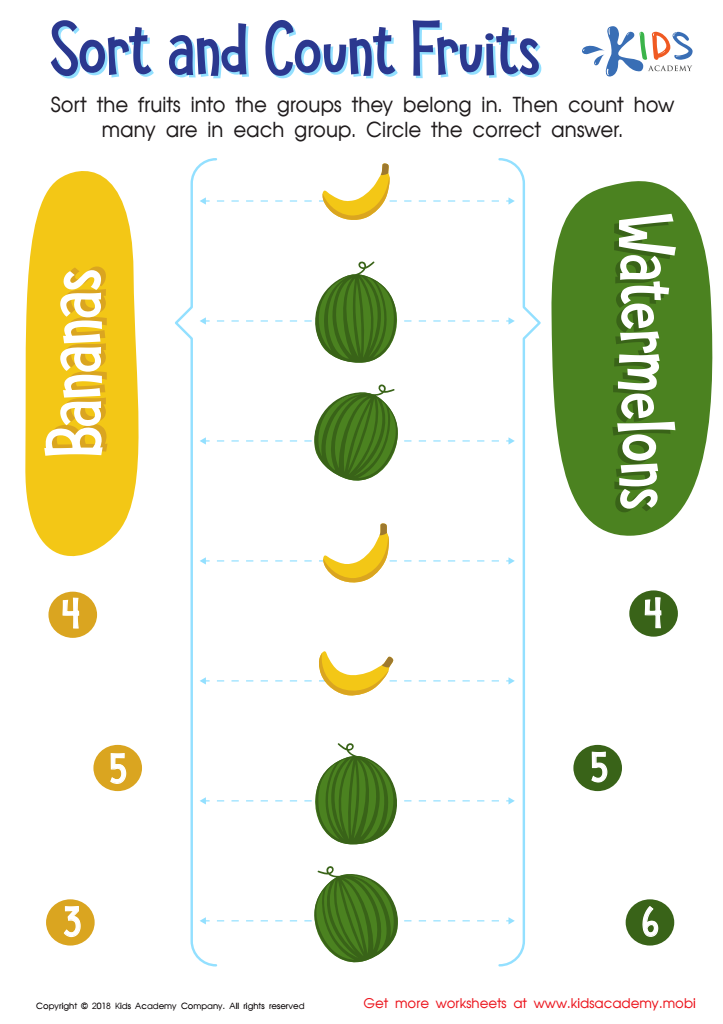
Sort and Count Fruits Worksheet
 Assign to My Students
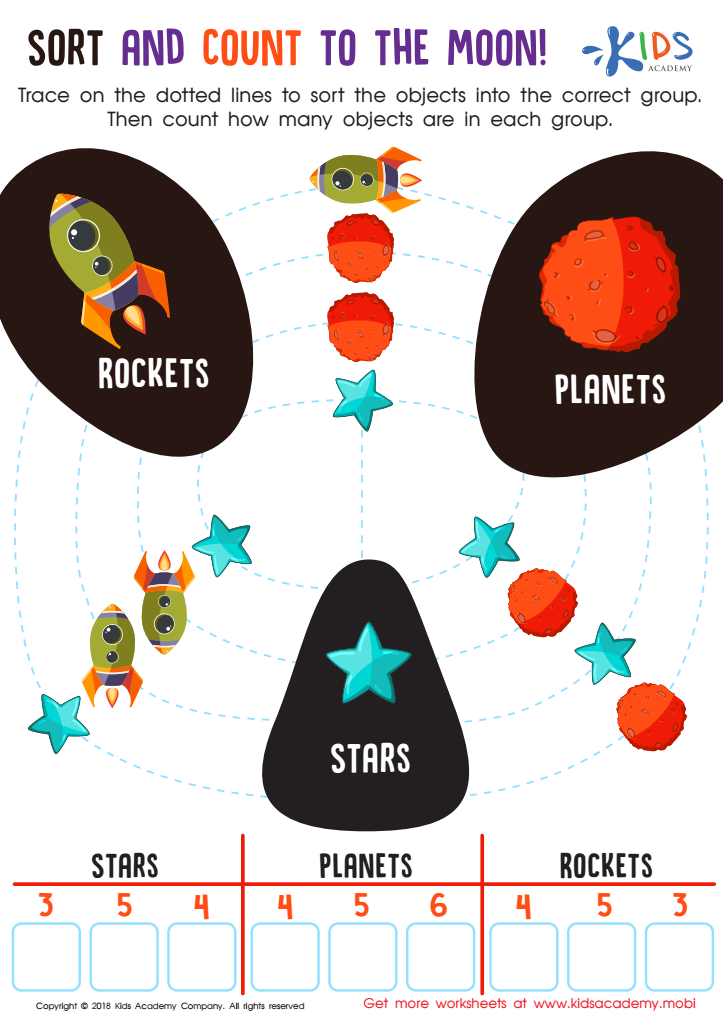
Sort and Count to the Moon Worksheet
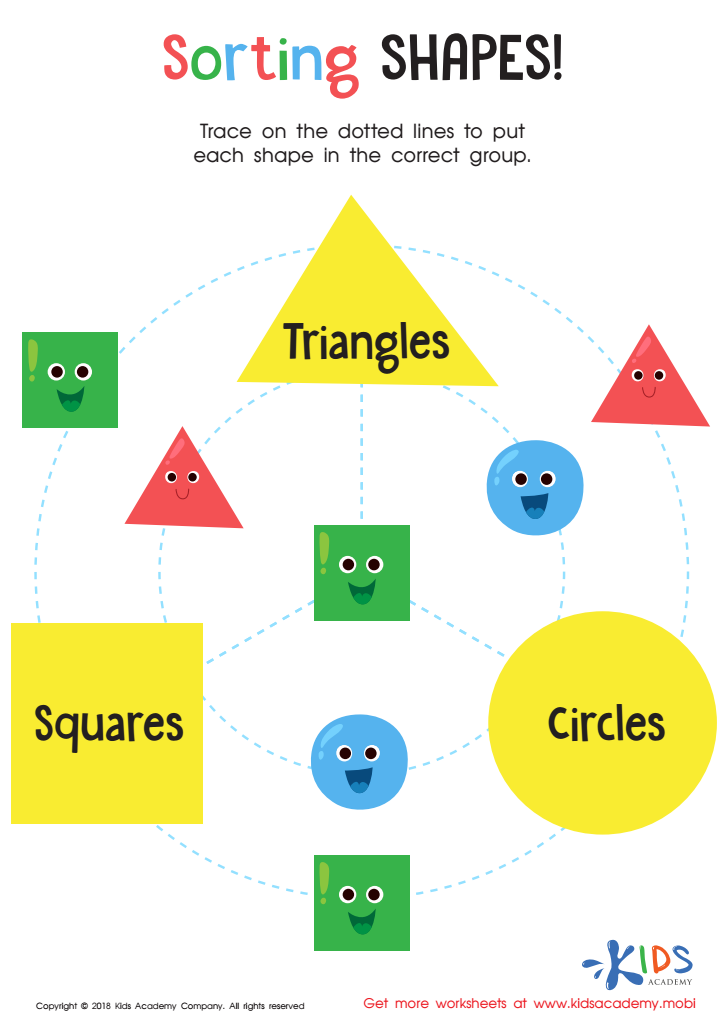
Sorting Shapes - Part 3 Worksheet
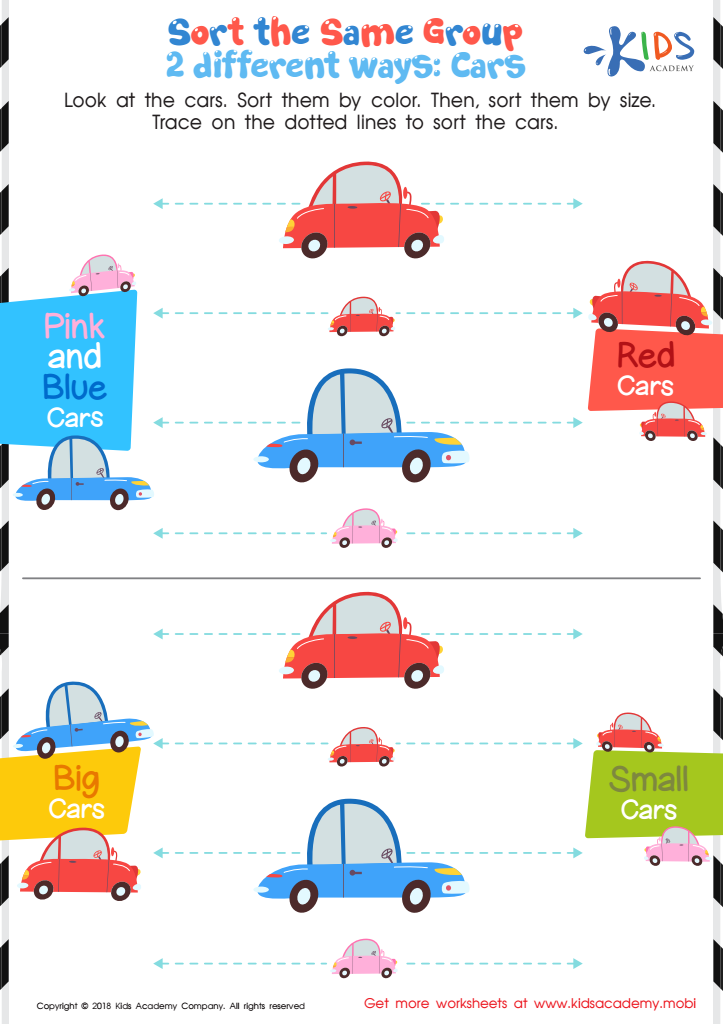
Sort the Same Group 2 Different Ways: Cars Worksheet
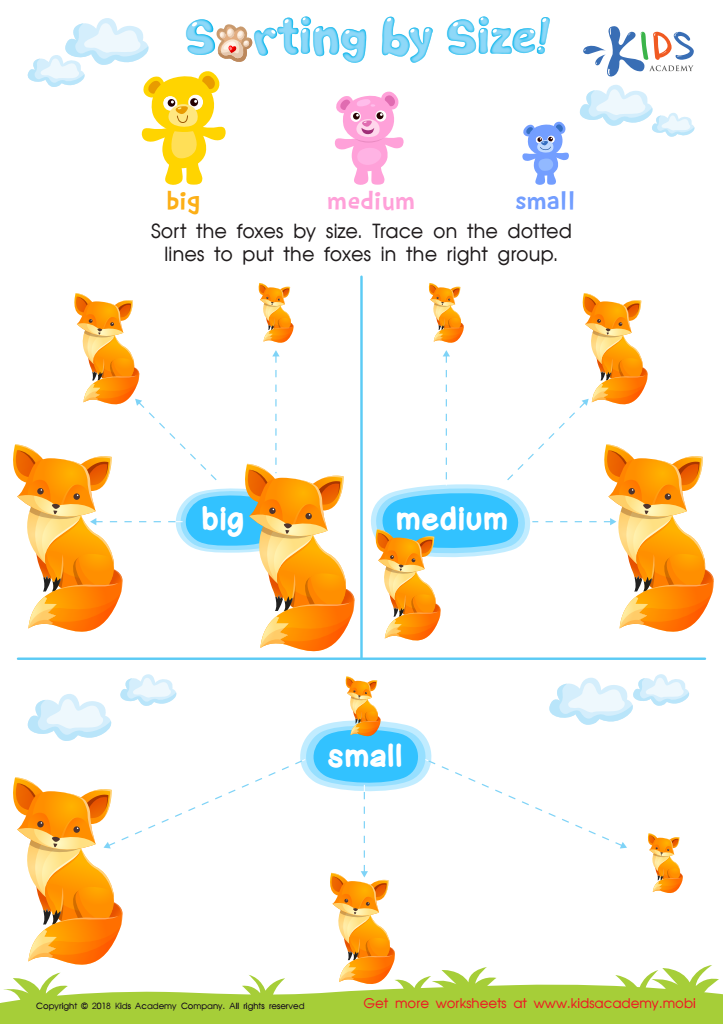
Sorting by Size Worksheet







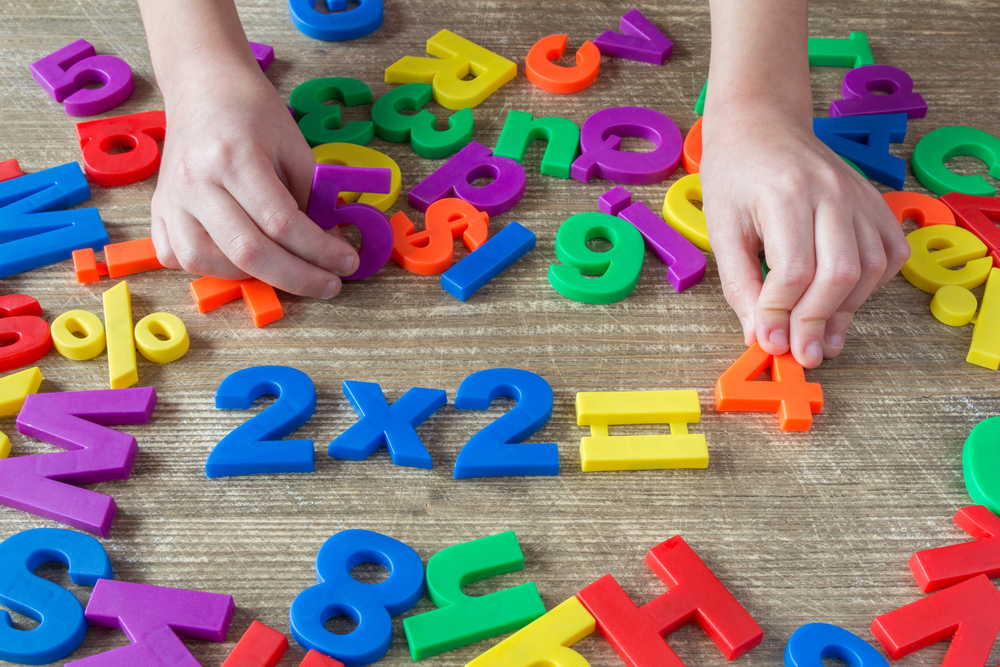
Sorting skills are a fundamental aspect of early cognitive development for children aged 5-9. These skills involve the ability to categorize objects based on shared characteristics such as color, shape, size, or function. Parents and teachers should prioritize the teaching of sorting skills because they lay the groundwork for more complex analytical thinking and problem-solving abilities.
Firstly, sorting enhances critical thinking. As children decide how to categorize items, they learn to identify similarities and differences, aiding their understanding of the world around them. This process encourages them to make connections between items, fostering cognitive development.
Secondly, sorting activities promote organization and attention to detail. By engaging in sorting, children practice focusing on specific attributes, which can improve their concentration – an essential skill for success in a classroom setting.
Moreover, sorting fosters mathematical and language skills. When children sort, they often use quantitative terms (like "more" or "less") and vocabulary related to the categories they create. This helps build both their mathematical understanding and language proficiency.
Lastly, sorting activities can be highly engaging and fun, making learning enjoyable. Building these foundational skills through play can foster a lifelong love of learning while preparing children for future academic challenges.